Maserati
Italy’s most elegant grand touring marque, with a racing heritage that runs deeper than most
Explore more Maserati:
Maserati was founded in Bologna in 1914 and built its reputation on Grand Prix success before transitioning into luxurious grand tourers in the postwar years. From the 250F of the 1950s to the GranTurismo and MC20, the marque has consistently combined motorsport pedigree with refined Italian styling. Maserati is currently owned by Stellantis and produces its cars in Modena, where the trident badge has been associated with the city since the 1930s.
Latest Maserati news
Explore more
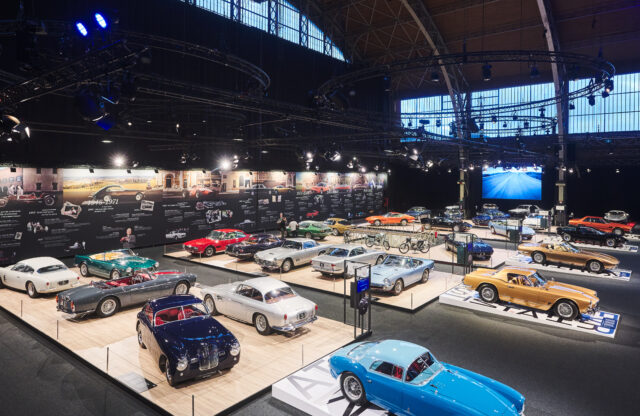
Featured Maseratis for sale
See all Maseratis for saleLatest Maserati Features
Explore more
-
History of Maserati
One of Italy’s most storied marques, Maserati was founded in Bologna in 1914 by the Maserati brothers Alfieri, Ettore and Ernesto, blending racing pedigree, engineering artistry and luxurious grand touring tradition.
Maserati’s early years were defined by motorsport. Under Alfieri Maserati’s guidance, the company produced competitive racing machines such as the Tipo 26, Tipo V4, and 8CTF, achieving victories in major European events. The legendary 250F, driven by Juan Manuel Fangio, became one of the greatest Grand Prix cars of all time, securing world championships and cementing Maserati’s place in racing history.
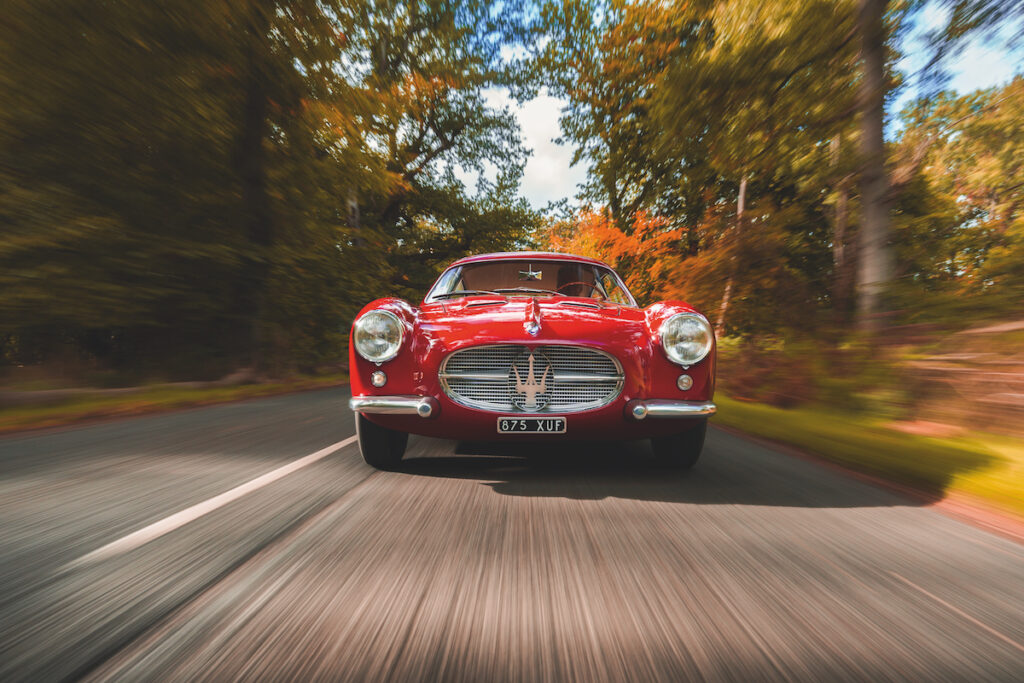
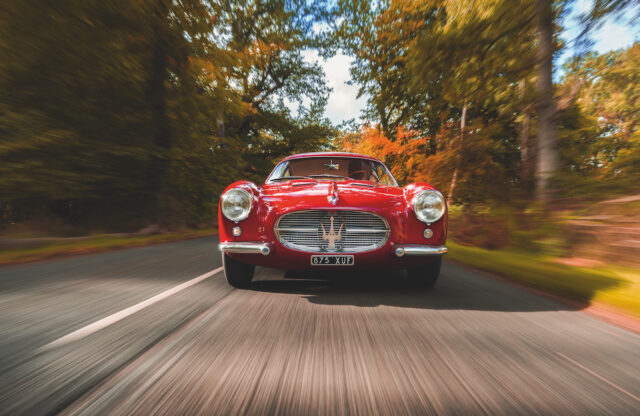
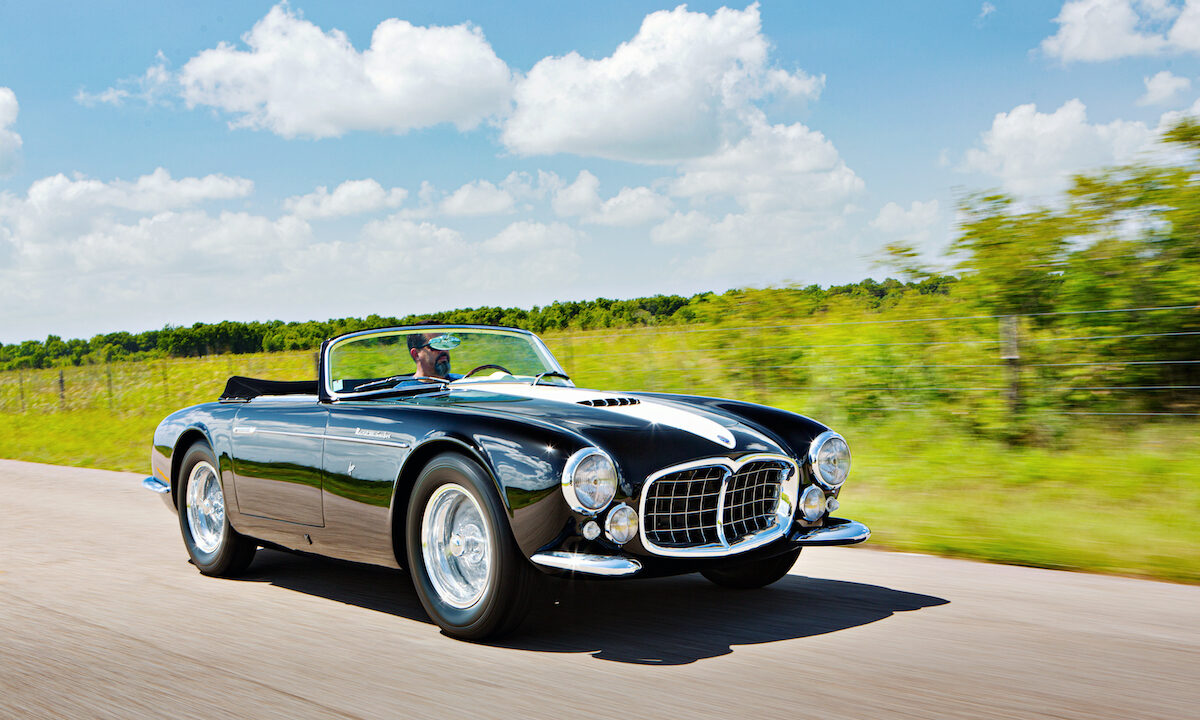
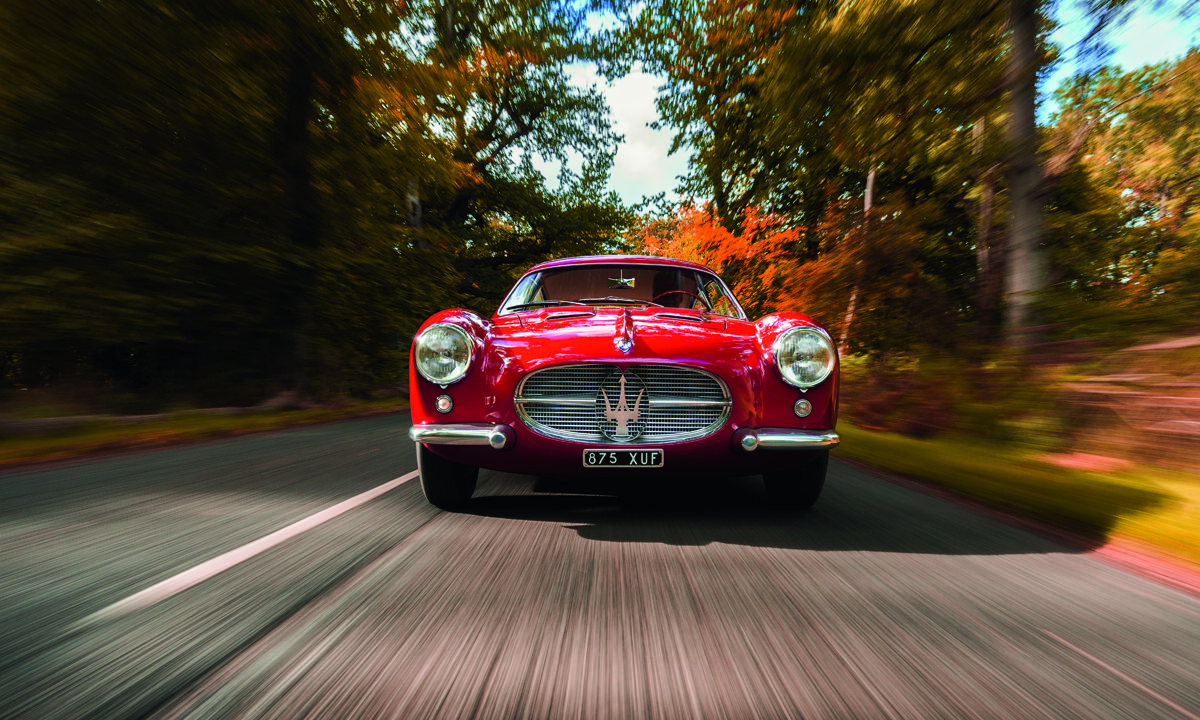
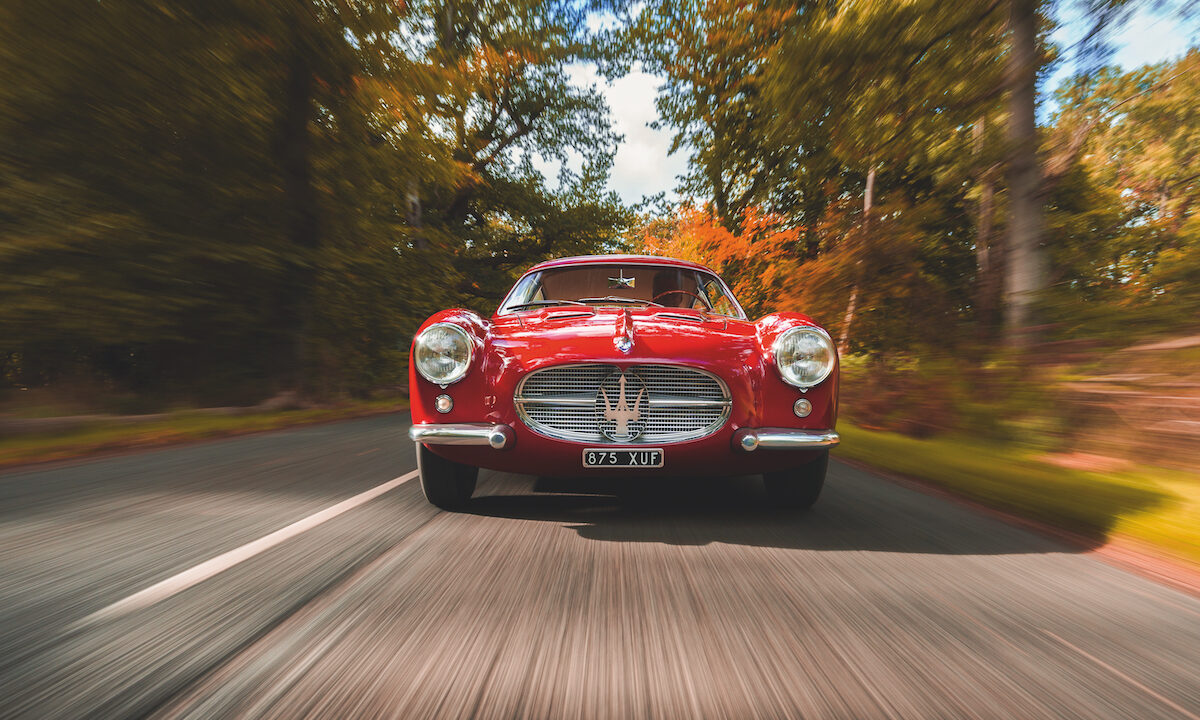
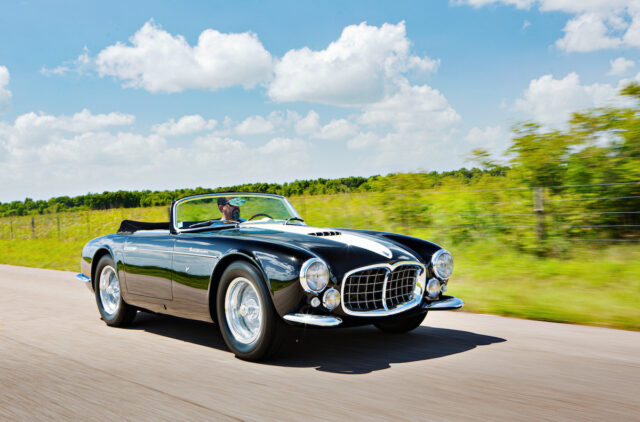
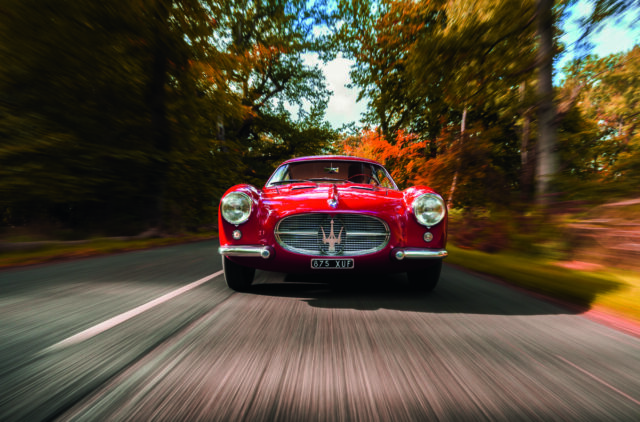
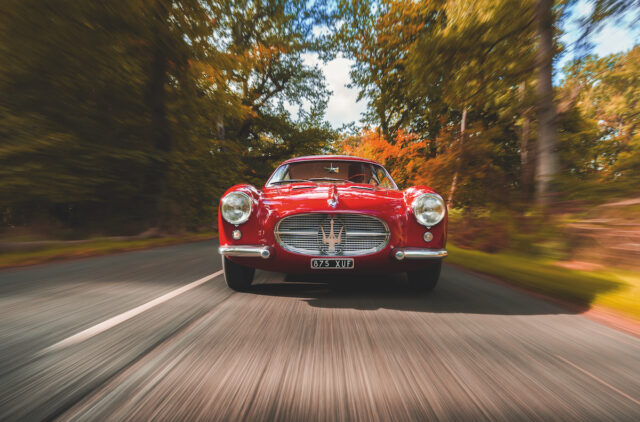
After the Maserati brothers left following the company’s acquisition by Orsi family interests, the brand expanded into road-going grand tourers. The A6 series, introduced in the late 1940s, combined racing technology with elegant Italian styling. The A6G/54, particularly as bodied by Zagato, Frua and Allemano, remains one of Maserati’s most exquisite classics.
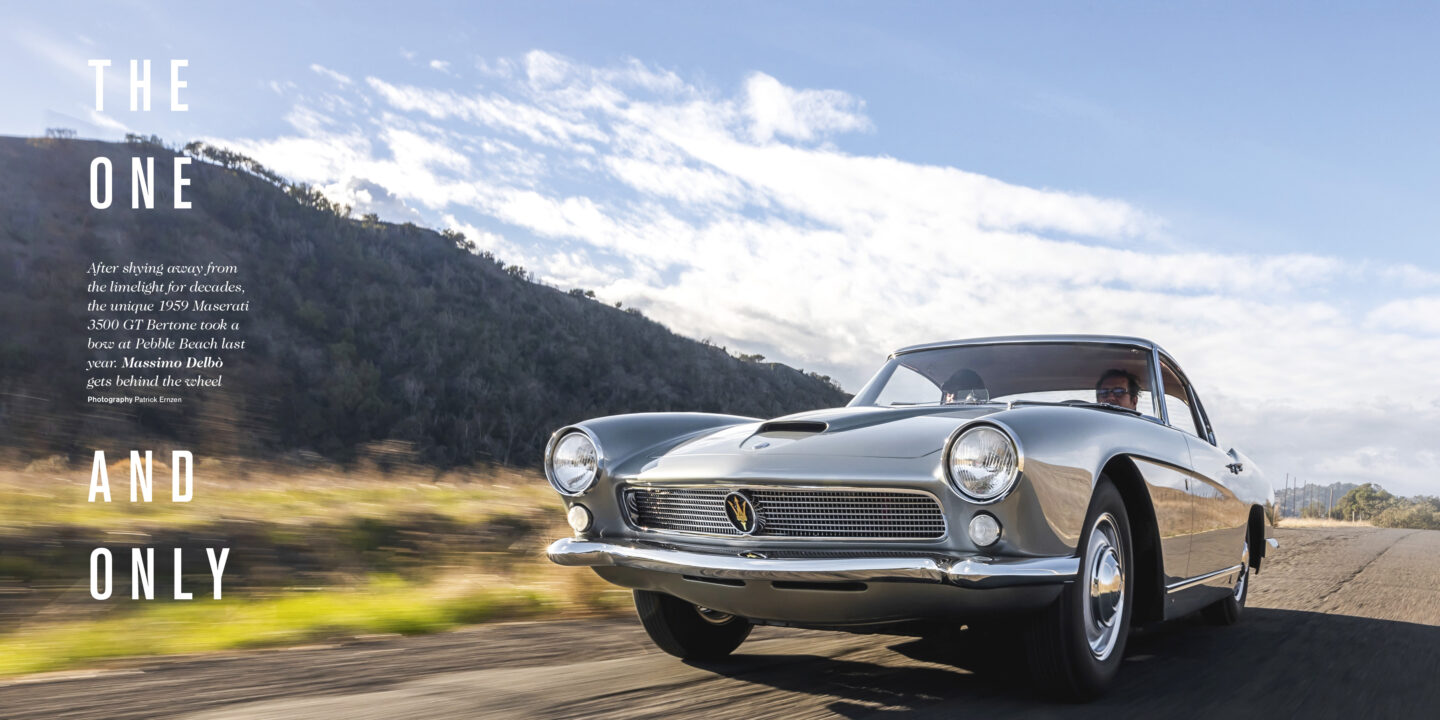
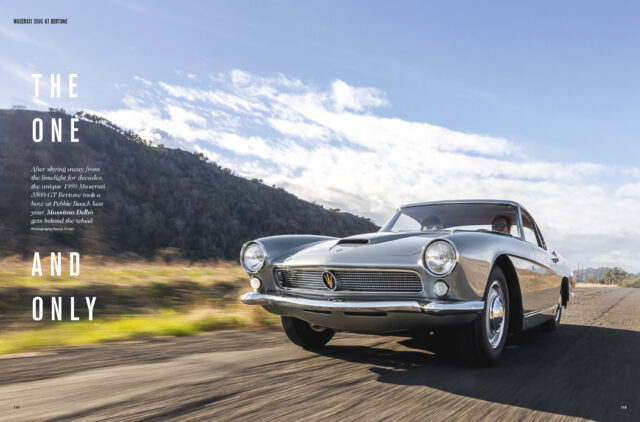
The 1950s and ’60s marked a golden age for Maserati GTs, such as the 3500 GT, Mistral, Sebring, Mexico and Ghibli. They established the brand’s reputation for luxurious, long-legged performance, with straight-six and later V8 engines, offering a definitive blend of refinement and muscular power.
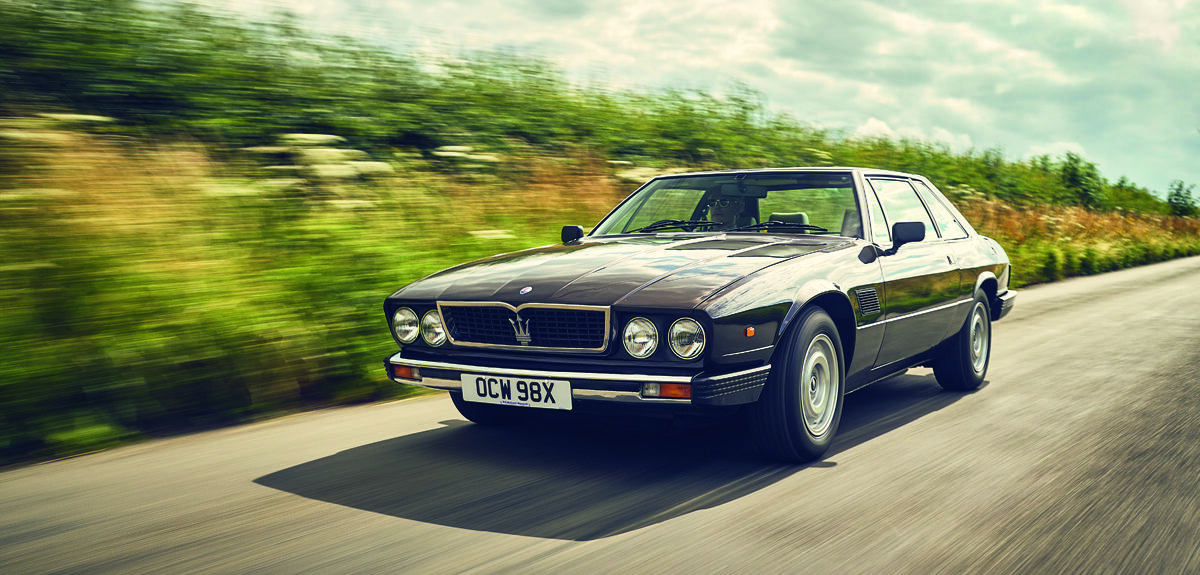
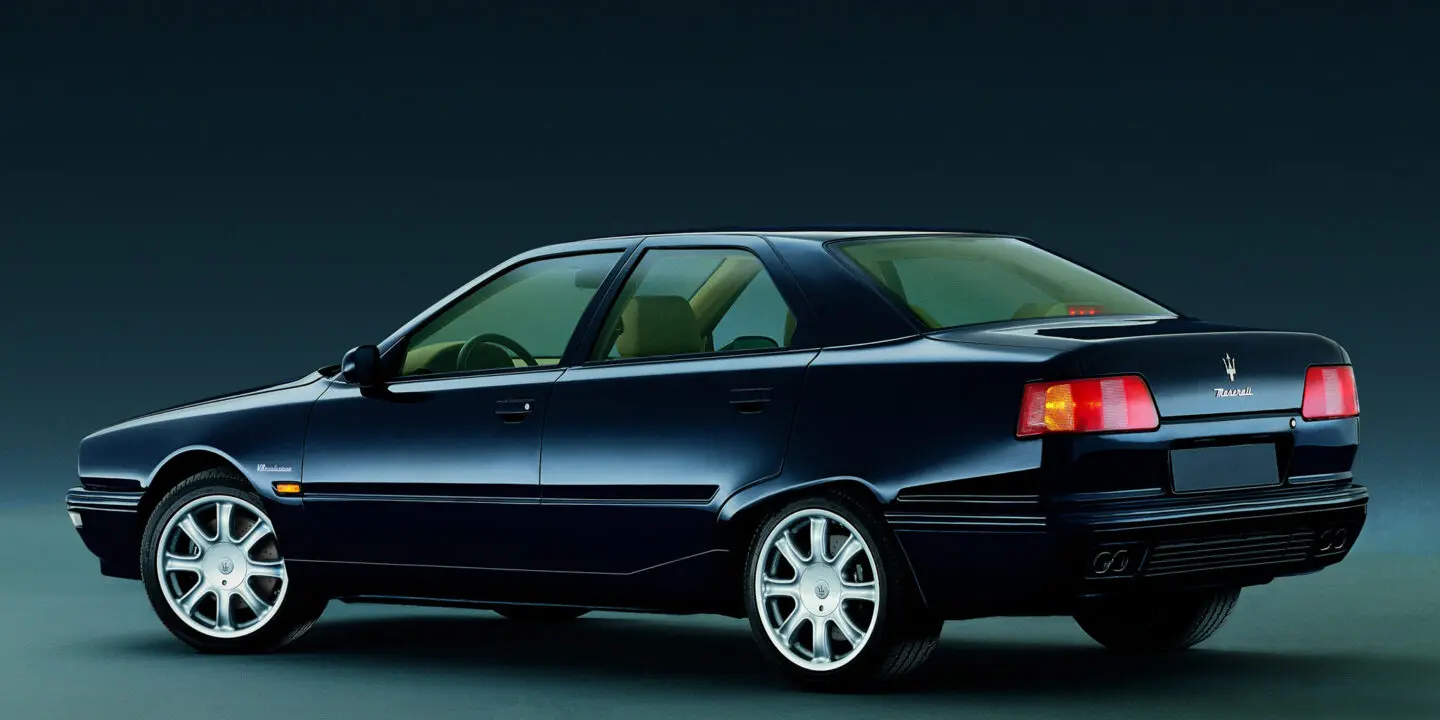
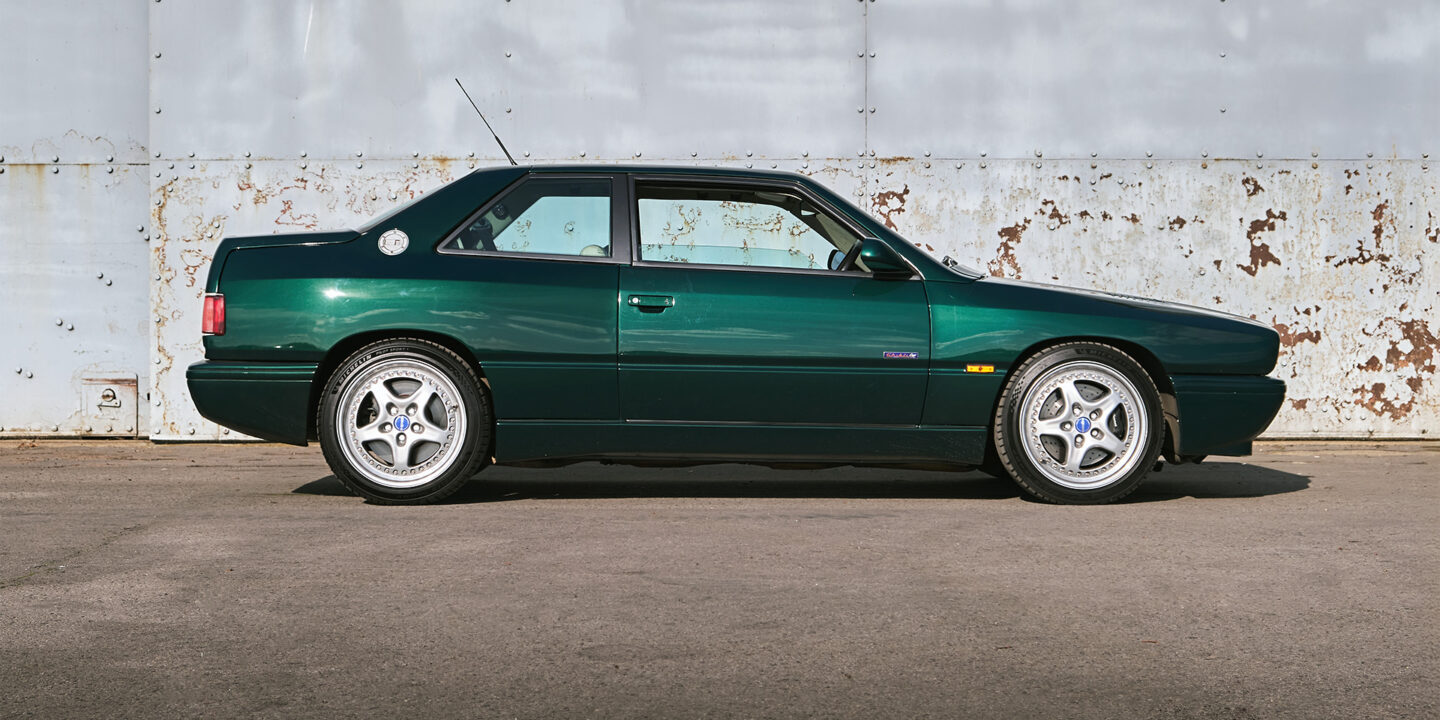
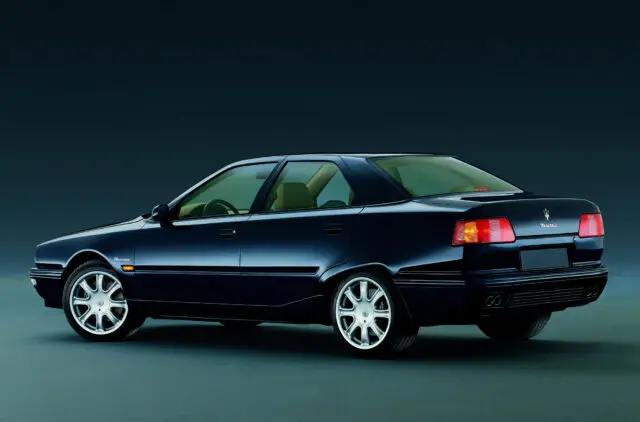
The 1970s saw the bold, mid-engined Bora and Merak, as well as the opulent Khamsin, designed by Giogetto Giugiaro and Marcello Gandini respectively, but financial turbulence followed, particularly under De Tomaso ownership. Iconic models later emerged, however, including the aggressive Shamal, Karif and Ghibli, which grew from the compact Biturbo coupé and saloon.
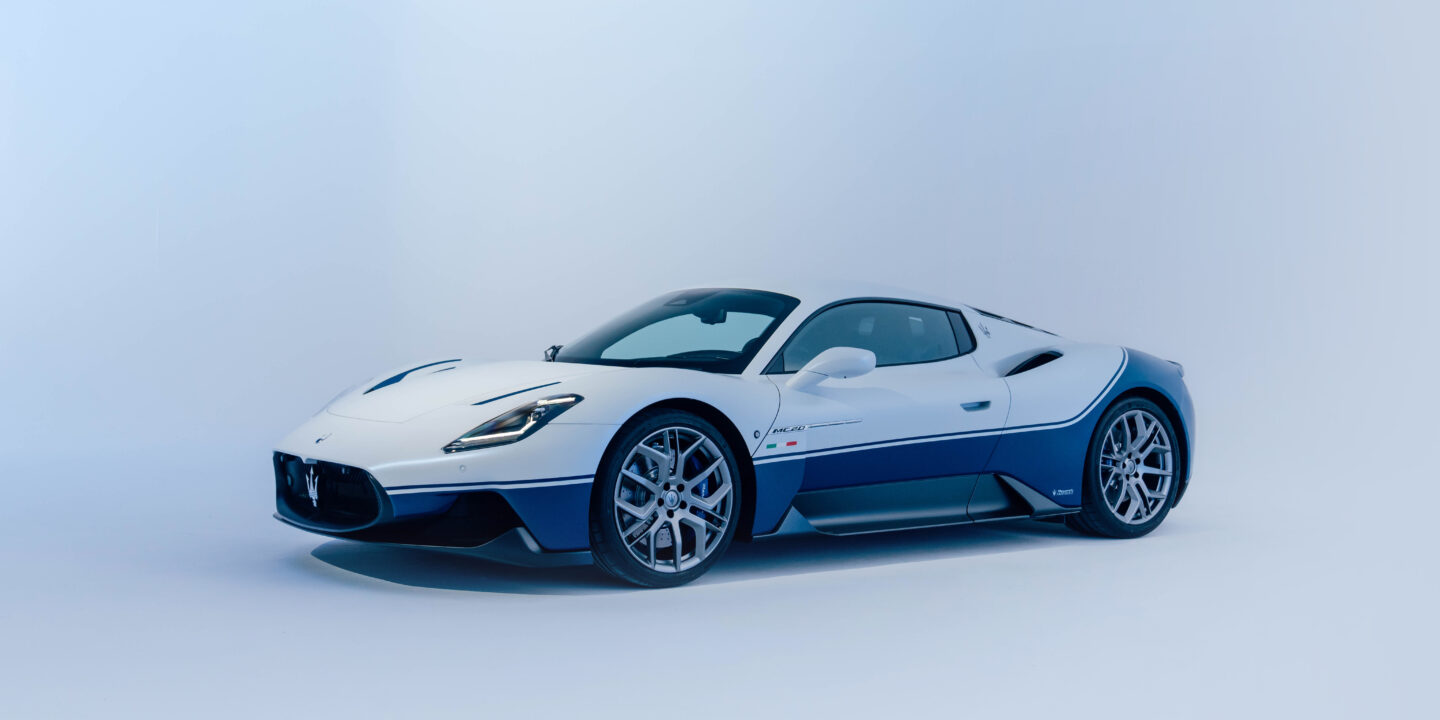
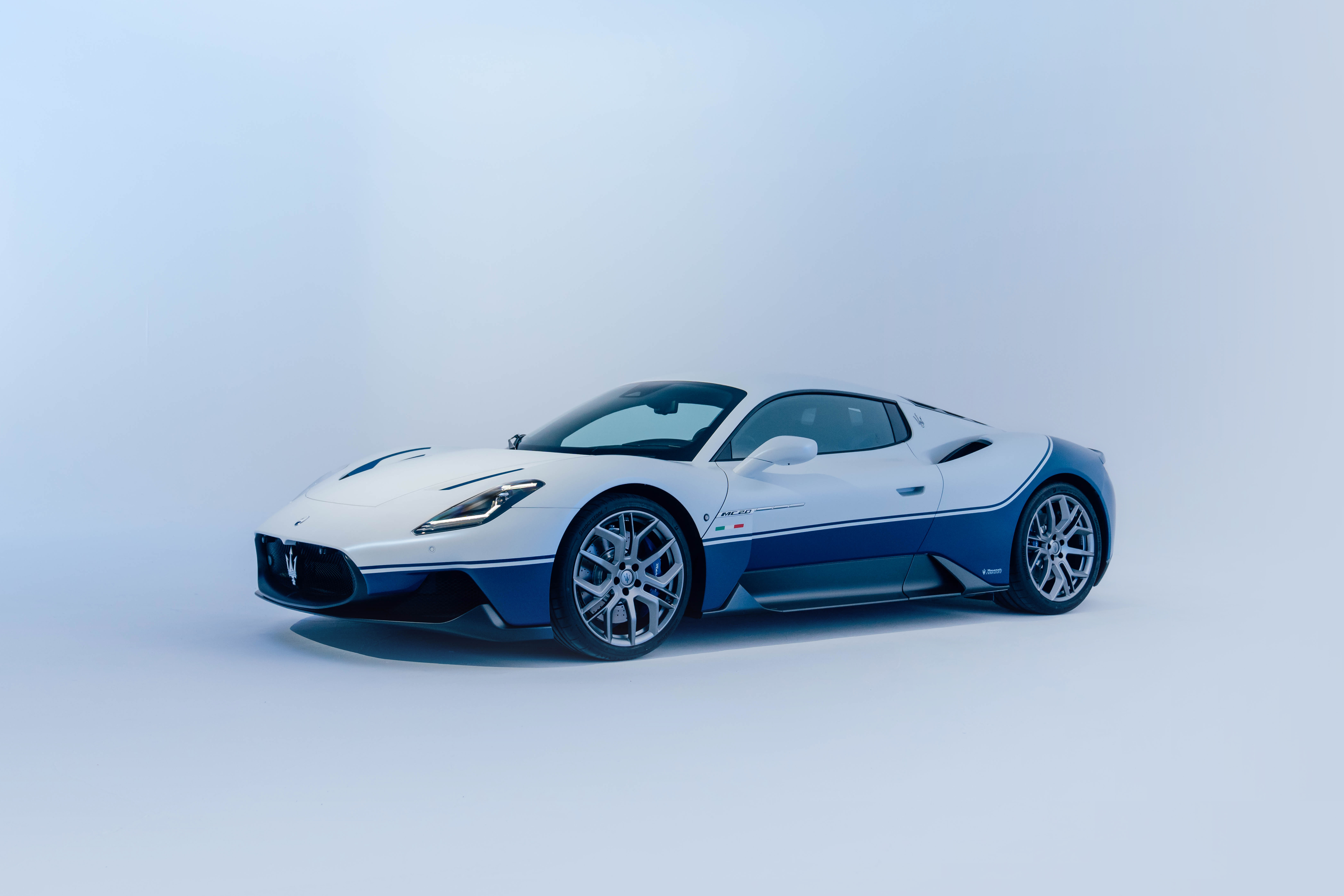
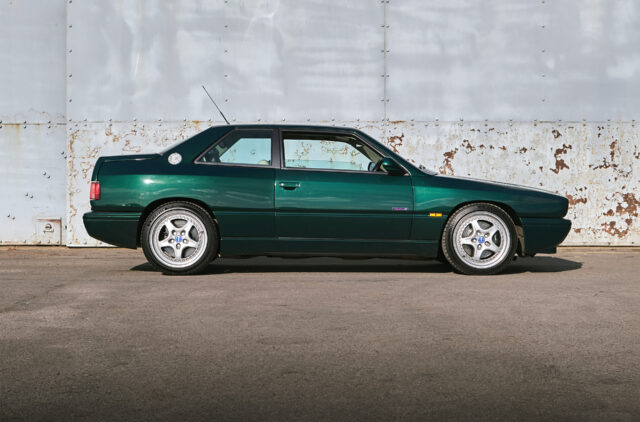
Under Ferrari control in the 2000s, Maserati experienced a significant revival. The 3200GT, Quattroporte V, and GranTurismo restored elegance and performance to the marque, while modern models such as the MC20 have ushered Maserati back into the world of cutting-edge supercar engineering.
-
About Maserati
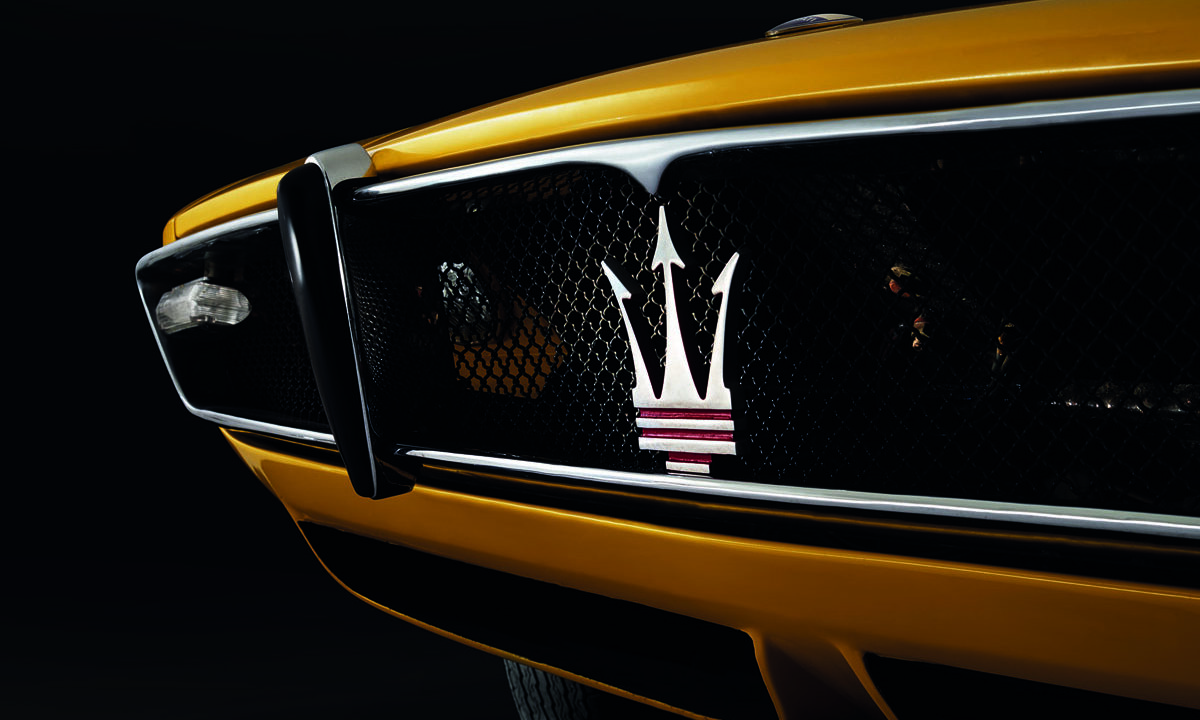
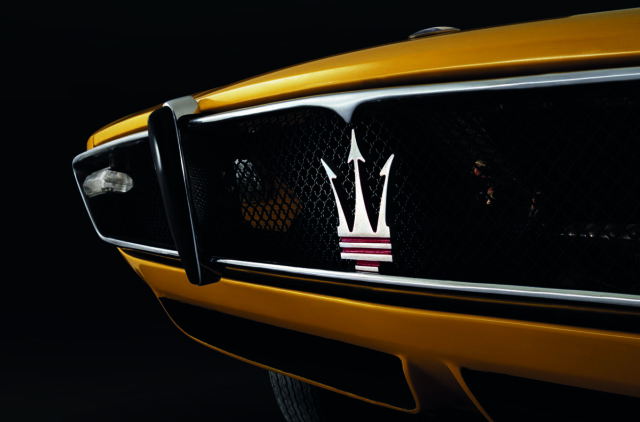
Maserati was established in Bologna in 1914 by the Maserati brothers, initially operating as a racing car manufacturer and engineering workshop. The company relocated to Modena in 1940 following its acquisition by the Orsi family, and Modena has remained central to Maserati’s identity ever since, housing its principal manufacturing and engineering operations for the greater part of its history. The trident badge, derived from the Fountain of Neptune in Bologna’s Piazza Maggiore, was designed by Mario Maserati and has remained the marque’s emblem throughout its various changes of ownership.
The Orsi family controlled Maserati until 1968, overseeing the transition from racing car constructor to road car manufacturer that began in earnest in the late 1940s. Citroën acquired the company in 1968, a period that brought significant investment but also considerable financial difficulty, leading to Citroën’s own bankruptcy in 1975. Alejandro de Tomaso subsequently acquired Maserati in 1976, a period of ownership that proved turbulent and commercially inconsistent, though it produced several notable models. Fiat acquired a controlling stake in 1993, and Maserati was later placed under Ferrari’s operational control in 1997, a period that brought renewed focus and investment.
Ferrari’s stewardship produced some of Maserati’s most commercially successful modern models, including the Quattroporte V and the GranTurismo, before Maserati was transferred to Fiat Chrysler Automobiles’ broader structure. The company is currently owned by Stellantis, the group formed by the merger of Fiat Chrysler Automobiles and PSA Group in 2021. Production is centred in Modena, where the MC20 supercar is assembled, with additional manufacturing carried out at a facility in Turin for larger models.
Maserati’s contemporary range spans grand tourers, saloons and SUVs, with the MC20 representing the marque’s return to dedicated supercar engineering. The company has invested in electrified variants across its range, with both hybrid and fully electric versions of several models now in production.
-
Maserati trivia
The trident badge was designed by a Maserati brother who never drove competitively – Mario Maserati, the eldest of the brothers, was primarily a painter and designer rather than a driver or engineer. He drew the trident emblem in 1914, taking inspiration from the statue of Neptune in Bologna’s Piazza Maggiore near the company’s first premises. It remains one of the most recognisable marque badges in the automotive world.
The 250F is widely regarded as the finest Grand Prix car of the 1950s – Juan Manuel Fangio drove the 250F to the 1957 Formula 1 World Championship, producing what many consider the greatest single race drive in history at the German Grand Prix at the Nürburgring, where he overcame a lengthy pit stop to defeat the Ferraris of Mike Hawthorn and Peter Collins. It was Fangio’s fifth and final world title.
Maserati won the first race it ever entered – The Tipo 26, the first car to carry the Maserati name, debuted at the 1926 Targa Florio driven by Alfieri Maserati himself. Alfieri finished first in class on the car’s competitive debut, an unusually auspicious beginning for a marque that would go on to become one of the most significant names in European motorsport.
The Bora was the first Maserati with a fully independent rear suspension – Launched in 1971 and designed by Giorgetto Giugiaro at Italdesign, the mid-engined Bora represented a significant technical departure for Maserati, adopting a fully independent rear suspension layout for the first time in the marque’s road car history. Its Citroën-sourced hydraulic system operated the brakes, pedals and seat adjustment from a single pressurised circuit.
Maserati built a one-off vehicle for the Pope – In 1961, Maserati produced a unique ceremonial vehicle for Pope John XXIII, based on a lengthened chassis and bodied by coachbuilder Frua. The car, finished in black with the papal crest, was used for official engagements and remains one of the more unusual commissions in the marque’s history.
The Quattroporte name has been used across six distinct generations – First introduced in 1963, the Quattroporte, Italian for ‘four doors’, has appeared in six separate generations spanning more than six decades, making it one of the longest-running model names in the luxury saloon segment. The original 1963 car was notable for offering genuine sports car performance in a full four-door body, with a V8 engine and a top speed approaching 130mph.
Maserati’s racing department produced aircraft engines during the Second World War – With Grand Prix racing suspended during the conflict, Maserati’s engineering facilities in Bologna and later Modena were redirected towards industrial and military production, including work on aircraft engine components. The engineering expertise developed during this period contributed directly to the sophisticated powertrains that would power Maserati’s postwar competition and road cars.
The Merak shared its V6 engine with a Citroën – During Citroën’s ownership of Maserati in the early 1970s, the mid-engined Merak was developed using a 3.0-litre V6 derived from the engine intended for the Citroën SM. The arrangement was a direct consequence of the cross-ownership structure and represents one of the more unexpected technical collaborations in the marque’s history.
The MC12 was built primarily to allow Maserati to go racing, not to be sold – Launched in 2004, the MC12 was a road-legal supercar produced in a limited run of 50 examples specifically to satisfy FIA homologation requirements for the GT1 racing class. Based on the Ferrari Enzo’s platform, it was never intended as a commercial product in the conventional sense, with all examples allocated to approved customers before the car was publicly announced.
Maserati held the outright land speed record briefly in 1929 – Driving a supercharged Maserati V4 at Cremona in 1929, Ernest Eldridge set a flying kilometre record of 246.069km/h, making Maserati the holder of the outright land speed record for a brief period. The record was soon surpassed, but it demonstrated the extraordinary performance of Maserati’s early twin-engined competition machinery.