Rétromobile Paris has never lacked confidence, but its 50th anniversary edition felt like something more than a celebration of longevity. With 181,500 visitors passing through the doors, the 2026 show confirmed its status not just as Europe’s season opener, but as the most complete and confidently curated indoor classic car event in the world.
Much of that success can be traced to a fundamental change in geography. The move to the revitalised Halls 4 and 7 at Paris Expo Porte de Versailles has transformed the experience, replacing the tired sprawl of previous years with a layout that feels more coherent than ever. It is a shift that has allowed Rétromobile to evolve without losing the density and intimacy that have long defined the show.
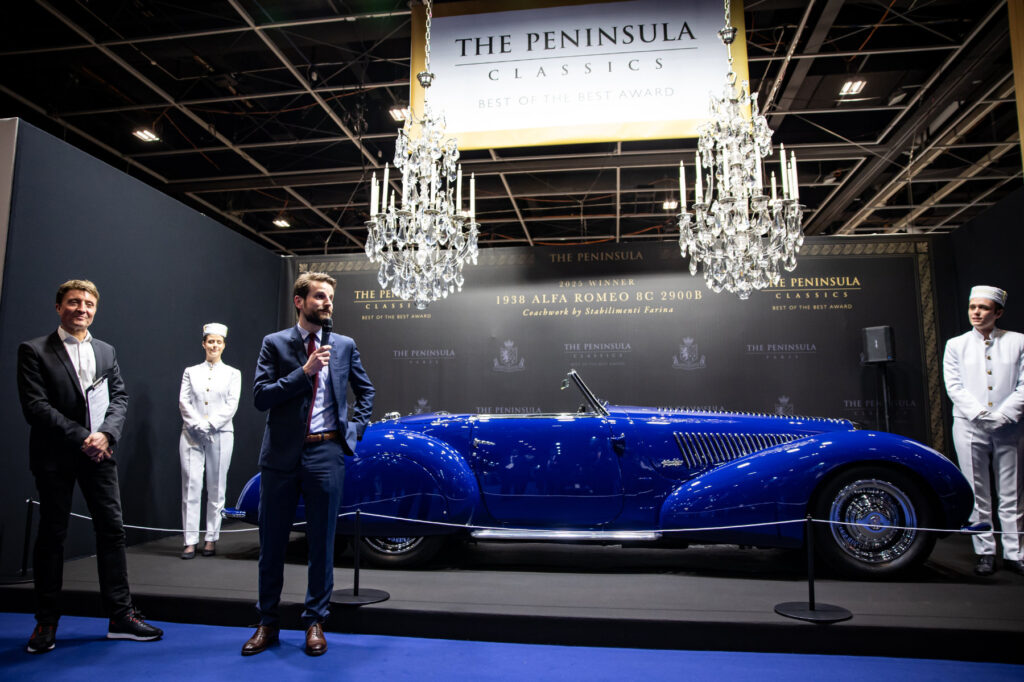
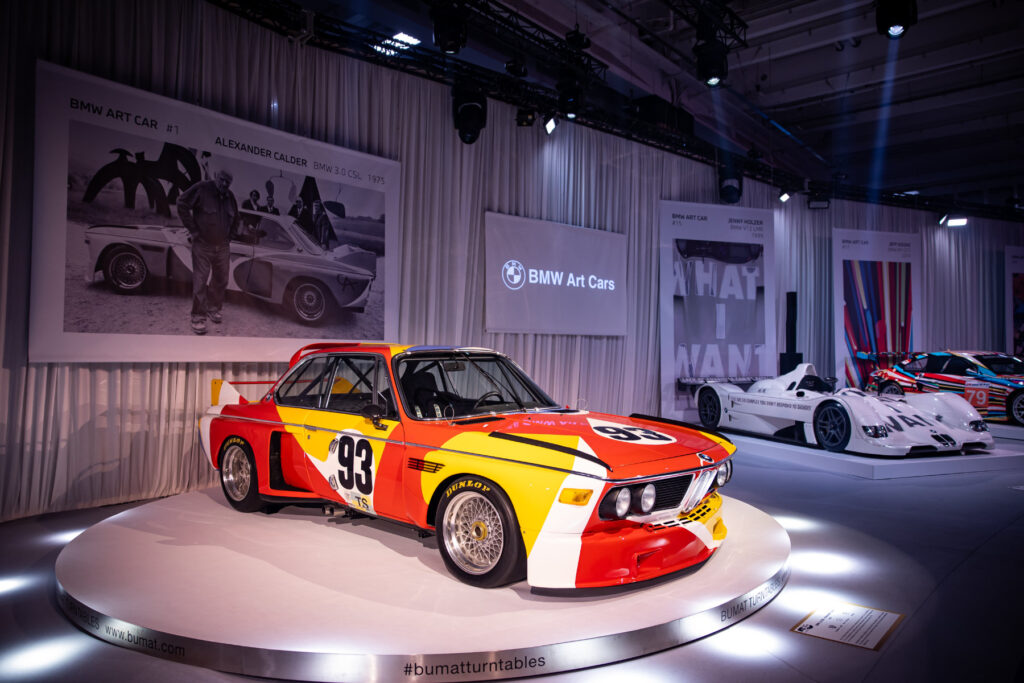
Hall 7 in particular has become the backbone of the event. Its three-tier structure naturally separates trade, heritage and commerce. The ground floor balanced entry-level specialists with the official Gooding Christie’s auction and a monumental Bugatti display led by the extraordinary Presidential Railcar from the Musée National de l’Automobile. Above, the manufacturer and club stands provided one of the strongest concentrations of factory heritage displays seen in Paris, with French marques once again setting the tone through depth rather than spectacle. Renault, Peugeot and Citroën were joined by Alfa Romeo and BMW, the latter presenting a tightly focused Art Cars display.
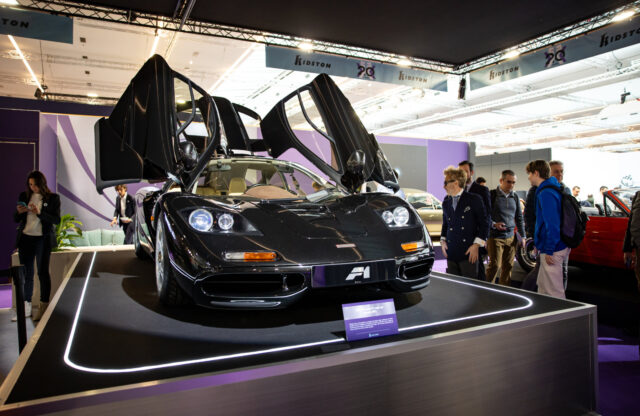
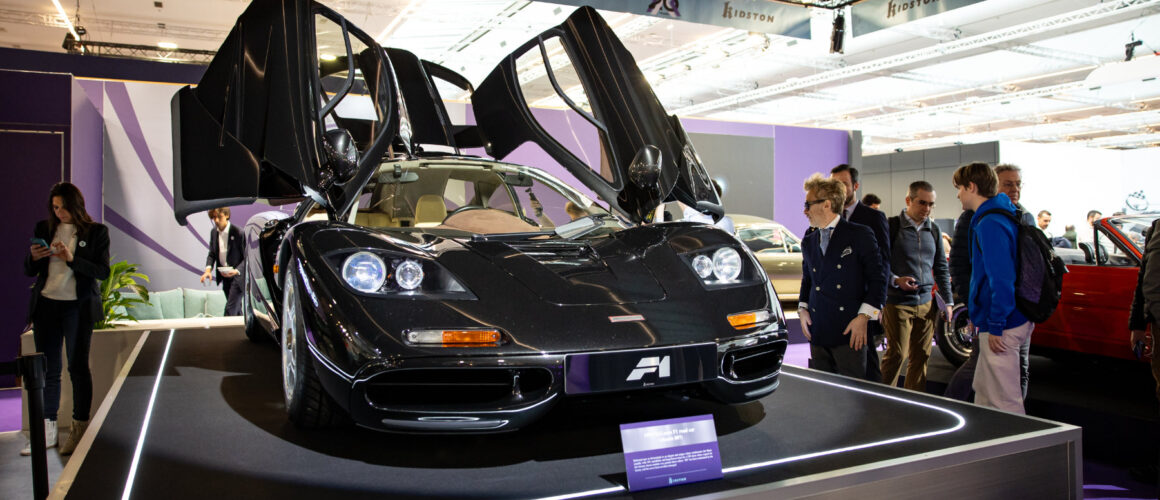
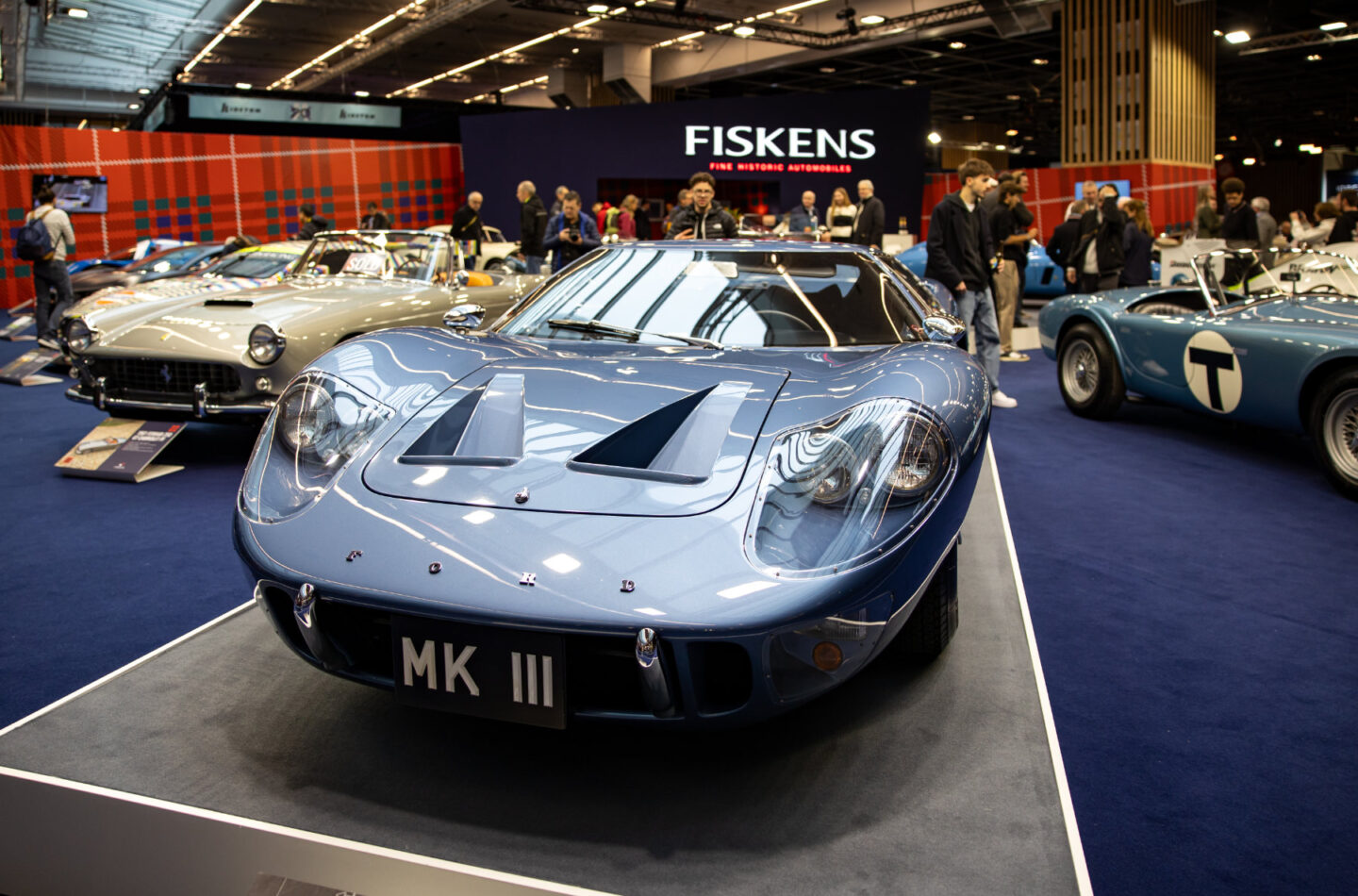
The upper level was firmly dealer territory, and here the quality threshold felt notably higher than in previous years. Girardo & Co, Kidston, Fiskens, Lukas Hüni, Joe Macari, Gallery Aaldering and JMB Classic were among those presenting stands that felt curated rather than commercial.
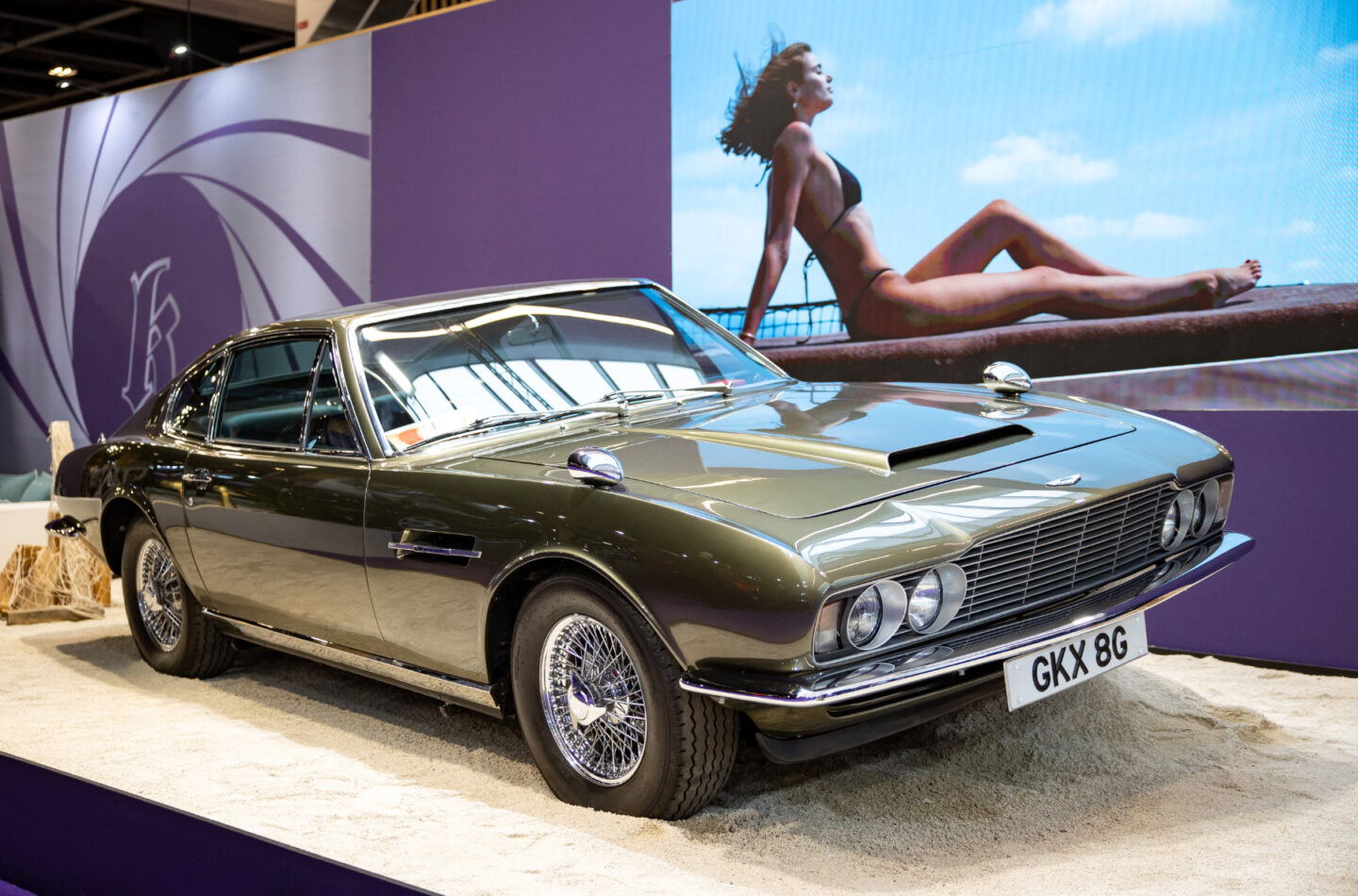
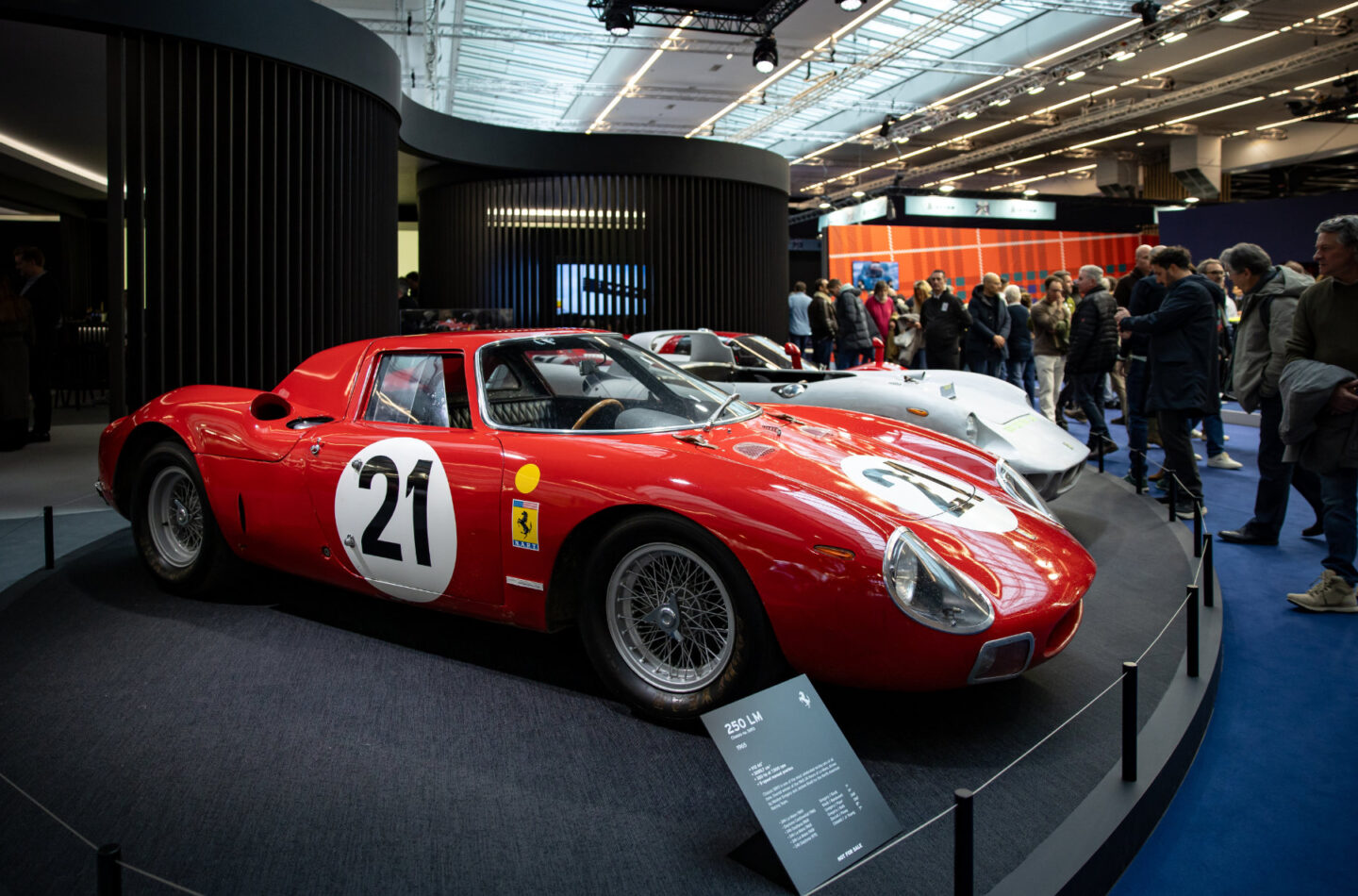
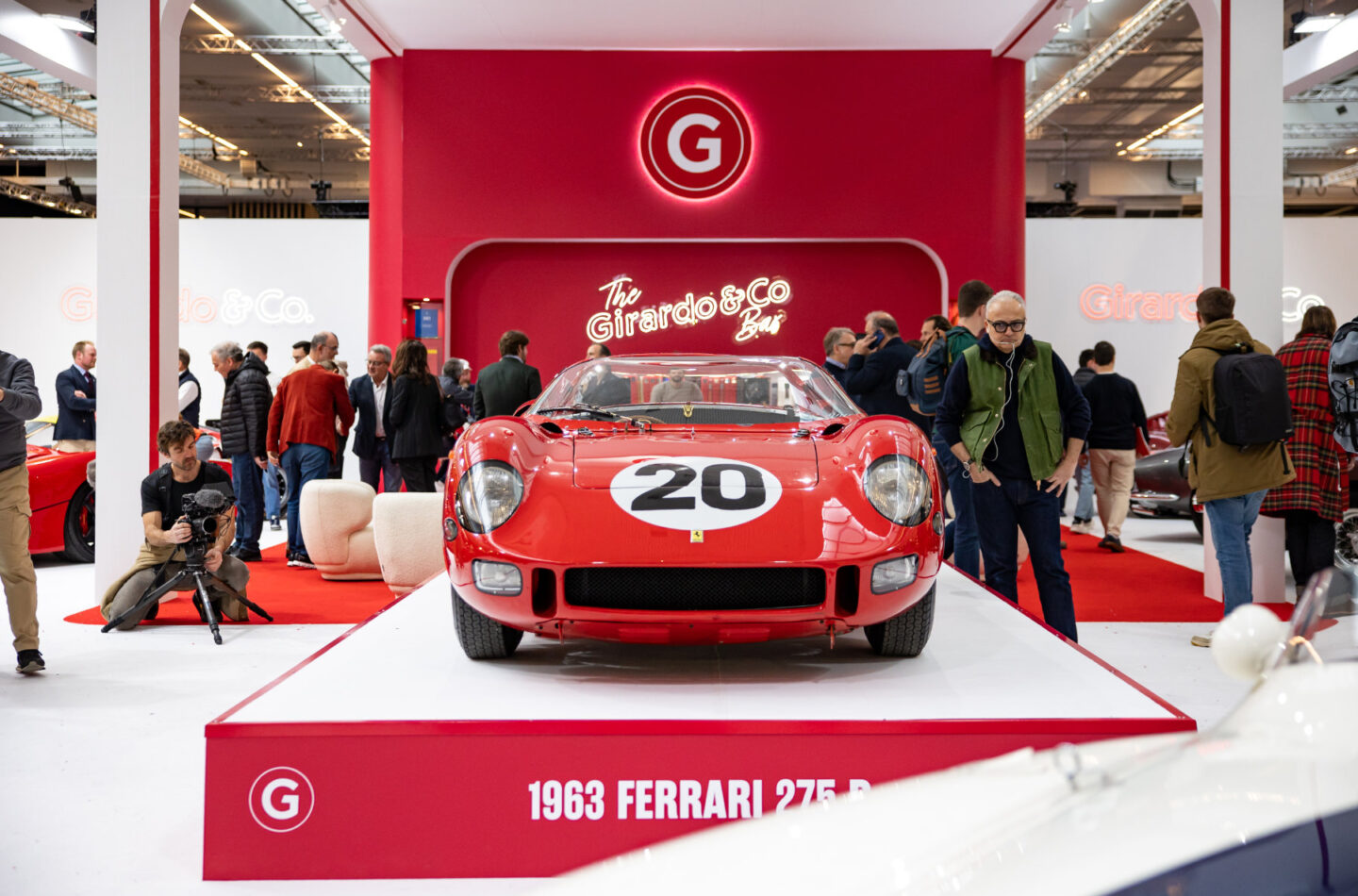
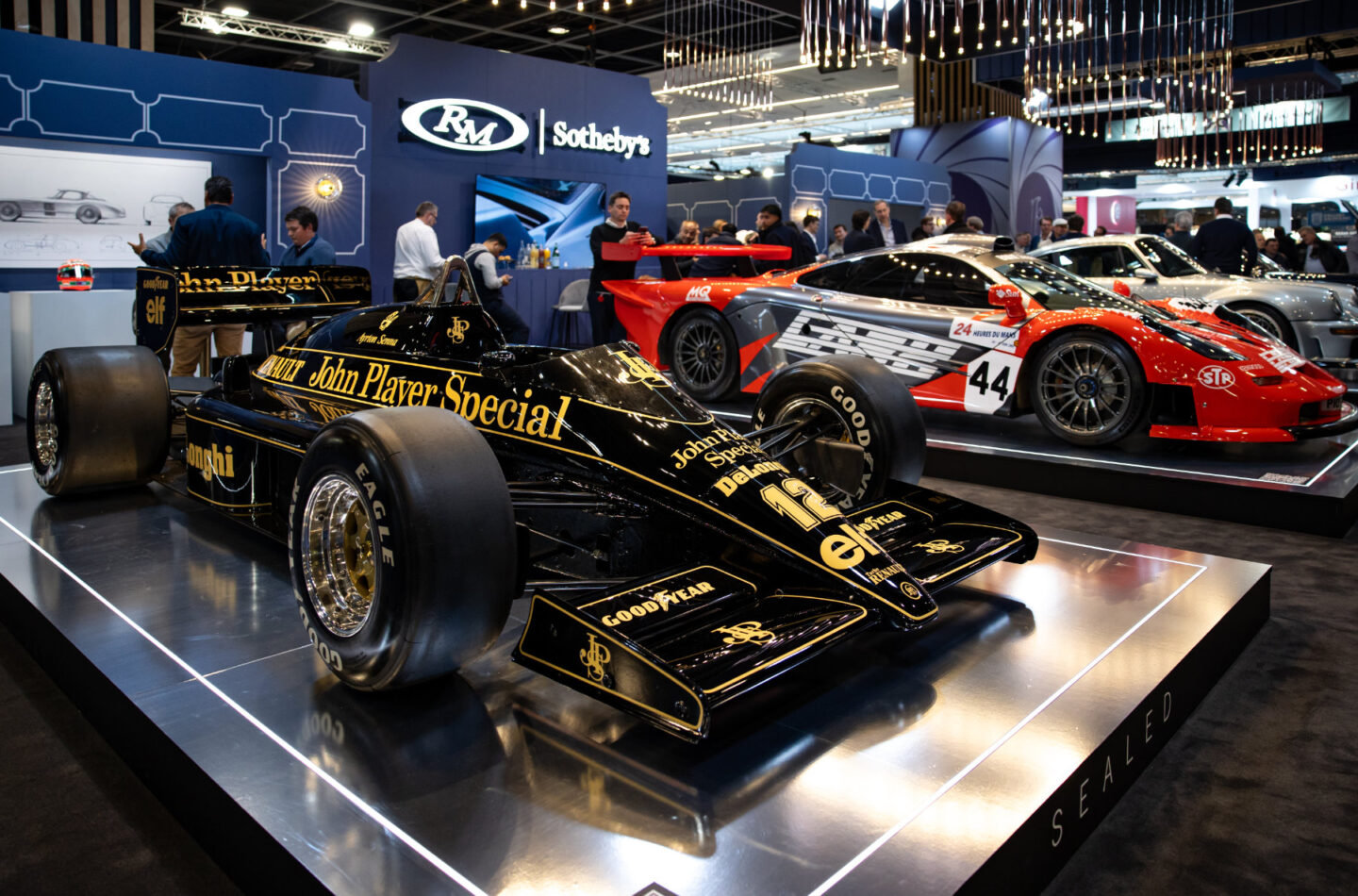
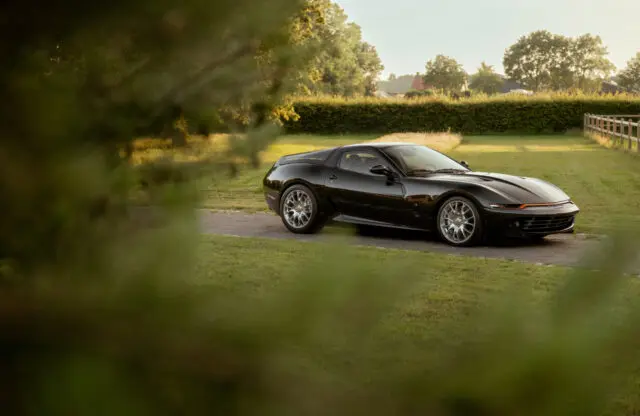
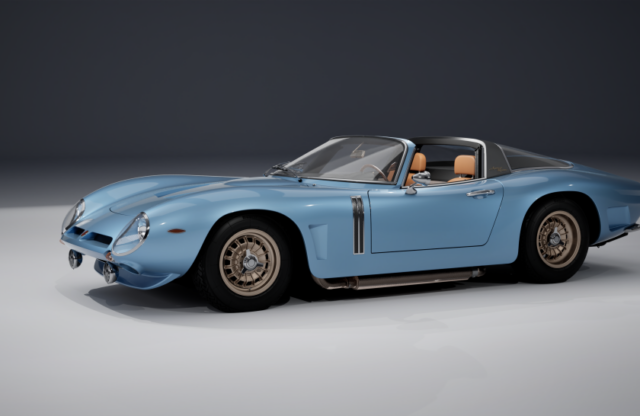
Elsewhere, Hall 4 introduced the Ultimate Supercar Garage, a new concept that could easily have felt like a distraction. Instead, it worked as a contemporary counterpoint, placing modern hypercars and limited-production exotica in dialogue with historic machinery rather than competition with it. Bugatti, Bentley, Aston Martin and Lotus were joined by coachbuilders Touring and Bertone, alongside newer names such as Eccentrica and Automobili Mignatta. Open only from Friday to Sunday, it added breadth without diluting focus.
Beyond the show floor, Paris Classic Car Week once again provided its familiar rhythm of auctions and previews. RM Sotheby’s returned to its Louvre-adjacent setting, drawing large, youthful crowds thanks to France’s open-access viewing rules. Artcurial, now detached from the show itself, staged a smaller but carefully curated Automobile Legends sale at The Peninsula Paris, where atmosphere trumped scale and a garage-find Mercedes-Benz 300 SL Gullwing and Jean Alesi’s Ferrari F1 car anchored the narrative.
Bonhams, displaced from the Grand Palais by Paris Fashion Week, opted for a more discreet but purposeful base at the Polo de Paris. While lacking architectural drama, the location attracted a more concentrated buying audience, aided by dedicated shuttles from the show. Broad Arrow, meanwhile, made its Paris presence felt via an online sale with physical previews at Roland Garros, while Gooding Christie’s assumed the role of official show auction with a confident debut inside Hall 7.
What ultimately set Rétromobile Paris 2026 apart was not any single car or stand, but the sense that every element had been considered in relation to the whole. As Rétromobile reaches its half-century, it appears less concerned with celebrating its past than with defining its future. With plans already in motion for an inaugural New York edition later this year, Paris has set a formidable benchmark – and, for now at least, remains unmatched.
For more info, see retromobile.com