It’s amazing how much difference a single letter can alter the character of a car, and over the past two decades Aston Martin has been cultivating S as its go-to for the peak evolution of its models. You could argue that the original 1970s DBS, or even DB3S racer is where that S suffix originated, but it was really the introduction of the Vanquish S in 2004. Here was a car that elevated the wonderful – if slightly flawed – handbuilt flagship to new heights, driven by customer demands and early criticisms. S has since been applied to several models, including the V8 and V12 Vantage, Rapide and again on the second-generation Vanquish in 2016. More recently it has appeared on the current Vantage. And now it has found its way onto the DBX.
After the DBX was facelifted last year, the 707 actually became the only option for buyers, with the standard entry-level 550 model quietly dropped. Not a surprise, given the fact that 90% of buyers were opting for the more powerful 697bhp 707 model. The facelifted 707 also fixed many of the early DBX’s shortcomings, the biggest being its hugely improved interior and the addition of Apple Car Play Ultra.
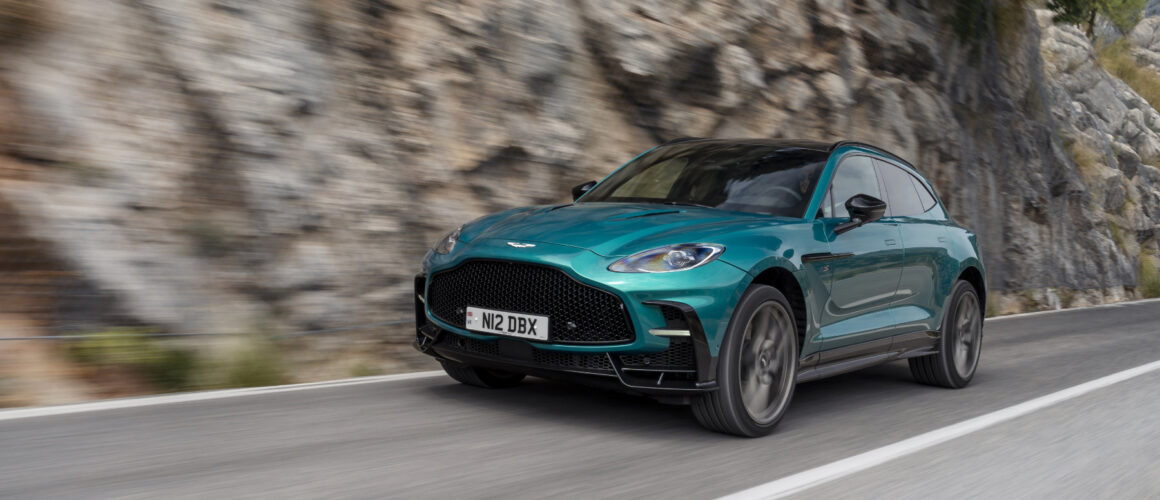
Now the DBX S has now joined the range, sitting above the 707 as the ultimate version of Aston’s SUV. As there wasn’t really much to ‘fix’, Aston has been able to use its energy to further focus the DBX formula. Look under the bonnet and you will find the same 4.0-litre Mercedes-AMG-sourced twin-turbo V8 as the 707, as well as the same nine-speed automatic gearbox with multi-plate wet clutch. Aston Martin’s engineers have managed to liberate an additional 20bhp, utilising what it says is improved turbo technology (including the use of larger turbine wheels) that has been developed for the Valhalla. The torque figure remains unchanged at 664lb ft.
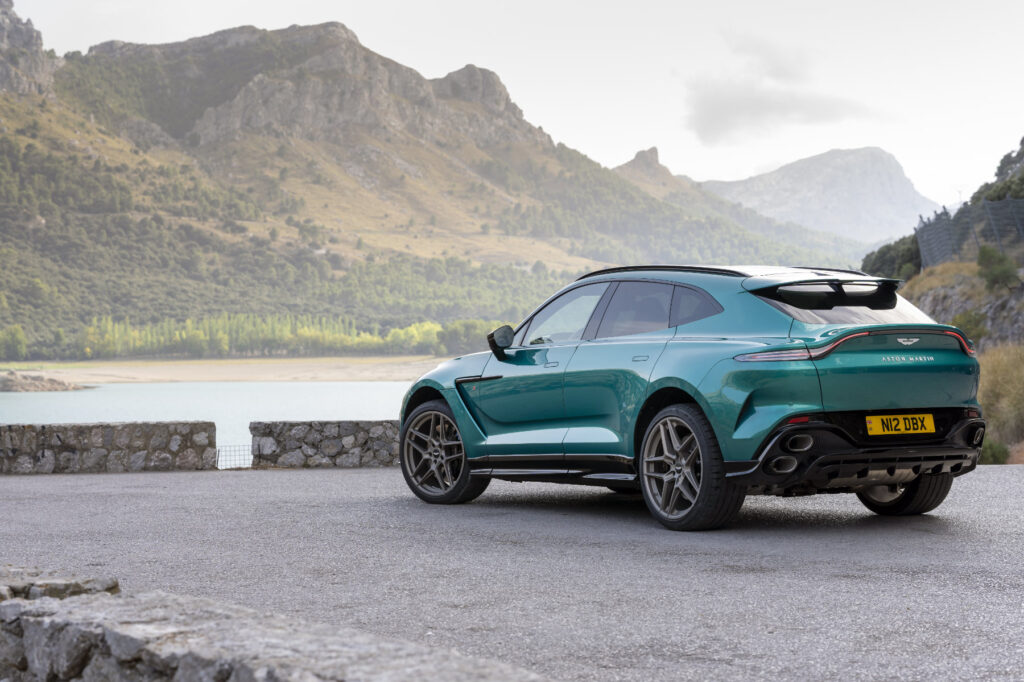
While the extra power is welcomed, perhaps more impressive is the reduction in weight throughout – although this is achieved through lightweight options. These include a carbon roof, which can chop 18kg off the kerbweight, Magnesium 23-inch wheels (a first in this segment) which weigh 19kg less than the standard forged aluminium items. Specifying these wheels also deletes the standard roof rails. Not to mention the lightweight Honeycomb grille. To put this into perspective though, Aston claims that with all the lightweight options ticked, the S weighs in at 2198kg. Hardly a featherweight, but a marked improvement on the standard 2245kg 707.
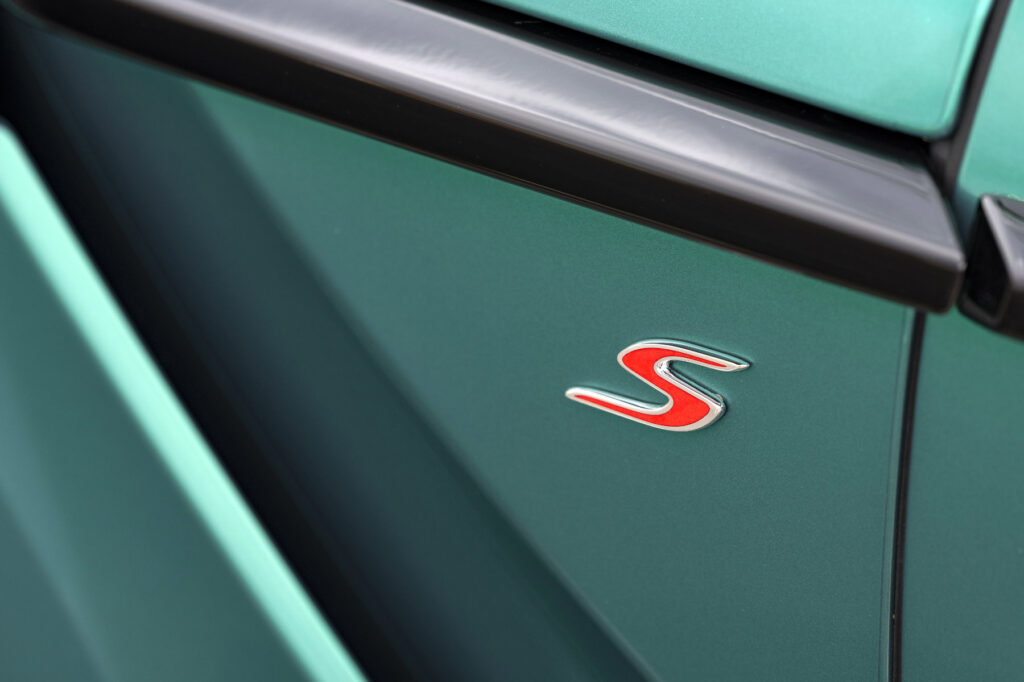
There are visual changes too. Up front the Black vaned grille is new, as is the splitter. There’s a matching side skirt and the biggest difference is the new diffuser at the rear – with the new vertically-stacked quad exhaust tips.
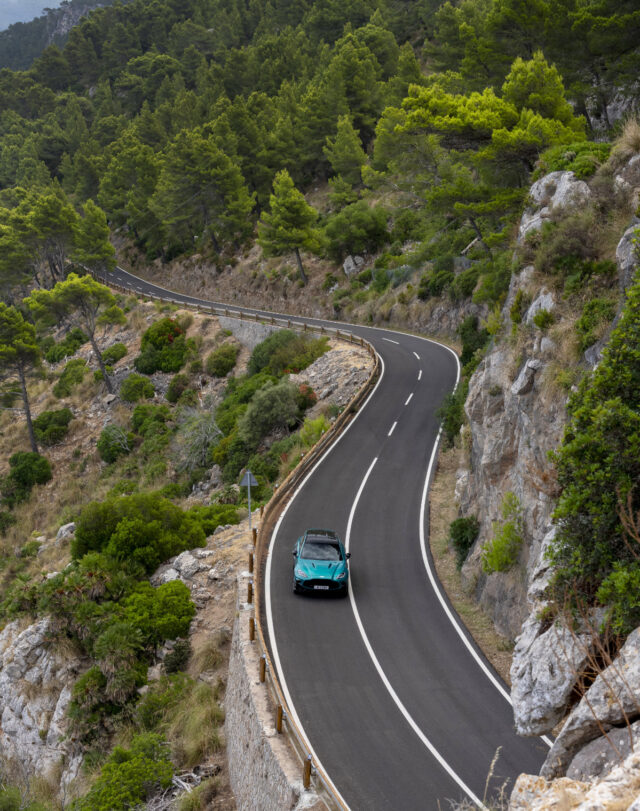
We’ve flown out to Mallaga to get our first taste of the S on the road, and as you might expect, the first part of the drive is spent navigating tight, albeit beautifully surfaced roads. Encountering slightly more than our fair share of cyclists, very slowly-driven crossovers and the occasional overly-wide island bus, the thought of kerbing one of those magnesium wheels is everpresent. Considering the (unconfirmed at time of writing) £5000 option price, I’m glad when the roads finally open up.
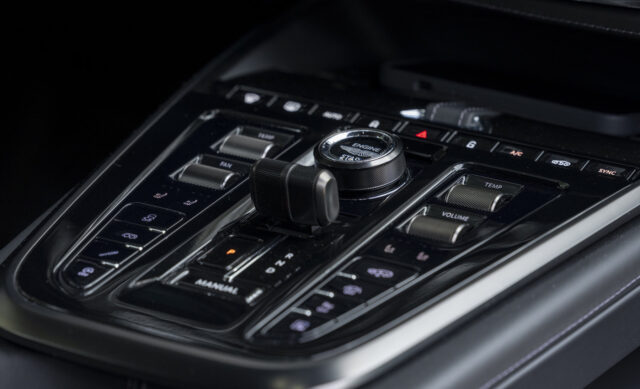
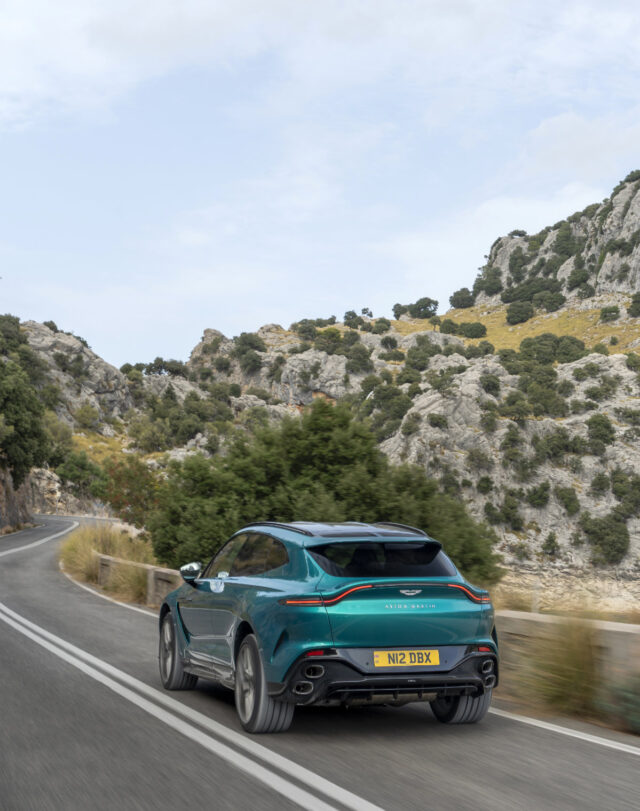
The suspension set-up is effectively unchanged from the 707, which means a combination of adjustable electronic dampers, air springs and an active anti-roll system – allowing no more than 1.5-degrees of body roll. The engineers have huge scope for adjustment between the different modes, however the step up in firmness from GT to Sport and Sport + isn’t overly extreme. On these roads especially, Sport + provides reasonable compromise in most situations, although you can knock the damper into their intermediate setting with the press of a button. This mode also brings with it the best gearbox setting for fun driving. I found that GT was perfect for cruising around town, but the Sport setting never quite did what you were expecting – either changing up too early, or not downshifting quick enough, so I kept reverting to either Sport + or GT. There is an Individual setting, which I suspect would be useful to find the perfect mix of elements.
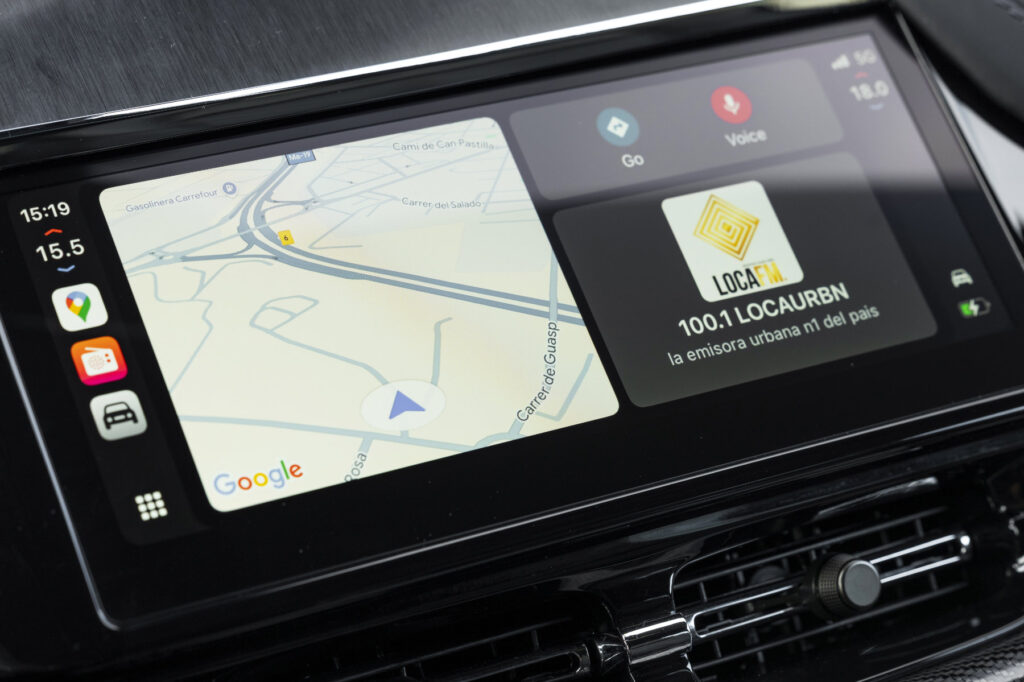
After deviating from the official route, we found ourselves on Coll de Soller, an old mountain pass that has since been superseded by a tunnel, meaning virtually no traffic. The surface is a little more spotty here, but good lord, what a spectacular diversion. A rough count suggested 50 hairpins. The uphill climb gave the V8 a proper chance to breathe, and performance really is staggering – the noise echoing off the mountains once it hits its peak is thunderous. Aston claims that it will do 0-62mph in 3.1sec going on to a 193mph top speed. On these roads, what you really enjoy is the headroom that the V8 seems to enjoy – with the noise and power really building towards (and even beyond) the 6250rpm peak. Out of the tightest hairpins, the traction control keeps things a little too controlled, but flicked into track mode it frees up just enough to feel the benefit of the up to 100% rear torque split in action.
Attacking the series of downhill hairpins in a 2.2-tonne, 717bhp SUV does ask quite a lot of the brakes, but the mighty 420mm front and 390mm rear carbon-ceramic discs don’t bat an eyelid – something the emergence of a couple of loose mountain goats reinforces. There’s a lot going on with the suspension, too, but there’s a reassuring fluidity to the way it handles – and the active anti-roll system does a fantastic job of improving agility and helping to disguise the car’s mass in the faster corners. The S gets a very slightly quicker steering rack, around 4% difference, and it feels pretty much perfectly judged.
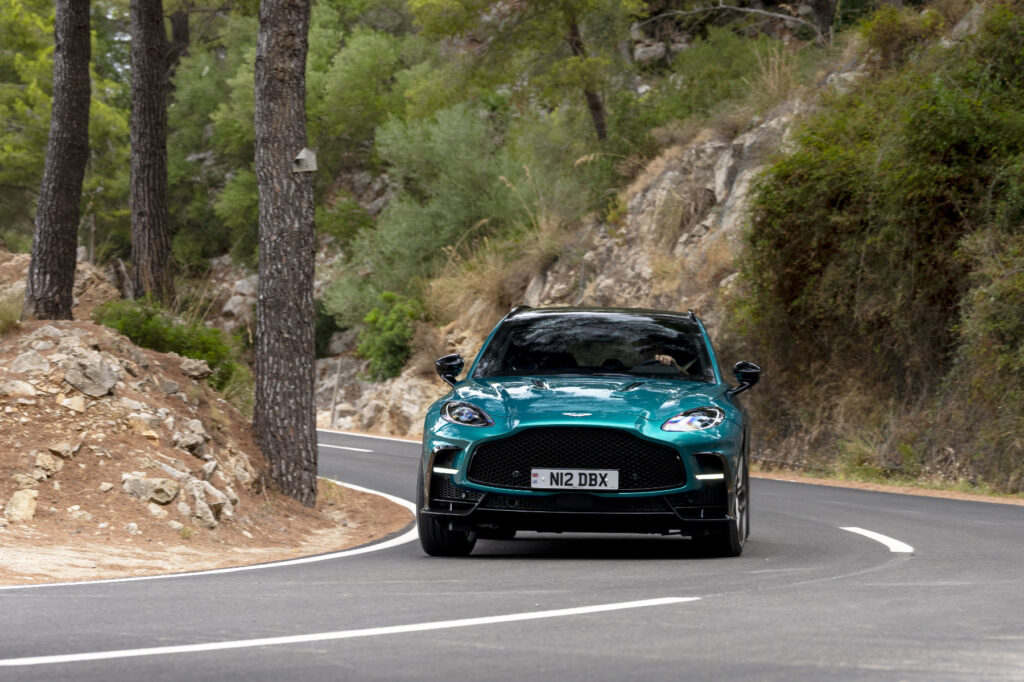
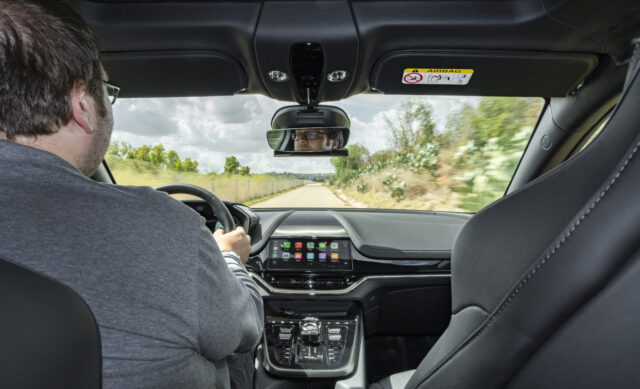
Back at sea-level, and in the real world, sat in traffic, it’s really time to appreciate just how much better the interior of the facelifted DBX is than the launch car’s. Not only does it look and feel a cut above, the integration of Apple Car Play Ultra is an absolute game-changer. There’s a satisfying screens-to-button ratio, and even a relatively easy procedure to switch off the ADAS systems should you wish.
Pricing is expected to start from £210,000, not insubstantial uplift from the 707. The DBX 707 is already a fairly well resolved car, yet Aston is confident that there is still headroom above what is now the base model with the S. Visually, and with all the options ticked, it certainly makes a compelling case for itself.