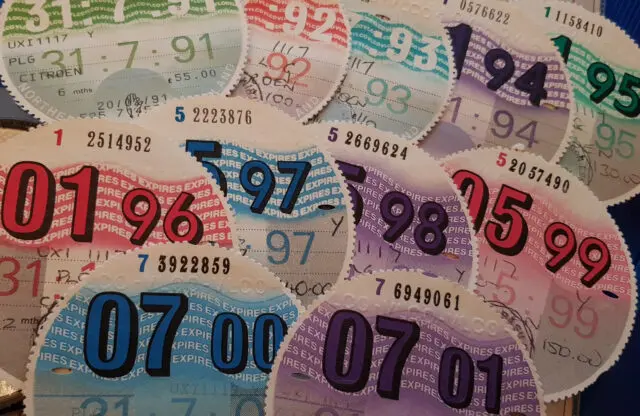
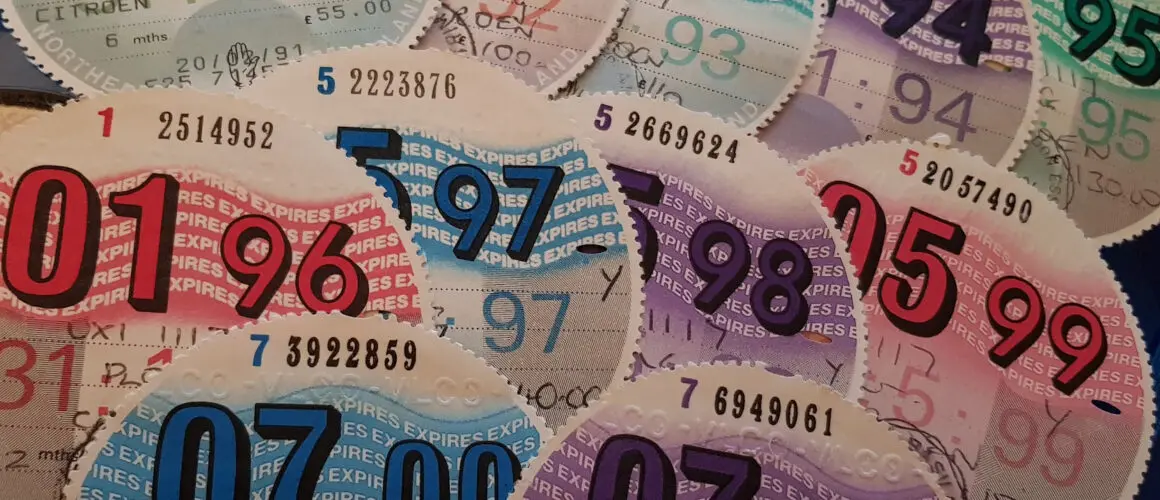
Most of us attempt to turn 40 years old with the minimum of fanfare, but there’s more to shout about when it comes to cars, as in the UK cars of more than 40 years old enjoy a few significant benefits: MOT exemption, exemption from London’s ULEZ, and perhaps more financially beneficial still for most of us, zero-rate Vehicle Excise Duty, or vehicle tax.
While the over-forty exemption isn’t quite as generous as the rolling 25-year programme that existed until 1997, it reduces a fixed cost that would otherwise apply to all classic vehicles, regardless of how infrequently they’re driven – and one that really adds up if you have more than one vehicle in your garage.
History of VED exemption in the UK
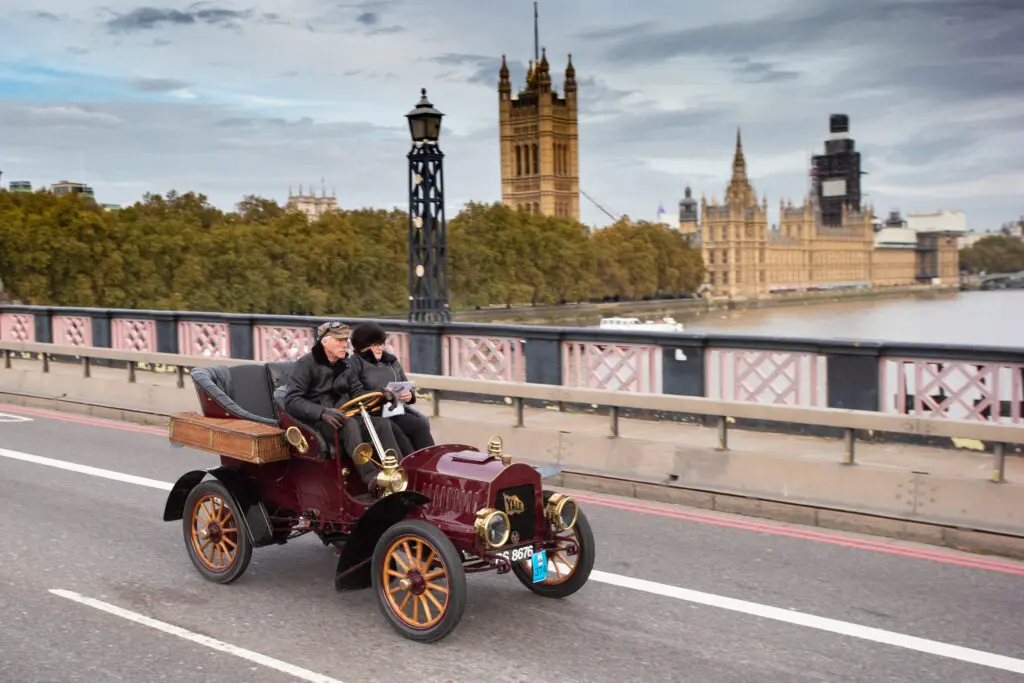
Despite the popular colloquialism ‘road tax’, VED hasn’t been used to directly fund the roads since 1937, instead serving as a general taxation whose proceeds supply the public purse for any purpose the government sees fit (which does still include transportation infrastructure). It’s changed over time from being a fixed rate, to a graduated system based on CO2 emissions, a system that’s still in place today.
Until 1997 however, vehicles of over 25 years old were exempt from vehicle tax, as a concession to their age, and the fact these vehicles were likely to be limited-use, and with relatively few on the road compared to new vehicles, their contribution to the public purse wouldn’t be greatly missed.
In 1997 the rolling exemption was dropped, and the limit for tax exemption froze on the 1st January 1973 – meaning only cars built in 1972 and earlier were exempt. The freeze only thawed in 2015, when the rolling exemption was reinstated, albeit now at 40 years old. There are no plans to drop the exemption back down to 25 years, despite the occasional petition from classic car owners popping up on the government website.
How historic vehicle VED exemption works
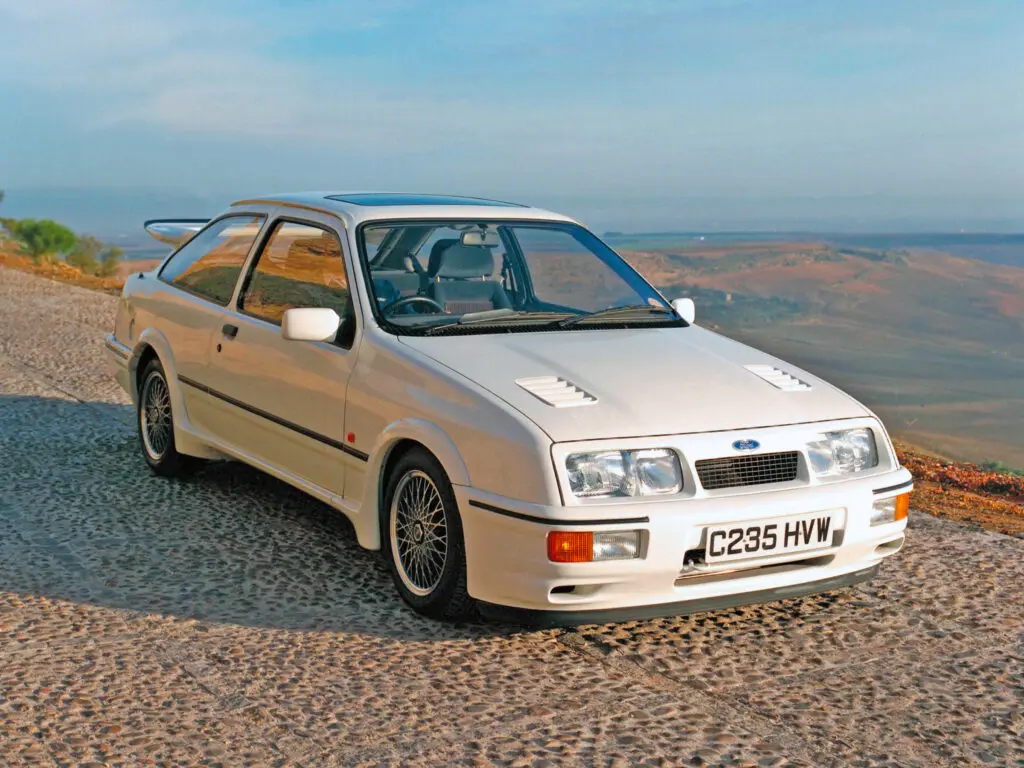
It’s popularly assumed that once a vehicle hits its 40th birthday then it becomes eligible for VED exemption, but that’s not quite the case.
For a start, exemption only applies from (approximately) the new tax year, on April 1st of a given year, and then only to vehicles built prior the 1st January, forty years ago. In other words, vehicles achieving VED exemption in 2026 need to have been built on the 31st December 1985 or earlier, and if you have a car built at any time in 1986, it won’t qualify for exemption until April 1st, 2027.
It’s more of a rolling 41-year exemption then to most intents and purposes, but ultimately it saves classic car owners a few bob, given all pre-2001 vehicles currently attract tax based on a simple but not inexpensive two-tier system: cars with engines not over 1549cc are taxed at £230 a year, while those over 1549cc cost £375.
Which vehicles are exempt?

Pinning down a precise figure is tricky as despite the 40-year metric, there seems to be no strict definition of what constitutes an exempt vehicle, but the estimate is between 300,000 and 400,000 exempt vehicles, of more than 42 million licenced vehicles in total, putting the classic car parc at between 0.7 and just under 1 per cent of all vehicles in the UK.
The overall number of exempt vehicles is steadily rising – a result of newer vehicles having typically been sold in greater numbers to begin with, and lasting longer than older ones too – though their percentage of overall registrations is rising less slowly, since the number of vehicles in the UK in total is increasing too, for the same reasons.
As for the kind of vehicles newly achieving VED exemption status in 2026, the class of 1985 included such cars as the E28 BMW M5, Renault 5 GT Turbo, Ferrari 328, Porsche 944 Turbo, Alfa Romeo 75, and the second-generation Mazda RX-7. Provided it was registered prior to January 1st, 1986, then it enjoys free tax in 2026.
Applying for VED exemption
VED exemption isn’t a passive process, unfortunately. Kick your feet up as your car passes the 40-year mark and you’ll get a rude surprise when the tax bill comes through. You’ll need to gather your V5C, a V11 vehicle tax reminder letter (if you have one), and evidence of a current MoT (or a notification of MoT exemption – a V112 form – which is another process you have to actively go through for vehicles over 40). You can then go to a Post Office (there’s no way to do this online, as yet) and apply for the tax exemption. Eventually, you’ll receive an updated V5C through the post confirming the car is no longer liable for VED.
Because everyone with a historic vehicle needs to go through this process, it’s worth checking when you’re buying a vehicle that’s more than 40 years old that the previous owner has done it too, to ensure you’ll not be liable for tax when you buy it.