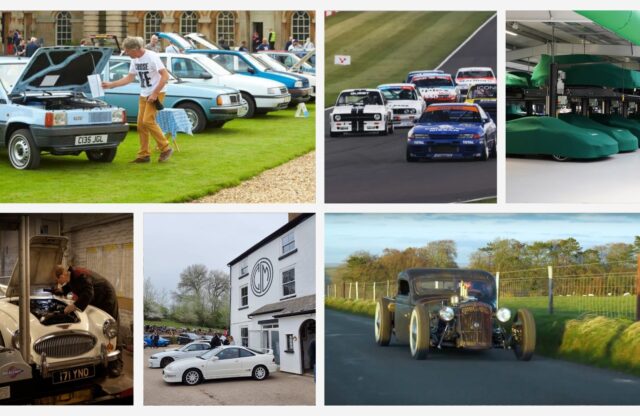
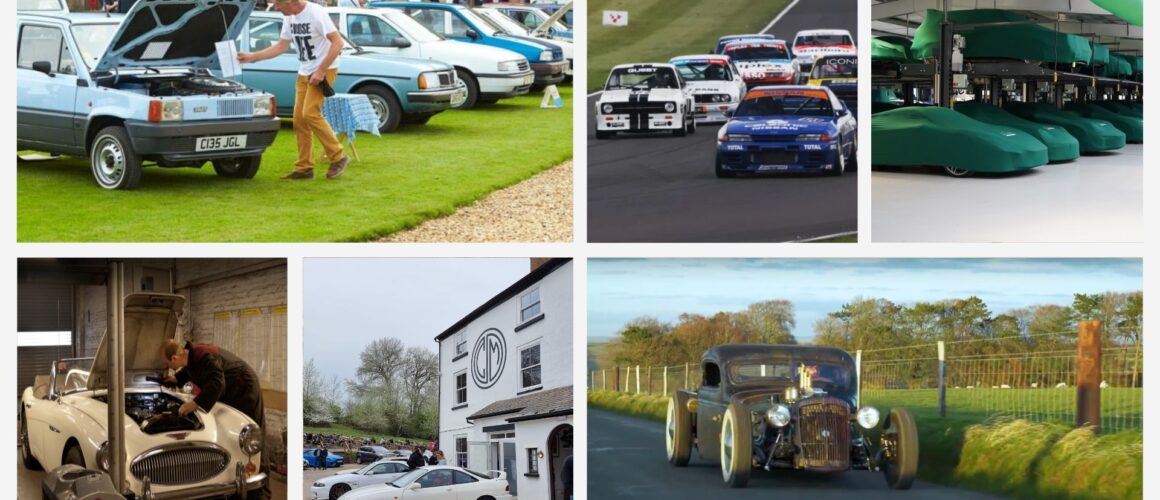
Octane has always celebrated the full, 140-year story of the automotive world, from pre-war thoroughbreds to modern classics still warm from the factory floor – you need look no further than our ’25 cars that changed the world’ story in issue 272. But, as a lifelong enthusiast, one who has visited or taken part in many of the world’s biggest classic car events, from Goodwood to Pebble Beach via Le Mans Classic and the Mille Miglia, I reckon cars are only half the story. The other half is the people: the great designers, the great engineers, the great racing drivers, the bosses, the strategists – and the owners. Which got me thinking. Which category of enthusiast do I fall into? I reckon there are ten main tribes, and I’ll have a stab at defining them here.
The preservationist
For this person originality is sacred. Patina is not neglect but narrative: the thin steering wheel polished by decades of hands, the slightly dulled switchgear exactly as the factory intended. This enthusiast speaks fluently in chassis numbers and build sheets, and can spot a non-period hose clip from 20 paces. Their garage smells faintly of waxed leather and old paper, and their greatest satisfaction lies in knowing that they are merely a custodian, holding the car in trust for the next generation. I reckon we all know somebody like this.
The driver
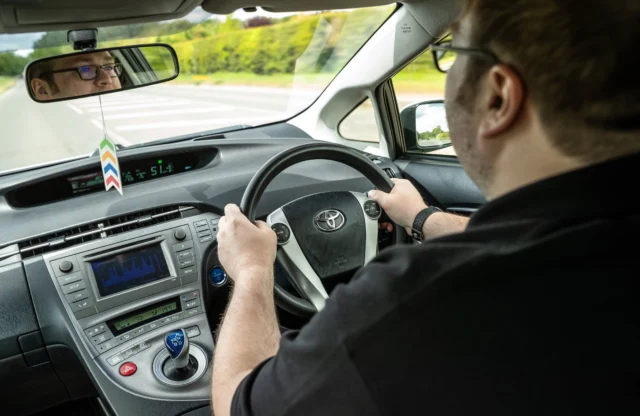
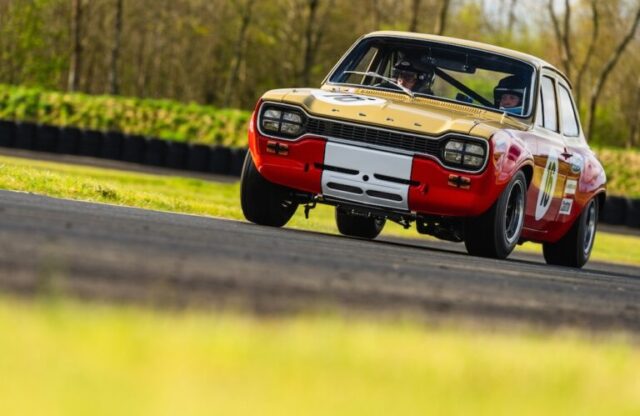
At the opposite end of the spectrum sits the driver, who believes a classic car at rest is a tragedy. Mileage is a badge of honour, stone chips are memories, and mechanical sympathy matters more than concours points. The driver plans weekends around weather forecasts and empty roads, rising before dawn for Alpine passes or Welsh B-roads. Their cars are meticulously maintained but unapologetically used, often upgraded discreetly to make them better companions for long, fast days behind the wheel.
The perfectionist
This is the enthusiast who treats originality as a moral code – yet wants their car like new. Paint finishes are matched to factory records, fasteners are replated exactly as specified, and trim materials are discussed with the seriousness of an archaeological dig. The perfectionist restorer is not interested in shortcuts or modern upgrades unless they were available in period. The joy comes not from driving – at least not primarily – but from getting it right. When finished, the car is less a vehicle than a rolling time capsule, capable of reducing concours judges to misty-eyed silence. Ownership is custodianship; the car merely passes through their hands on its journey through history.
The engineer
Where others see a classic car, the engineer sees a system. They delight in understanding how things work – and how they might work better. This enthusiast is happiest with the engine apart on the bench, micrometer in hand. Period correctness is secondary to mechanical elegance. Upgrades are chosen thoughtfully, often invisible, always justified. The engineer respects originality but is not bound by it, believing the original designers would have improved things too, had time and budgets allowed. Their satisfaction comes from solving problems, not polishing trophies.
The historian
The historian’s car is a portal to a specific moment in time. Racing provenance, period photographs and handwritten notes from previous owners are as important as horsepower figures. This enthusiast can tell you who drove the car at Sebring in 1962, what tyres it wore, and why that matters. They are drawn to cars with stories – Le Mans veterans, forgotten prototypes, works entries – and delight in sharing that knowledge with anyone willing to listen.
The socialite
For these people, classic cars are a passport to events, tours, rallies and early-morning meets, where friendships are forged over bacon rolls and carburettor debates. The car matters, but so does the community around it. The socialite might own several different classics over time, less focused on the exact model than on the experiences it enables. Stories are as important as specifications, and the best journeys are shared.
The romantic
The romantic fell in love long before ownership. Perhaps it was a poster on a childhood bedroom wall, or a car seen idling somewhere on a summer evening. Logic plays little part here. The romantic accepts quirks, foibles and financial irrationality as part of the experience. They forgive temperamental starting, leaky roofs and vague electrics because the car makes them feel something. Driving is unhurried, the soundtrack more important than the destination.
The modifier
Blending reverence with rebellion, the modifier sees the past as a starting point rather than a destination. These enthusiasts admire classic design but refuse to accept classic compromises – but it might go further than brakes that work or cooling systems that do exactly that at all times. Fuel injection replaces carburettors, LED lights hide behind fluted lenses, uprated suspension transforms handling and ride. Restomodders might go even further, and the results – while controversial to some – are often astonishingly cohesive: cars that look right, feel right, and function superbly in the modern world.
The collector
In this case classic cars form a curated whole. Each acquisition fills a gap in a narrative: a marque history, a design era, a motorsport lineage, or maybe that ten-car garage, in which each car must serve a purpose or represent a type without replicating that of another. Cars are often exceptional and beautifully presented, though not always driven extensively. The collector tends to think in decades rather than weekends, and understands the market as well as the machinery. This is not mere asset management but there is an undeniable sense of stewardship over a portfolio of rolling significance.
The speculator
Here comes the asset management, yet this category is undeniably influential. This enthusiast views classic cars as movable assets, guided by market trends perhaps more than mechanical passion. Perhaps the car world owes them a little for their investment: these are often people who understand quality, rarity and significance, and their investments help preserve important cars that would otherwise be lost. When taste and timing align, they can be instrumental in shaping which models are celebrated – and saved – for the future.
In reality, I guess, most enthusiasts are a blend of these types – a bit like watching The Inbetweeners on telly and working out which one you were. Me? Somewhere between the driver and the preservationist, with a touch of the perfectionist if and when funds allow. How about you? We’d love to hear from you; feel free to email me on [email protected].