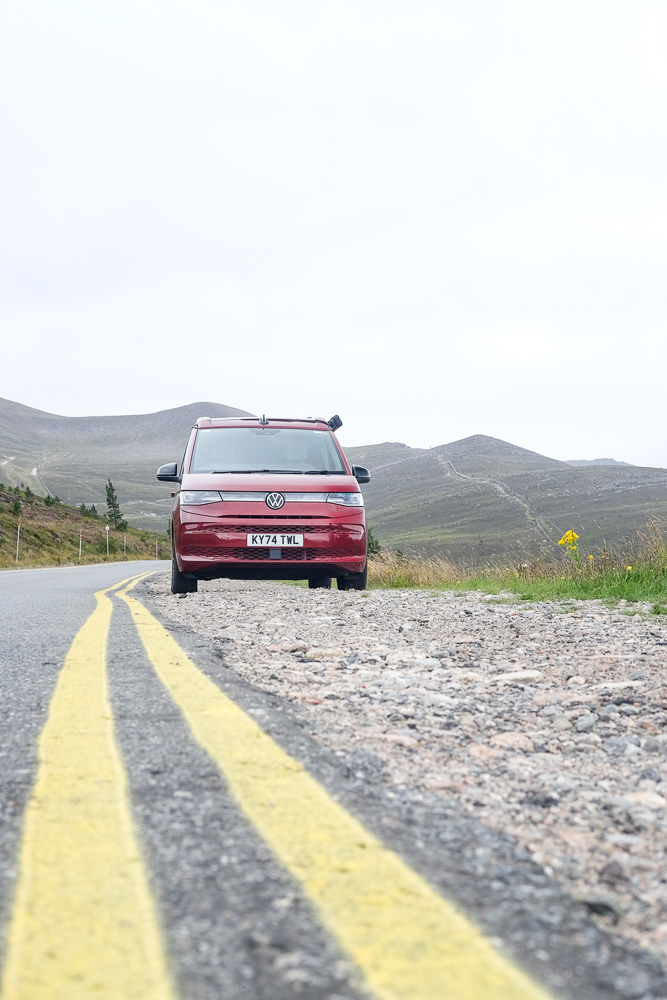
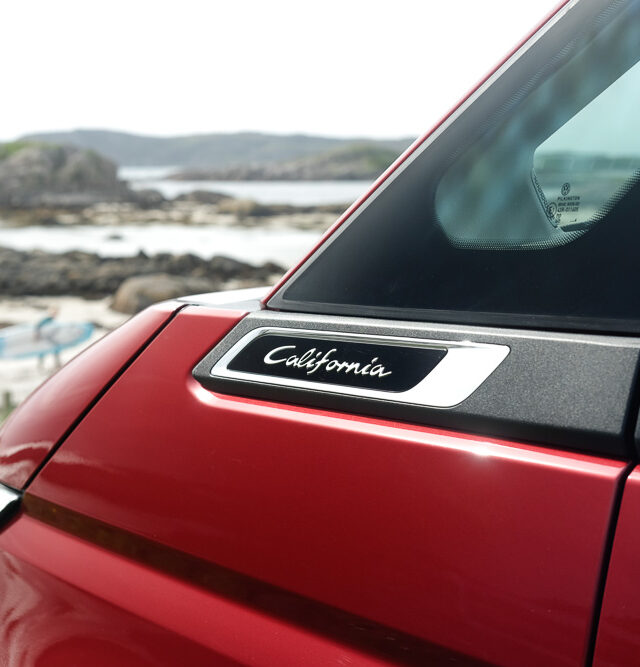
Whoever coined the phrase ‘don’t mix business with pleasure’ certainly wasn’t offered the use of a VW California Ocean for the week. Handily, that’s not a mantra I live by, and I was quick to point out to the Octane chaps that my bucket-list plan to roam around Scotland – home of wild camping and stunning scenery – qualified me best. Therefore, I should take one for the team.
And so, with family on board, our rough plan soon becomes reality.
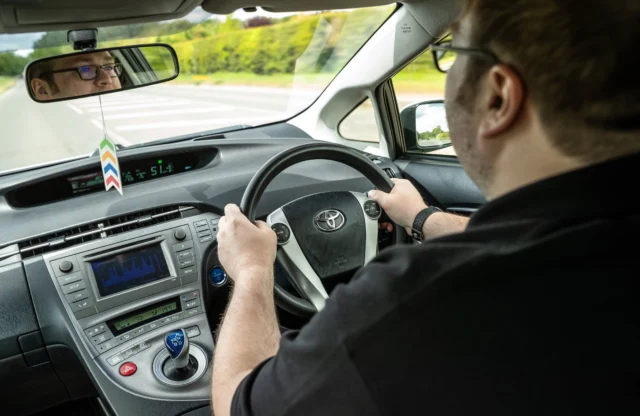
An early start and the long slog from Northamptonshire gives me time to familiarise myself with the camper. I’m eminently aware that Octane regulars are more used to reading about long drives in cars tuned for the hairpins, twists and turns, a bit of heel ’n’ toeing and getting that rear end out – but who doesn’t also love an elevated driving position, fingertip-light steering and creature comforts?
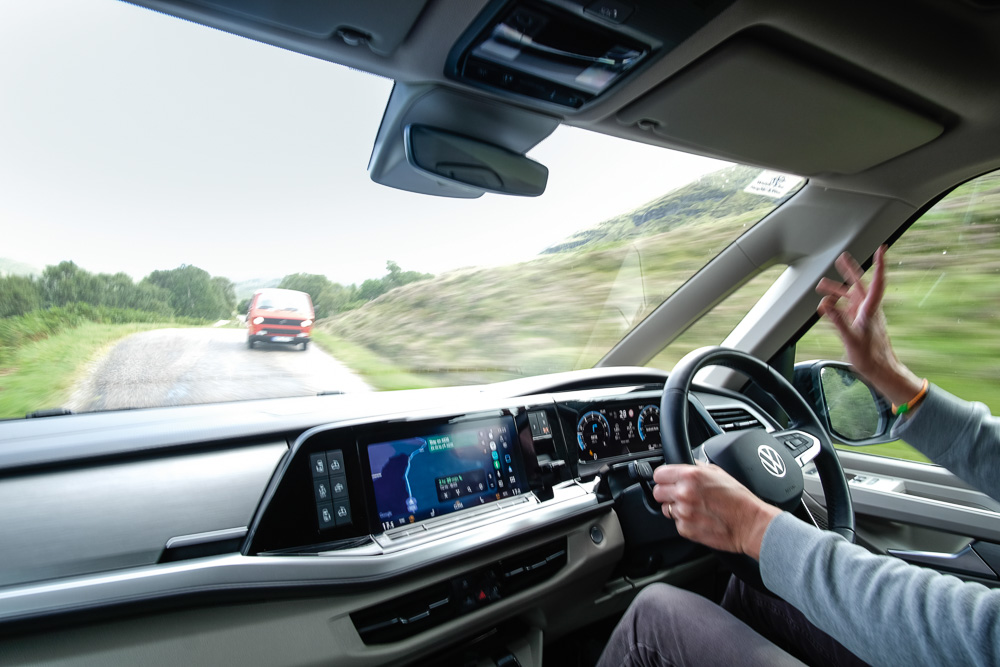
Still, nobody buys a camper just for those; it’s about the holistic experience offered by a van with windows that sleeps four. In this range-topping Ocean trim there is a 201bhp 2.0-litre turbocharged petrol engine twinned with a seven-speed DSG transmission, for a 0-60mph sprint in 10sec. So it’s punchy for a vehicle weighing around 2500kg, but there’s also a calmness about it: relaxed yet hasty if needed, comfortable, quiet, smooth gearchanges, confident brakes. There are, of course, various assistants and sensors; my favourite for this near-400-mile schlep is the adaptive cruise control, which takes care of things for most of the way to our first overnight stop in The Trossachs.
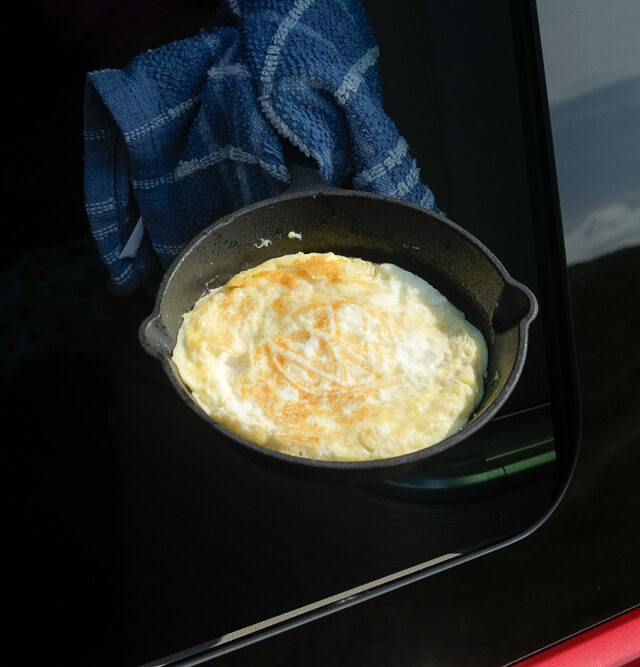
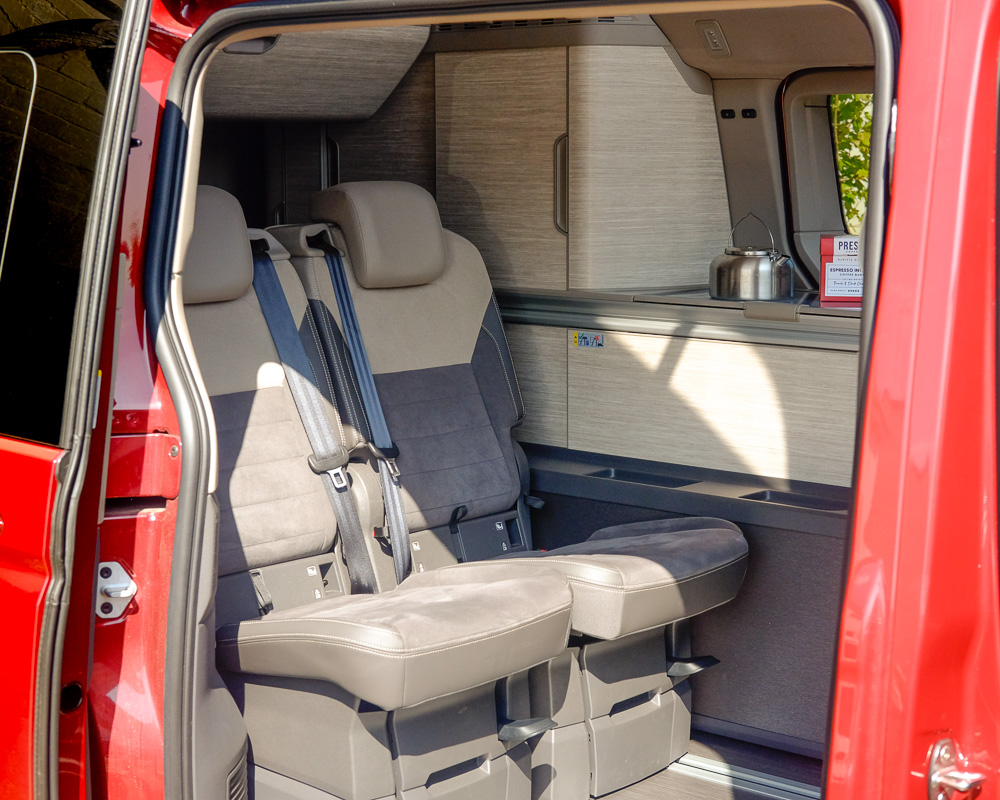
The joy of the camper is that it immerses you in your surroundings: widescreen viewing of the best that nature can offer through the windscreen as you drive; stop and your lounge is under the awning, furnished with cleverly stowed table and chairs that slide into the boot and below the bed. The kitchen sink is in the rear with a fridge and gas stove; the pop-up roof is the second bedroom, with windows on three sides, so you never wake up and forget where you are.
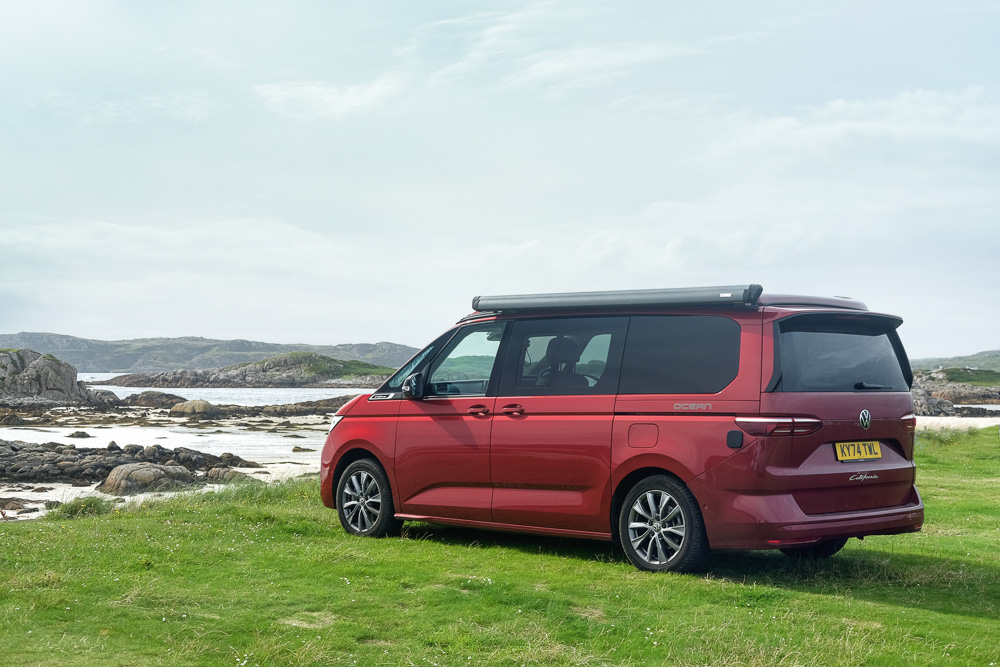
Transforming the van into night mode means sliding the rear seats forward, lying them back as far as they go, and unfolding the mattress, which is like a parcel shelf when not needed. It’s quite easy, but you need to shift your luggage about to create space. A quick get-away is never really an option, either, but it’s all in keeping with the relaxed vibe and no-rush attitude. Holiday mode.
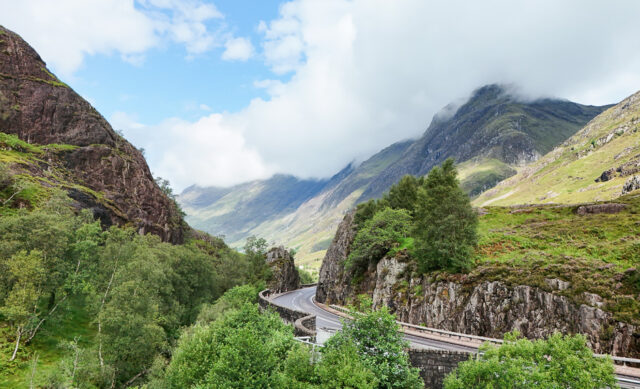
Road speeds are a little lower over the border, where single-track roads with passing bays are the norm, engendering friendly ‘thank you’ waves between fellow campers and locals. We rarely venture much beyond 40mph and enjoy the relaxed pace as we meander through ever-changing scenery with an approximate route in mind: The Trossachs, then the Isle of Mull, Glencoe, Highlands and the Cairngorms, with the freedom to alter our plans as we fancy.
Sold-out ferry routes, loch-taxi technical issues and long detours can’t keep us from Mull, although Storm Floris is on the way as we head west to our beachside location, and we’re advised to park a few rows back from the seafront with tail to the wind, given the roof’s wedge shape.
Biblical rain wakes me at 2.30am as hefty wind gusts rock the van, and my thoughts turn to the pop-up roof. Frantic online searching suggests it can handle anything that’s thrown at it, as long as you can sleep with the noise of flapping canvas. After too much time awake, I close it in favour of the insulated van and bed below, much to the delight of my wife and daughter.
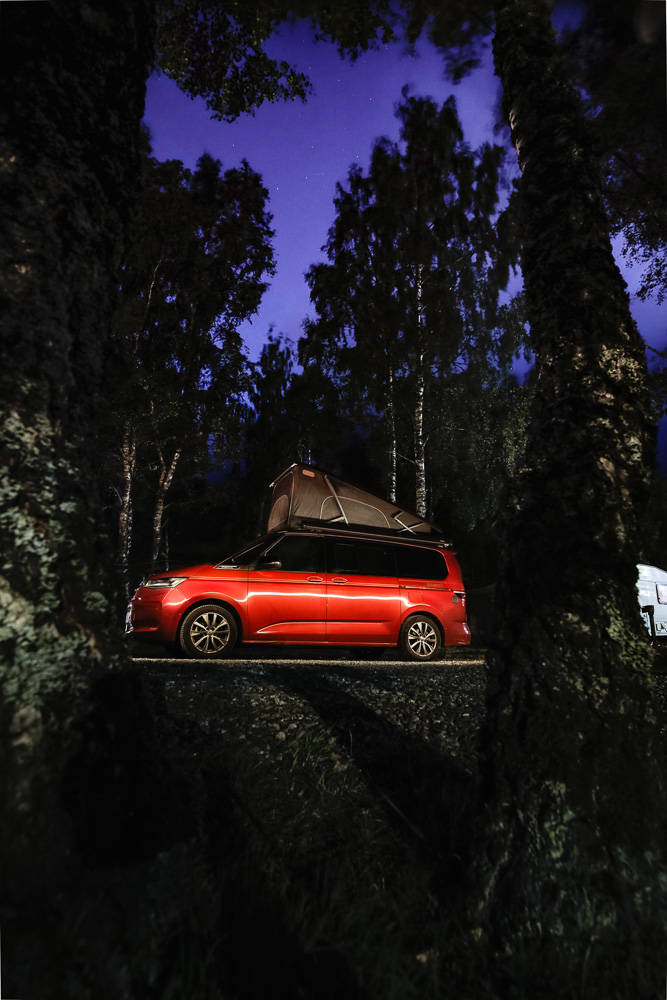
We survive the onslaught and push inland the next morning. The camper is compact enough that small towns are no problem, yet it’s big enough to be comfortable when, after losing a day to the winds, we pull up unplanned and spend the night in a nature reserve.
Sensors allow you to see if you’re on level ground and help live adjustments with wheel chocks, while a second battery runs the interior lights, sink pump and fridge, which can all be monitored and operated via an inbuilt touch panel or an app that syncs to the van. It recharges with the engine on or when you plug in at a campsite. Scotland’s relaxed camping rules and well-distributed public toilet blocks encourage this way to explore; views of stags roaming in the hills make it an unforgettable evening.
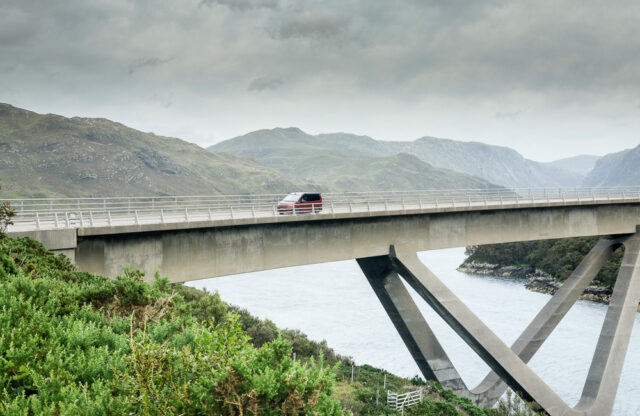
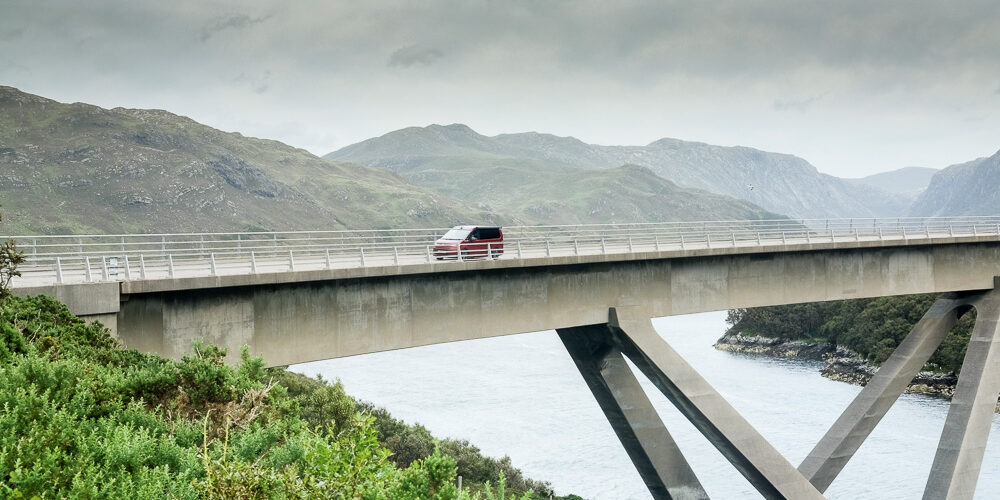
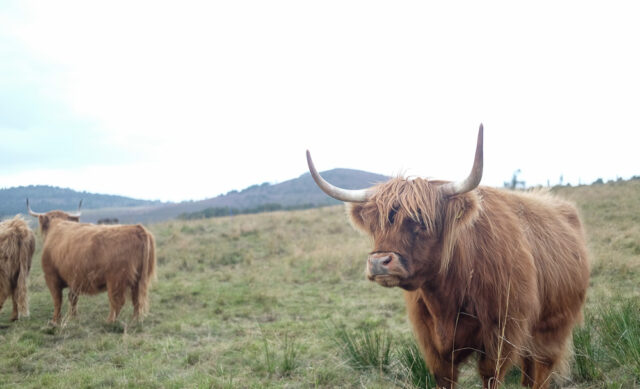
We carry on up to Durness, dipping onto sections of the NC500 route, stopping at waterfalls and viewpoints, camping by beaches that would shame the Caribbean, eating fresh seafood at a five-star roadside bothy, seeing wild otters and Highland cows, crossing the glorious Kylesku bridge, and driving to the top of barren hills that will become ski resorts in a few short months. We share the route with Porsches, Ferraris, a Morgan, even an E-type, all enjoying this wild end of The British Isles, but I would question whether they really experienced Scotland, or just those few miles of tarmac. Owning a camper is not a replacement for a classic but a whole different experience; admission is steep at £80,000 but what it offers in return is priceless.
The drive home takes more than ten hours, our peaceful bubble bursting as we rejoin the motorway, the hills giving way to flat farmland and delivery depots, yet the camper stays on form. We swap seats to have a rest when the camper can’t, and it keeps on going to average an impressive 32.5mpg over 500 miles. It’s been quite the adventure.