It’s truly the end of an era. After 12million built and sold in a career that spanned 27 years, the last Ford Focus has left the production line. It follows the even more long-lived Fiesta, which was retired in 2023, after a decision announced in 2022.
What might be surprising to many is that Ford has lost almost half its European market share over the last decade. It would be easy to blame that on the loss of its two biggest volume models, but the truth is that buyers’ tastes have changed. You need look no further for proof of that than Volkswagen, whose Golf is no longer the bread-winner, having made way for the Tiguan, an SUV that is consistently its best-seller these days.
And yes, Ford has been building a similar car in the shape of the Kuga for a couple of generations now.
However, the entire landscape of the market has changed. Ford has dropped from being the second-biggest brand in Europe in 2015 to 12th last year while making the transition to being a builder of EVs. It seems that new blood in that game – mainly from China – has weakened Ford’s grip, and that’s something Ford of Europe is keen to address under its new boss, Jim Baumbick.
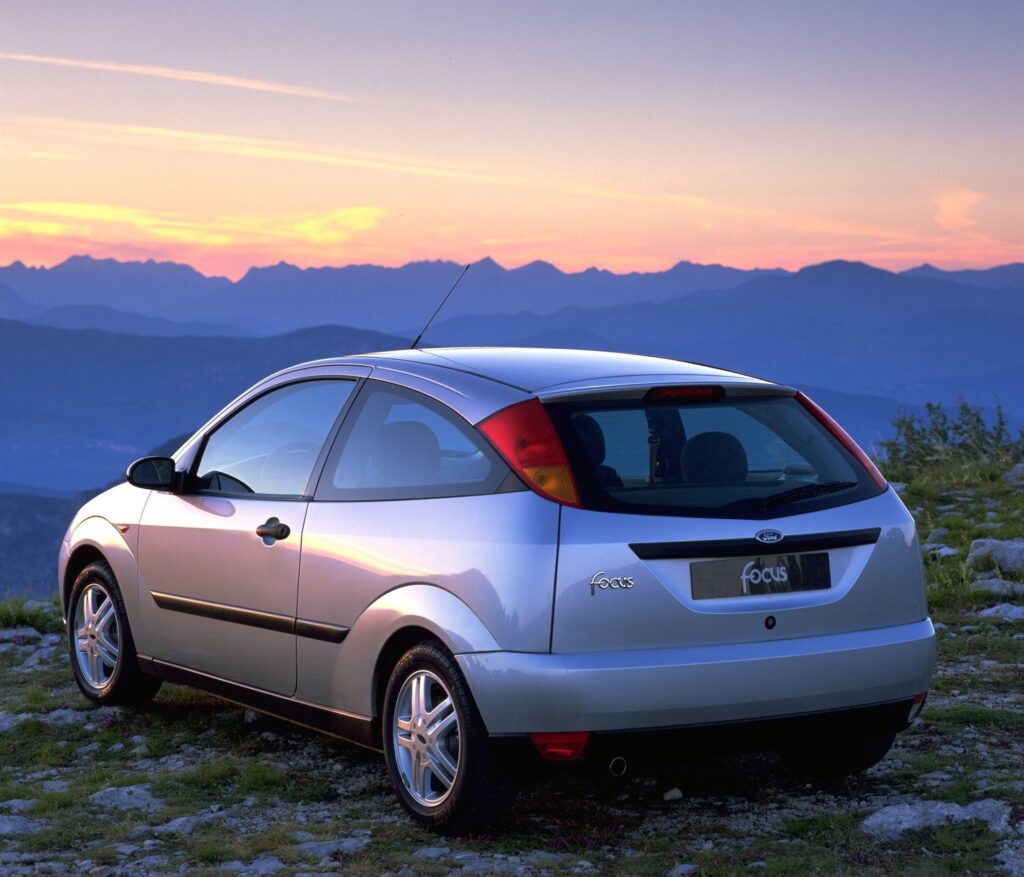
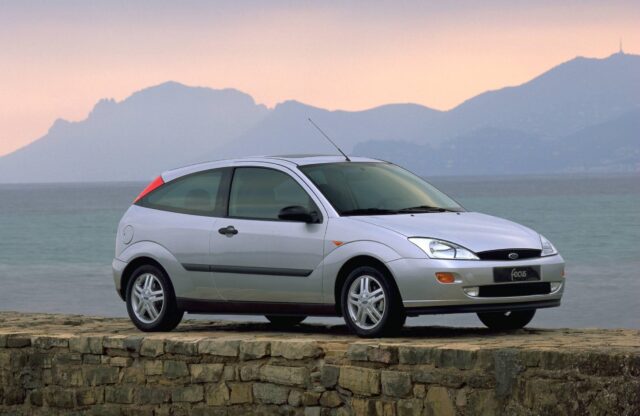
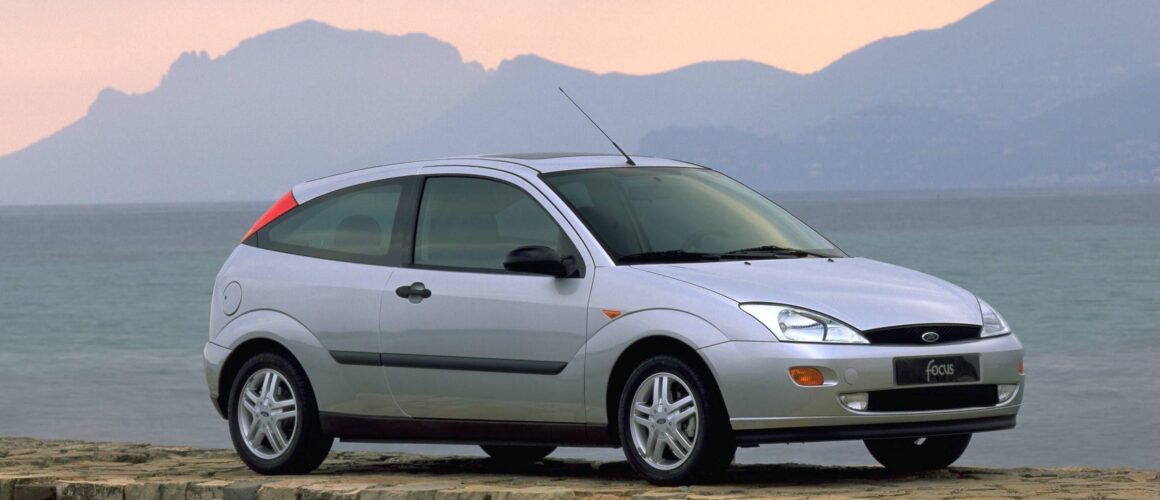
What are we missing? The original Focus was like a bolt from the Blue Oval (sorry) when it hit the ground in 1998, revolutionary (especially for Ford) in being driver-focused after years of the lacklustre Escort, a car so meanly furnished and dynamically shoddy it seemed to hold its buyers in contempt. Suddenly here was a compact family hatch that steered, and it came wrapped in one of the most novel body-shapes that had ever been unleashed on family and fleet car buyers. Its engines rewarded those keen on prodding the throttle, gearshifts were clean and quick, and the novel ‘control-blade’ rear suspension endowed it with unusual agility and poise. We can thank engineer Richard Parry-Jones for all that, a man who took videos of the facial expressions of drivers during customer clinics and went for the chassis tune that garnered the most grins.
His mantra was that it cost no more to build a fine-handling car than a dull one, and we all know that Ford liked to put production costs first. That led to a market polarisation: the plush and posh yet unexciting Golf Mk4 at one end, and the scintillating Focus with its lava-like plastics and boisterous motorway demeanour at the other.
But it worked: room for five and a decent boot in a car that made its driver take the long route home. The press loved it too, not only in print but in practice. At one point, when I was working at a different magazine (mostly about new cars), seven members of staff had one in the family. I was among them and we were on our second, a privately bought late-model 1.8 Edge that followed a warmish ST170 my wife had run as a company car.
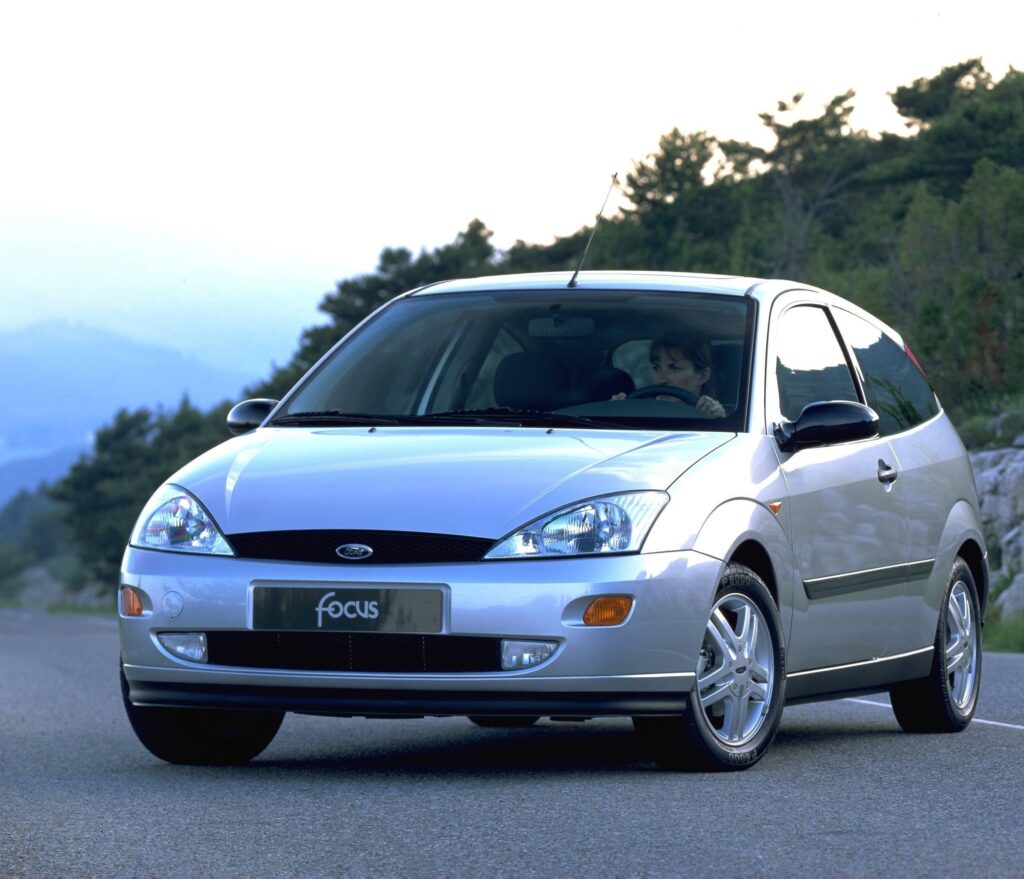
There followed a further three generations, including some bonkers RS variants and a particularly pleasing ST with a turbocharged 2.5-litre five-cylinder that warbled like a quattro and was responsible on one late evening after a tricky press week for my fastest ever commute home.
If you happen to have an unmolested Mk1, even one of the humble ones, I’d suggest you cling onto it. They’re becoming rare already, and we all know what happens to old Fords when they’ve gone out of production.