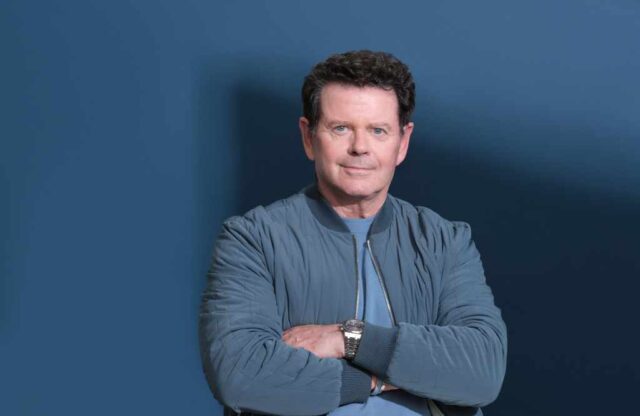

Gerry McGovern’s long spell as Jaguar Land Rover’s chief designer appears to have drawn to an abrupt close. Reports from Autocar India claim he was ‘escorted out of the office‘ on 1 December 2025.
His apparent exit comes soon after the appointment of PB Balaji as CEO of Tata Motors, JLR’s parent company. It is also rumoured that the loss of support from the late Ratan Tata, a long-standing ally of McGovern, may have left him increasingly exposed within the business.
With the situation still unfolding, this feels like an appropriate moment to reflect on the designs that shaped McGovern’s career and, in many ways, the modern Land Rover we recognise today.
Gerry McGovern – Career highlights
MG EX-E
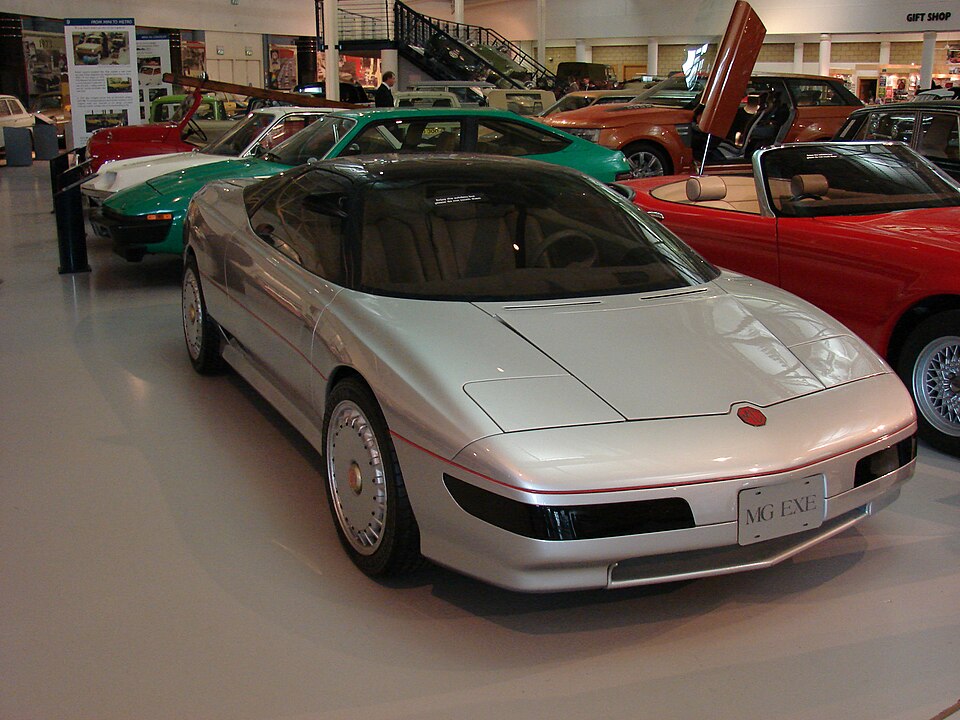
The EX-E marked the first major milestone in McGovern’s career, working as part of a team of designers that was overseen by Gordon Sked and Design Director Roy Axe. Revealed to widespread acclaim at the 1985 Frankfurt Motor Show, it appeared almost alien beside MG’s rather ordinary Maestro, Montego and Metro.
Although it never progressed to production, the EX-E hinted at the future of both design and technology. Conceived to accommodate the Metro 6R4’s 3.0-litre V6, it was envisioned with all-wheel drive, double-wishbone suspension and active damping. Its suite of proposed electronics – including cruise control, a head-up display and early satellite navigation – was prococious.
The concept also introduced design ideas that resurfaced throughout McGovern’s later work, not least in the mid-engined MGF a decade later. Clean surfacing and smoked-glass detailing gave the EX-E a pared-back, futuristic feel that remains striking today. The car now resides at the National Motor Museum in Gaydon.
MGF
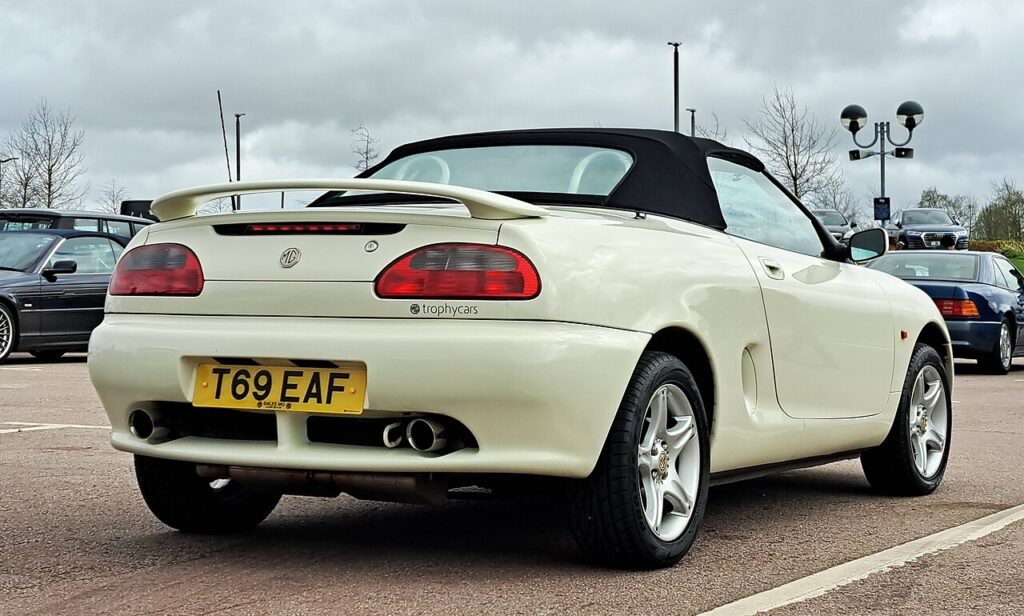
After decades without a spiritual successor to the MGB, the MGF finally arrived in 1995, two years after BMW acquired the Rover Group. Steve Harper penned the initial design, with McGovern’s team reworking it into the production model.
Launched in the midst of a booming affordable sports-car market, the F competed directly with the Mazda MX-5, Toyota MR2 and BMW Z3. Yet it held its ground, thanks in part to its uncommon mid-engined layout. Its styling quietly nodded to the EX-E, particularly around the rear quarters.
Land Rover Freelander L314
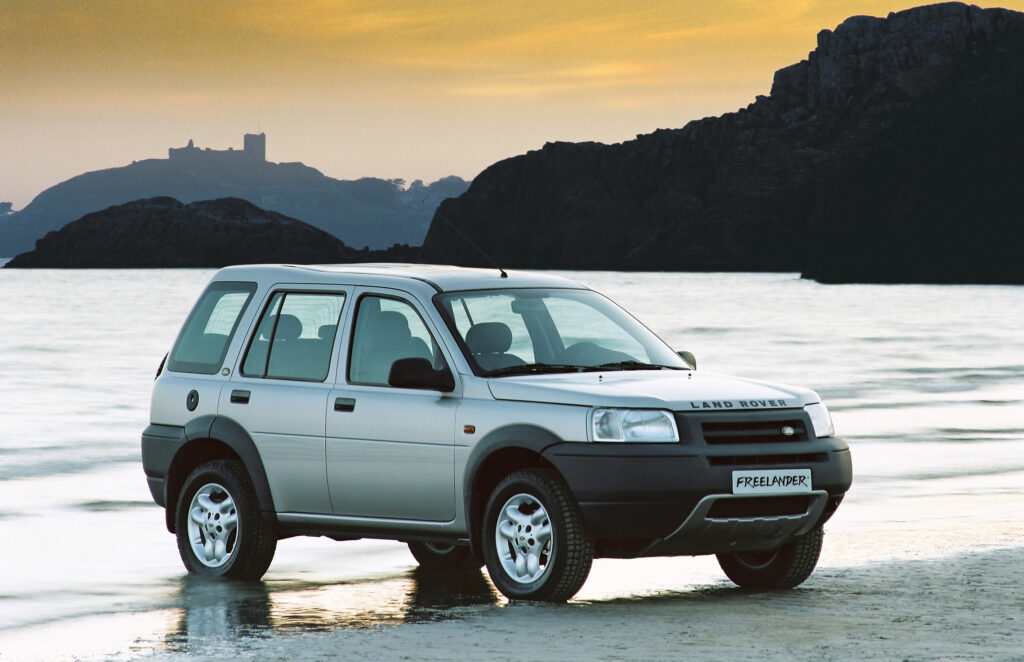
The original Freelander effectively laid the foundations for the modern Land Rover. Introduced in 1997, it was the company’s first monocoque model and its initial entry into the compact SUV segment, which has since become central to the industry.
McGovern began influencing the project soon after joining Rover’s advanced design studio in the mid-1990s. His input helped steer the Freelander toward a more approachable, car-like aesthetic that contrasted with Land Rover’s traditionally rugged image.
Even so, it retained hallmark cues such as the clamshell bonnet and upright grille, and it remained genuinely capable off road, taking part in both the Camel Trophy and G4 Challenge. The formula proved hugely successful: the L314 became Europe’s best-selling SUV for five consecutive years, with more than half a million built.
Land Rover Discovery 4
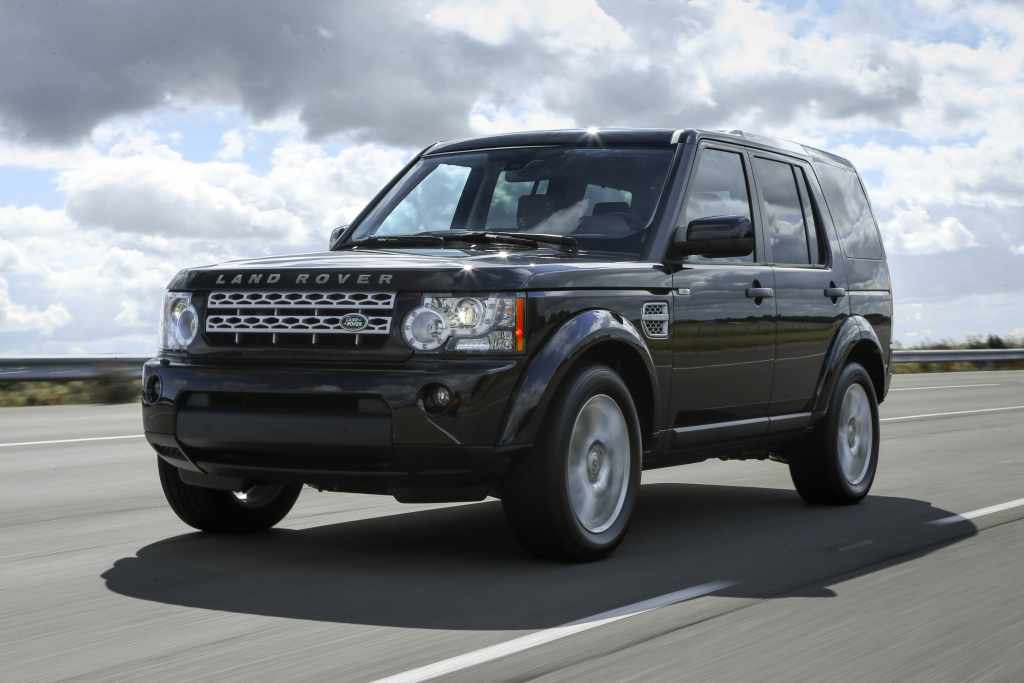
The Discovery 4, a heavily revised and more refined evolution of the Discovery 3, was the first model McGovern had influence over after returning from a three-year tenure at Lincoln in the US. The D3 had been a huge success for Land Rover, with the team of designers under former Design Director Geoff Upex establishing a solid foundation on which to build. The styling updates brought in under McGovern’ update included a more premium cabin, which helped to take Land Rover further upmarket.
Range Rover Evoque
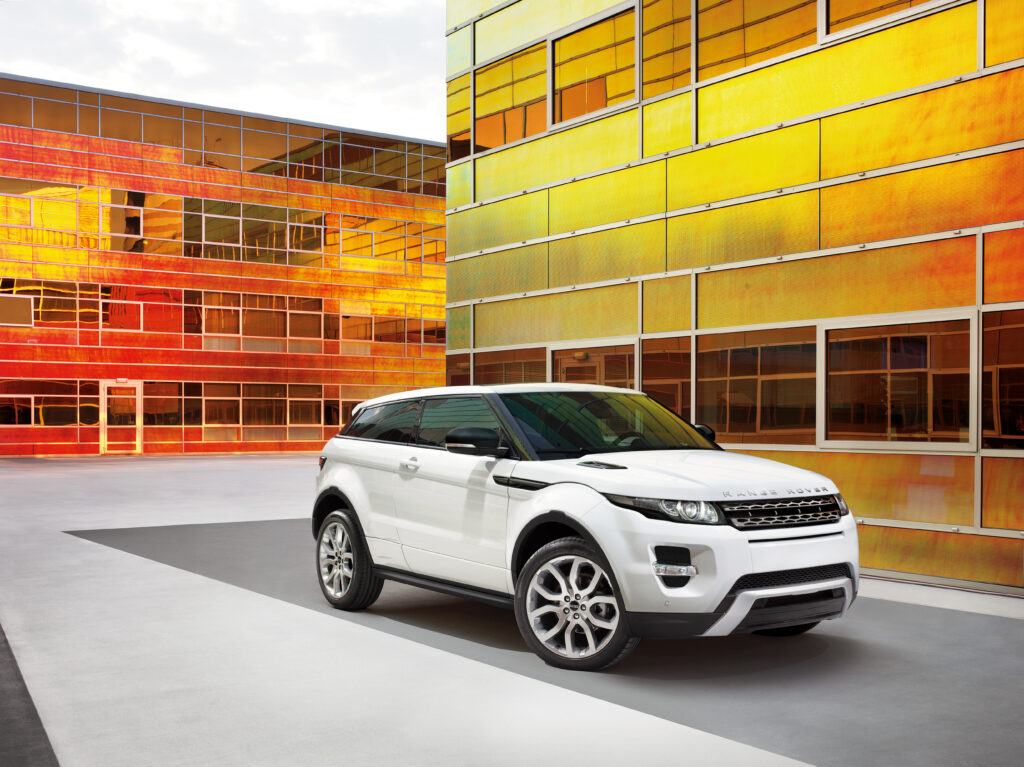
Arguably the defining model of McGovern’s time as chief creative officer at JLR, the Range Rover Evoque – developed under design director Julian Thomson – stayed remarkably true to the LRX concept unveiled in 2008. When it launched in 2011, the response of the public and motoring media was overwhelmingly positive, and it effectively created the fashion-focused compact premium SUV segment that remains so popular.
The Evoque quickly became Land Rover’s best seller, contributing more than a third of the company’s global volume in its early years. Over its nine-year run, production exceeded 900,000 units. Its bold styling, accessible pricing and compact size attracted younger and more diverse buyers, validating the design strategy that would shape the modern Range Rover family.
Range Rover L405
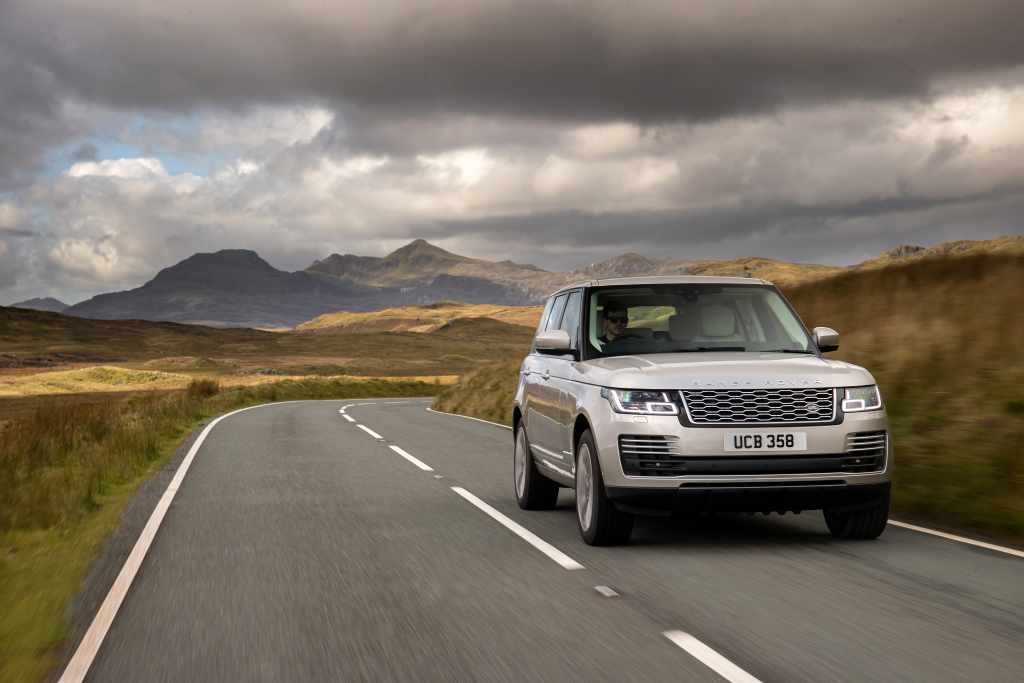
Redesigning the Range Rover is one of the industry’s toughest assignments, particularly when following the widely acclaimed L322. The initial designs by Richard Woolley brought in cleaner, more modern surfacing while retaining core brand signatures such as the clamshell bonnet, floating roof and upright grille. McGovern’s team further refined the production version, creating the most profitable Range Rover of all time, with more than 800,000 sold in a decade.
Underneath sat a new aluminium monocoque that cut more than 400kg from the L322 despite increases in size. It also became the default choice for the Royal Household and senior British politicians, further cementing its status.
Land Rover Defender L663
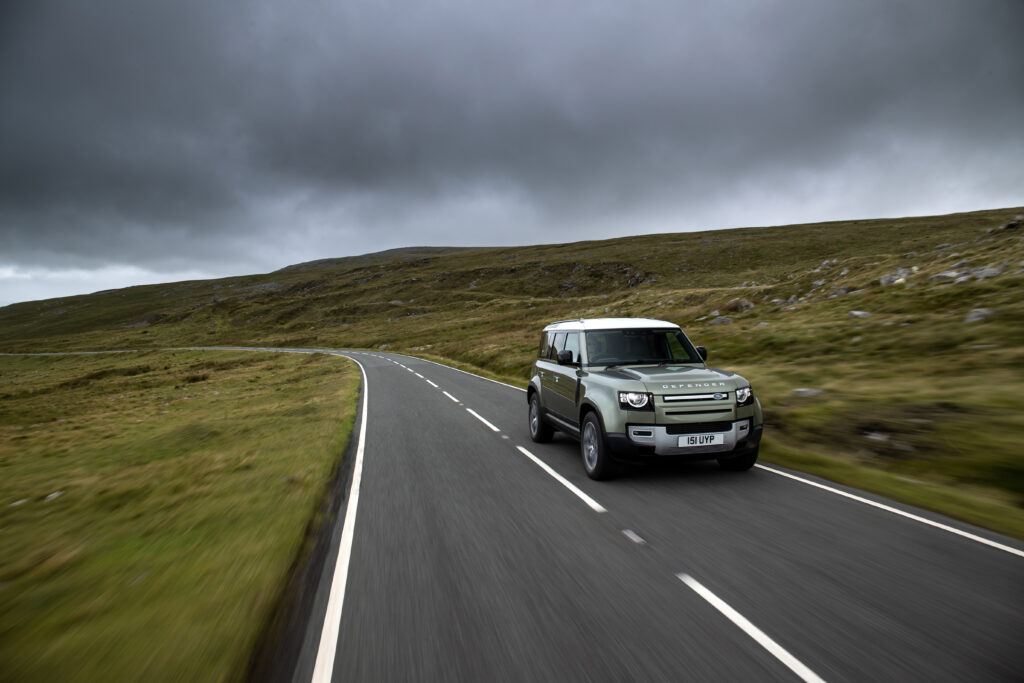
Replacing the original Defender – an automotive icon with roots stretching back to 1947 – was always going to be contentious. Production of the classic model ended in 2016, and its 2020 successor was expected to walk a tightrope between heritage and modernity.
Under McGovern’s direction, Land Rover avoided a retro reinvention in the style of the Mercedes-Benz G-Wagen. Instead, it pursued a clean, contemporary design language drawn from the 2011 DC100 concept. Features such as the alpine windows and upright silhouette paid subtle homage to the past.
The new Defender adopted an aluminium monocoque, independent suspension and modern drivetrains with permanent four-wheel drive, supported by the Terrain Response system. Despite hesitation from purists – including INEOS CEO Jim Ratcliffe, who opted to build his own spiritual successor – the L663 has since become Land Rover’s best-selling model.