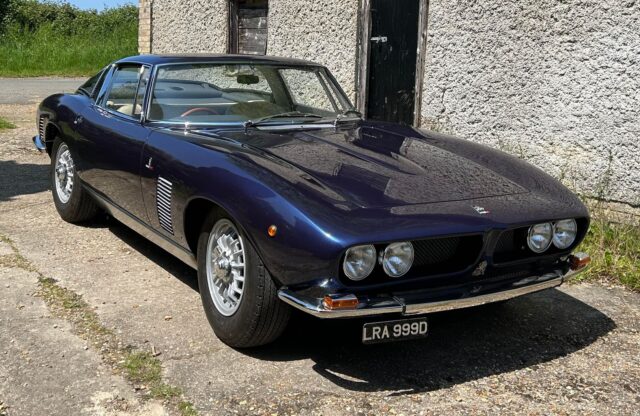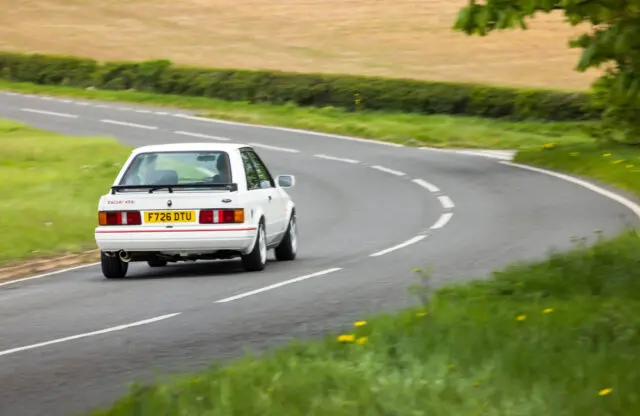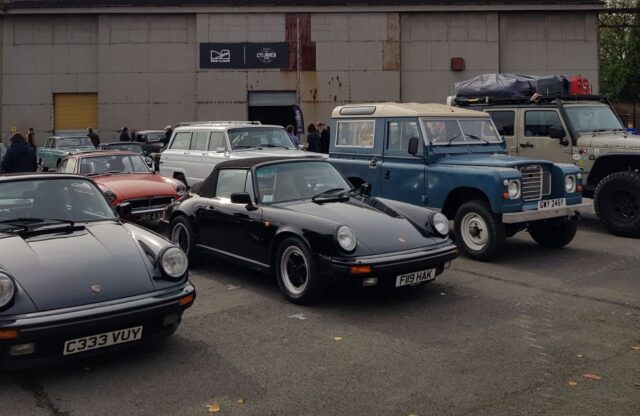
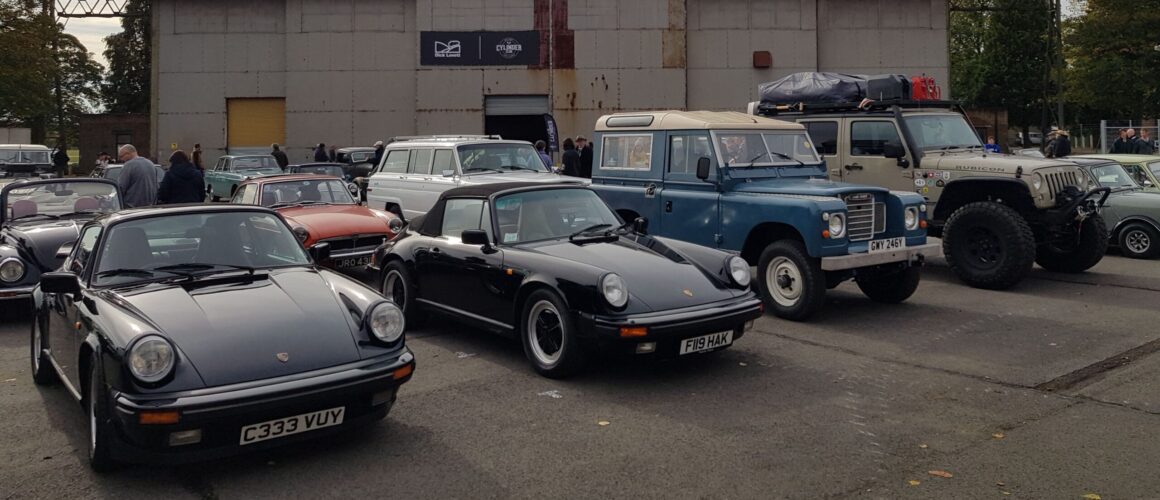
The Federation of British Historic Vehicle Clubs (FBHVC) has received initial approval from UNESCO to proceed with its application to have the UK’s historic vehicle movement recognised as an official example of Intangible Cultural Heritage.
The approval permits the Federation to submit a full application under the 2003 UNESCO Convention for the Safeguarding of the Intangible Cultural Heritage – legislation the UK formally supported in 2024. Recognition would place Britain’s classic vehicle culture alongside bell-ringing, pantomime, dry-stone walling and other enduring social practices within the UK’s official living heritage inventory.
Described by FBHVC chairman David Whale as ‘an exciting prospect indeed’, the move reflects decades of work by clubs and enthusiasts who preserve, share and actively use historic vehicles on British roads. The Federation estimates that 4.3 million people attend events hosted by its 534 member clubs annually, underlining the scale and community importance of the sector.
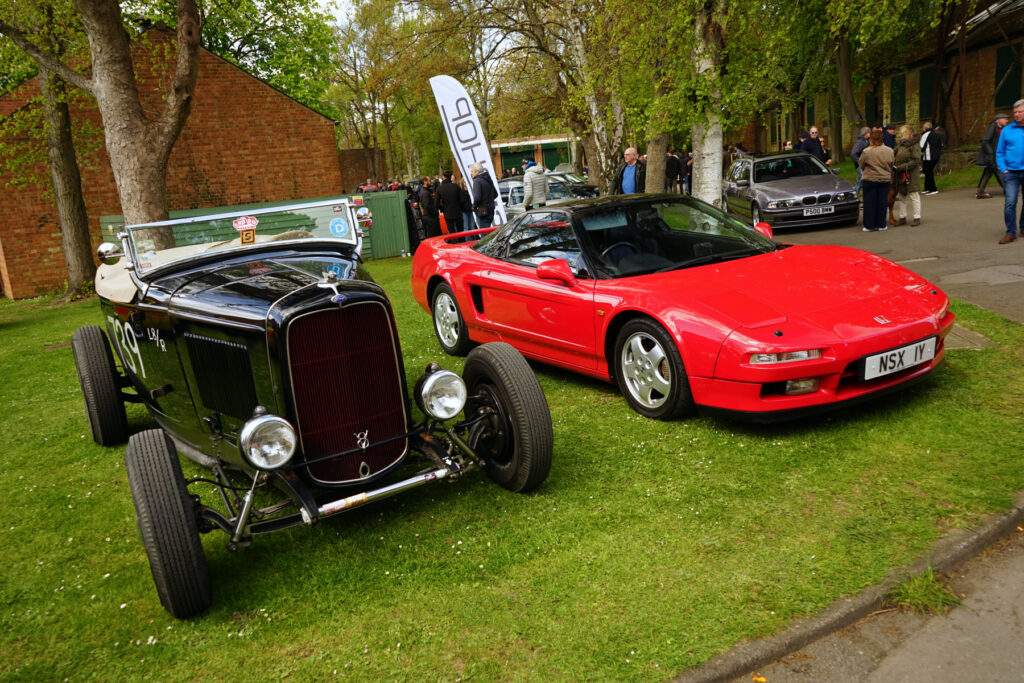
While the cultural role of historic motoring has often been acknowledged anecdotally, formal recognition from UNESCO would underscore its value as a legitimate cultural activity. It may also strengthen the case against restrictive legislation and help ensure the continued use of vintage vehicles into the electric and autonomous future. As the UK’s Authorised National Federation (ANF) for FIVA – the Fédération Internationale des Véhicules Anciens – the FBHVC has drawn on its links with the global body, itself recognised as a UNESCO cultural partner.
The Federation’s application has been supported by The Heritage Alliance, with FBHVC’s newly appointed Director of Heritage, Phil Sampson, helping spearhead the campaign. If successful, the recognition would not apply to any one make, model or museum, but to the collective, everyday enthusiasm that sustains Britain’s vehicle preservation movement – from restoration skills and intergenerational knowledge-sharing to the communal joy of Drive-It Day and local club meets.