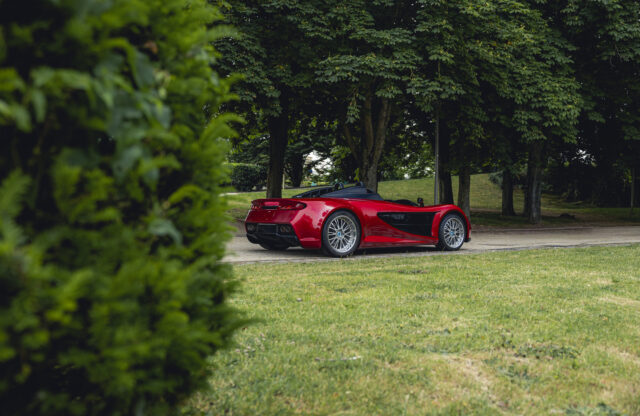
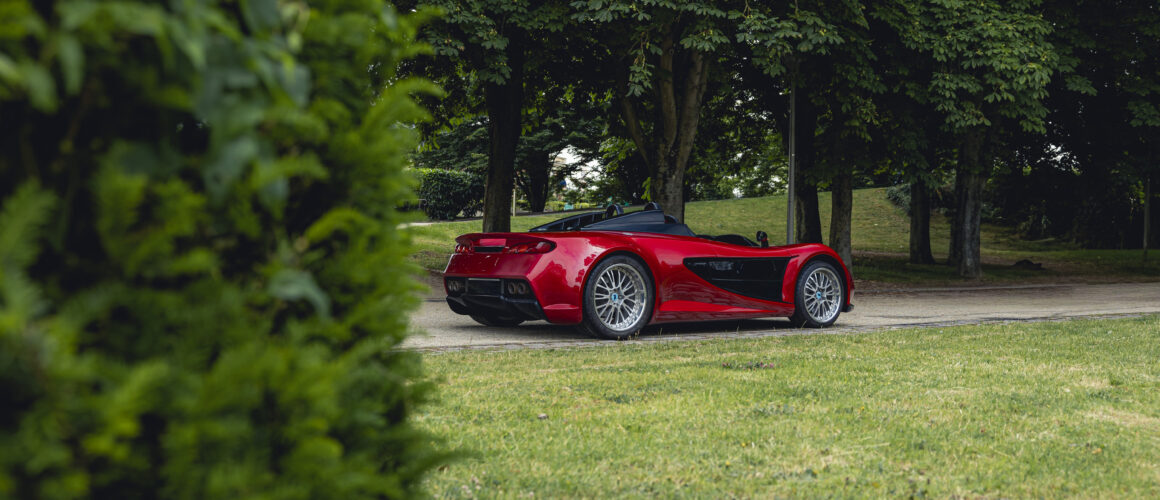
The Isdera Sbarro Espera Turbo S20E is one of those rare creations that sits outside the normal automotive realm – part prototype, part design exercise, yet fully functional and surprisingly well resolved. Created in 2007 by students of Franco Sbarro’s École Espera design school, it combines the engineering DNA of the Isdera Imperator 108i with Sbarro’s trademark flair. While cars like this can often disappear, never to be seen again, this particular one-off car is set to appear at Broad Arrow’s Zurich Auction on 1 November.
The story of how the car came about is somewhat unusual. Each year, final-year students at École Espera Sbarro were tasked with building a complete, running concept car in just five months – an ambitious test of design and engineering skill. In 2007, that project coincided with two major milestones: the 20th anniversary of Sbarro’s school, and the same anniversary for Turbo, France’s long-running motoring television show. Its presenter, Dominique Chapatte – a friend of Sbarro’s – proposed a collaboration to mark both events. The result was the Turbo S20, a name celebrating ‘Sbarro 20’ and ‘Turbo 20’.
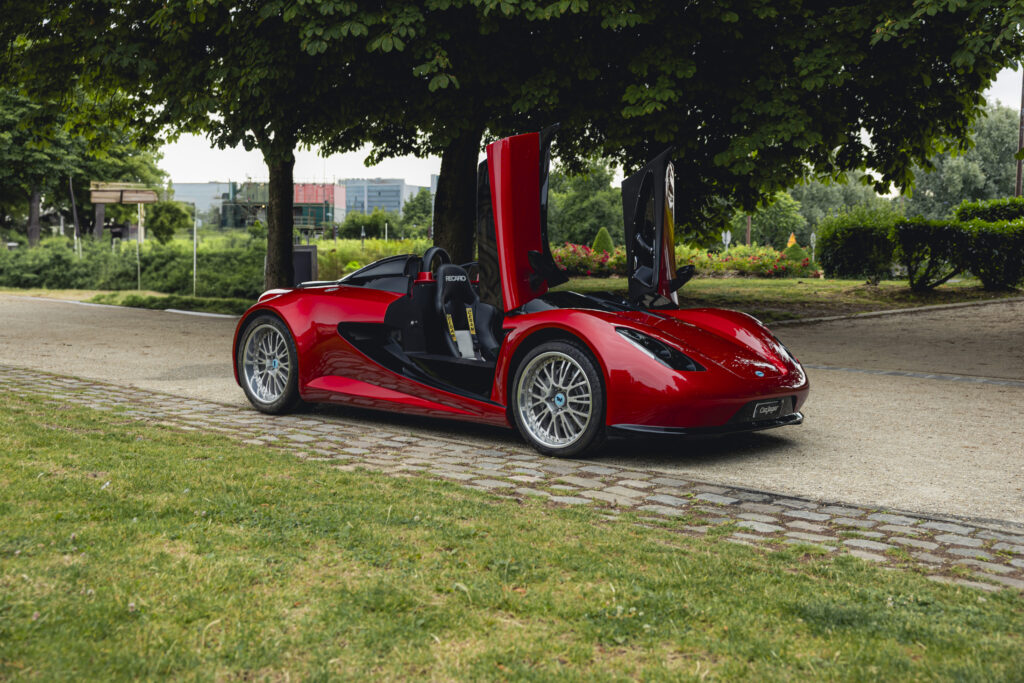
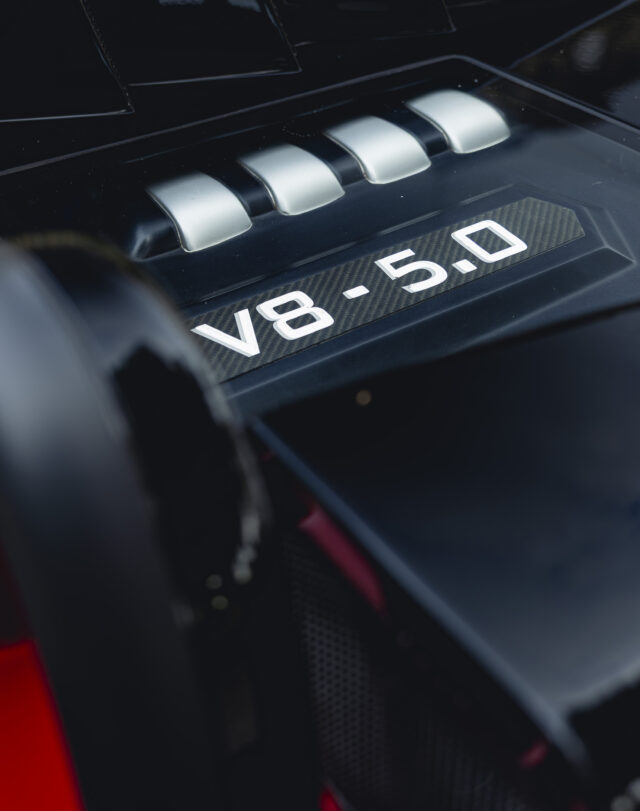
To give the project credibility, the students started with the tubular steel chassis from an Isdera Imperator 108i, the mid-engined supercar born from Mercedes-Benz’s celebrated CW311 concept. Into this they fitted a 5.0-litre AMG V8, producing around 350bhp and paired to a five-speed ZF manual gearbox – the same mechanical layout as the Imperator but in a more compact and focused package.
‘They used the Imperator chassis, engine and gearbox, but created a full carbon and glassfibre body,’ explains the car’s current owner. ‘The result keeps the Isdera’s balance and precision, but in a lighter, more visceral way. Goggles are mandatory.’
It’s powerful but progressive – you can drive it fast through corners. The Sbarro keeps the Imperator’s qualities but adds open-air immediacy. It’s alive!
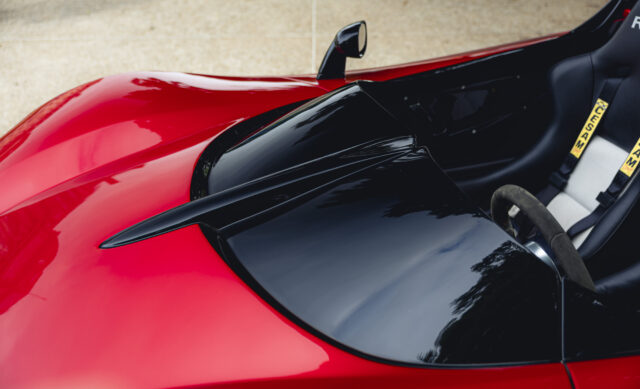
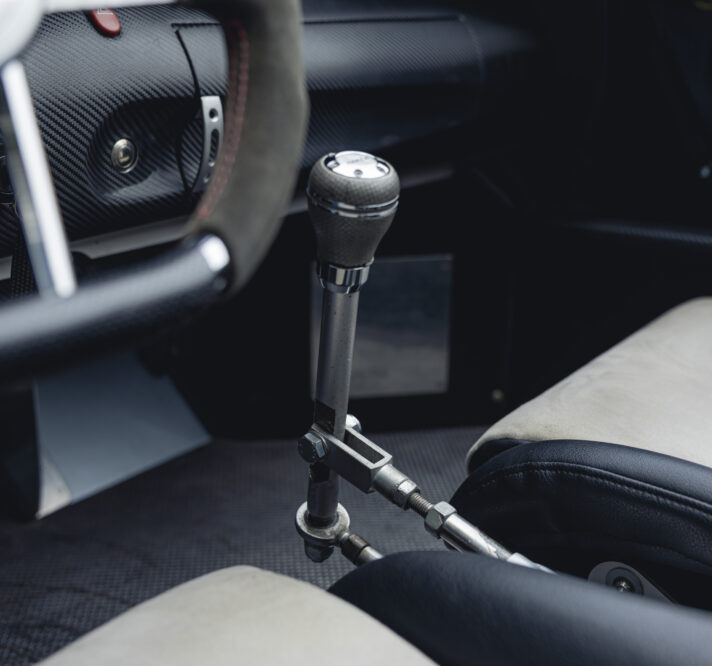
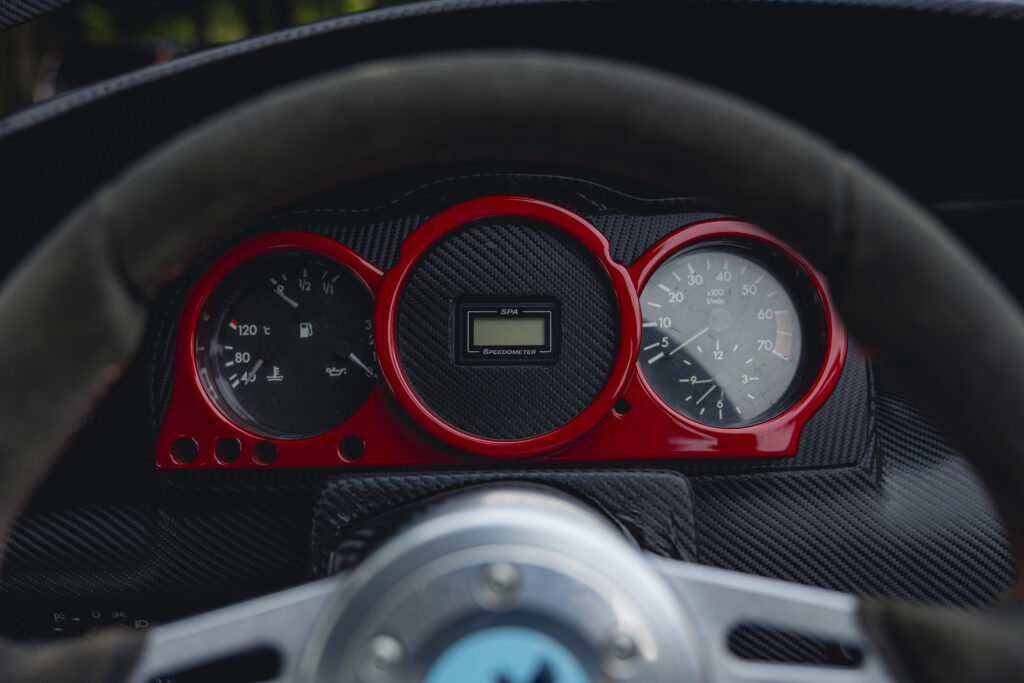
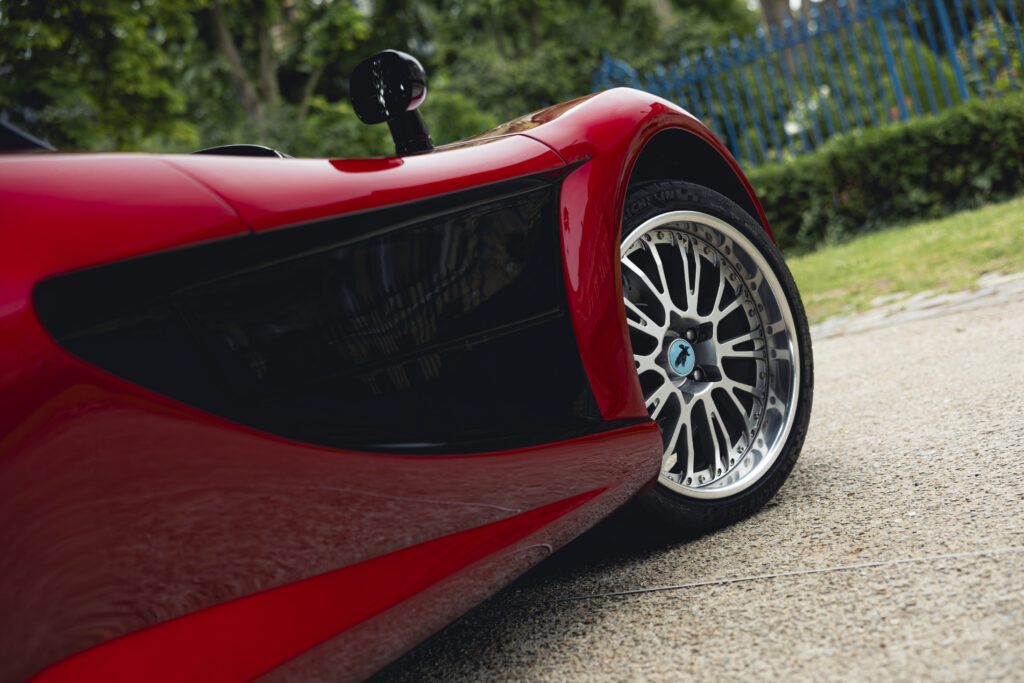
The body was designed and shaped by hand in carbonfibre and glassfibre, with simple, functional detailing. The car’s scissor doors are a dramatic addition. The interior followed Sbarro’s minimalist design language, trimmed in carbonfibre and Alcantara, with lightweight Recaro seats and a floating gear lever.
Completed in just four months, the Turbo S20 made its debut at the 2007 Geneva Motor Show, before appearing on Turbo, where Chapatte test-drove it on air.
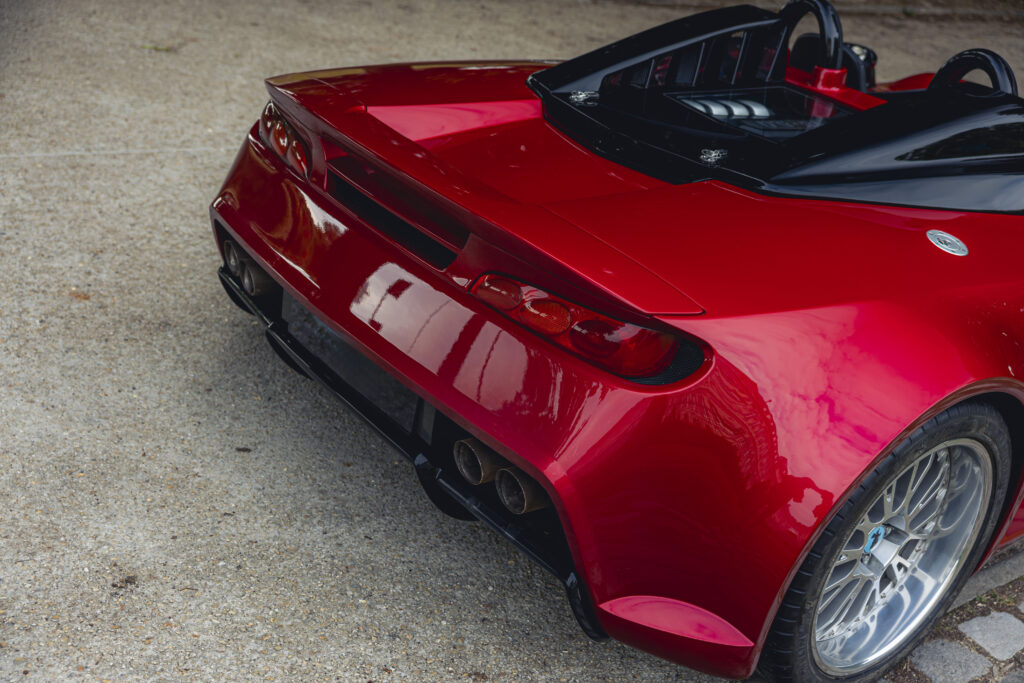
After its show appearances, the car was repainted from silver into the current shade of deep red. Since being bought by the current owner, it has had received more than €50,000 in servicing and mechanical work, including an engine overhaul. You might think that it would be difficult to maintain, however the owner tells a different story: ‘Except for the body itself, all parts come from Mercedes or other common components. So it’s very easy to find parts.’
For its current owner – a collector who already owned an Isdera Imperator – the car’s appeal lies in its singular nature. ‘I quickly realised I didn’t want a collection like everyone else,’ he says. ‘I wanted one-offs, prototypes or unique examples. When I saw this at auction, I liked the idea of a lighter version of the Imperator.’
Despite its rarity, the Turbo S20 is no static showpiece. The AMG V8 delivers a broad spread of torque and a smooth, linear powerband, while the Imperator chassis provides balance and precision. ‘It’s not violent like a Lamborghini,’ explains the owner. ‘It’s powerful but progressive – you can drive it fast through corners. The Sbarro keeps the Imperator’s qualities but adds open-air immediacy. It’s alive!’
For Franco Sbarro, the car exemplified what his school was about: creativity guided by engineering. From the 1970s onwards, Sbarro had made his name by building striking cars that challenged convention – from the mid-engined Challenge BMW to the twin-engined Super Twelve. Through École Espera, he turned that spirit of experimentation into a teaching method, giving students the freedom to design, fabricate and assemble real, running machines.
The Turbo S20 was among the last Espera projects built at Sbarro’s original Pontarlier workshop before the school moved to Montbéliard, and it remains one of the most cohesive designs to come out of the programme. As its owner sums up: ‘It’s a car built by passion and curiosity – a real piece of automotive design history that you can actually drive.’
The Sbarro Turbo S20 will be auctioned by Broad Arrow on 1 November, where it will be offered without reserve against an estimate of CHF 140,000-230,000. See more images and find out more info on the car at broadarrowauctions.com