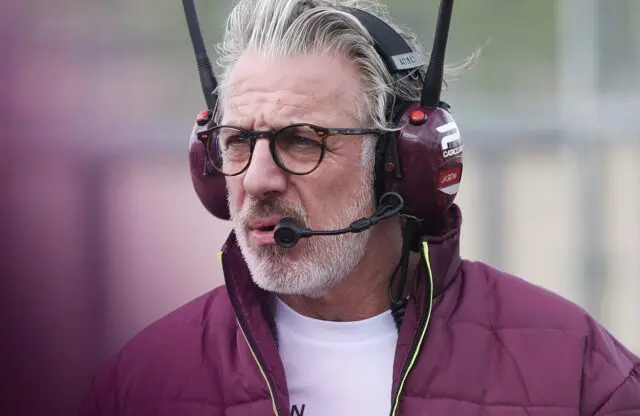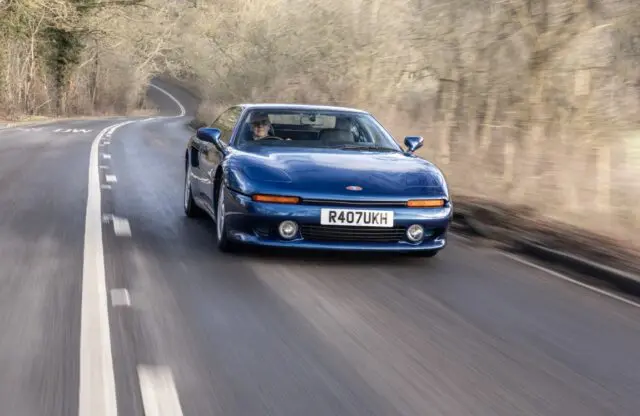
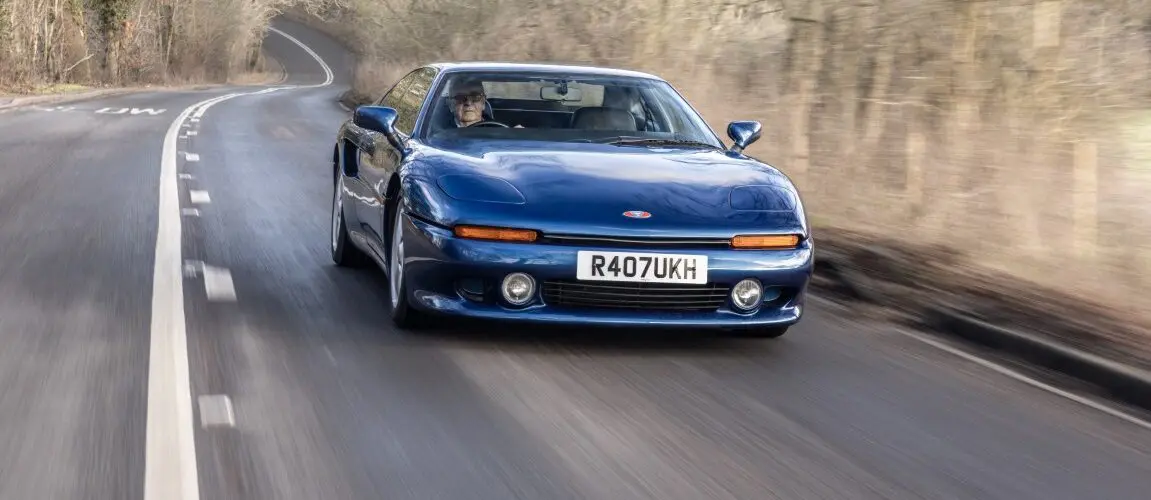
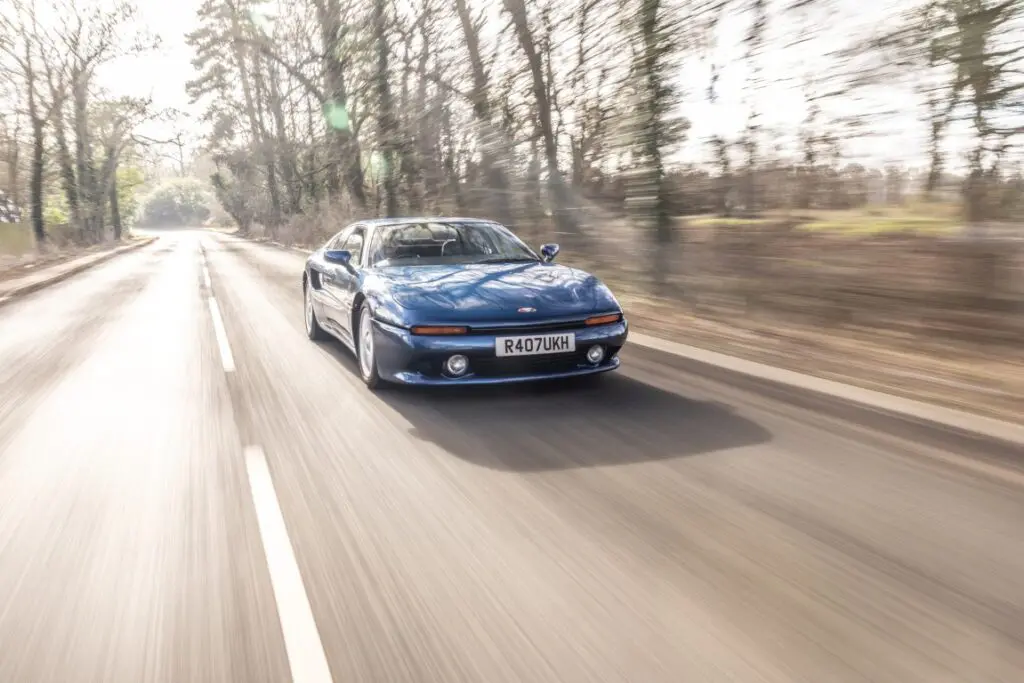
‘It’s a bit like seeing an old girlfriend again,’ muses Nicholas Mee as his former Venturi Atlantique 300 press car glints in the sun. ‘There’s a lot of mixed feelings.’
A lot has changed in the near-30 years since Nicholas started importing and selling the cars, and then set about revitalising the brand with the help of his former boss at Aston Martin, Victor Gauntlett. Not least this particular car’s colour – it was originally silver. Nicholas has gone on to become one of the UK’s leading Aston Martin specialists, while the Venturi name became attached to EV projects, running Maserati’s Formula E campaign, setting two-wheel speed records and helping to develop lunar rovers for Elon Musk. Things could have been rather different.
This feature first appeared in Octane 273
The company was founded in 1984 as MVS – ‘Manufacture de Voitures de Sport’ – by former Heuliez engineers Claude Poiraud and Gérard Godfroy. It developed a car called the Venturi, a mid-engined coupé to take on Aston Martin, Porsche and Ferrari, with production beginning in 1987 at Cholet. It was based largely around a turbocharged PRV V6, featured lightweight glassfibre bodywork, and soon built a niche following.
MVS became Venturi in 1990, and a revised car arrived a year later (the same year Alpine launched the A610) as the Venturi Atlantique, assembled at new premises in Couëron. The company’s reputation was further enhanced by the Venturi Gentleman Drivers Trophy, a one-make series run by future FIA GT Championship boss Stéphane Ratel, and efforts in the BPR Global GT Series and Le Mans. But all this, plus a largely unsuccessful stint in F1, left the business on the ropes financially, and by 1996, Venturi had a new owner and a new managing director – a Brit by the name of Mike Bishop. ‘A guy that worked for me at the time, Peter Lennon Morgan, had worked with Mike at Lamborghini,’ Nicholas recalls. ‘Mike’s Lamborghini background made him appealing to Venturi’s new Thai investors, Nakarin Benz, and Peter introduced me to him.’
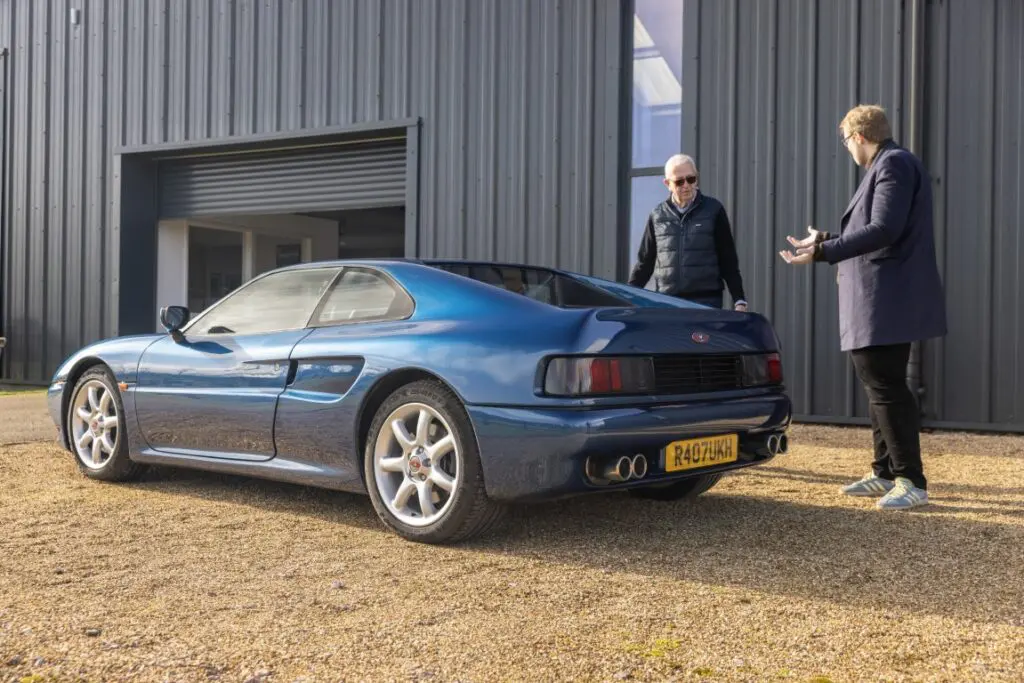
At the time, Nicholas was operating out of a mews showroom in South Kensington, having left Aston Martin in 1991, selling classic and secondhand Astons – however, he always had an eye on new opportunities. ‘I’d known about Venturi since the 1980s, because the founders had been to Newport Pagnell to see Aston Martin on a fact-finding mission for the original MVS cars,’ Nicholas says. Years later Nicholas headed to the Venturi factory with a view to becoming an importer, and fell in love with the Atlantique. ‘I drove it and thought it was brilliant.’
His enthusiasm for the car led to some research. ‘I had access to a big report commissioned by Ferrari on the sports car market in the UK – the demographics, the numbers of people in certain areas that bought cars at certain prices, and so on,’ he recalls. ‘I looked at all that volume and thought, if we could just get 0.5% of that marketplace, we’re going to be in clover.’
Venturi wasn’t making right-hand-drive cars (it wasn’t actually building many cars at all), but Nicholas put a deal together to own rights to the UK market and import them in small numbers. ‘I wasn’t expecting cars coming out of the gates like sausages out of a machine, and I’ve been to places where they’d been out of business for a while and started again – I wasn’t afraid to engage with what was in effect a start-up; they had the product,’ he says. The problem was the legacy left by the previous owners.
‘They’d gone bust and left all the suppliers in the lurch – so when they were starting up again, those component suppliers wanted the money up front, and that’s chronic for cashflow,’ Nick observes. ‘Normally you’d have a supply of parts and then 90 days before you had to pay for them, so a month or two to put your cars together and get them sold. However, I thought the product was good and I had faith in Mike Bishop – he was an industry professional from Norfolk and he had support from Thailand.’
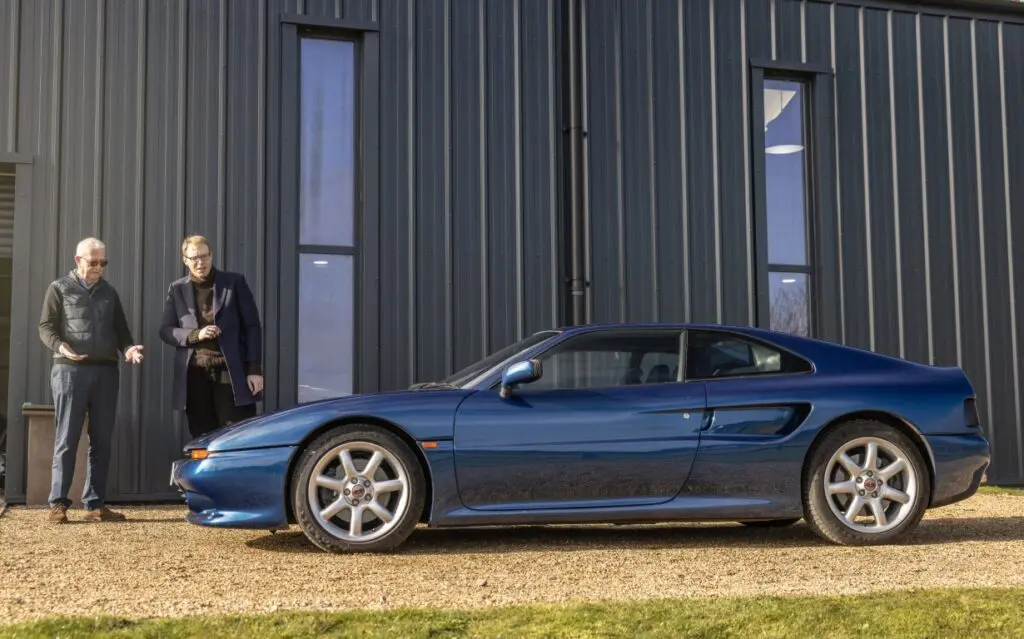
The Venturi works was more assembly operation than full-on factory. ‘The chassis was built by a Dutch truck-building firm, and the glassfibre bodies were laid-up by a local boatyard,’ Nick says. ‘There was a small engineering side of the business, but the one thing that always surprised me was passing the staff canteen, seeing bottles of wine on the workers’ tables. I queried this with Mike, but he said that if he tried to stop the practice, he wouldn’t have any cars – that’s the French way.’
Venturi had built a test track under previous ownership, which had gone into developing the 400 GT and its further racing versions. That chassis went on underpin the roadgoing Atlantique, with naturally aspirated and turbocharged versions of the PRV V6. Meanwhile, Thailand was reaping the benefits of an Asian economic boom. ‘Nakarin Benz’s business plan, when they bought Venturi from the administrators, had been to get manufacturing going and develop the product – lose money for three years, make money for two, and then move it on; I understood that,’ Nick says. ‘It was a risk, but for me that risk was the time and energy spent running and stocking cars, doing PR, the motor shows; I was always going to have cars out of it, so there was always something I could get money back on.’
The Thai investors came to Nick’s South Kensington premises for the grand launch, joined by musician Jay Kay and a few hundred enthusiasts. Jeff Courtney, a former colleague at Aston Martin, was engaged to help with PR and the press offensive began. ‘If you look closely at the original press release, you’ll notice the Venturi badge is the wrong way around – we only had pictures of a left-hand drive car, so we flipped the image,’ Nick chuckles. Even so, national newspapers and the automotive press soon took interest.
Nick got involved with Car magazine’s comparison test for a cover feature, bringing the first right-hand-drive Atlantique from the factory to the UK to take on a Porsche 911. ‘At the factory, I just gave them the keys and drove the Porsche back to London from Nantes,’ he says. ‘Then there was Vicky Butler-Henderson, Richard Hammond, Top Gear… we even took inquiries for regional dealerships, and had a stand at the NEC Motor Show for ten days.’
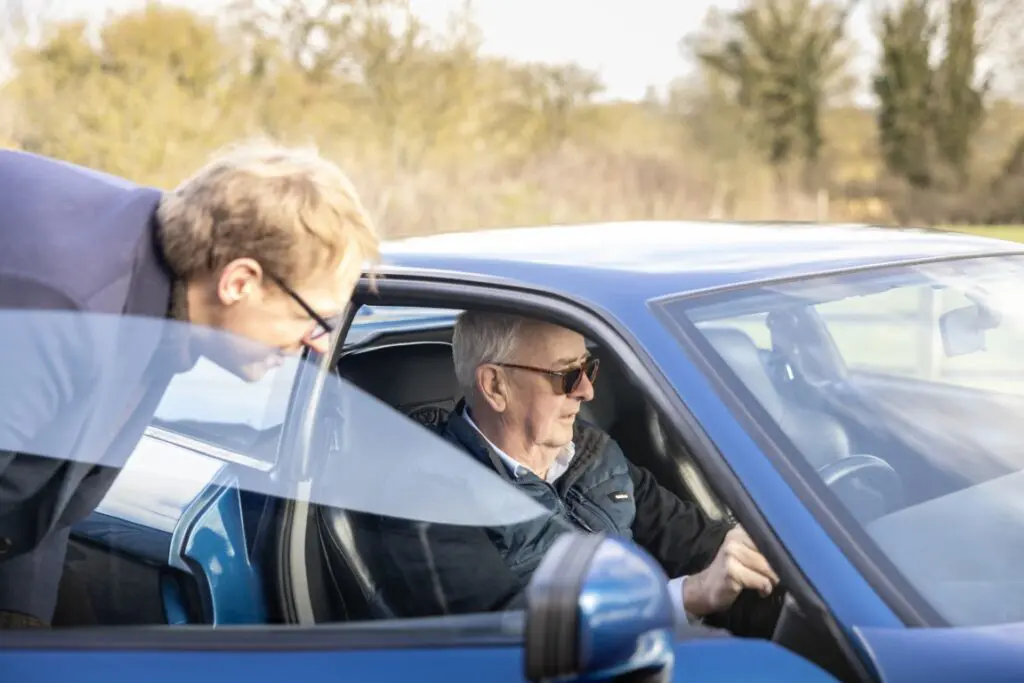
Yet it wasn’t all good news. ‘We did a press event at Stableford Park with two cars in appalling weather – and the first people out in one of the cars managed to ditch it,’ Nick recalls. He has other memories of spending time with journalists. ‘We were on a long drive back from Europe with Paul Horrell and the photographer Alex P; I’d been told not to ask them what they thought of the car,’ Nick chuckles. ‘I managed to contain myself, but it’s quite difficult over a 24-hour period, when you’re on the same ferry and playing the same fruit machines.’
Eight cars found homes, but when Nick phoned Mike Bishop to place an order for more cars, things began to unravel. ‘He said they were going to have to stop building cars for a while,’ Nick says, recalling the telephone conversation. ‘When Nakarin Benz had bought Venturi from the administrators, a fairly vital bit of information had not been transmitted.’
The old company had been informed that from a certain date there would be no more engines available. ‘They confirmed that they were stopping building the engines in three weeks, so Venturi squeezed another half-dozen out of them.’
The good news was that there would be a new four-valve engine available, a variant of the PSA/Renault ESL V6 that took over from the old 90º PRV unit. The bad news was that it would take 12-15 months to get the new engine through the legislative process. ‘When you’ve just launched something and started to move them, if you have a hiatus in the supply chain you’ve got to start again – times change and suddenly the car’s not quite so fresh,’ Nick says. He ended up with three more cars and disaster struck.
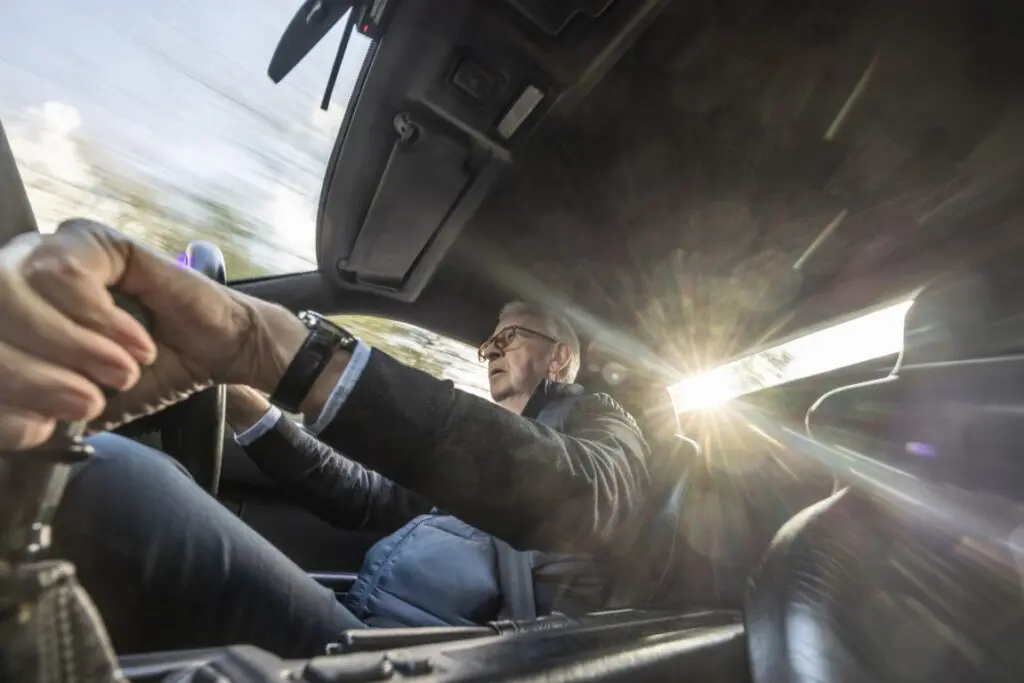
‘The Thai economy melted overnight, and suddenly the owners of Venturi weren’t in a position to prop up the business – the factory needed to be maintained, production had slowed and there was nothing coming in for them apart from some servicing and the spare parts business,’ Nick explains. And there followed an unlikely sounding plan. Nick had reported directly to Victor Gauntlett during his Aston Martin days and maintained that friendship after leaving the business early in the Ford era. The Venturi prospect offered an alluring possibility.
‘I’d been talking to Victor about it, and I had a client who was part of a Japanese bank in London; I got their support and transmitted an offer to the Thai owners via Mike Bishop,’ Nick explains. ‘We knew they were ten minutes from folding – we committed to spend X amount over the next five years, and the Thai owners could retain 10%. It would have been our money that went in and we’d give it four years.’
Despite 10% of a going concern being better than 100% of nothing, to Nick’s frustration the Thai owners rebuffed the offer. ‘In France, if you’re going out of business you effectively pick up your books, go down to the French commercial courts and say “we’re done”, handing it all in.’ Which is the path the Thai investors chose. ‘At that point, for us, the business was gone – the suppliers were burned again, and we were never going to get credit and recover from that position.’ The Venturi name was sold to Monegasque real estate developer Gildo Pallanca Pastor, who developed an EV roadster called the Fétish, and has most recently been involved in Elon Musk’s SpaceX Mars rover program.
Back on planet Earth, however, there’s time to reflect on what Victor and Nick had in mind for Venturi – beginning with bringing production to the UK. That might seem like heresy to Venturi enthusiasts, but Nick believes it reflects the sad reality of automotive aspiration. ‘Who loves French sports cars? That was a tougher nut to crack than I thought it would be,’ Nick says. Though the later twin-turbo ESL V6 was potent with more than 300bhp, the longer-term plan switched focus to Ford. ‘Through Victor’s connections, we would have potentially got a supply of Duratec V6 engines – he knew a lot of people, and felt confident of the prospects,’ Nick says. ‘The dimensions were fine for putting a turbocharger in that package.’
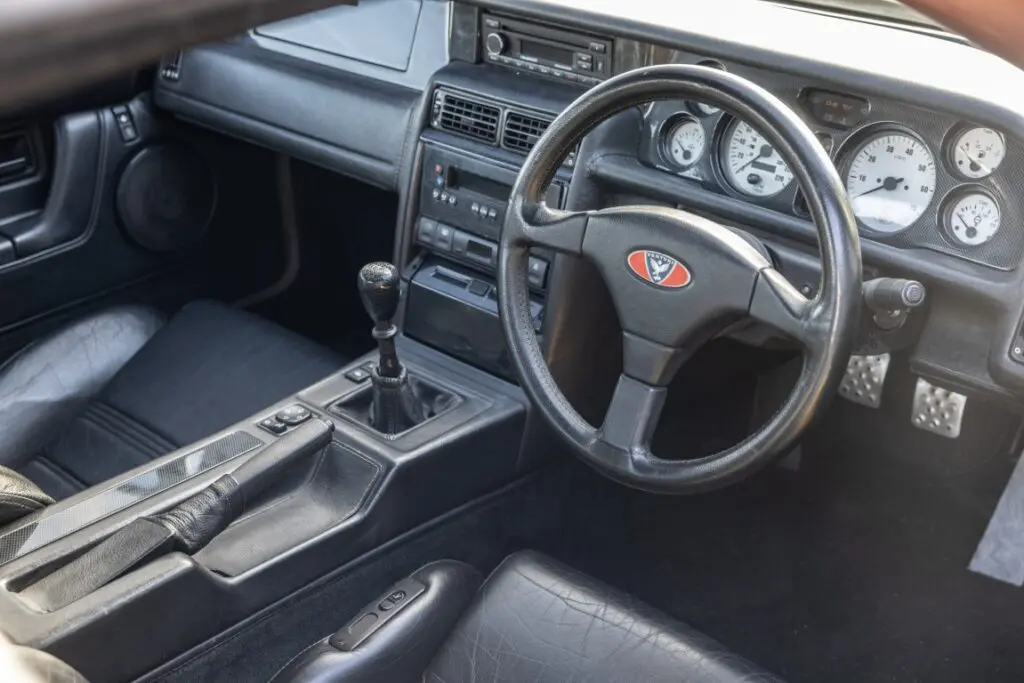
Though Nick was happy with the way the Atlantique looked overall, he felt it could have been toughened up a little. ‘One discussion involved ditching the pop-ups and having shaped Plexiglass similar to the Fiat Barchetta’s – pop-ups are always a problem because they’re vulnerable to wet and cold, and you could save some weight and complication,’ he says.
Plans unfortunately foundered and the painful experience meant that Nick missed out on joining up with another fledgling supercar builder. ‘We were offered an opportunity to import Pagani – I’d been to the Geneva motor show, and thought the car was fantastic, the way it looked and the quality of everything,’ he says. ‘But Pagani was starting off and wasn’t planning to build many, the factory was small and couldn’t produce many cars, I couldn’t see the business case at the time, though as it turns out they’ve been very successful as a manufacturer.’
Turning his attention to the glorious example in our presence, Nick is sanguine about the experience. ‘It’s such a shame, because it was a good car – it has a Lotus-style transaxle, Mercedes wipers, BMW brakes – it was all good stuff, and it worked,’ he says, and remains enamoured with the way it drives. ‘When you sit in it, everything’s in the right place – the gearshift, the wheel,’ he says. ‘It’s got a compliant ride, neutral handling and the turbo’s very addictive.’
He fondly remembers high-speed sorties to Le Mans, keeping infuriated TVR drivers at bay, two Atlantiques running abreast on the autoroutes. ‘I did a lot of miles in those cars, doing Goodwood Festival supercar runs up the hill,’ he smiles. ‘We went about it in absolutely the right way. There was nothing more we could do – the one thing we didn’t foresee was that they might actually not be able to build the cars. You live and learn.’
Thanks to David Ball, the owner, Nicholas Mee (www.nicholasmee.co.uk) and Hangar136 (www.hangar136.com).