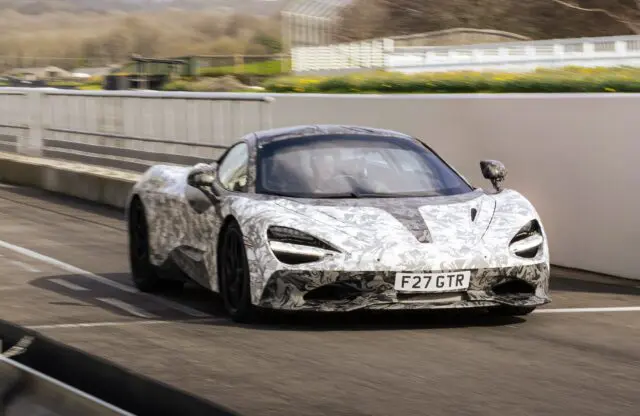
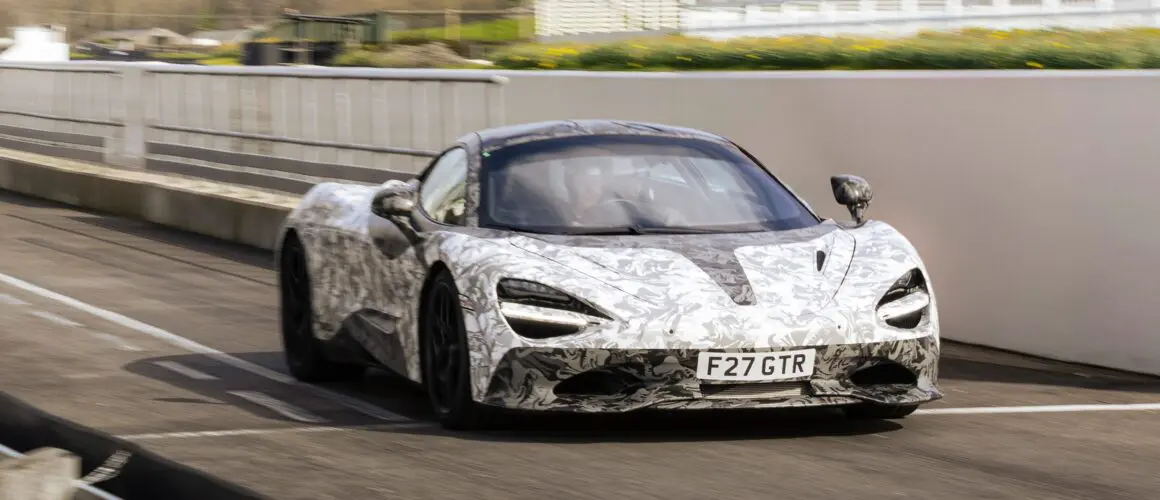
Camo-wrapped hypercar mules are usually kept as far from the public eye as possible, clandestinely snapped by photographers encamped at the side of a track. Petersfield-based engineering firm Lanzante took the opposite approach with its 95-59, wheeling the three-seater into the Goodwood Motor Circuit paddock, handing the keys to a 24 Hours of Nürburgring winner and inviting a handful of journalists – including yours truly – to climb inside.
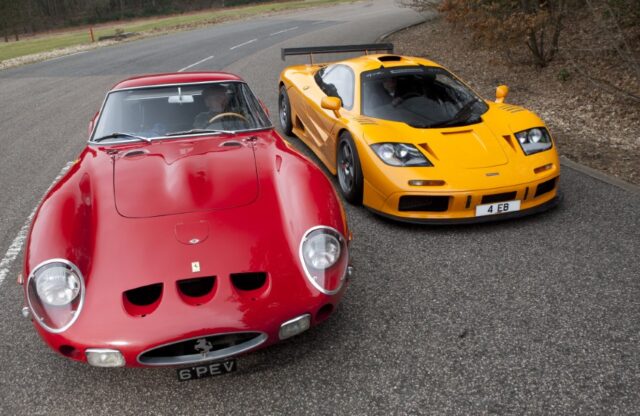
You may have seen the 95-59 at the 2025 Goodwood Festival of Speed, where it was officially unveiled as Lanzante’s 30th anniversary tribute to the number 59 McLaren F1 GTR that secured victory at the 24 Hours of Le Mans in torrid conditions. Lanzante was responsible for running that very car and, in three decades since, it has built a reputation for converting the most extreme track-only hypercars for road use. Penned by ex-McLaren designer Paul Howse, who shaped the 720S and P1, the 95-59 is the firm’s most ambitious project yet and is the first to wear the Lanzante badge.
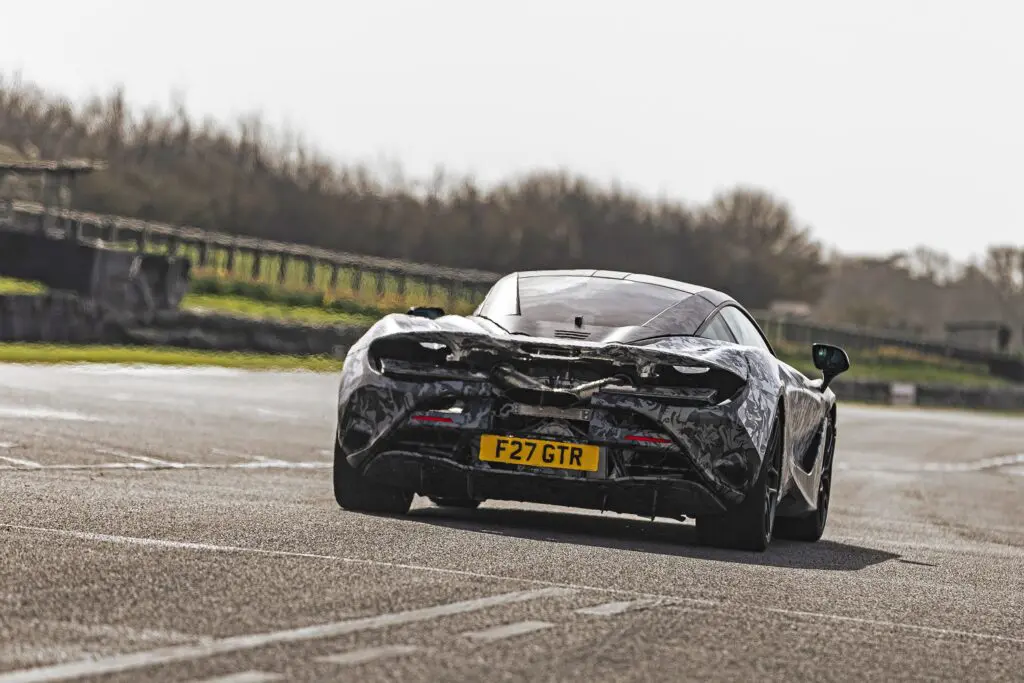
The mule in the Goodwood paddock is not as aesthetically refined as the svelte machine unveiled at the Festival of Speed some eight months prior. Beneath the camo wrap patterned with Lanzante’s Ganesh logo, it presents as a heavily modified 750S. Look closer, and you’ll notice the rear bodywork has been removed to accommodate the 95-59’s lower exhaust openings, protruding beneath rudimentary LED strips in place of factory rear lights.
Inside, carbonfibre and 3D-printed placeholder components foreshadow a bespoke cabin, with McLaren badging carefully concealed throughout. The 750S tub, overhauled for the 95-59’s three-seat cabin, remains visible around the glasshouse like the chrysalis from which the finished car is emerging.
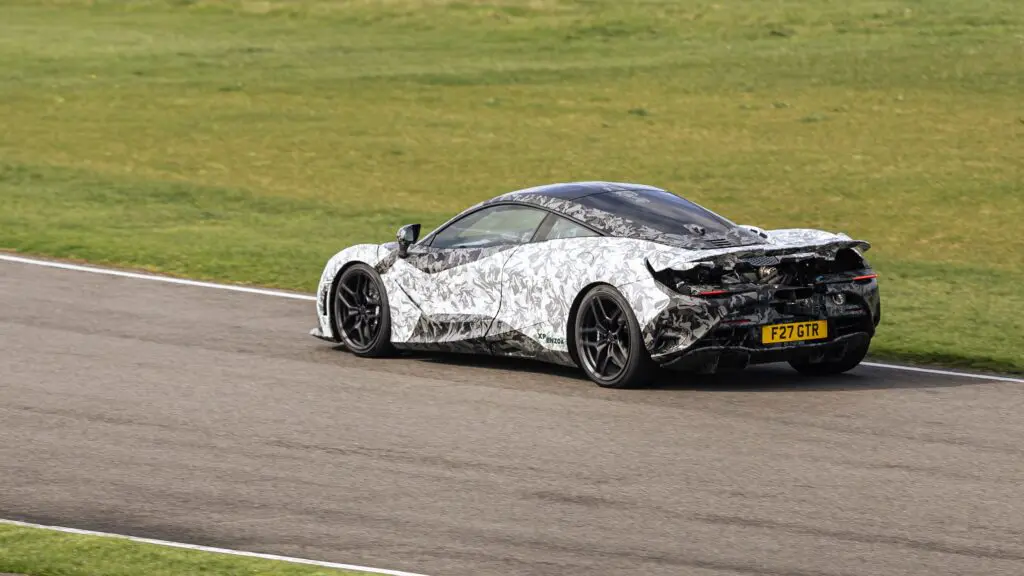
Production 95-59s will be built around McLaren 750S donor cars, with the carbonfibre tub and 4.0-litre twin-turbocharged V8 both significantly modified. Power increases to 850bhp, representing a 100bhp increase over standard, while the bespoke carbonfibre body and redesigned dihedral doors push the target weight to 1250kg, roughly 160kg lighter than the donor. The test mule is already considerably lighter than a standard 750S, with another 100kg still to find before production.
Practicality, as with Gordon Murray’s original F1, has been genuinely considered. A luggage bin beneath the front clamshell matches the 750S’s 150 litres of front storage space, and the rear passenger area adds further carrying capacity when driving solo. Such attention to detail is a hallmark of the firm’s portfolio and a direct reflection of company founder Dean Lanzante.
As the man responsible for maintaining and running the Le Mans-winning F1 GTR, and someone with firsthand experience of its spiritual successors, Dean has a deep understanding of what’s required for a car with a central driving position. ‘I know what I like in those cars and I know what works,’ he tells me in the Motor Circuit paddock.
Dean’s three-seater expertise and attention to detail are evident in the interior ergonomics, packed with details catering to the unusual cabin layout. The electrochromic sunstrip, for example, replaces conventional sun visors that would be useless to someone seated in the middle, eliminating that pesky gap through which sunlight would otherwise hit them square in the eyes.
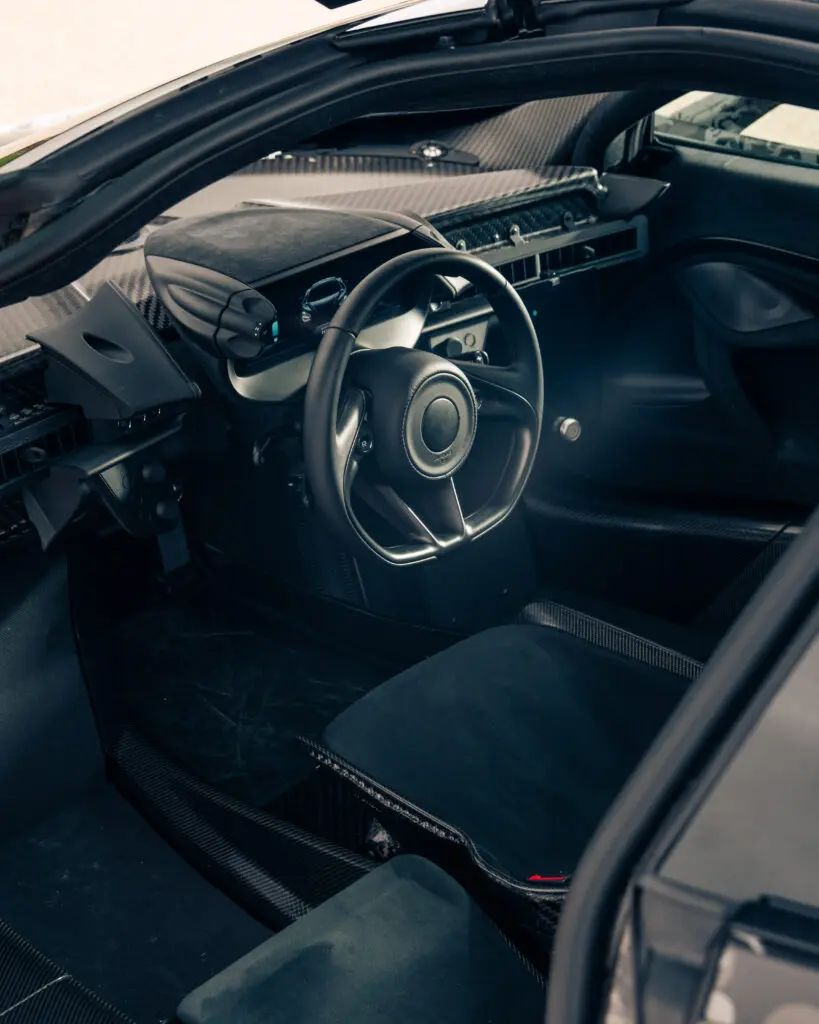
Reverse and neutral are selected via steering wheel-mounted buttons borrowed from the P1 GTR so that they’re intuitive to use whether you’re manoeuvring in a car park or wearing a crash helmet. Key switchgear is grouped in a central windscreen panel, as in the McLaren Senna, with window switches flanking it on either side so they’re within reach of all three occupants. In the mule, infotainment and climate controls are mocked up in 3D-printed placeholder panels either side of the driver’s knees.
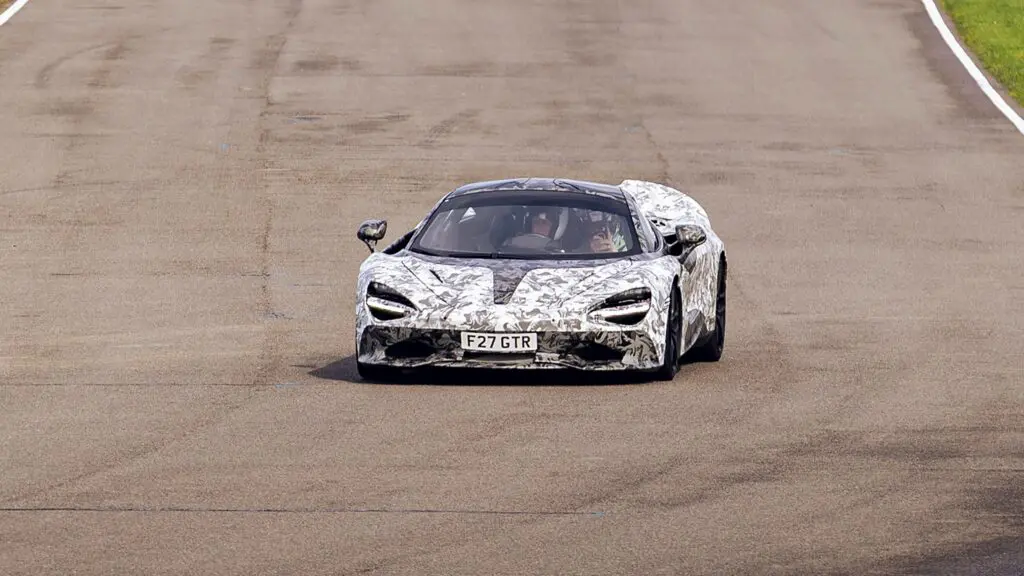
Although this is a test mule and I’m sitting in one of the two passenger seats, the 95-59 proves to be a thrilling machine out on the Motor Circuit, particularly with test driver and Nürburgring 24 Hours winner Edward Sandström at the wheel.
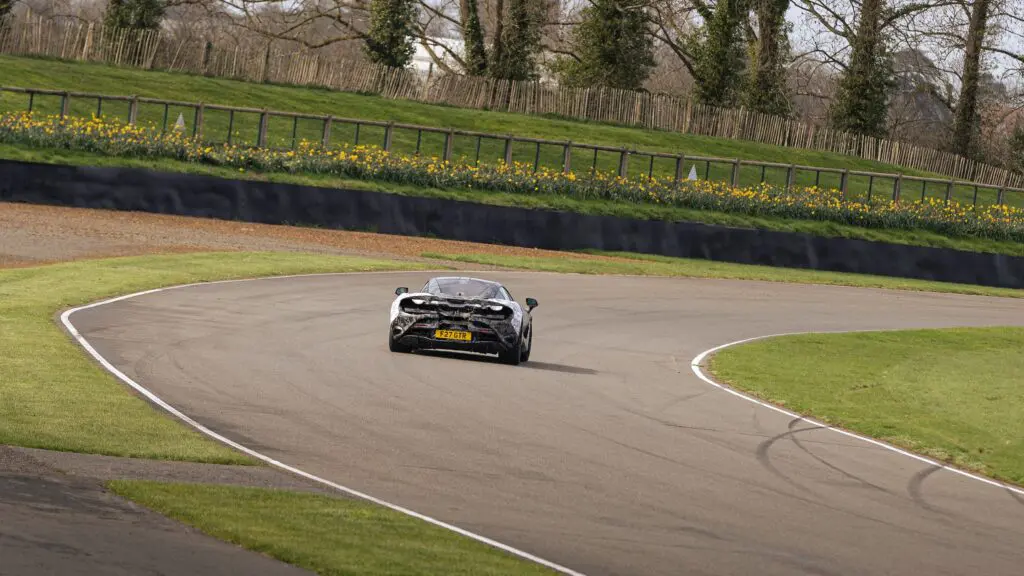
Unsurprisingly given its origins, the mule feels breathtakingly fast and aggressive, the McLaren-derived V8 filling the cockpit with an angry soundtrack as Sandström hustles the car around the 2.4-mile circuit. What’s totally alien is the view. Sitting behind and to one side of the driver, you can observe his every input, and the reclined seating position offers a surprising amount of legroom – even for those above six feet tall.
With first deliveries expected later this year, 95-59 prices start from £1.3m plus the cost of a donor car. The 59 examples join a very short list of three-seat hypercars, and it’s only fitting that the team behind the Le Mans win now has a seat at the table.
Click here for more.