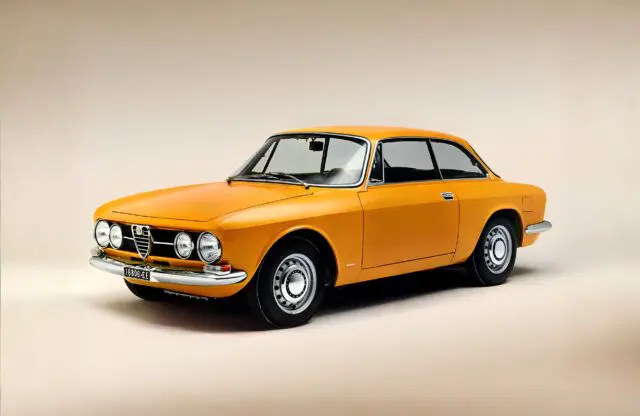
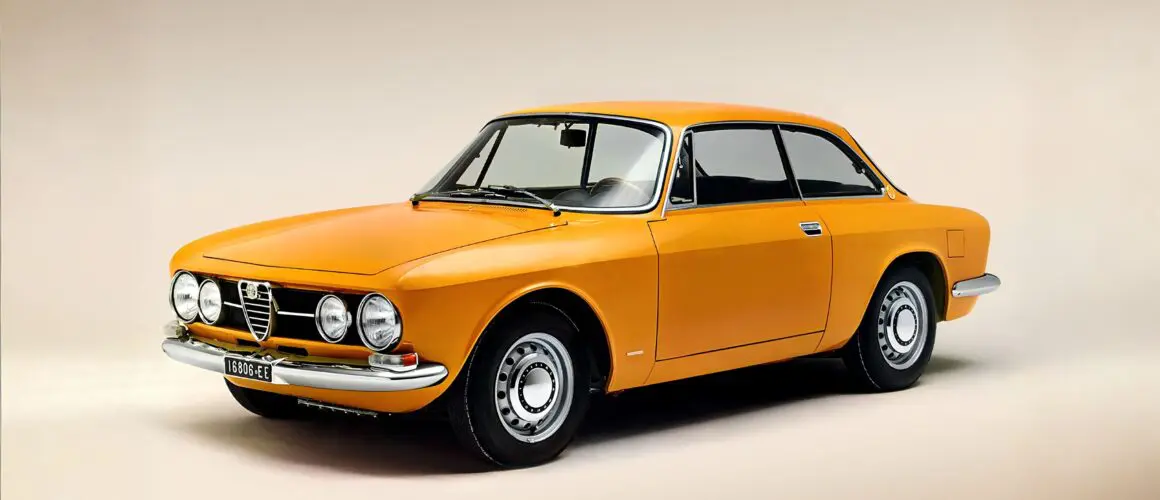
If ever there was a classic Alfa Romeo that encapsulates everything enthusiasts love about the marque, it is the Giulia 105 Series. Stylish, agile and blessed with one of the finest twin-cam engines of its era, the Bertone-designed coupé has long been regarded as one of the most rewarding classic sports cars to own and drive. Combining elegant Italian styling with advanced engineering and a competition pedigree that continues to resonate today, the Giulia remains a cornerstone of the classic Alfa Romeo world.
Launched in 1963 as the Giulia Sprint GT, the new coupé represented a significant step forward from its predecessor. Styled by a young Giorgetto Giugiaro while working at Bertone, it featured crisp, modern lines and a distinctive ‘stepnose’ bonnet treatment on early cars. Under the bonnet sat Alfa Romeo’s jewel-like all-alloy twin-cam four-cylinder engine, initially in 1.6-litre form and paired with a five-speed manual gearbox – a sophisticated specification for the period.
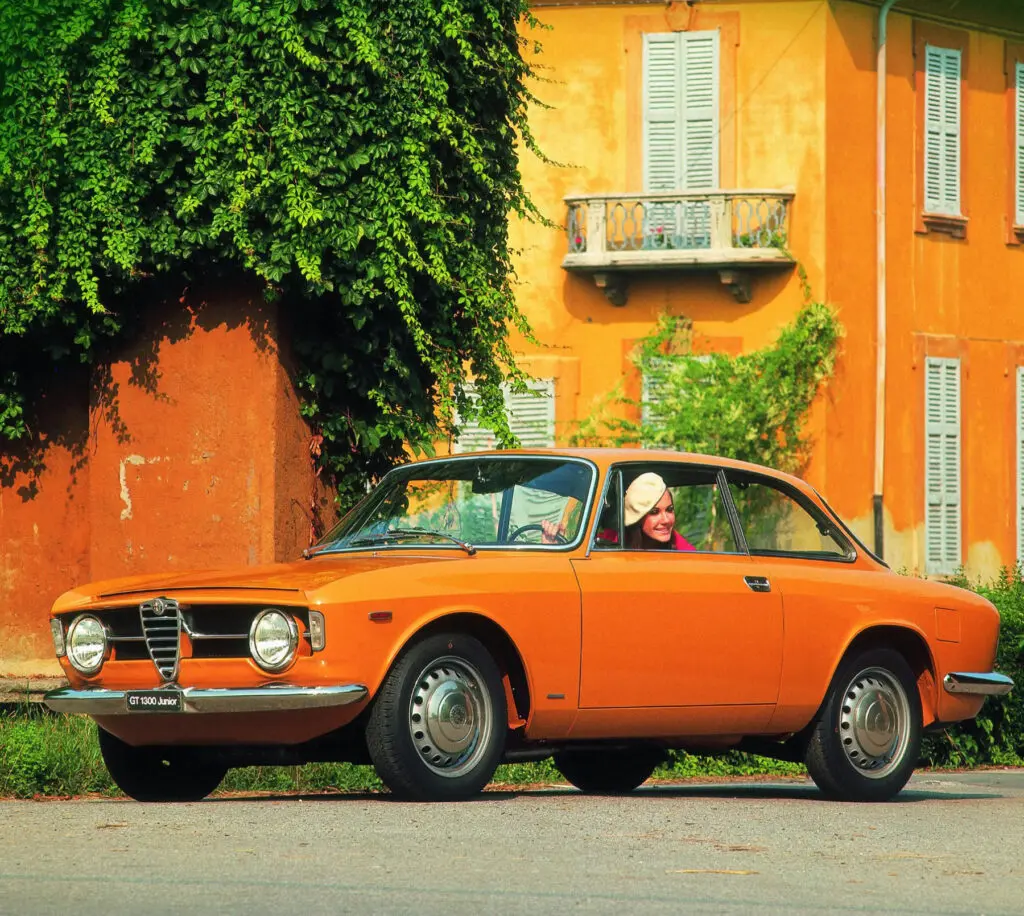
The range expanded quickly and in 1964 Alfa introduced the Giulia GTC convertible, built by Touring. Production was short-lived due to the coachbuilder’s closure, with only around 1000 examples completed, making it one of the rarest and most desirable variants today. A year later came the GT 1300 Junior, offering much of the same driving enjoyment with a smaller-capacity engine and lower running costs.
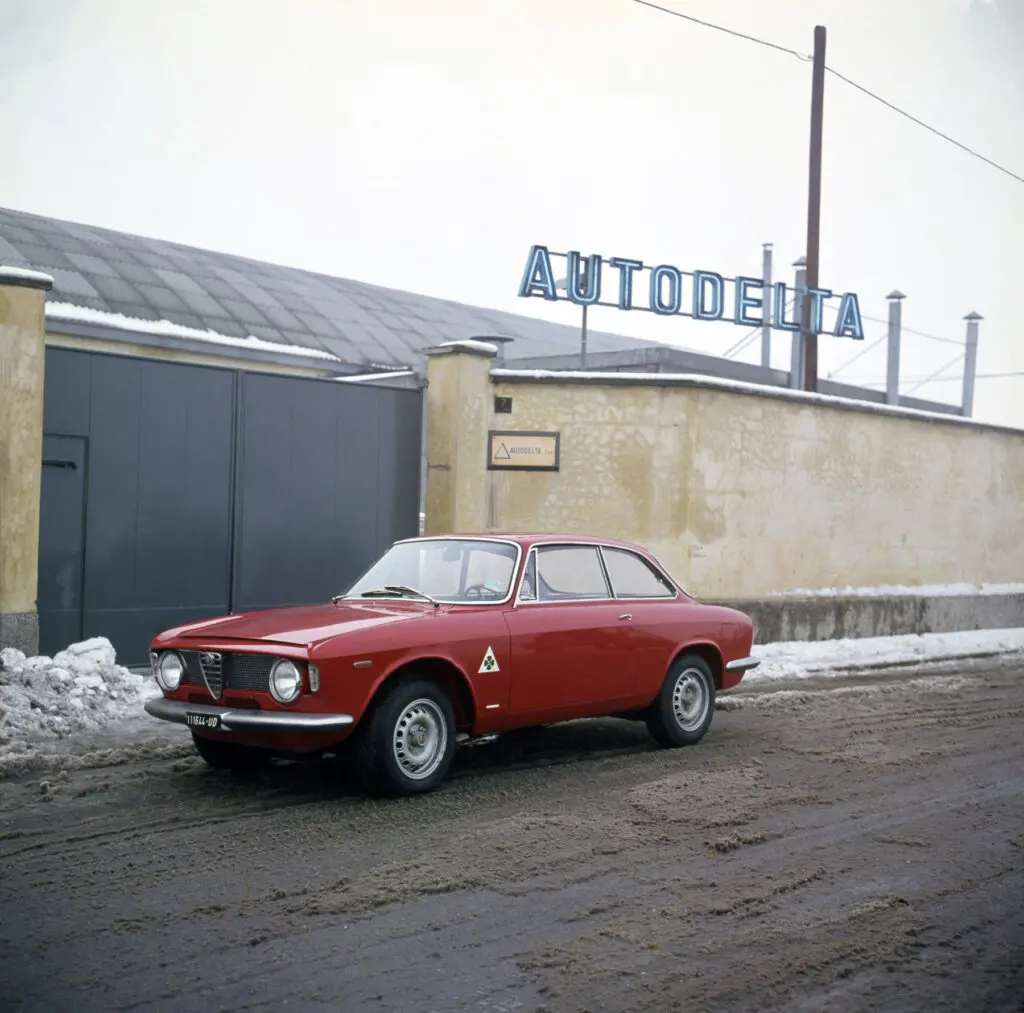
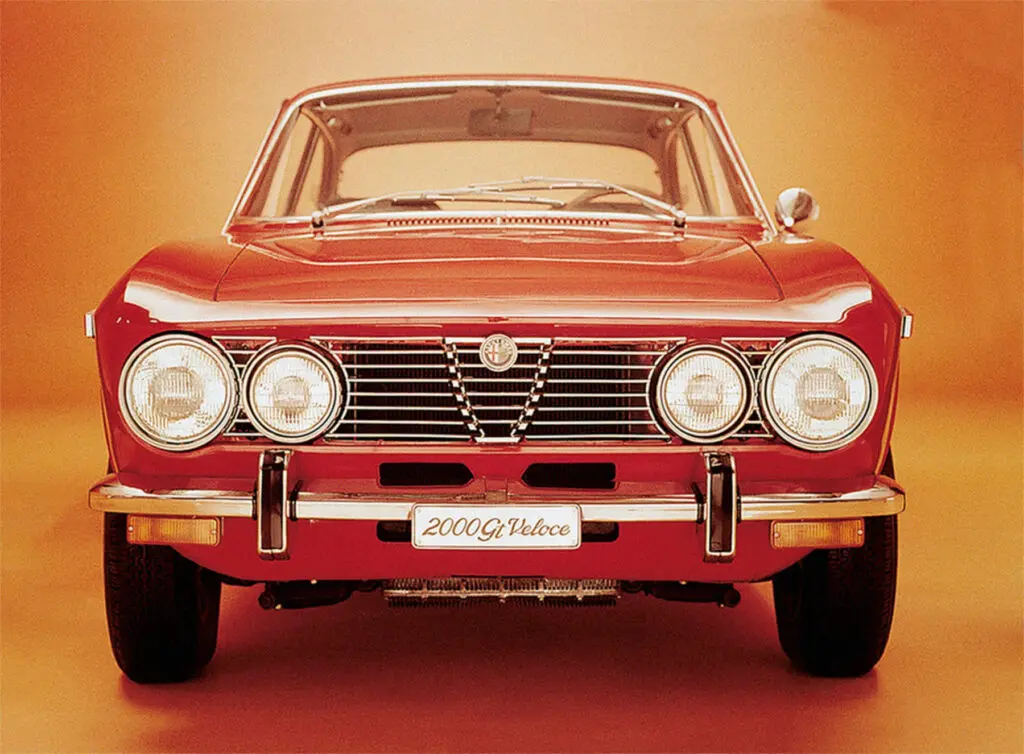
By 1966, the Sprint GT had evolved into the Sprint GT Veloce, gaining a more luxurious interior and a useful power increase. The arrival of the 1750 GT Veloce in 1967 brought greater torque, improved flexibility and a number of chassis upgrades, while the distinctive step-front styling disappeared. For many enthusiasts, the 1750 strikes the ideal balance between performance, usability and classic appearance.
The range continued to evolve throughout the late 1960s and early 1970s. Zagato-bodied Junior Z models appeared in limited numbers, offering a more aerodynamic and distinctive interpretation of the Giulia formula. In 1971 the 2000 GTV replaced the 1750, bringing 130bhp and stronger performance, while revised Junior models continued alongside it. Production finally came to an end in 1977 after a remarkably successful 14-year run.
Part of the Giulia’s enduring appeal lies in its versatility. The lively twin-cam engine, communicative steering and well-balanced chassis make even modestly powered versions hugely entertaining. While the ultra-rare GTA competition models sit in a different league altogether, even the entry-level GT 1300 Junior offers a wonderfully sweet driving experience. With strong specialist support and excellent parts availability, these cars remain among the most usable and rewarding Italian classics of their era.
Common problems
Engine and drivetrain
• All Giulias use Alfa Romeo’s alloy twin-cam four-cylinder engine. Listen for persistent timing-chain and tappet noise after start-up, as excessive rattling may indicate wear requiring attention.
• Check carefully for signs of cylinder-head or head-gasket problems. A mayonnaise-like residue under the radiator cap can indicate coolant contamination.
• Twin carburettors require regular adjustment and servicing to maintain smooth running. Cars fitted with SPICA fuel injection should be checked by a specialist familiar with the system.
• Many Giulias have been modified over the years, often using larger-capacity Alfa engines. Confirm that any upgrades were carried out professionally and ensure the work is documented.
• The five-speed gearbox is generally durable, but baulking between first and second gears often points to worn synchromesh components. Difficulty selecting reverse can indicate selector-fork wear.
Suspension and brakes
• Suspension is fundamentally robust, but worn bushes and tired dampers can significantly affect handling. Fresh components transform the driving experience and are a worthwhile investment.
• Cars that have stood unused for long periods often suffer from seized brake calipers and servo issues. A full inspection of the braking system is recommended before purchase.
Bodywork
• Corrosion is by far the biggest concern. Earlier cars are particularly vulnerable, and structural rust can render restoration financially unviable if left unchecked.
• Inspect wheelarches, sills, footwells, doors, screen surrounds, jacking points, suspension mounts and the firewall carefully. Fresh paintwork may conceal poor-quality repairs.
• Replacement body panels for rarer variants such as the GTC and Junior Z can be difficult and expensive to source, making originality and condition especially important.
Interior and electrics
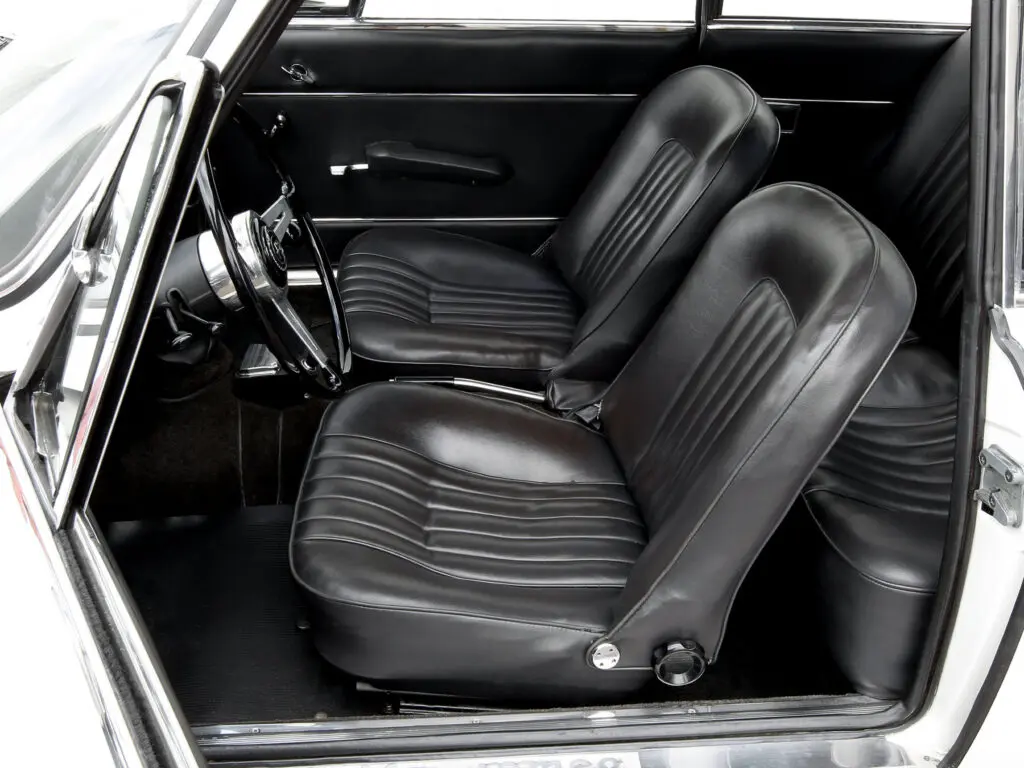
• Interior trim parts are available, but replacing missing or damaged components can become costly. Check that all switchgear, instruments and trim pieces are present.
• Electrical systems are generally reliable, with most faults stemming from poor earth connections, corroded switches or damaged wiring. Intermittent faults can be time-consuming to diagnose.
What to pay?
The Alfa Romeo Giulia 105 Series market has matured considerably in recent years, with values now reflecting the model’s status as one of the most desirable and usable Italian classics of the era. While projects can still occasionally be found below £20,000, restoration costs are always substantial, meaning that body condition remains the single biggest determinant of value.
At the entry point, a usable GT 1300 Junior or GT 1600 Junior generally starts in the mid-£20,000s, with particularly original or freshly restored examples comfortably exceeding £40,000. The more powerful and highly regarded 1750 GTV sits higher in the market, with average-condition cars valued at around £35,000-40,000 and exceptional examples often achieving £50,000-60,000 or more. Current asking prices for well-presented 1750 GTVs frequently fall within this range.
The later 2000 GTV occupies a similar position, with good examples typically changing hands for around £35,000-50,000 depending on provenance, originality and specification. Rare derivatives such as the Giulia GTC convertible, Zagato-bodied Junior Z and, especially, genuine GTA models command significantly higher premiums and operate in a market of their own.