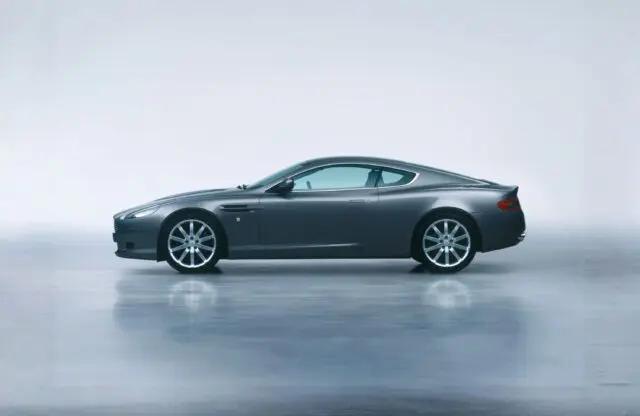
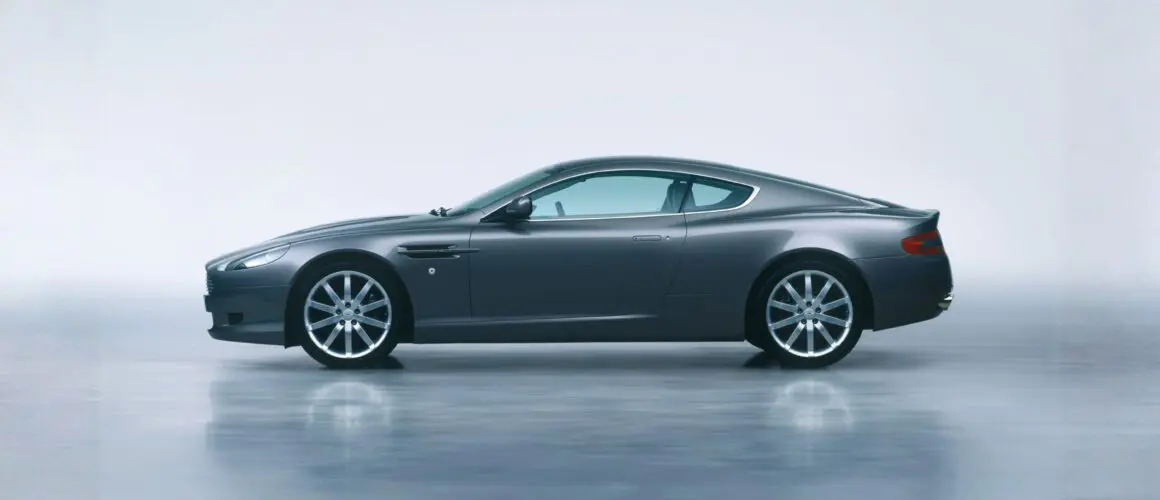
There are few grand tourers that age with the grace of the Aston Martin DB9. Launched in 2004 as the first production model to emerge from Aston Martin’s all-new Gaydon headquarters, it marked a turning point for the British marque. Beautifully proportioned, powered by a charismatic naturally aspirated V12 and engineered to a far higher standard than its predecessors, the DB9 combined breathtaking looks with genuine everyday usability. More than 20 years after its debut, it remains one of the most elegant modern Astons ever built.
Replacing the DB7 was never going to be straightforward, as the outgoing car had transformed Aston Martin’s fortunes during the late 1990s, but the DB9 represented a clean-sheet design. Built around the company’s new bonded aluminium VH (Vertical Horizontal) architecture, it was lighter, stiffer and considerably more sophisticated than the DB7 it succeeded. Under the bonnet sat a revised version of Aston Martin’s familiar 5.9-litre V12, delivering effortless performance accompanied by one of the finest exhaust notes of any modern GT.
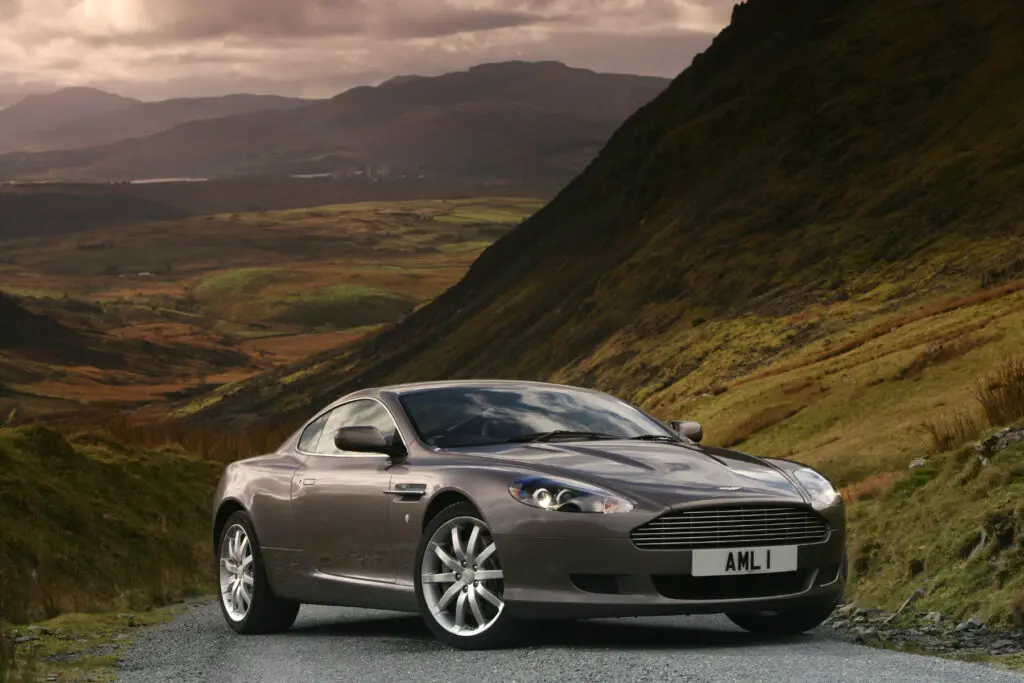
From launch, buyers could choose between a six-speed manual gearbox or a ZF-sourced six-speed automatic transmission. While the manual appealed to purists, the automatic quickly became the more popular option thanks to its relaxed character, suiting the DB9’s role as a continent-crossing grand tourer. Midway through 2004, the elegant Volante convertible joined the range, sacrificing little of the coupé’s visual appeal while adding open-air refinement.
One of the DB9’s greatest strengths is that Aston Martin never stopped improving it and rather than relying on wholesale redesigns, the company introduced a steady programme of mechanical and cosmetic updates throughout production. As a result, later examples feel noticeably more polished.
The first significant revision arrived in 2006 with the optional Sport Pack. Revised suspension settings sharpened handling and reduced body roll, although the trade-off was a slightly firmer ride. It remains a desirable option today, particularly for buyers intending to use their DB9 enthusiastically on challenging roads.
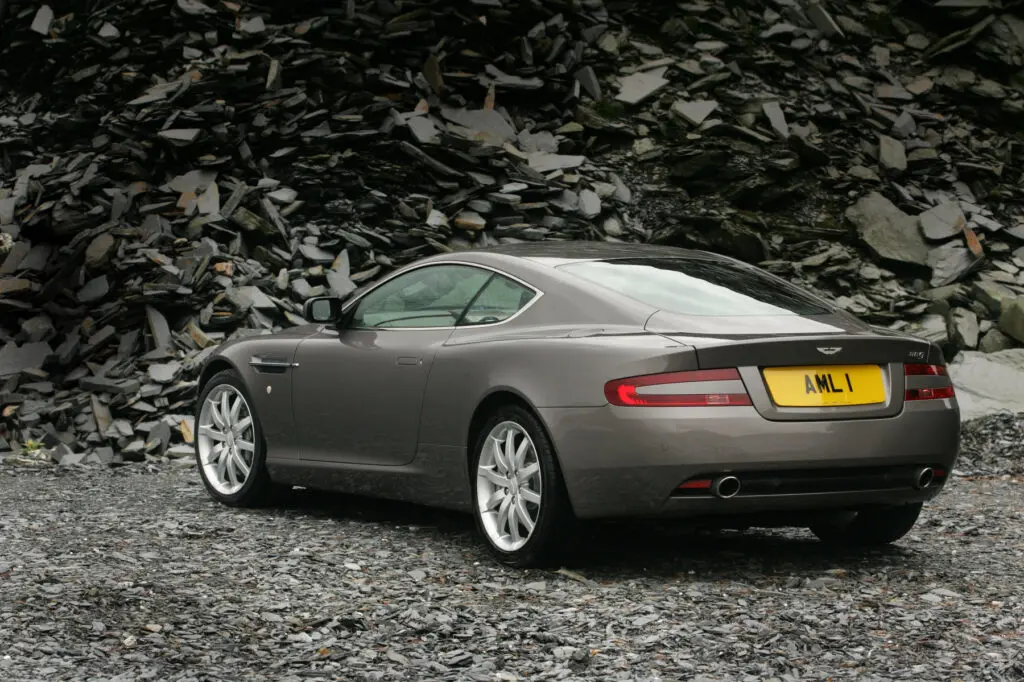
A more substantial update followed in 2009. Engine output climbed from 450bhp to 470bhp, accompanied by improvements to both the chassis and automatic transmission. These changes gave the DB9 a more cohesive feel while retaining its effortless long-distance cruising ability. For many buyers, these facelift cars represent the sweet spot between value and usability.
Further revisions arrived in 2011 with subtle styling alterations, adaptive dampers and the introduction of several attractive special editions. The final major update came in 2013, when power increased again to 510bhp alongside LED lighting revisions and minor exterior changes. Production concluded with the 540bhp DB9 GT in 2015 before the model finally bowed out in 2016, making way for the DB11.
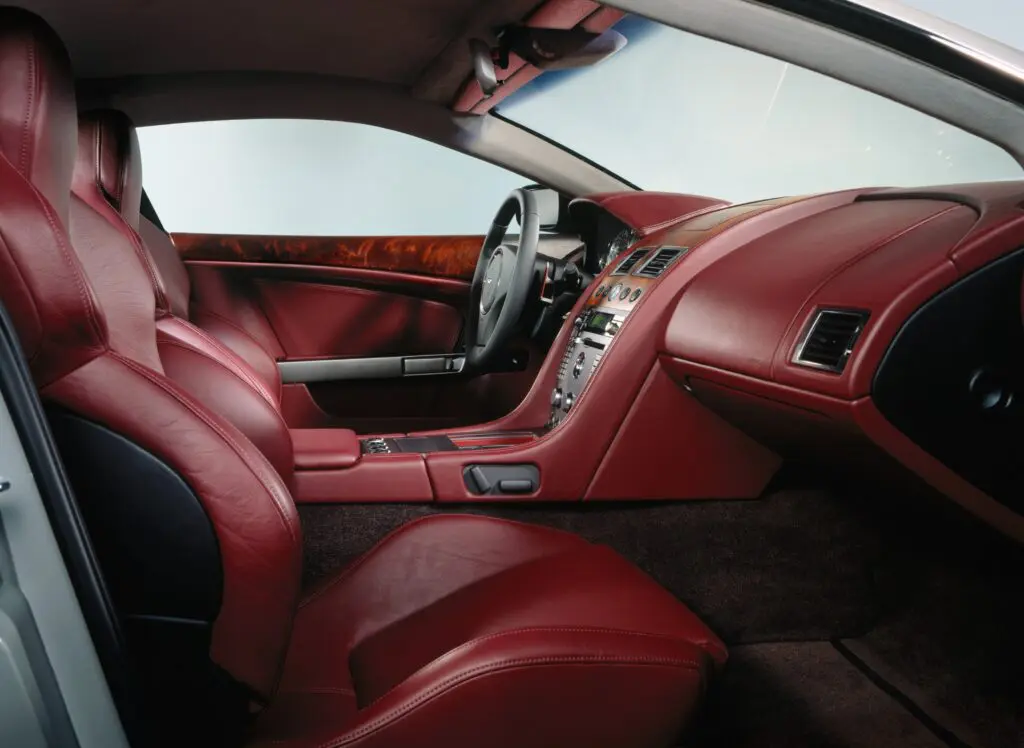
Although later rivals eventually surpassed the DB9 in outright performance and technology, few could match its sense of occasion. Even today, every journey feels special thanks to the combination of flawless proportions, a beautifully trimmed cabin and that wonderfully cultured V12. Unlike many modern performance cars, the DB9 never feels intimidating. Instead, it excels as a refined grand tourer capable of crossing countries in supreme comfort before delivering genuine pace when the road begins to twist.
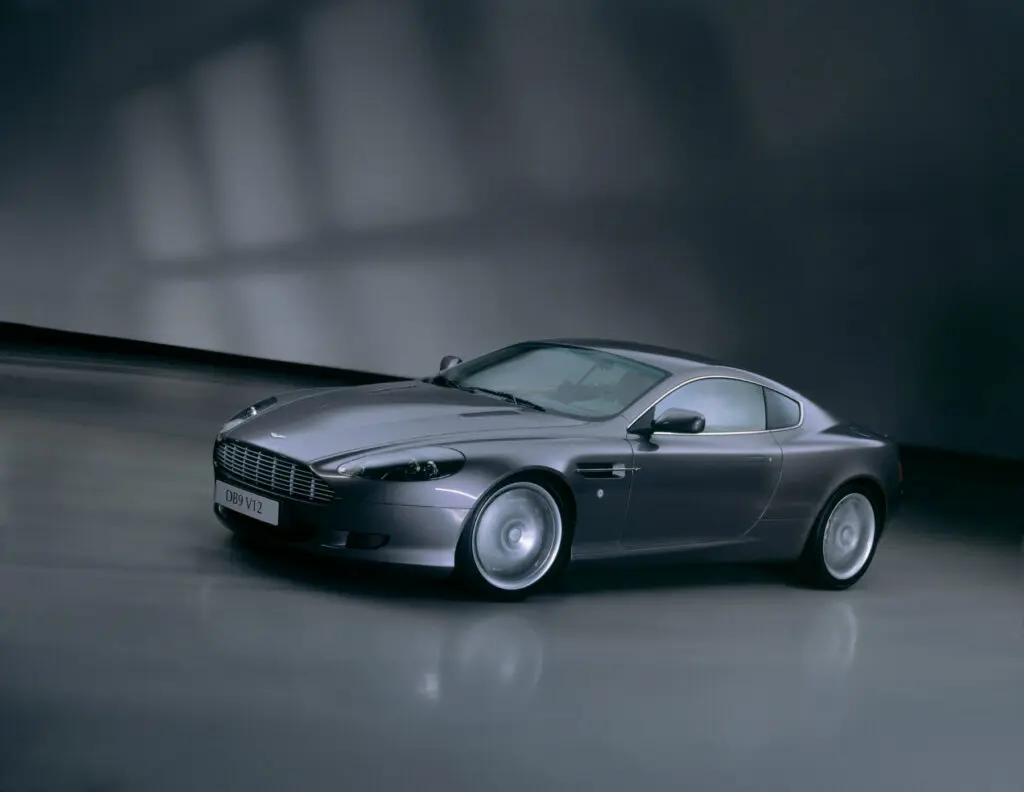
Values have become surprisingly accessible in recent years, making the DB9 one of the most affordable routes into modern Aston Martin ownership. Buyers should remember, however, that maintenance costs remain firmly in keeping with the car’s original six-figure list price, and neglected examples can quickly become expensive liabilities. Fortunately, the DB9’s underlying engineering is fundamentally robust, and a well-maintained example offers one of the most rewarding ownership experiences available at the price. As ever, condition and service history matter far more than simply buying the cheapest car available.
2004 Aston Martin DB9 specifications
| Engine | 5935cc naturally aspirated V12 |
| Power | 450bhp |
| Transmission | Six-speed manual or six-speed ZF automatic |
| Drive | Rear-wheel drive |
| Top speed | 186mph |
| 0–60mph | 4.8sec |
| Fuel economy | 18mpg |
Common problems
Engine
• The 5.9-litre V12 is a development of the DB7 unit and is fundamentally robust, provided servicing has been carried out every 10,000 miles or annually.
• Faulty ignition coil packs are one of the more common issues. Hesitation under acceleration or persistent misfires usually point towards failing coils.
• Cars built during the early part of 2007 were subject to a recall concerning a battery supply cable that could short circuit beneath the passenger seat. Confirm that recall work has been completed.
Transmission
• The ZF six-speed automatic is generally dependable and suits the DB9’s grand touring character well. It’s not the quickest shift, but ensure changes are smooth and free from hesitation.
• Early automatic cars were recalled because of an issue affecting the parking brake engagement.
• An intermittent fault causing the transmission to select neutral can occur if the gear selector control switches earth against the chrome surround.
• Manual examples are considerably rarer and command a significant premium. Check for resistance or crunching when selecting second gear, which may indicate synchro wear.
• Frequent clutch replacements can point towards hard use.
Suspension and brakes
• Cars built between 2007 and 2009 were subject to recalls relating to subframe bolts and front suspension cam bolts that could affect steering precision. Confirm these updates have been completed.
• Listen for suspension knocks or rattles over uneven surfaces. Uneven tyre wear can indicate worn control arms or poor wheel alignment.
• Rear tyres wear noticeably faster than the fronts, while brake pads often require replacement at similar intervals. Brake discs themselves generally prove durable.
Bodywork
• Although the aluminium body resists rust well, corrosion can develop around the edges of certain panels. Inspect the wheelarches, doors and bootlid carefully.
• The bonded aluminium construction requires specialist repair techniques. Look underneath for evidence of accident damage, poor repairs or scraped undertrays.
• On Volante models, ensure the powered hood operates smoothly and that the fabric shows no tears, excessive wear or signs of water ingress. Hood repairs can be labour-intensive and expensive.
Interior and electrics
• The cabin wears well, although heavily creased driver’s seat bolsters, worn switchgear and scuffed handles can indicate high mileage or hard use.
• Minor dashboard creaks and rattles are relatively common and are generally nothing to worry about.
• Early Linn audio systems have a reputation for unreliability. Later Alpine units are generally more dependable, while some cars may have been upgraded with aftermarket systems.
• There was recall affecting heated seat controls for 2006-2014 cars. Check that the work has been completed.
• Other electrical faults can affect the tyre pressure monitoring system, electric seat controls and the electronic gear selector, so ensure every function operates correctly.
What to pay?
The DB9 continues to represent one of the most appealing bargains in the modern Aston Martin market, but buying purely on price is rarely wise. Early cars with incomplete histories can still be found from around £18,000, yet these are increasingly cars requiring significant mechanical or cosmetic expenditure, and deferred maintenance can quickly wipe out any initial saving.
Facelift models introduced from 2009 benefit from worthwhile mechanical improvements and command a corresponding premium, while post-2011 cars with adaptive dampers and the uprated 510bhp engine remain especially desirable. Manual gearboxes are exceptionally rare and highly sought after, particularly when paired with understated colour combinations and the optional Sport Pack. Volantes are equally attractive, although manual examples are virtually unobtainable.
As a guide, an early 2005 coupé starts at around £22,000 for a usable example, with £30,000-£35,000 securing a good, well-maintained car with comprehensive history. Exceptional early cars now command £40,000-£45,000, while the best low-mileage 4.7-litre examples regularly exceed £50,000 and rare manual or special-edition derivatives sit considerably higher.