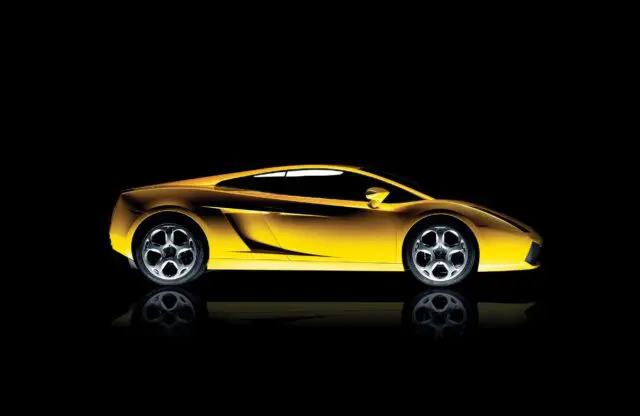
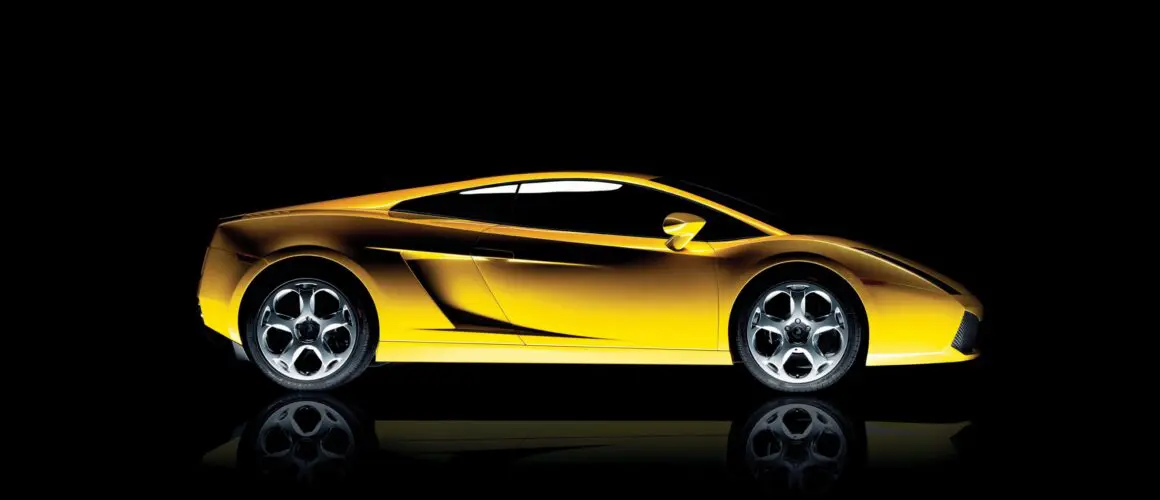
Few modern Lamborghinis have transformed the fortunes of the company quite like the Gallardo. Before its arrival, the Sant’Agata manufacturer had effectively become a one-model brand, relying almost exclusively on successive generations of dramatic V12 supercars. While the Diablo and, later, the Murciélago cemented Lamborghini’s reputation for outrageous styling and astonishing performance, they also occupied a niche market. There was room for something smaller, more approachable and, crucially, capable of attracting a wider audience.
The idea of a junior Lamborghini was nothing new. During the 1990s the striking Cala concept hinted at what such a car might look like, but it never progressed beyond the show stand. The previous entry-level model, the Jalpa, had disappeared from the catalogue in 1988, leaving Lamborghini without a more accessible offering for well over a decade.
Everything changed following Volkswagen Group’s acquisition of Lamborghini in 1998. Backed by Audi’s engineering expertise and investment, development accelerated and, in 2003, the Gallardo finally made its debut. Powered by a brand-new naturally aspirated 5.0-litre V10, it slotted neatly beneath the Murciélago, offering supercar performance in a package that was considerably easier to drive and live with every day.
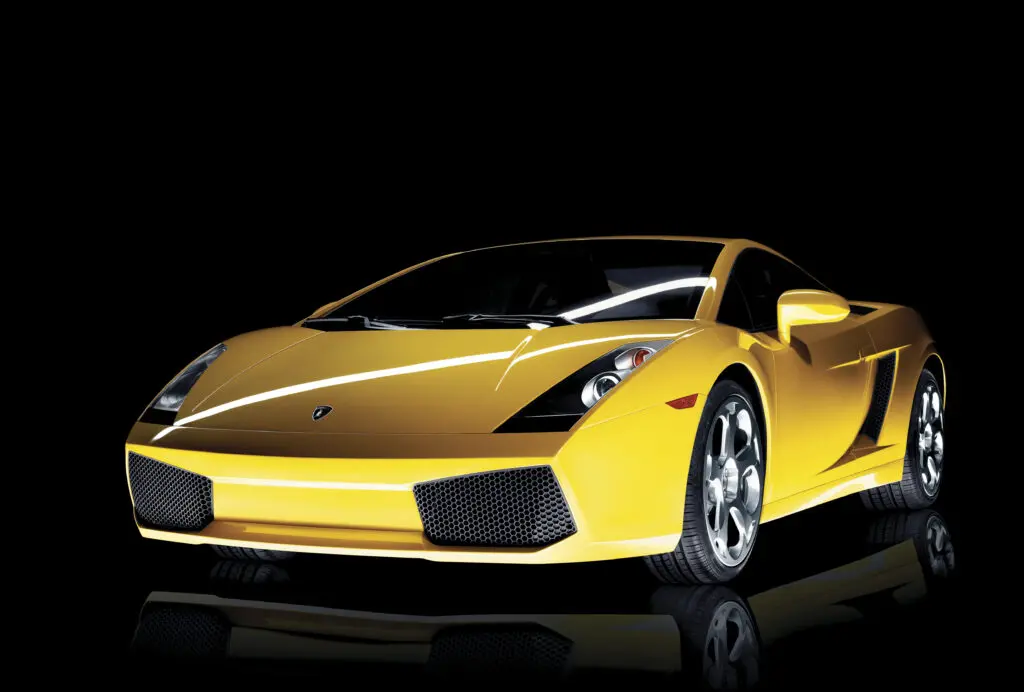
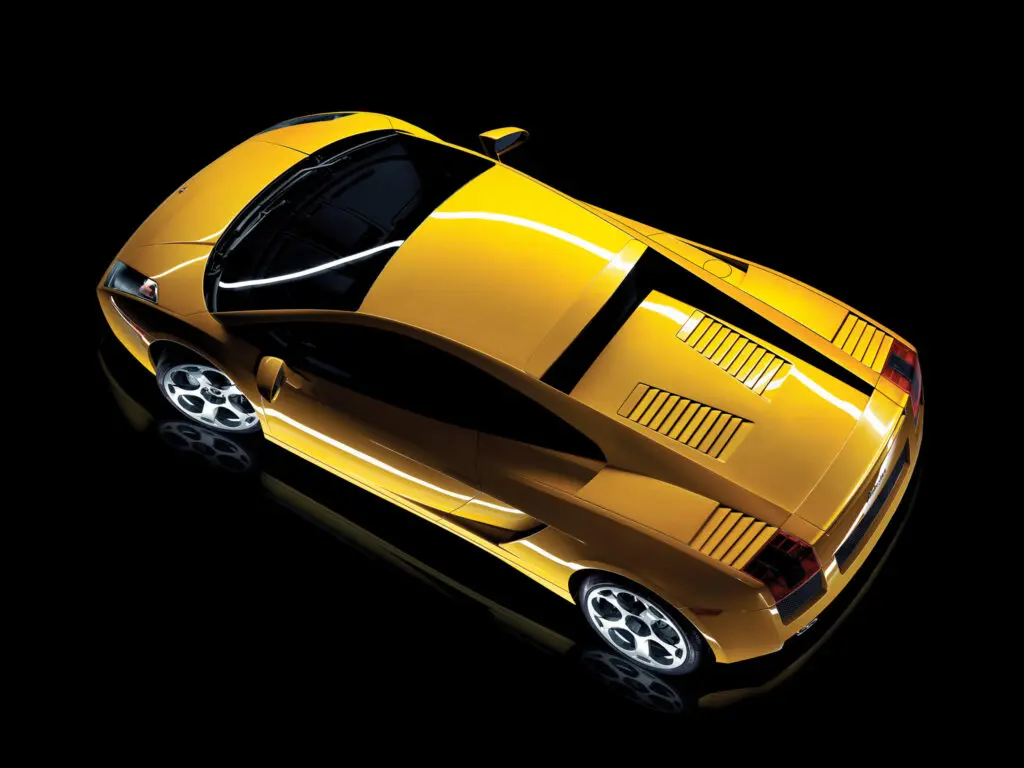
It proved to be exactly what Lamborghini needed. Smaller dimensions, improved visibility and far greater refinement opened the brand to buyers who may previously have found its V12 flagships a little intimidating. Yet despite its increased usability, the Gallardo never lost sight of Lamborghini’s core values. Its crisp styling, dramatic proportions and spine-tingling V10 soundtrack ensured it remained every inch an exotic supercar.
Early cars were available solely as coupes, with buyers choosing between a conventional six-speed manual gearbox or Lamborghini’s single-clutch ‘e-gear’ automated manual transmission. The latter proved particularly popular, offering paddle-operated shifts that reflected the Formula 1-inspired technology of the era, although the traditional manual remains the rarer and more sought-after option today.
The Spyder joined the range in 2006, bringing open-top motoring without significantly diluting the Gallardo’s sharp driving experience. Meanwhile, Lamborghini steadily refined the model throughout its life. A 2005 update introduced suspension and steering improvements alongside a revised exhaust system that liberated more of the glorious V10 soundtrack. Power also increased slightly to 513bhp, while revised gearing sharpened acceleration.
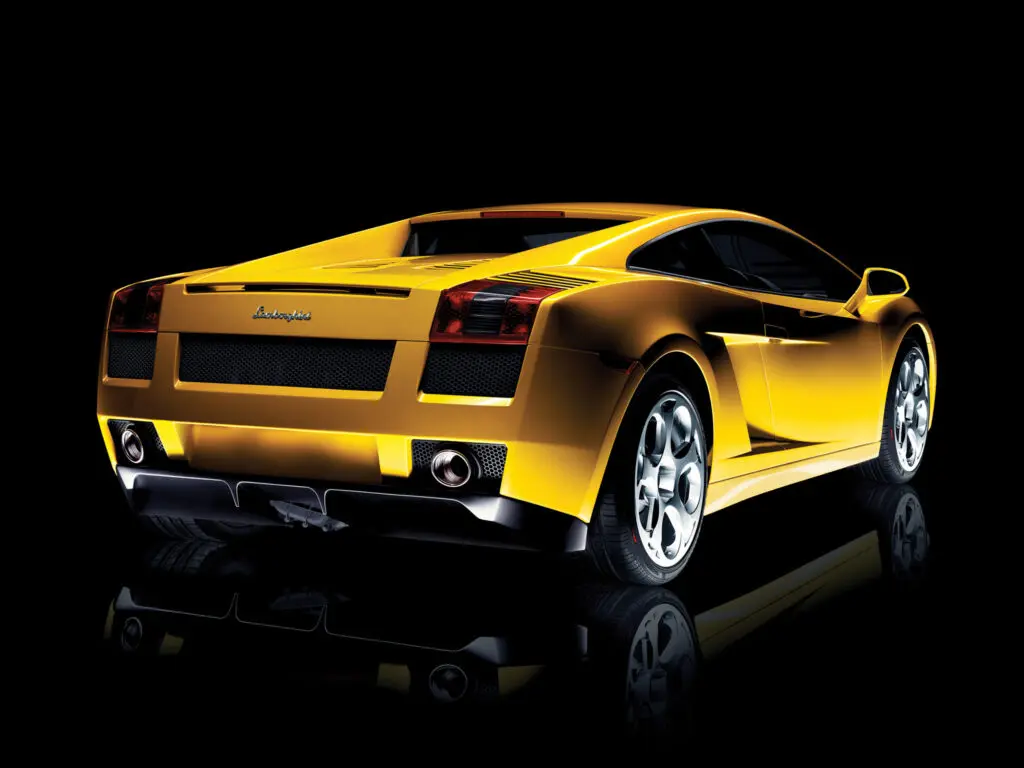
The most significant revision arrived in 2008 with the introduction of the LP 560-4. Although easily recognised by its redesigned front bumper, shorter headlamps and revised rear styling inspired by the limited-production Reventón, the biggest changes lay beneath the skin. Capacity increased to 5.2 litres, power climbed to 552bhp and fuel efficiency improved. The updated e-gear transmission also shifted considerably faster and introduced launch control via Lamborghini’s ‘Thrust Mode’ system.
The revised naming convention introduced at the same time made deciphering Gallardo variants much easier. The first number represented engine output in metric horsepower, while the digit after the hyphen indicated the number of driven wheels.
Performance enthusiasts are particularly well served by the Gallardo’s numerous special editions. The Superleggera quickly established itself as one of the most desirable variants, stripping significant weight through the use of forged alloy wheels, lightweight glazing and carbonfibre bucket seats. Revised suspension, additional aerodynamic aids and a modest increase in power combined to produce an even sharper driving experience.
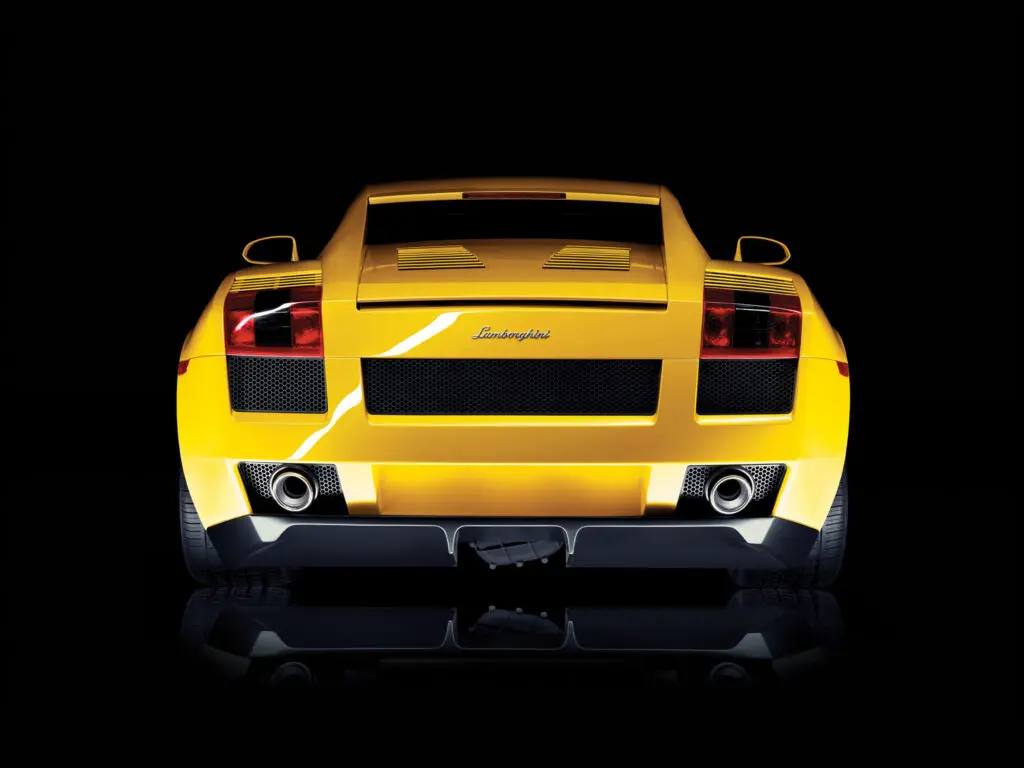
Lamborghini later pushed the concept further still with the LP 570-4 Superleggera, before introducing the open-top Spyder Performante using much the same recipe. Arguably the most extreme road-going version arrived as the Super Trofeo Stradale, inspired directly by the marque’s one-make racing championship. Even lighter than the Superleggera, it gained an enormous rear wing producing substantially more downforce and remains among the most collectable Gallardos built.
Driving purists often gravitate towards the LP 550-2 Balboni, introduced in 2010 and named after legendary Lamborghini test driver Valentino Balboni. By sending power solely to the rear wheels and removing the front driveline, Lamborghini reduced weight while creating a more involving driving experience. The formula proved so popular that a rear-wheel-drive LP 550-2 subsequently became the entry point to the Gallardo range.
In total, 14,022 Gallardos were built between 2003 and 2013, making it comfortably Lamborghini’s best-selling model until the arrival of its successor, the Huracán. More importantly, it redefined expectations of what a Lamborghini could be: still dramatic and thrilling, but now dependable enough to use regularly. Today, it occupies an increasingly attractive position in the modern classic market, combining naturally aspirated performance, analogue character and everyday usability in a way few contemporary supercars can match.
Common problems
Transmission and clutch
• Clutch wear is one of the biggest ownership costs, particularly on cars fitted with the e-gear transmission. Hard launches and urban driving accelerate wear.
• One advantage of e-gear models is that Lamborghini dealers and specialists can interrogate the ECU to determine the remaining clutch life before purchase.
Brakes
• Brake wear can be significant, especially on cars that have seen track use. Inspect discs and pads carefully, as replacement costs can be substantial.
• Original steel brake components can often be replaced with high-quality aftermarket alternatives offering similar or improved durability without significantly increasing costs.
Chassis and running gear
• The Gallardo’s notoriously weak handbrake is a characteristic rather than a fault. Even correctly adjusted examples may struggle to hold the car securely on steep inclines, so always leave it in gear when parked.
Interior
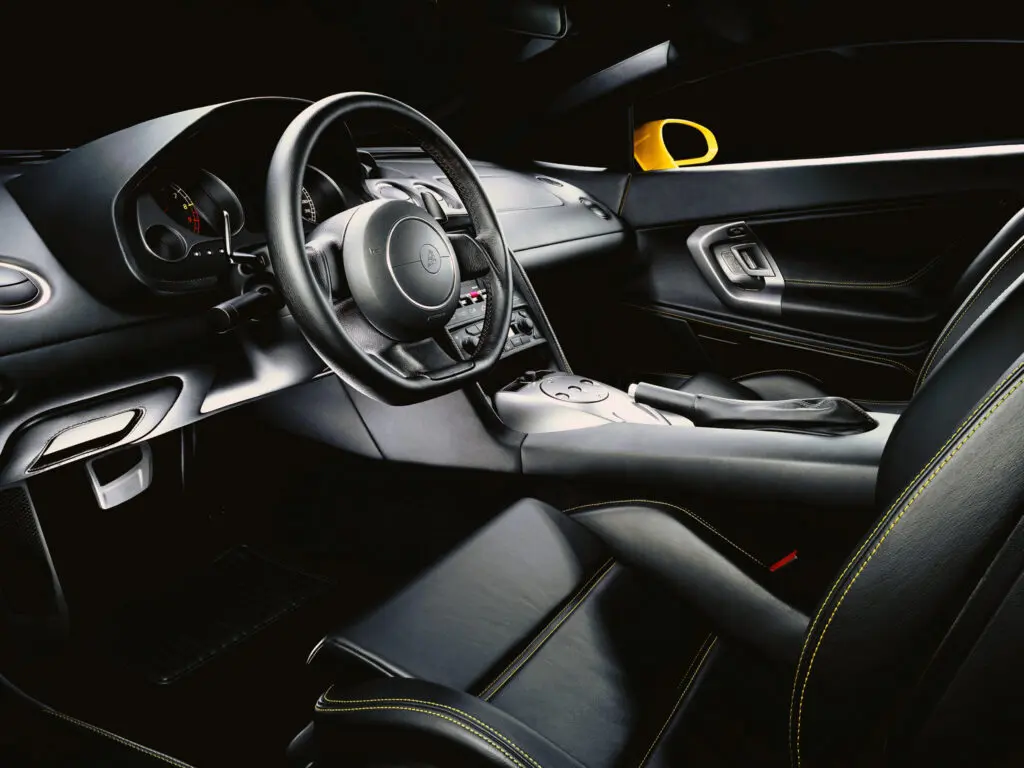
• Some interior switchgear and trim components are shared with other Volkswagen Group products, particularly Audi. This can work to an owner’s advantage, as some replacement parts are available more cheaply through Audi specialists than Lamborghini dealers.
• Inspect the cabin carefully for damaged trim, worn switchgear and poorly repaired components, as cosmetic refurbishment of unique Lamborghini parts can become expensive.
General checks
• As with any modern supercar, a comprehensive service history from recognised Lamborghini specialists is highly desirable and often more important than low mileage alone.
• Pay particular attention to evidence of track use. Heavy clutch wear, tired brakes and uneven tyre wear may indicate a harder life than the odometer suggests.
What to pay
Early Gallardos have now firmly established themselves as modern classics, with values strengthening as buyers increasingly appreciate their blend of analogue character and Audi-era usability. The cheapest high-mileage E-Gear cars can still be found from around £60,000, but a well-maintained coupe with sensible mileage and a comprehensive history is more likely to command £75,000-90,000. Spyder models generally remain slightly less sought after than equivalent coupes, although exceptional low-mileage examples can still achieve a premium.
The facelift LP 560-4 has moved comfortably into six-figure territory in today’s market. Good examples typically change hands for £90,000-120,000, reflecting the improved 5.2-litre engine, revised styling and significantly better transmission calibration. Rear-wheel-drive LP 550-2 models are rarer still, while the limited-production Valentino Balboni edition has become highly collectible, with the best cars now exceeding £200,000 and exceptional examples approaching £300,000.
The lightweight performance variants continue to lead the mainstream Gallardo market. LP 570-4 Superleggeras generally command between £140,000 and £180,000, while the Spyder Performante occupies a similar bracket, with outstanding, low-mileage examples capable of exceeding £180,000. As ever, originality, documented servicing and evidence of sympathetic ownership remain far more important than mileage alone, and manual cars continue to attract an increasing premium among enthusiasts.
Specifications
| Engine | 5204cc V10 |
| Power | 552bhp @ 8000rpm |
| Torque | 398lb ft @ 6500rpm |
| Transmission | Six-speed single-clutch e-gear automated manual |
| Top speed | 202mph |
| 0–60mph | 3.7sec |
| Fuel consumption | 20.6mpg |
| Wheelbase | 2560mm |
| Length | 4345mm |
| Width | 1900mm |
| Height | 1165mm |
| Weight | 1410kg |