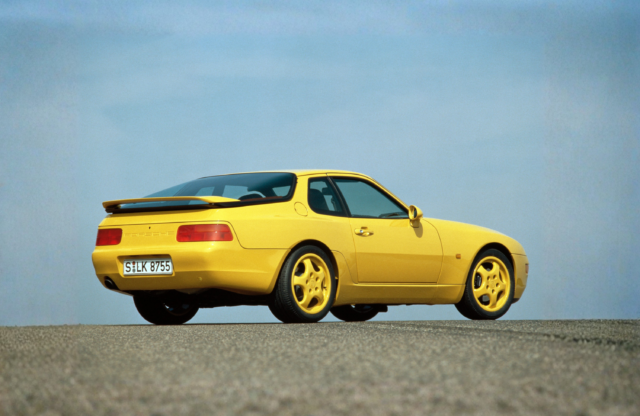
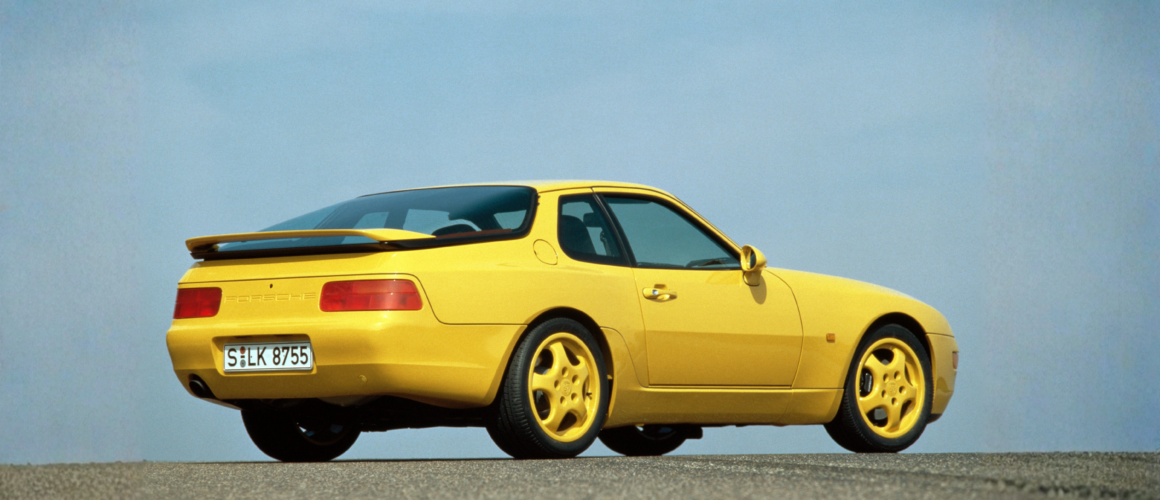
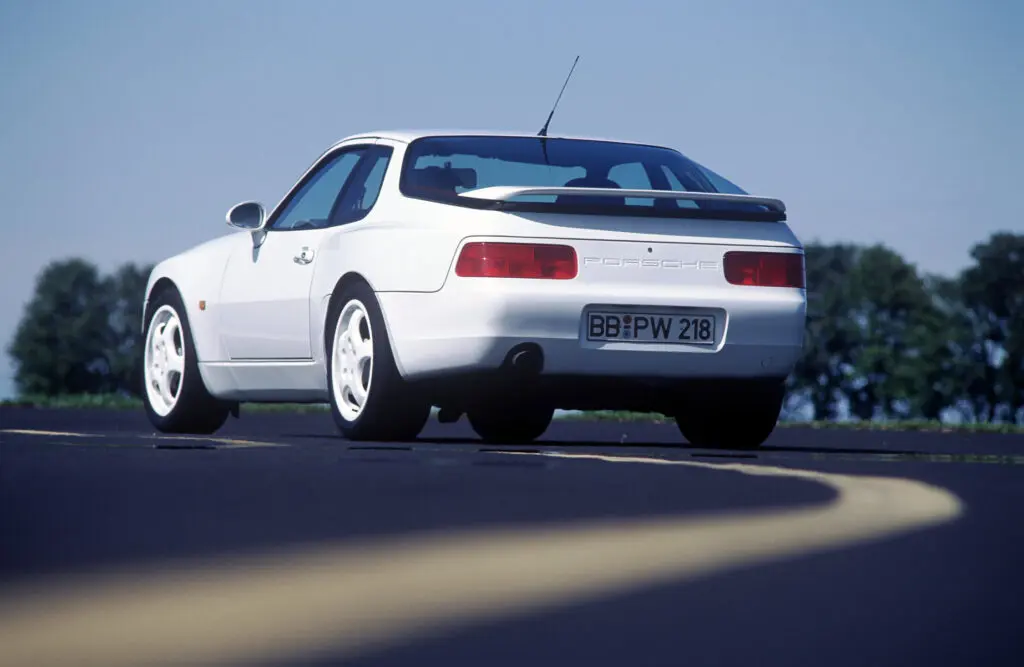
There are some cars that seem to have everything in their favour, yet somehow remain overlooked. The Porsche 968 is one such machine. Blessed with superb handling, impeccable build quality and a charismatic 3.0-litre four-cylinder engine, it has long lived in the shadow of Porsche’s rear-engined icons. That anonymity has ensured that, despite rising values, the 968 remains one of the most rewarding and usable Porsche classics of the modern era.
Introduced in 1991 as the successor to the 944, the 968 represented the final evolution of Porsche’s front-engined, four-cylinder sports car formula. Although the company was short of funds at the time, meaning much of the underlying architecture was carried over from the 944, around 80 per cent of components were revised. The result was a car that looked thoroughly modern while retaining the beautifully balanced transaxle layout that had made its predecessor so highly regarded.
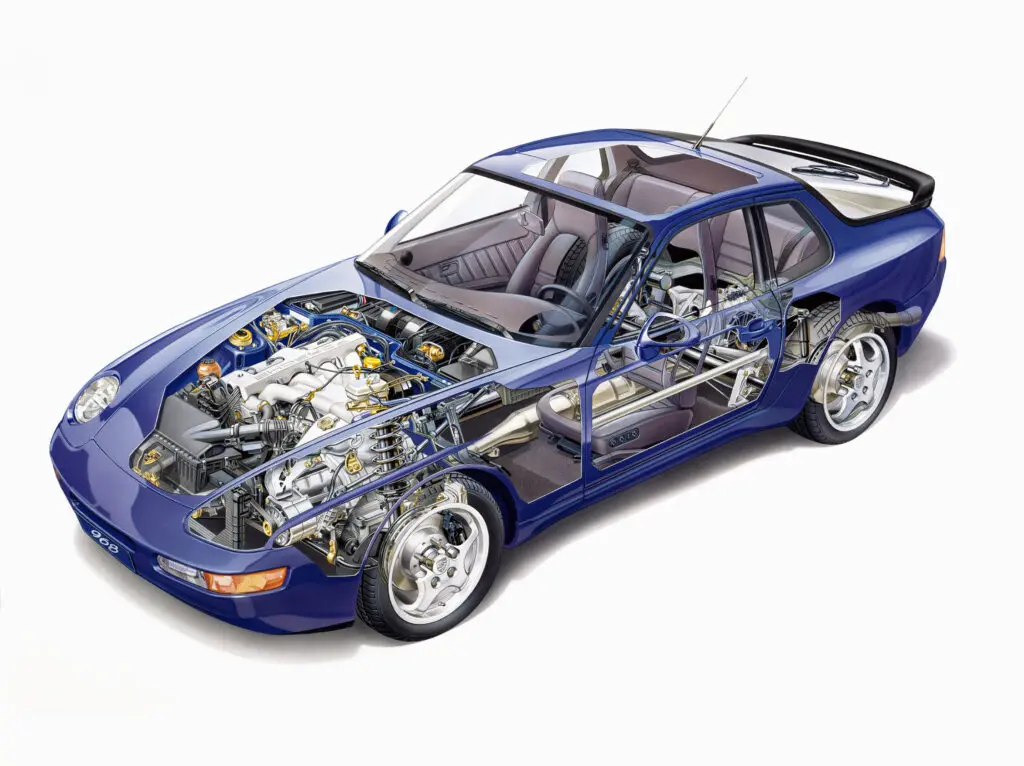
At the heart of the 968 was a 2990cc double-overhead-cam four-cylinder engine producing 240bhp. At the time it was the largest production four-cylinder engine in the world, and thanks to Porsche’s Variocam variable valve timing system it delivered a broad spread of torque and impressive flexibility. It might not possess the soundtrack of a flat-six, but the engine’s smoothness and muscular mid-range suited the chassis perfectly.
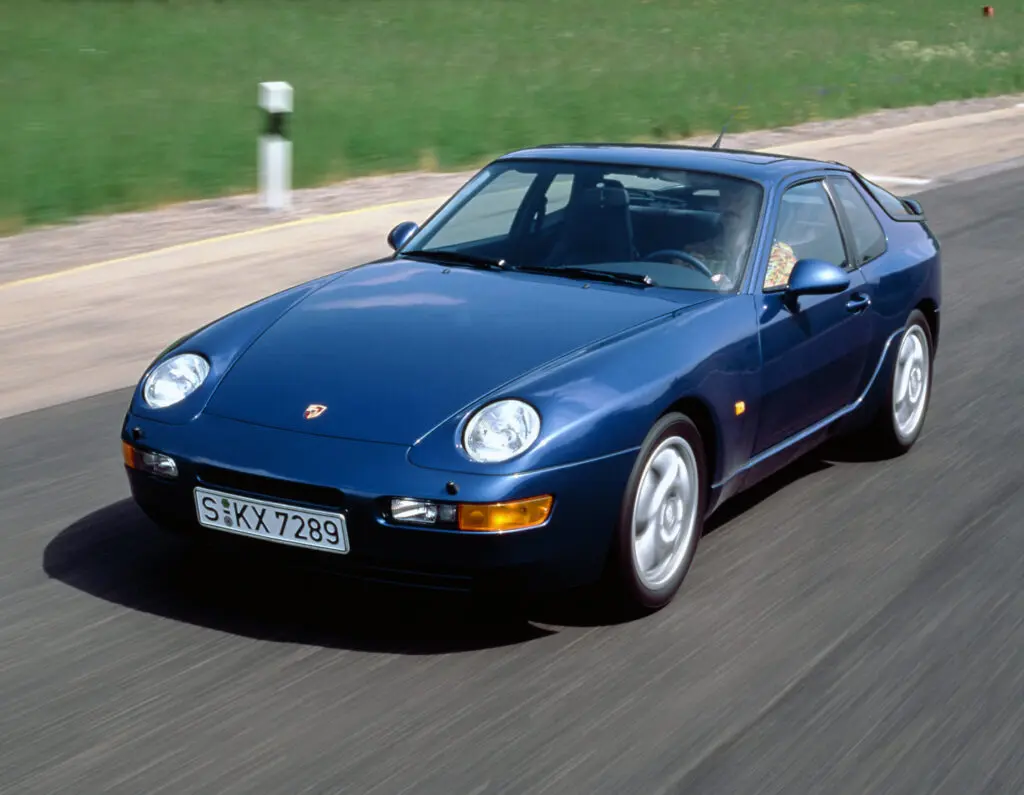
Buyers could choose between a coupé and cabriolet, while a four-speed Tiptronic automatic transmission was offered alongside the standard six-speed manual. The latter remains by far the more desirable option today. The standard car was luxuriously equipped and offered impressive practicality, with heated mirrors, electric windows and electrically adjustable seats among the standard features. Cabriolet models also received a powered hood.
However, it was the arrival of the Club Sport in 1993 that transformed the 968’s reputation. Porsche removed many luxury features, including the rear seats, sound deadening, central locking and electric windows, reducing weight by around 85kg. A lower ride height, larger wheels and wider tyres sharpened the car’s responses, resulting in what many considered to be the finest-handling Porsche of the era. Even Walter Röhrl reportedly regarded it as the best-handling car the company had produced.
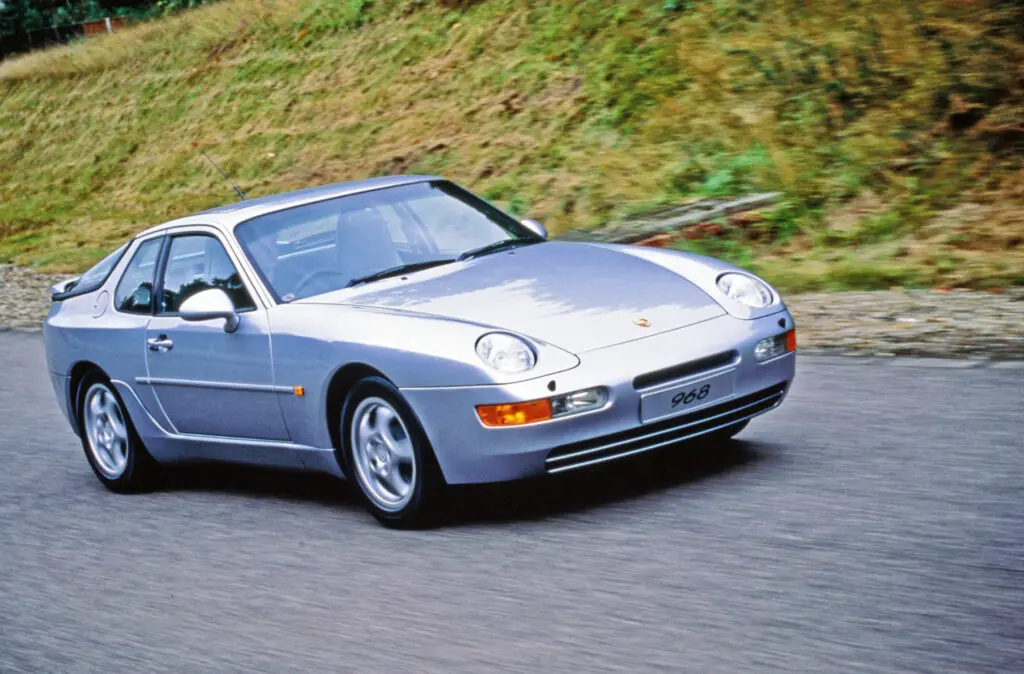
The Club Sport won numerous awards, including Performance Car magazine’s Car of the Year title, and in doing so helped elevate the profile of the entire 968 range. For those wanting something between the standard car and the stripped-out Club Sport, Porsche introduced the 968 Sport in 1994. Combining many of the Club Sport’s visual cues with a more generous equipment level, it struck an appealing balance between comfort and driver appeal.
• Search for Porsche 968s for sale
At the very top of the tree sat the ultra-rare Turbo RS. With just 14 examples produced, 305bhp and performance capable of 175mph, it remains the holy grail of the 968 family.
Production ended in 1995, marking the end of Porsche’s front-engined four-cylinder sports cars. Today, the 968 is increasingly appreciated for its blend of balance, practicality and understated character. Whether as a fast road machine, weekend toy or track-day companion, it represents one of the most complete sports cars of the 1990s.
Common problems
Bodywork and trim
• Corrosion is rarely a major concern thanks to the galvanised body, although Sport and Club Sport models lacked factory underseal. Pay particular attention to wheelarches, sills, floorpans and valances.
• Accident damage is not uncommon. Inspect the inner wings, chassis legs and bulkhead carefully for signs of repairs or distortion, and check the boot floor for rippling.
• Cabriolet buyers should inspect the hood fabric for damage and ensure the electric mechanism operates smoothly. The plastic rear window can become cloudy with age.
• Windscreens often develop a cloudy appearance. Replacement screens are available, but they are costly.
Engine and transmission
• The 3.0-litre four-cylinder engine is generally robust, but the Variocam system can suffer wear in the sprockets and timing chain mechanism.
• Timing belts, balance shaft belts and tensioners should be replaced every five years or 60,000 miles. If there is no evidence of this work having been carried out, budget to do it immediately.
• The Getrag six-speed gearbox is strong, but worn bearings can result in whining noises. Differential wear can produce similar symptoms.
• The dual-mass flywheel is a known weak point. Listen for transmission rattles and excessive slack, as replacement costs can be substantial.
Suspension and electrics
• The suspension layout offers extensive adjustment, so regular four-wheel alignment is worthwhile. Properly set up, the 968 remains one of the best-balanced sports cars of its era.
• Electrical systems are generally dependable, but oil pressure and temperature gauges can become erratic with age.
• If the pop-up headlights do not operate smoothly, the mechanism may require refurbishment.
Porsche 968 price guide
The Porsche 968 has steadily gained recognition in recent years, but it remains relatively attainable by Porsche standards. While project cars occasionally appear below £10,000, genuinely sound examples now tend to start at around £15,000, with presentable manual coupés typically changing hands in the £20,000-30,000 bracket. Exceptional low-mileage or particularly desirable cars can command significantly more.
The Club Sport carries a substantial premium, reflecting its rarity and reputation as one of Porsche’s finest driver’s cars. Usable examples generally begin at around £30,000, while the best and most original cars now comfortably exceed £50,000, with exceptional examples approaching £60,000.
Whatever the variant, condition, originality and service history remain more important than specification alone. With values continuing to strengthen and enthusiasm for transaxle Porsches growing, the 968 is finally receiving the recognition it long deserved as the ultimate evolution of the front-engined Porsche line.
Porsche 964 specifications
| Engine capacity | 2990cc |
| Power | 240bhp @ 6200rpm |
| Torque | 225lb ft @ 4100rpm |
| Kerb weight | 1400kg |
| 0–60mph | 6.1sec |
| Top speed | 154mph |
| Length | 4320mm |
| Width | 1735mm |
| Height | 1275mm |
| Wheelbase | 2400mm |