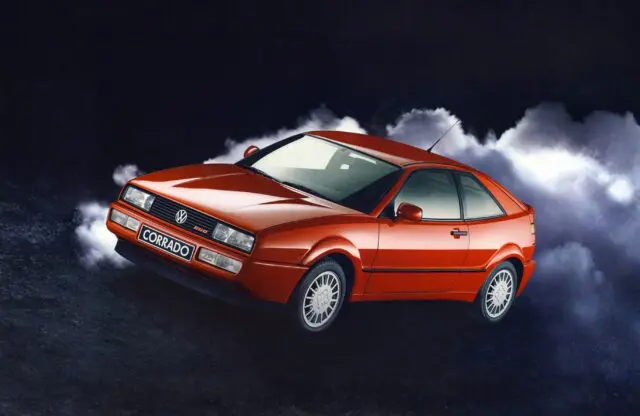
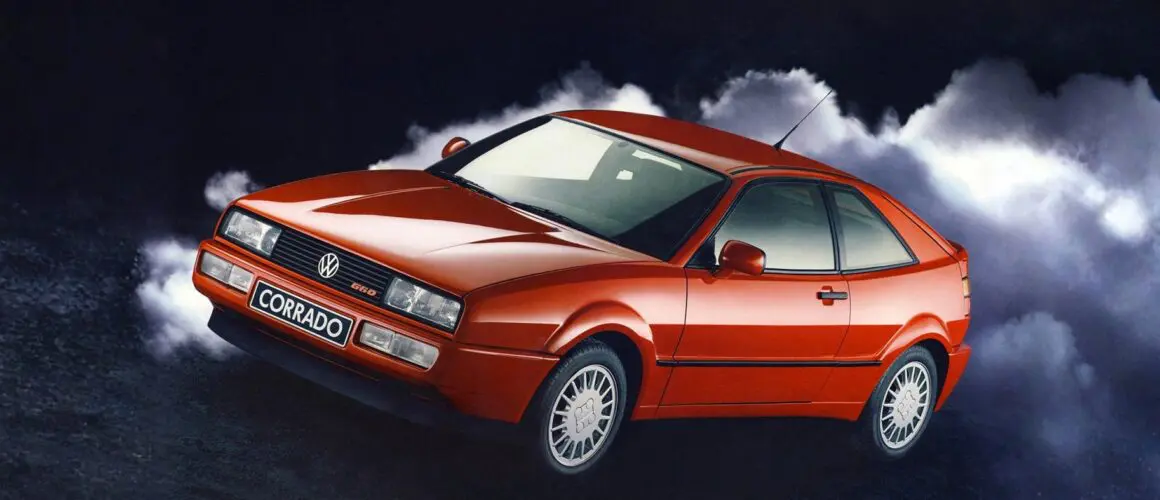
The 1990s represented something of a golden age for affordable performance coupés. Almost every major manufacturer offered one, but few managed to blend style, practicality and engineering sophistication quite as successfully as the Volkswagen Corrado. Built by Karmann at its Osnabrück factory and launched in 1988 as the spiritual successor to the Scirocco, the Corrado combined sharp styling, Golf-derived mechanicals and impressive build quality to create what many enthusiasts now regard as one of Volkswagen’s finest modern classics.
Although it never achieved the sales success of some of its rivals, the Corrado earned widespread praise from the motoring press throughout its production life. Its compact dimensions, excellent handling and surprising practicality made it an appealing proposition when new, while today it offers a compelling blend of analogue driving enjoyment and everyday usability. Unlike many contemporary coupés that have long since succumbed to rust or neglect, a significant number of Corrados survive in good condition thanks to Volkswagen’s robust engineering and strong enthusiast support.
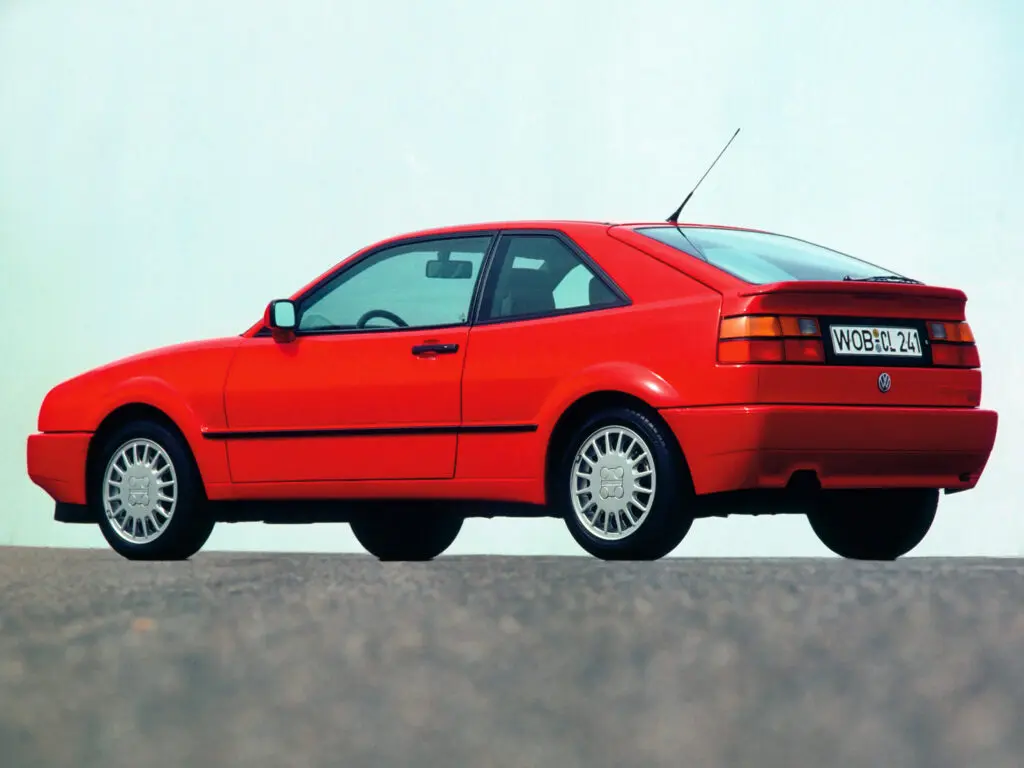
At a glance
Positives
+ Superb chassis and handling balance
+ Characterful and powerful VR6 engine
+ Practical hatchback layout with strong parts support
Negatives
– VR6 timing-chain replacement can be expensive
– Water leaks can lead to damp interiors
– Original, unmodified cars are increasingly hard to find
Model history
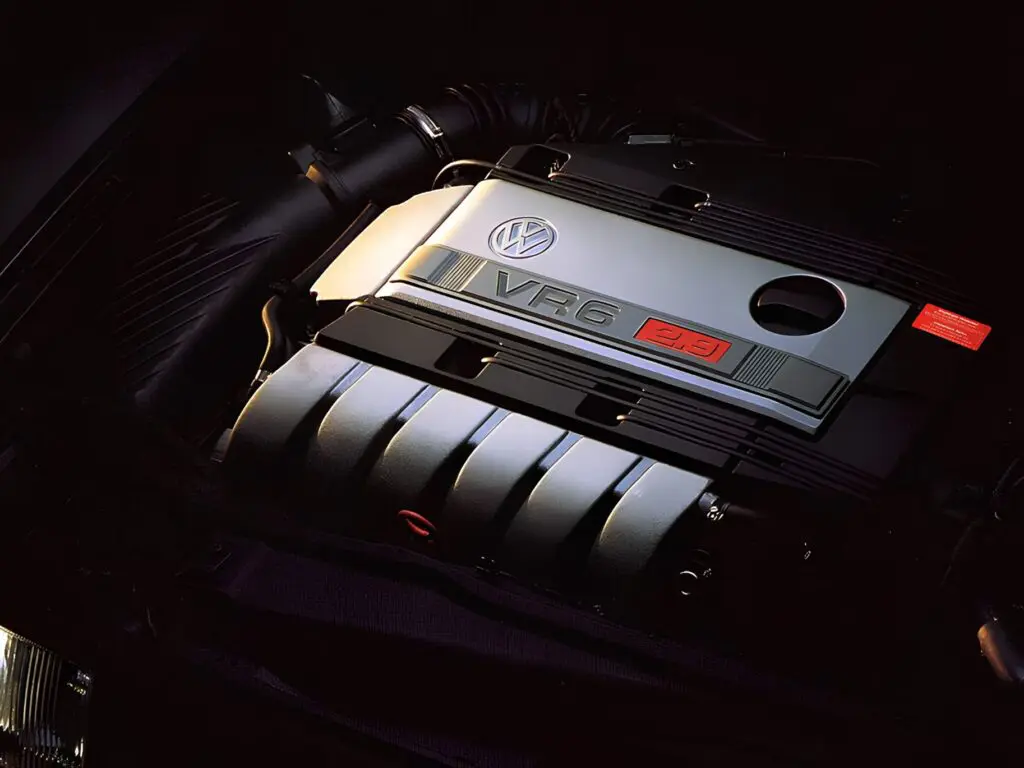
The Corrado arrived in May 1989 powered by a 1.8-litre 16-valve four-cylinder engine, offering brisk performance and responsive handling. Over the following years Volkswagen expanded the range considerably, introducing a variety of powerplants to suit different buyers. Four-cylinder models were available with naturally aspirated 1.8 and 2.0-litre engines, while the supercharged G60 brought considerably more performance courtesy of VW’s distinctive G-Lader supercharger technology.
For many enthusiasts, however, the defining moment in the Corrado’s history came in September 1992 with the arrival of the VR6. This remarkable engine was one of Volkswagen’s most ingenious engineering achievements of the period. Faced with the challenge of fitting six-cylinder performance into a platform originally designed for four-cylinder engines, Volkswagen developed an innovative narrow-angle V6. The cylinders were arranged at an angle of just 15 degrees, allowing both banks to share a single cylinder head.
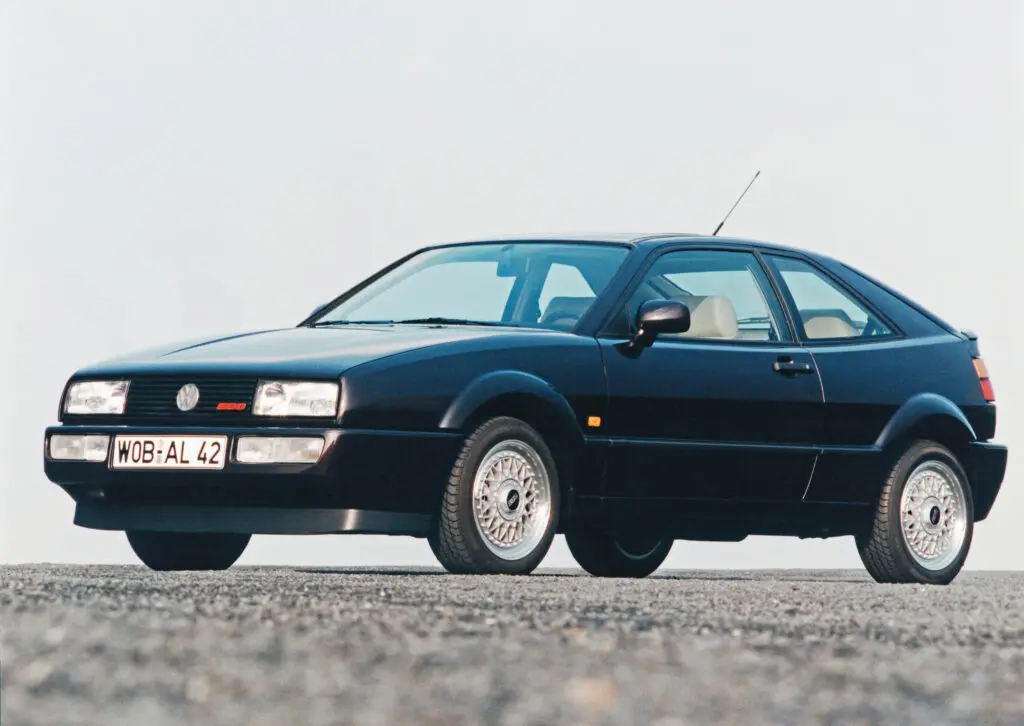
Known internally as the VR6 – short for V-Reihenmotor, or V-inline engine – the design offered the compact dimensions of a four-cylinder while delivering the smoothness, sound and performance associated with a traditional six-cylinder powerplant. Displacing 2861cc and producing 190bhp alongside 181lb ft of torque, the VR6 transformed the Corrado into a genuinely rapid machine. With a 0-60mph time of around 6.4 seconds and a top speed approaching 145mph, it comfortably competed with significantly more expensive sports cars of the era.
• Browse Volkswagen Corrados for sale
The VR6 also benefited from particularly careful assembly. While four-cylinder Corrados were built at Volkswagen’s Wolfsburg facility, VR6 models were assembled by Karmann, contributing to their reputation for slightly higher build quality. More importantly, the additional power perfectly complemented what was already one of the best front-wheel-drive chassis of its generation.
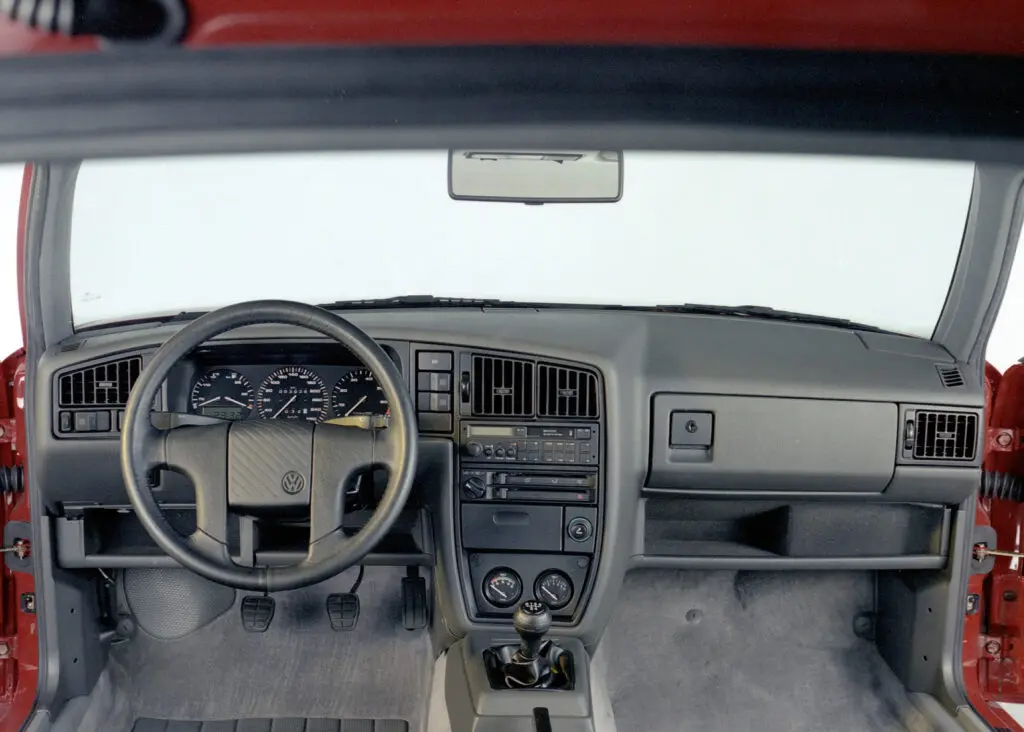
Beyond outright performance, the Corrado’s appeal lies in its versatility. It offers genuine hatchback practicality, comfortable long-distance cruising and a level of refinement that remains impressive today. The driving position is excellent, visibility is good and maintenance is relatively straightforward thanks to the widespread availability of Golf-derived mechanical components.
As with many Volkswagens, modification has played a major role in the Corrado’s history. Lowered suspension, aftermarket alloy wheels, upgraded brakes and engine tuning are all common. Some upgrades can enhance the driving experience, but originality is increasingly prized as surviving unmodified cars become harder to find. This is particularly true of the VR6, which remains the most sought-after variant.
The final flourish came in 1995 with the limited-edition Storm model, featuring leather upholstery, heated seats and distinctive alloy wheels. Just 500 examples were built, bringing production to a close shortly afterwards. Today, the Corrado enjoys a loyal following and is increasingly recognised as one of Volkswagen’s most accomplished performance cars.
Common problems
• Corrosion is generally less severe than on many contemporaries, but rust can still affect the sills, wheelarches, front valance, bonnet underside and rear suspension spring plate areas. Thorough inspection is essential.
• Examine the front inner wings and rear panel seams carefully for signs of accident damage. Uneven panel gaps, rippled metalwork or missing factory identification stickers can indicate previous repairs.
• The factory electric tilt-and-slide sunroof can suffer cable mechanism failures. Replacement parts remain available, but repairing or replacing the mechanism is labour-intensive.
• All engines except the VR6 use a timing belt. Replacement should be carried out every five years or 40,000 miles, and evidence of regular oil and filter changes should be present.
• VR6 models use a timing chain rather than a belt. Excessive rattling from the chain area usually indicates worn guides or tensioners, typically requiring attention after around 80,000 miles.
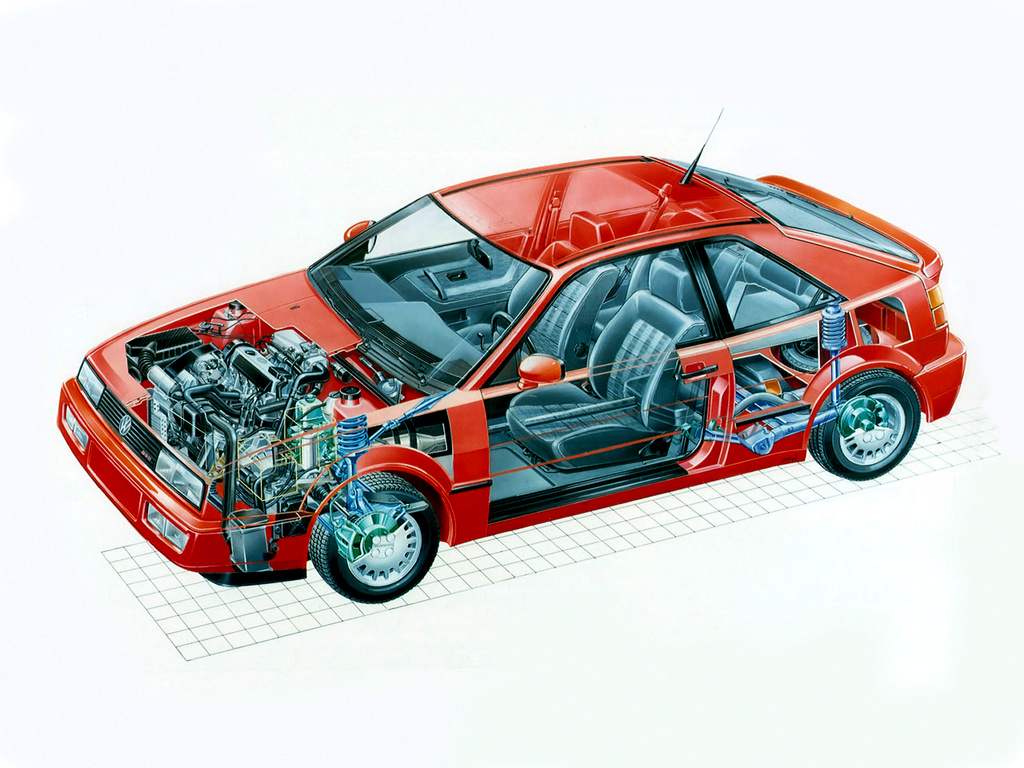
• The heavy exhaust system sits close to the rear axle, and worn mounting rubbers can allow contact between the two, producing noticeable knocking noises over bumps.
• The Corrado’s sophisticated rear suspension incorporates passive rear steering. Worn rear axle bushes can compromise handling and should be replaced to restore proper chassis behaviour.
• Modified suspension and larger aftermarket wheels are common. Check carefully for tyre rubbing, damaged arches and compromised ride quality caused by excessive lowering.
• Anti-lock brakes became standard in 1992, although some earlier cars were also equipped. Ensure the warning light operates correctly and investigate any faults before purchase.
• Rear brake calipers are prone to seizing through lack of use. The problem is common but usually straightforward and inexpensive to rectify.
• Waterlogged carpets often point to heater matrix failure, leaking door membranes or blocked bulkhead drains. Heater matrix replacement is particularly labour-intensive due to difficult access.
• Ensure the MFA trip computer functions correctly. Flashing displays or unexplained resets may indicate previous odometer tampering or electrical faults.
What to pay
Corrado values have strengthened steadily over recent years, driven by increasing recognition of the model’s engineering excellence and dwindling numbers of original examples. Finding an unmodified car is becoming increasingly difficult, particularly among VR6 models, many of which have been extensively altered over the years.
Project-grade four-cylinder cars can still occasionally be found for under £2000, although expect to spend money on getting these into a reliable and presentable state. Better-maintained four-cylinder examples generally start around £2500-3000, while great G60 models now typically command around £10,000-11,000, reflecting strong demand for the supercharged cars.
The VR6 remains the most desirable version and values reflect this. Usable examples start from around £8000 – with the very best low-mileage, highly original cars capable of reaching well beyond £20,000. As always, condition and originality are far more important than outright specification, making the best cars worth paying a premium for.
Volkswagen Corrado VR6 specifications
| Engine | 2861cc DOHC narrow-angle V6 |
| Power | 190bhp @ 5800rpm |
| Torque | 181lb ft @ 4200rpm |
| Transmission | Five-speed manual / Four-speed automatic |
| Driven wheels | Front-wheel drive |
| 0-60mph | 6.4 seconds |
| Top speed | 145mph |
| Fuel consumption | 26mpg |
| Wheelbase | 2470mm |
| Length | 4050mm |
| Width | 1796mm |
| Height | 1310mm |
| Kerb weight | 1240kg |
| Production years | 1992-1995 |