Porsche
One of the most revered and enduring sports-car marques in the world
Explore more Porsche:
Porsche’s commitment to engineering excellence, motorsport success and design continuity has created an automotive dynasty unlike any other.
Latest Porsche news
Explore more

Featured Porsches for sale
See all Porsches for saleLatest Porsche Articles
Explore more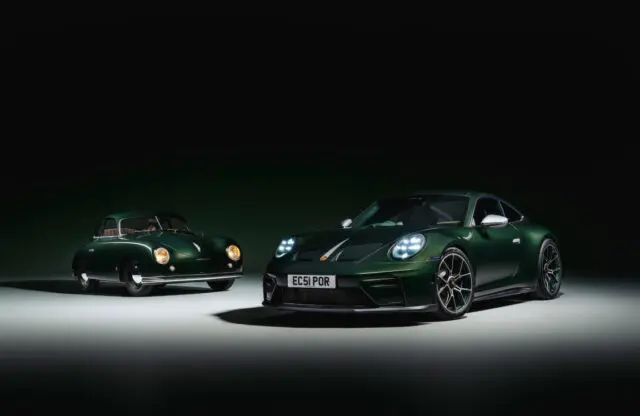

-
History of Porsche
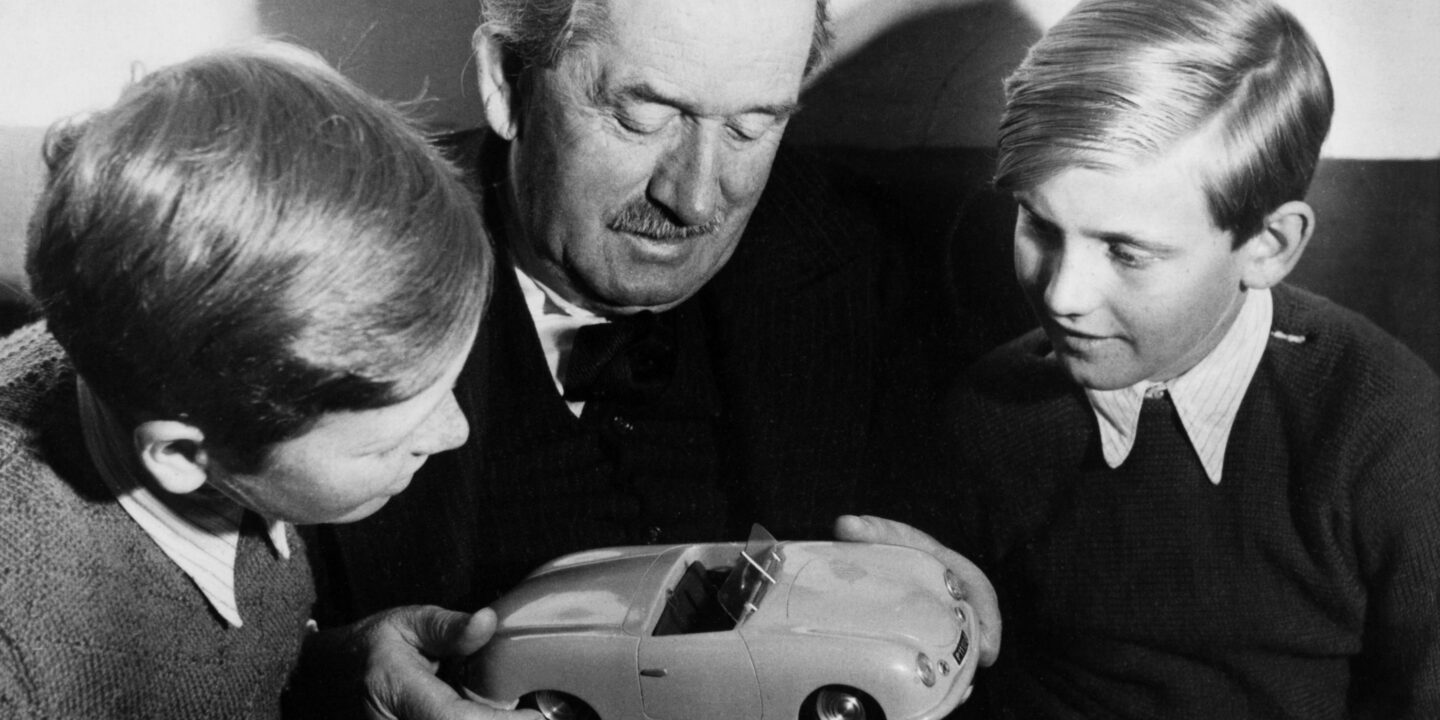
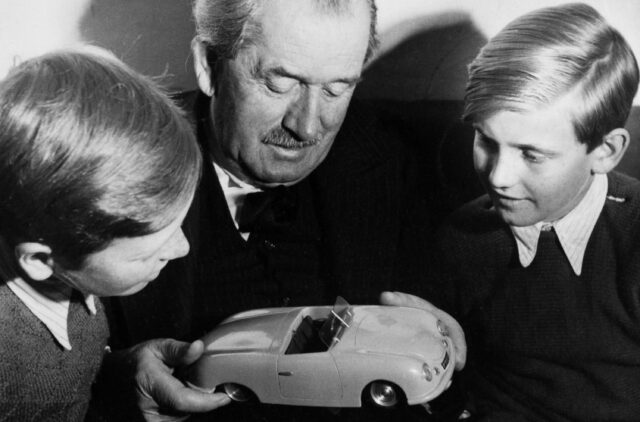
Founded in 1931 by Ferdinand Porsche, this remains one of the most revered and enduring sports-car marques in the world. Its commitment to engineering excellence, motorsport success and design continuity has created an automotive dynasty unlike any other.
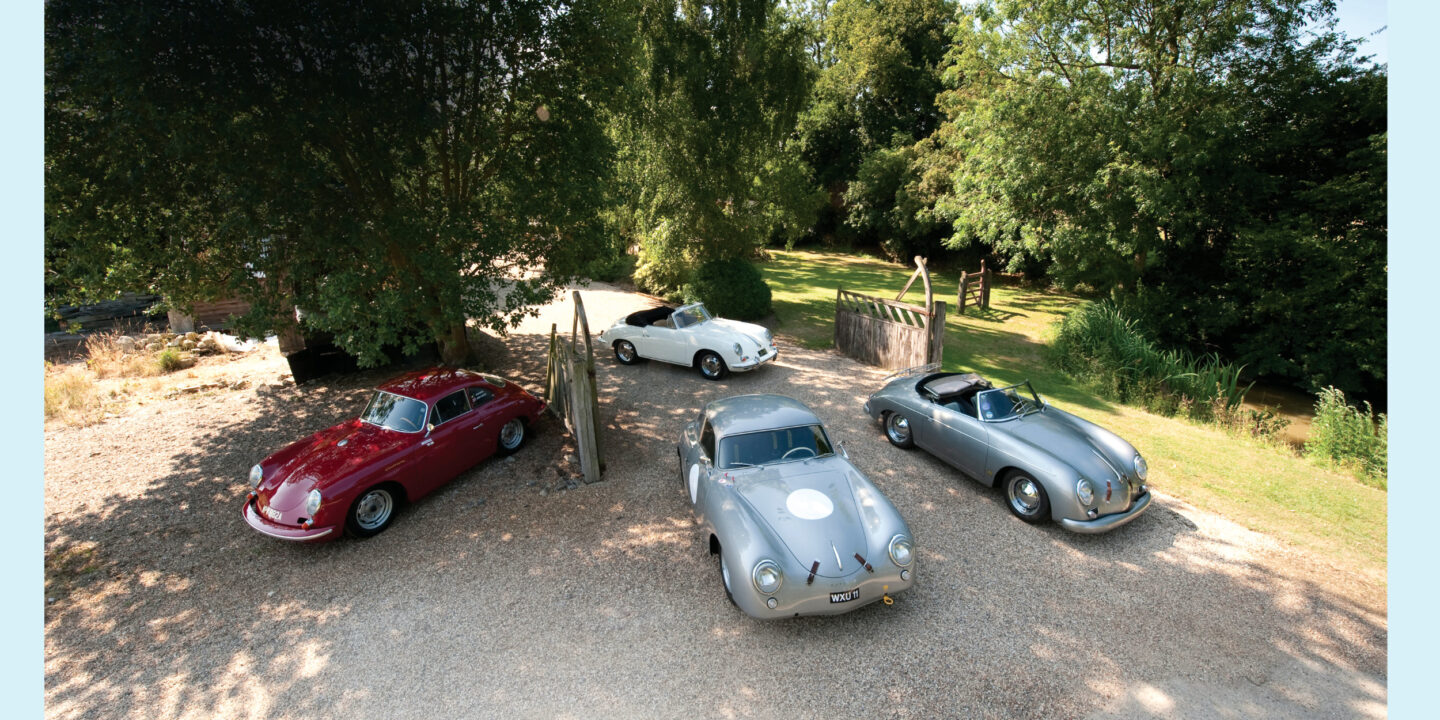
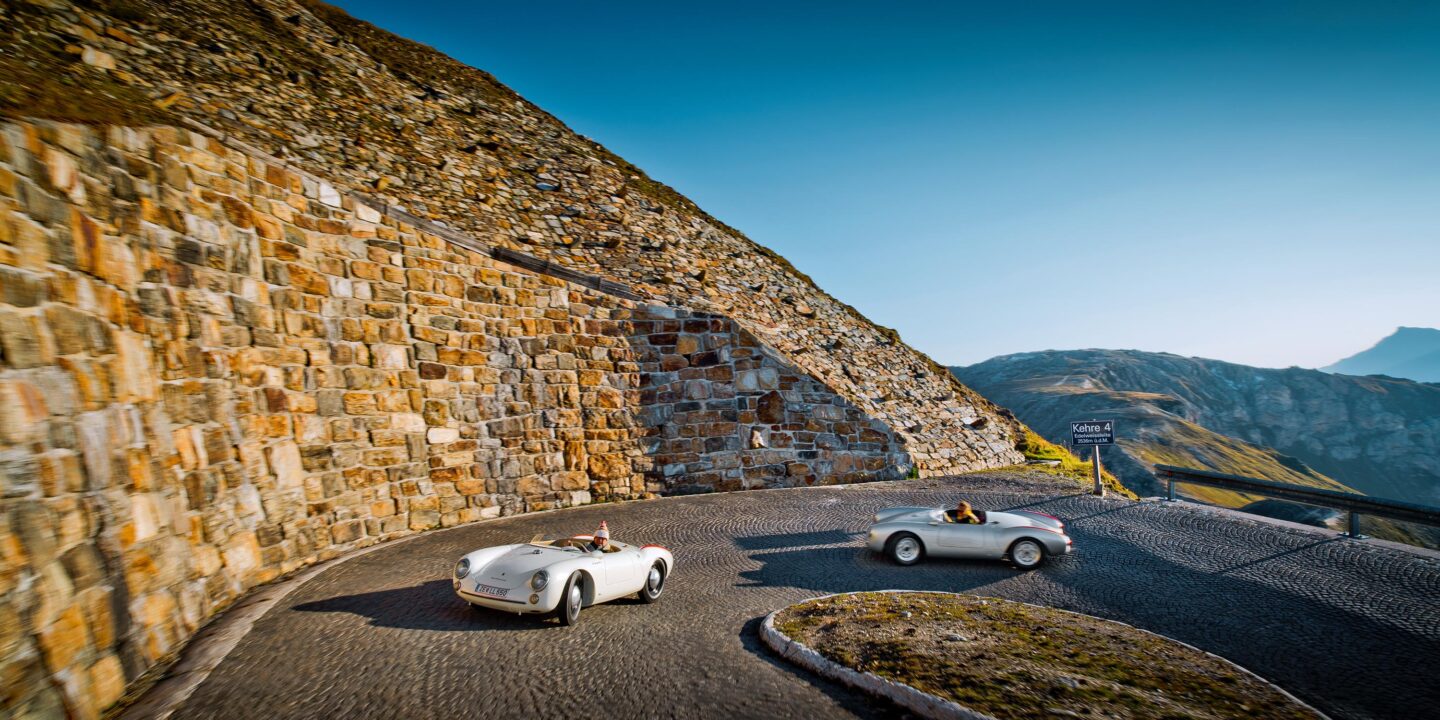
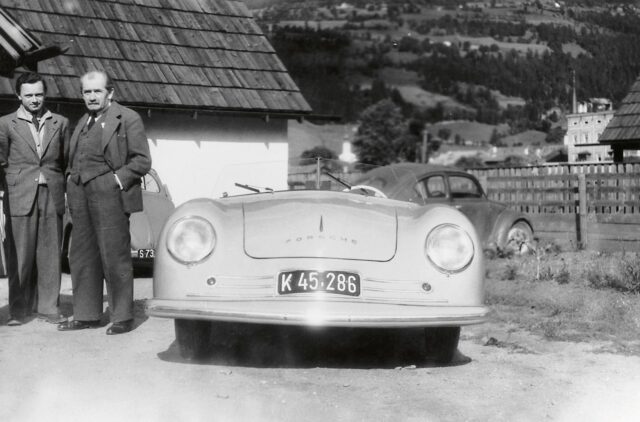
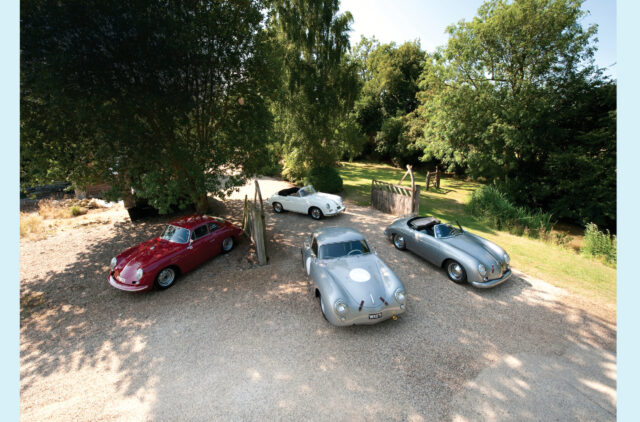
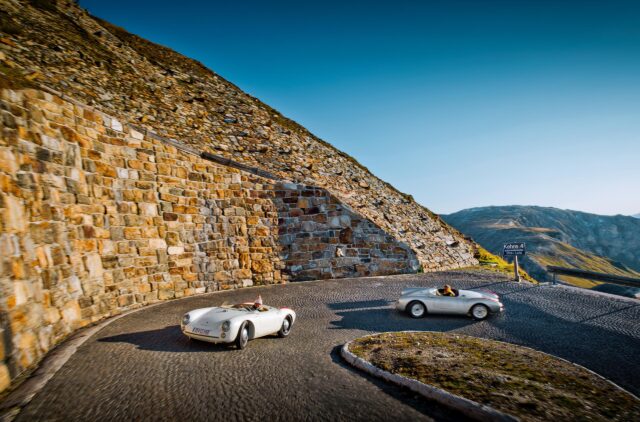
Porsche’s early work included engineering projects for other manufacturers, most notably the Volkswagen Beetle. The company’s first production car, the Porsche 356, arrived in 1948. Lightweight, nimble and beautifully crafted, the 356 established Porsche’s core values: precision, efficiency and driving pleasure.
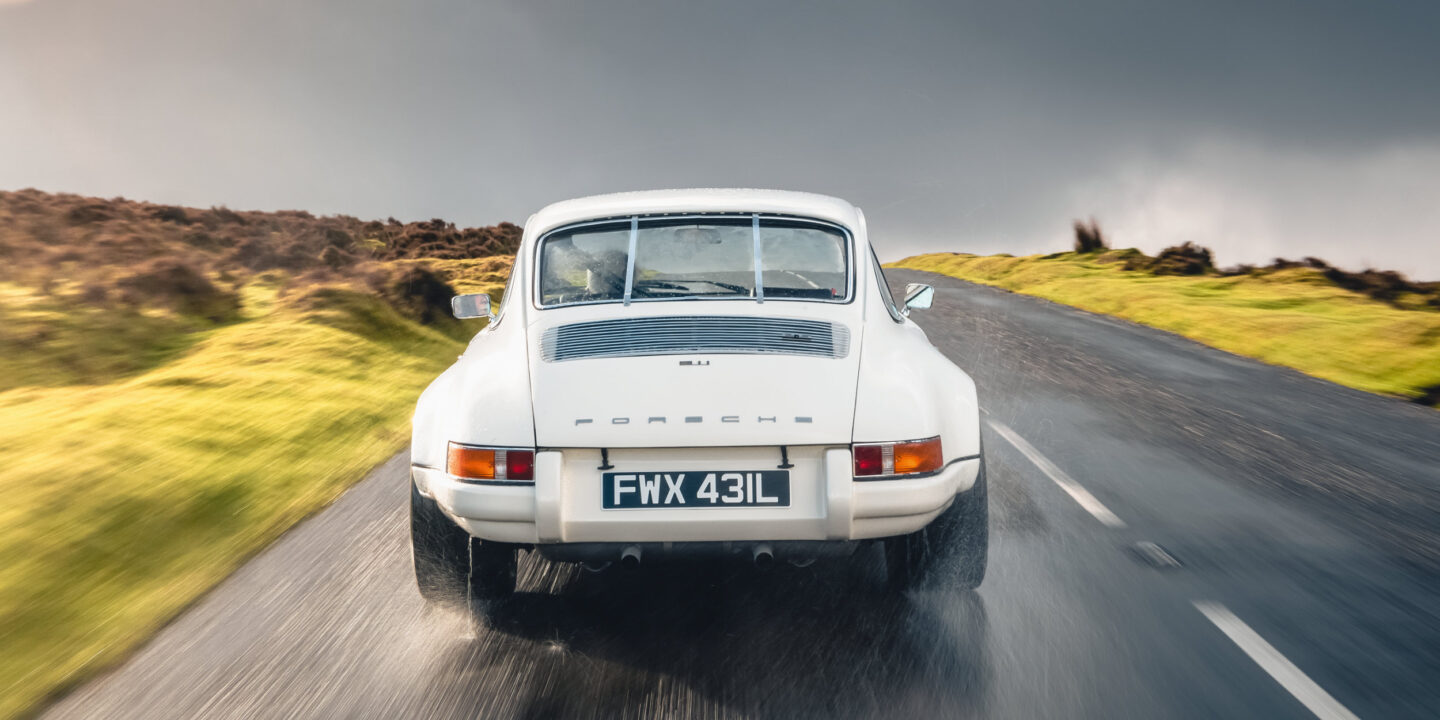
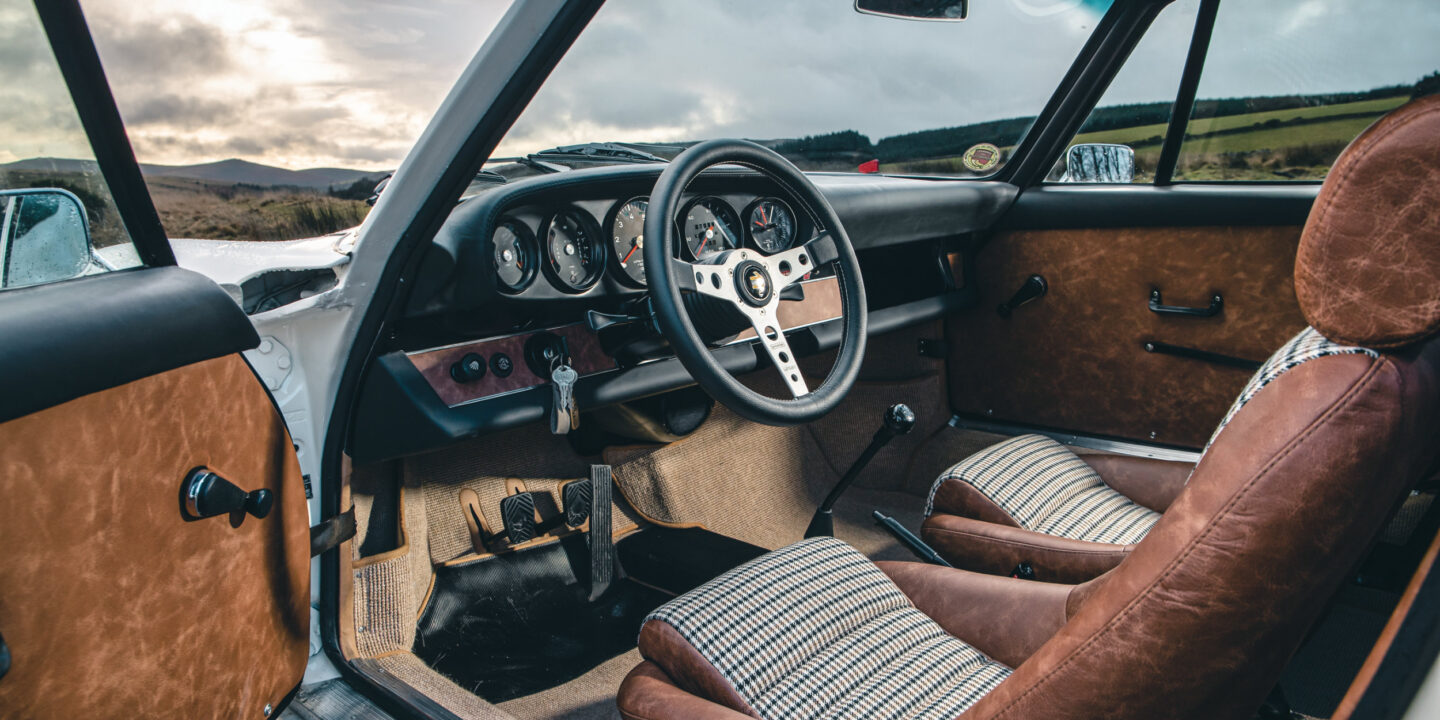
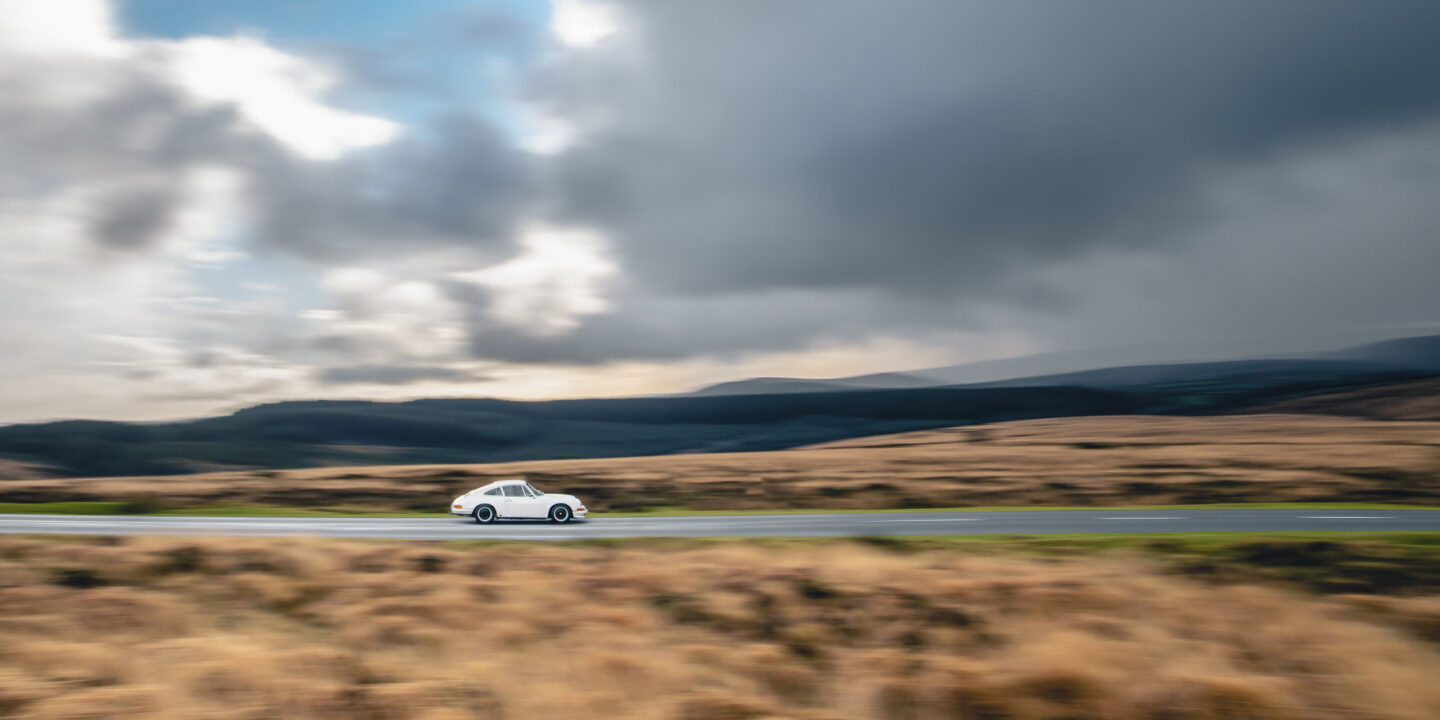
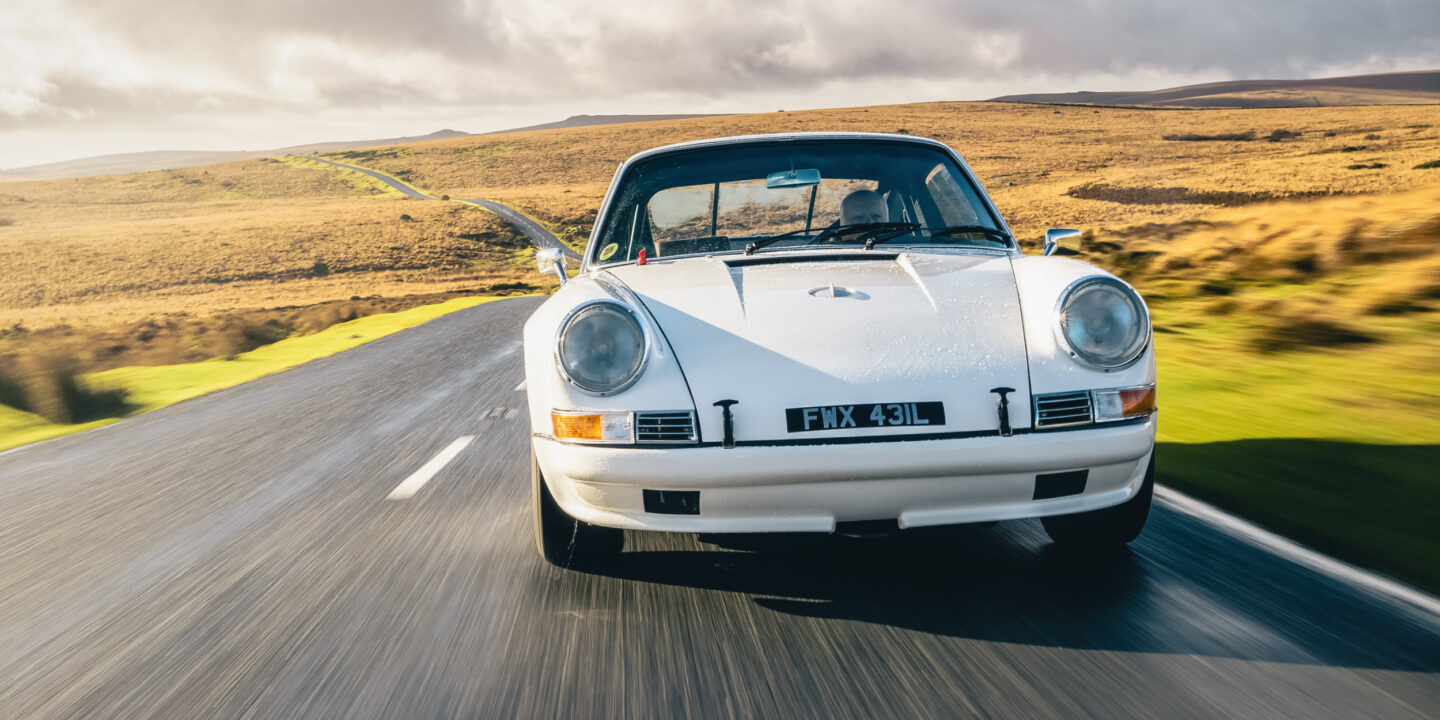
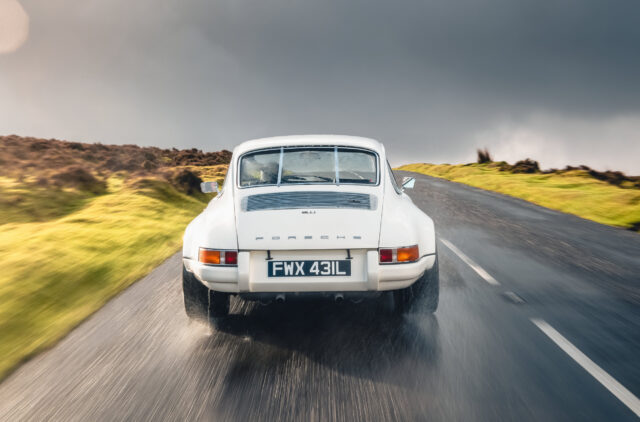
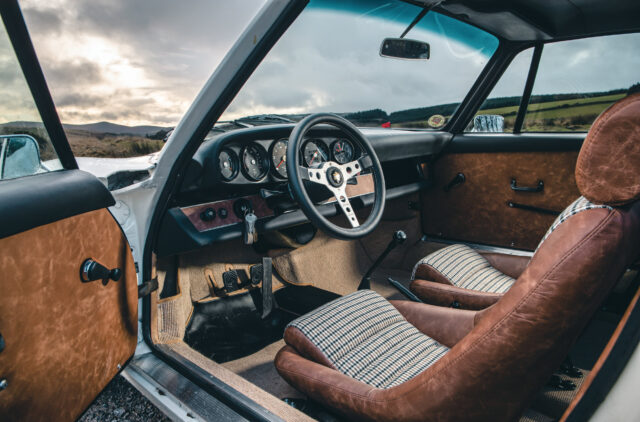
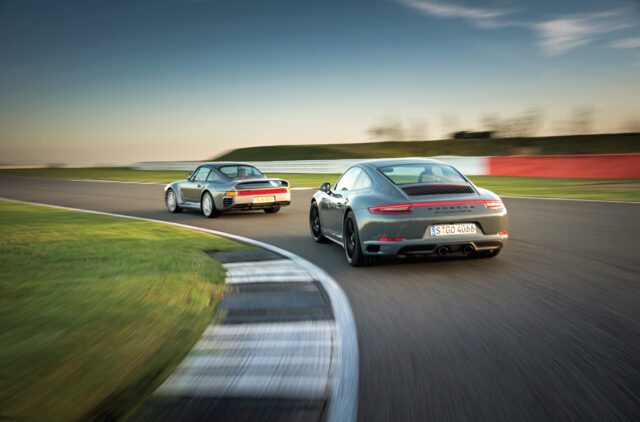
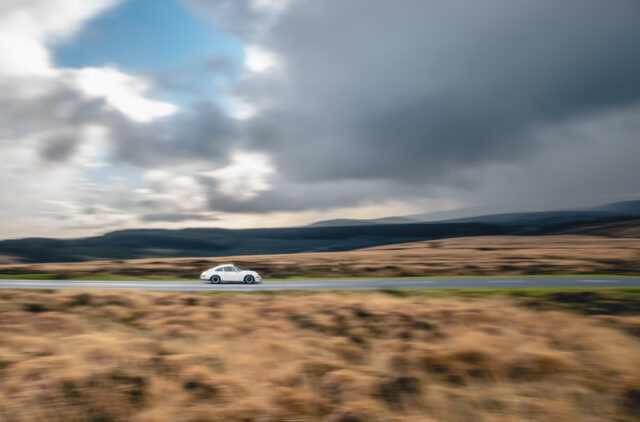
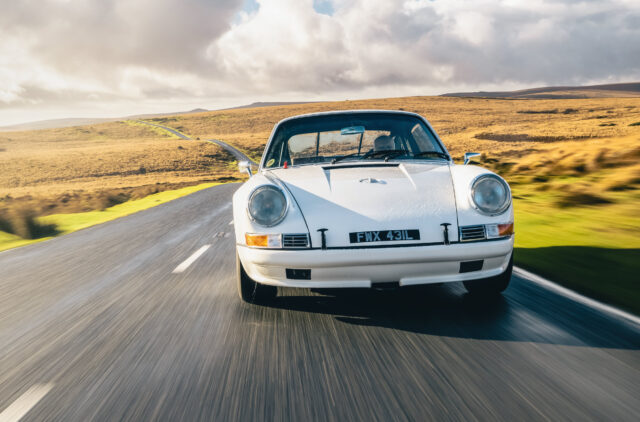
In 1964 Porsche introduced the 911, the car that would become its defining masterpiece. With its rear-mounted air-cooled flat-six engine, distinctive silhouette and continuous refinement, the 911 evolved over decades while preserving its essential character. Variants such as the Carrera RS 2.7 and 930 Turbo became benchmarks and pushed the 911 ethos into supercar territory.
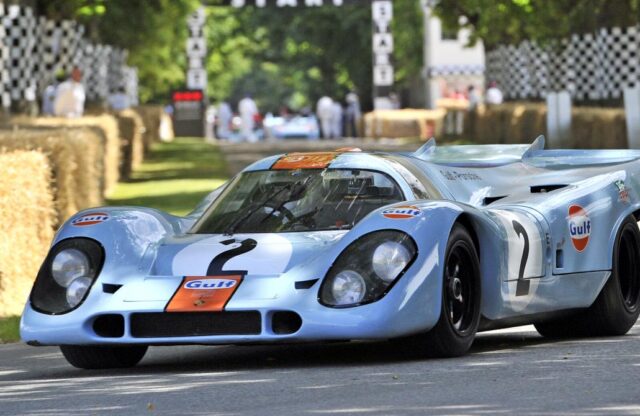
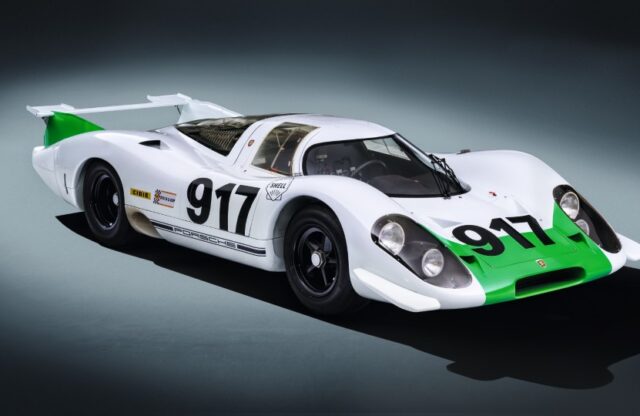
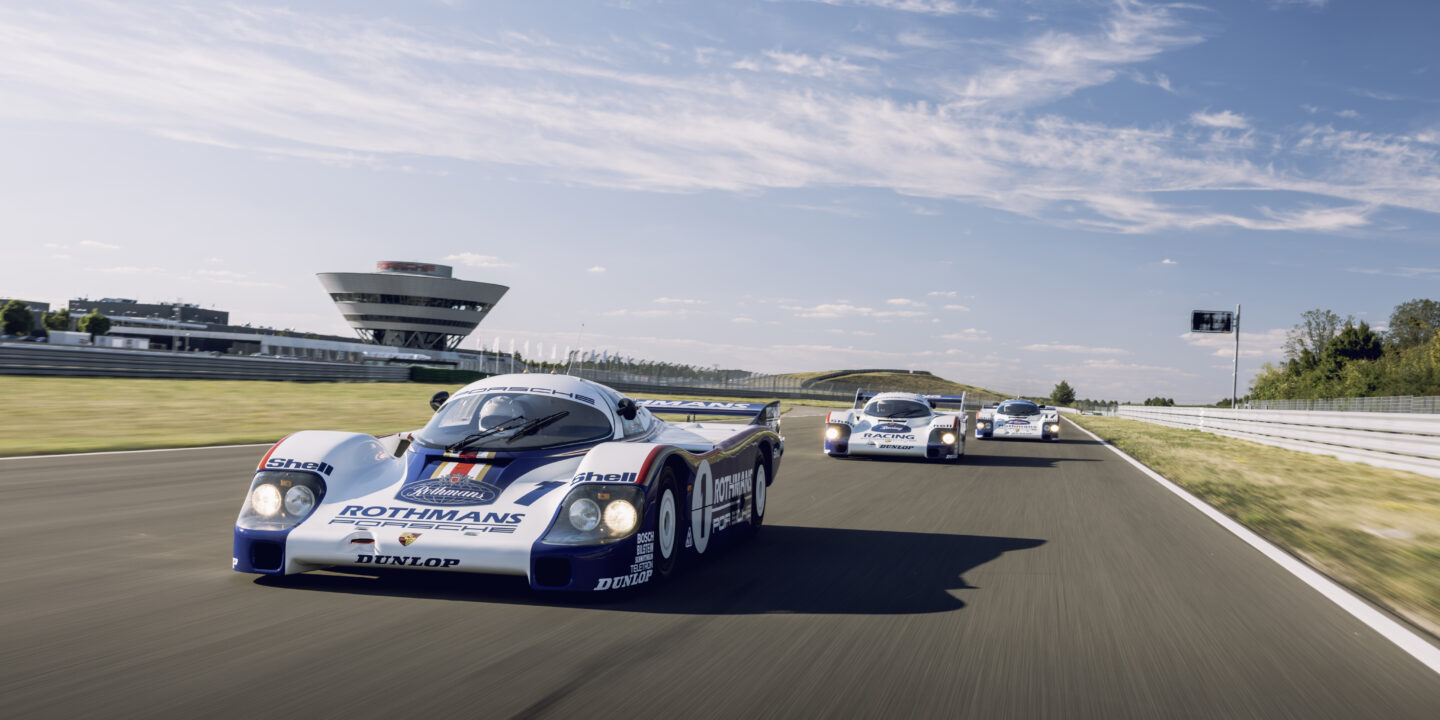
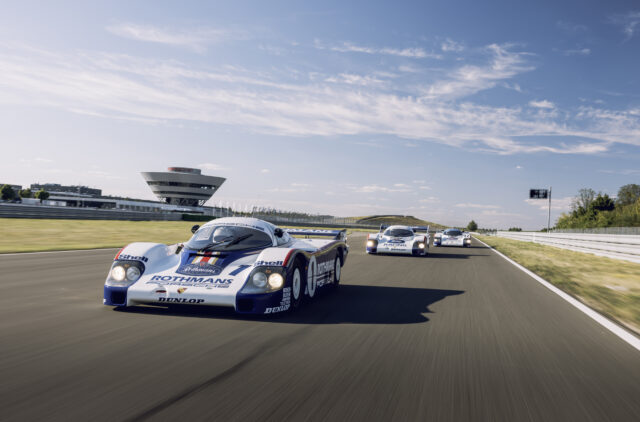
Porsche’s motorsport heritage is extraordinary, not least 19 overall wins at the Le Mans 24 Hours, and further defined by dominance in endurance racing with cars such as the 917, 956, 962 and 919 Hybrid and a rich history in rallying and GT competition.
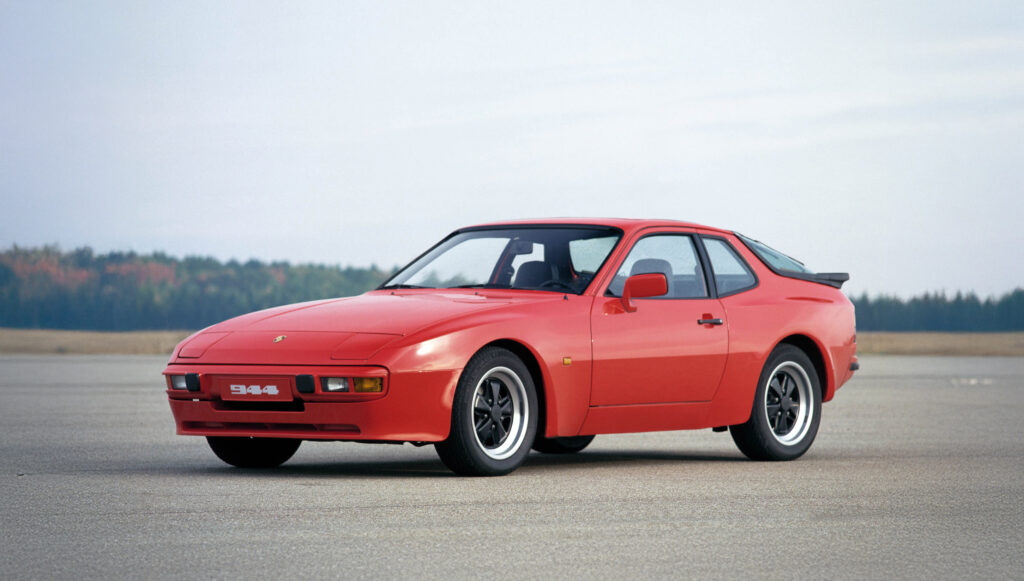
Beyond the 911, Porsche has produced a variety of influential models. The 914, 924, 944 and 928 took it into new market categories, while the Boxster and Cayman reinforced Porsche’s dominance in mid-engine sports cars.
The modern era has seen diversification through the Cayenne and Macan SUVs, the Panamera limo and fully electric Taycan, all engineered with Porsche’s trademark precision.
Today Porsche remains a cultural and performance icon, continuing to satisfy enthusiasts with new product, while its back catalogue is packed with some of the most desirable collector cars in the world.
-
About Porsche
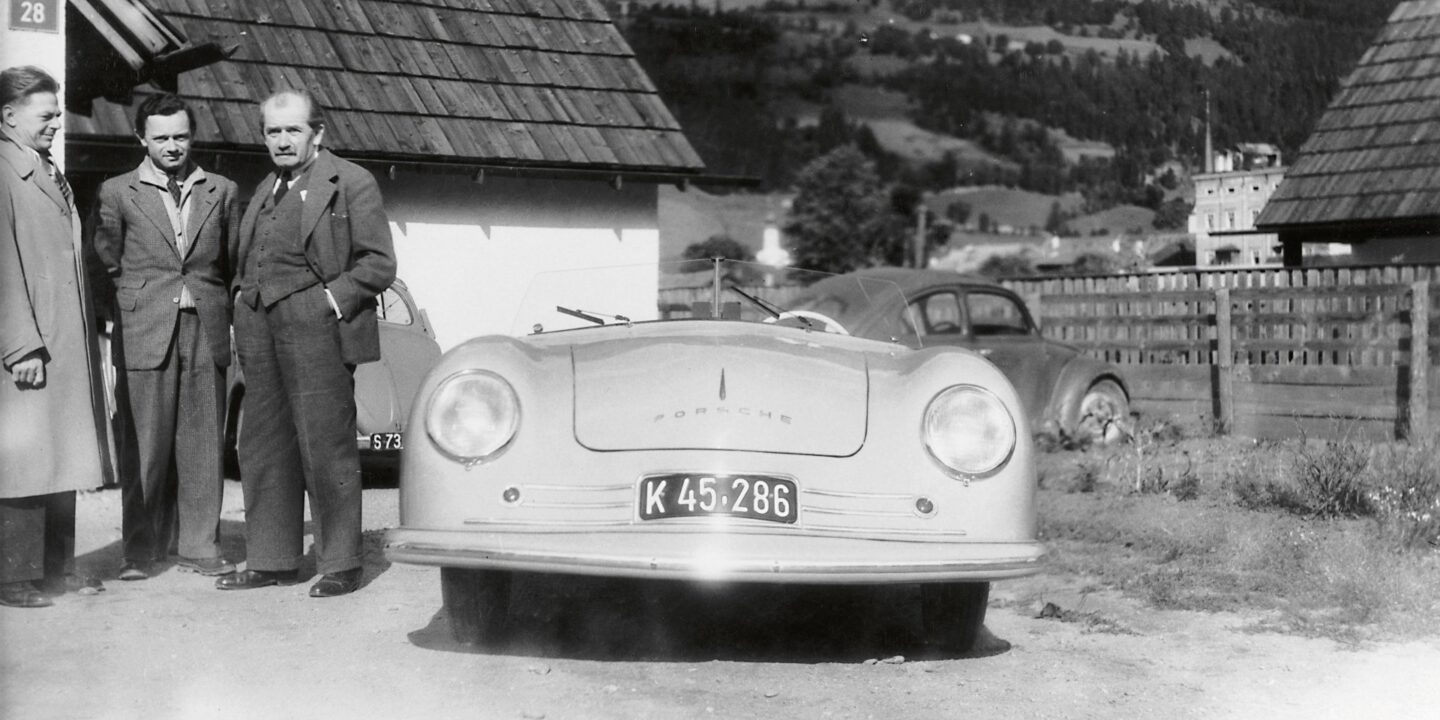
Porsche was founded in 1931 in Stuttgart by Ferdinand Porsche as an engineering consultancy, rather than a car manufacturer. The company’s early work ranged from tractors to the design of the Volkswagen Beetle, but it was not until 1948 that the first Porsche-badged sports car, the 356, was produced. Initially built in Gmünd, Austria, production soon returned to Stuttgart, where Porsche established its long-term home in Zuffenhausen.
Zuffenhausen remains the centre of Porsche’s sports car production today, responsible for the 911 and 718 ranges, as well as engine manufacturing. Over time, Porsche has expanded its manufacturing footprint significantly. The Leipzig facility, opened in 2002, produces models such as the Cayenne and Panamera, and also incorporates a test track and customer experience centre. Additional production takes place through international partnerships, most notably with the Macan and Cayenne assembled in part for specific markets, including China.
Ownership of Porsche has evolved considerably. For much of its history, the company remained closely tied to the Porsche and Piëch families. In 1972, Porsche AG was reorganised into a public limited company, although control remained within the family through holding structures. A pivotal moment came in 2009, when Porsche’s attempt to acquire Volkswagen Group was reversed, resulting instead in Porsche becoming part of Volkswagen. Since then, Porsche has operated as a key brand within the group, benefiting from shared technology and platforms while retaining a distinct identity.
Today, Porsche AG is publicly listed following its partial initial public offering in 2022, but control remains effectively with Porsche Automobil Holding SE, which is itself majority owned by the Porsche and Piëch families. Volkswagen Group retains a significant stake, reflecting the complex but longstanding relationship between the two entities.
Beyond manufacturing, Porsche operates a global network of research, development and design centres, alongside motorsport facilities in Weissach, where many of its racing and advanced engineering projects are conceived. From its origins as a small Stuttgart consultancy, Porsche has developed into a global manufacturer, while maintaining a structure that continues to reflect its family-led heritage.
-
Porsche trivia
The first 911 wasn’t a 911 – When Porsche launched the car in 1963, it was badged 901. Peugeot objected to the use of three-digit numbers with a zero in the middle, forcing Porsche to rename it 911. Early ‘901’ cars were quickly rebadged, making surviving examples exceptionally rare.
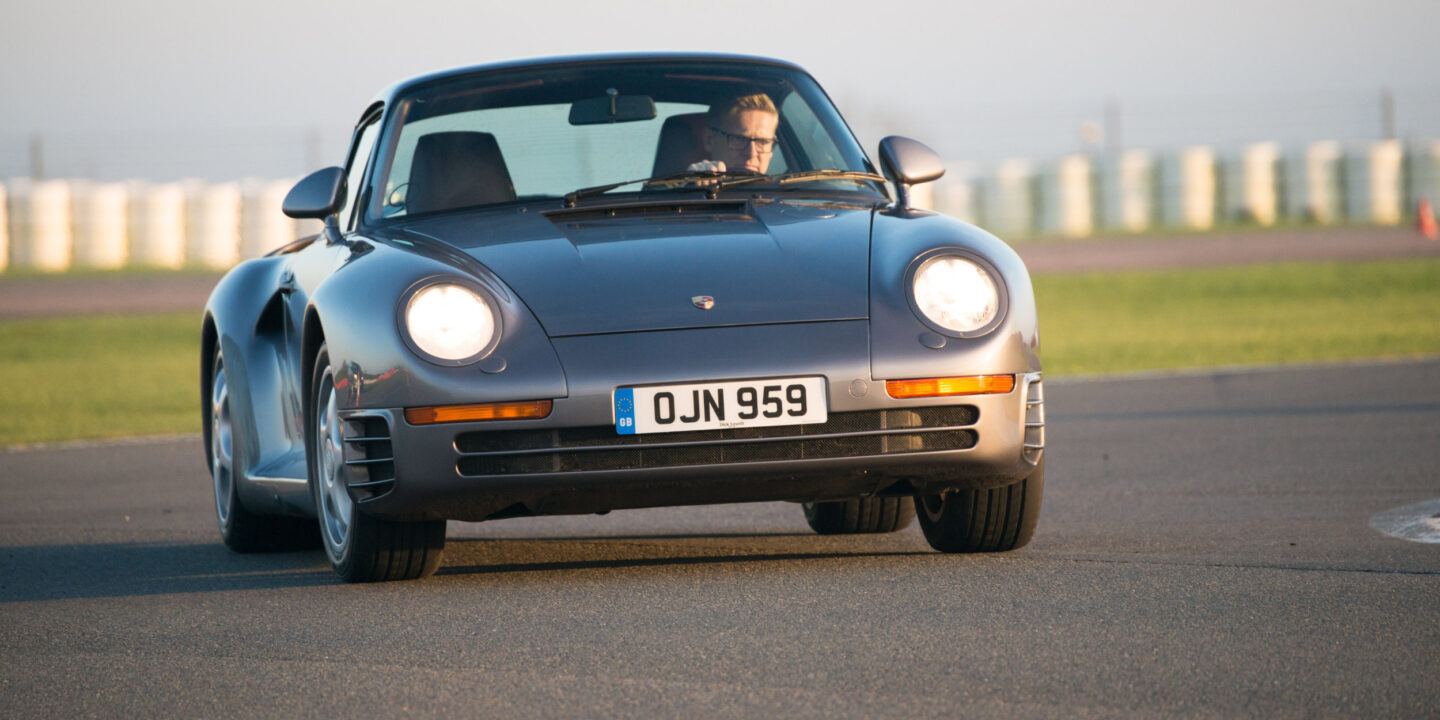
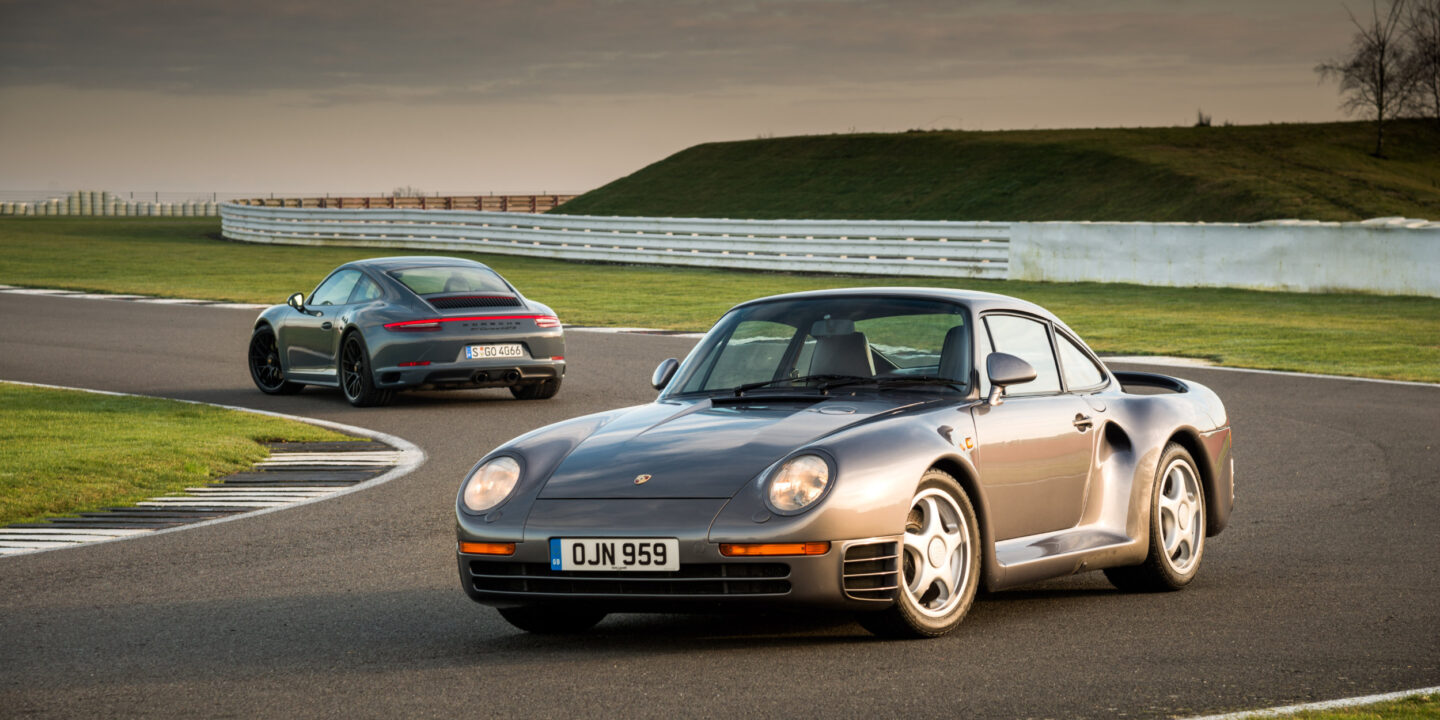
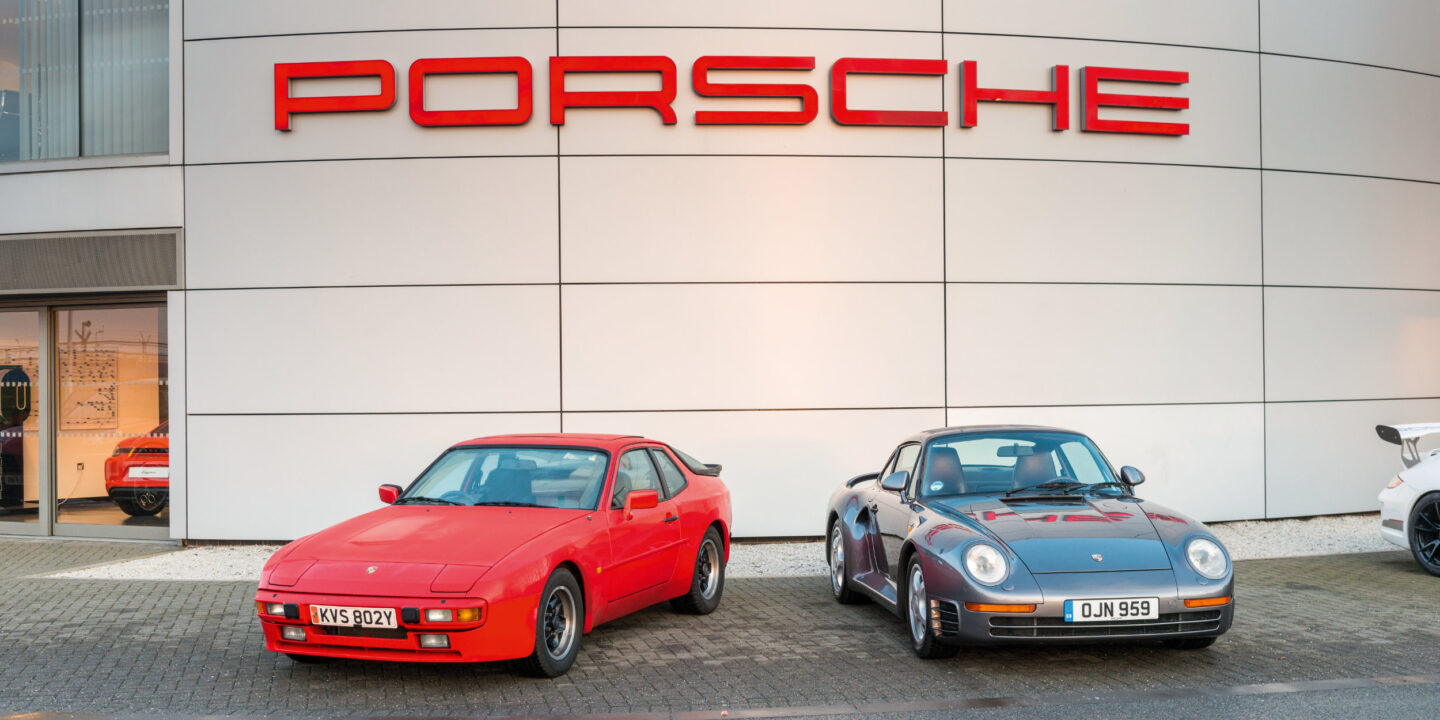
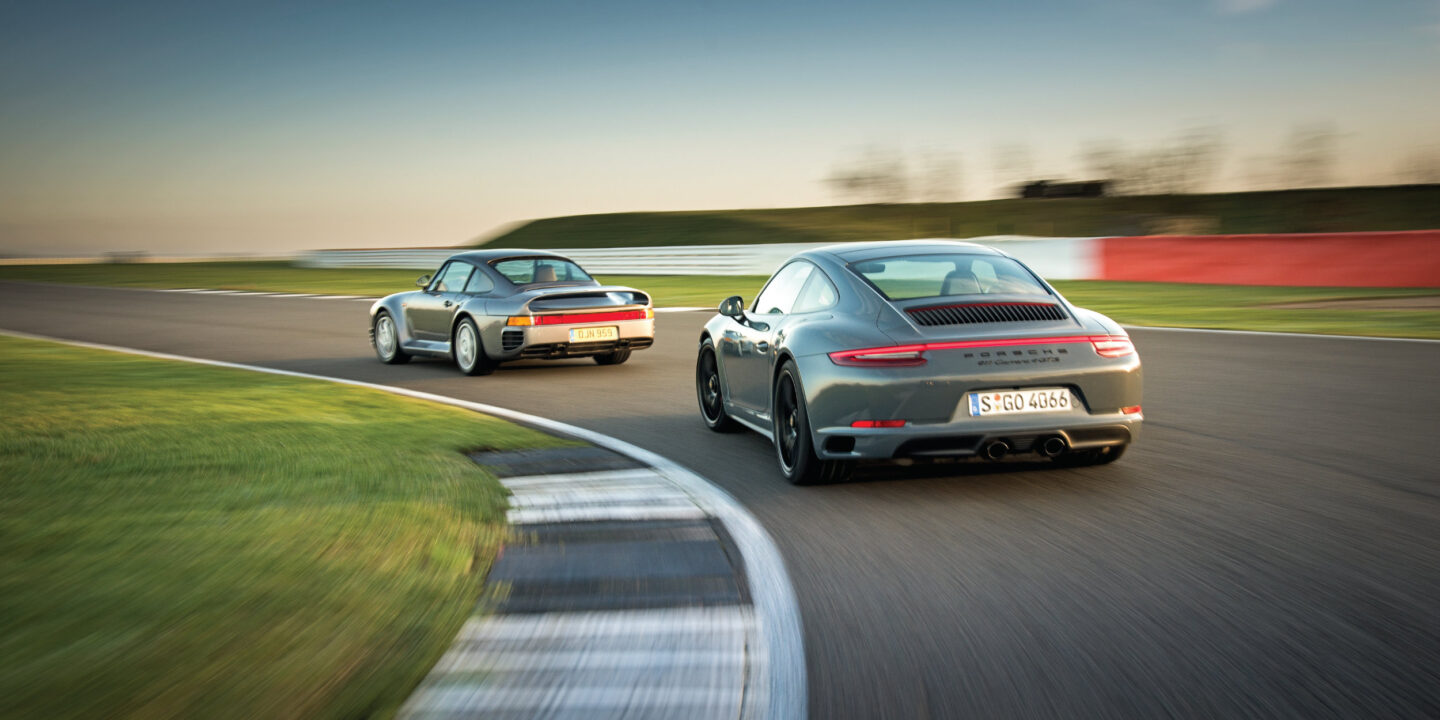
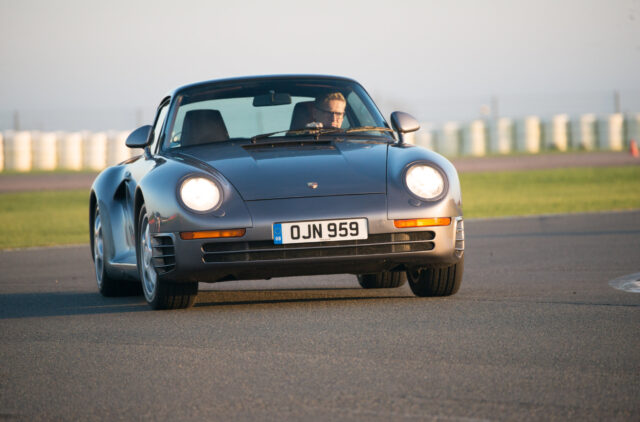
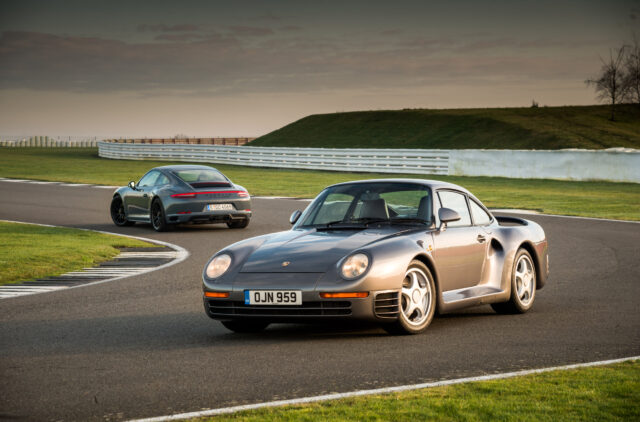
The 959 was effectively a testbed for the future – Developed in the mid-1980s, the 959 introduced technologies that would later become mainstream at Porsche, including all-wheel drive, adjustable suspension and rear-wheel steering. It was as much an engineering exercise as a production car, with lessons feeding directly into later 911 models.
The 917 nearly killed Porsche financially – To homologate the 917 for Group 4, Porsche had to build 25 examples – an enormous financial risk in 1969. The company stretched its resources to do so, but the gamble paid off with overall Le Mans victories in 1970 and 1971, cementing Porsche’s racing reputation.
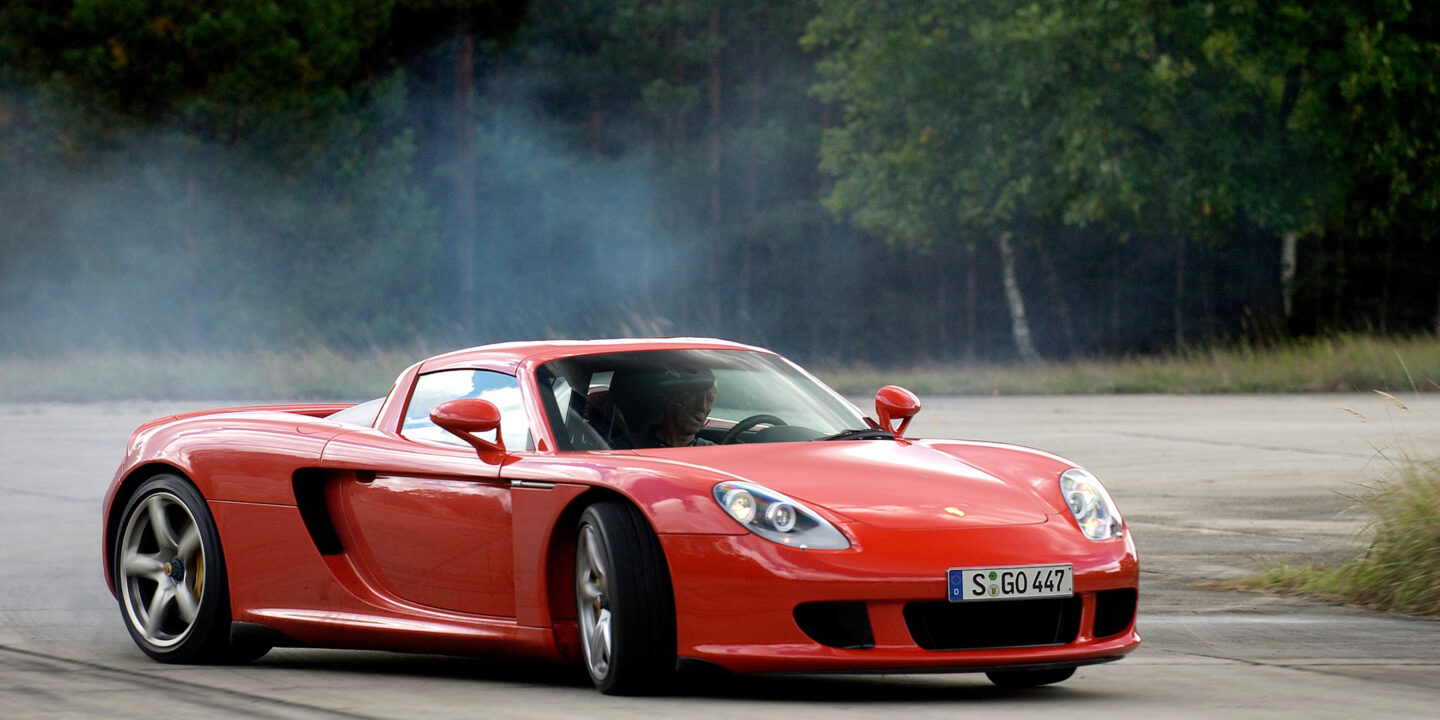
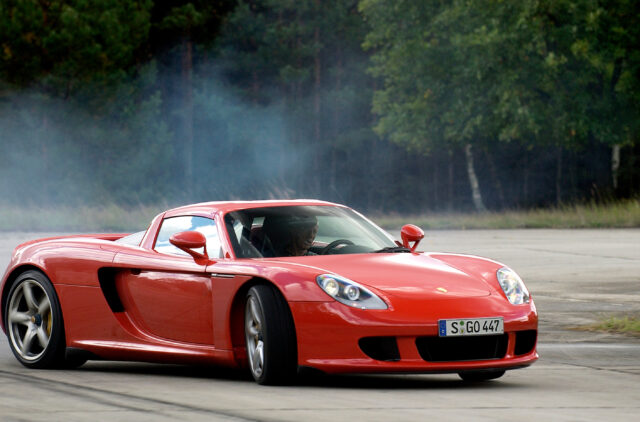
The Carrera name comes from a brutal road race – Porsche first used the ‘Carrera’ name in the mid-1950s, referencing the Carrera Panamericana – a notoriously dangerous Mexican road race. The name originally denoted 356 models fitted with the four-cam ‘Fuhrmann’ engine, before becoming a broader model designation.
The 928 was intended to replace the 911 – When launched in 1977, the 928 was conceived as Porsche’s future flagship with a front-mounted V8 and transaxle layout. For a time, Porsche’s management believed the old fashioned rear-engined 911 would be phased out – a plan ultimately reversed as demand for the 911 remained strong.
The Boxster financially saved the company – By the early 1990s Porsche was in a precarious position, with declining sales and rising costs. The introduction of the Boxster in 1996, sharing components and production processes with the 996-generation 911, dramatically improved efficiency and restored profitability. The success of the Cayenne SUV, launched in 2002, helped the company grow hugely into the new millennium.