Lamborghini
The marque that dared to challenge Ferrari, and changed the supercar forever
Explore more Lamborghini:
Lamborghini was founded in 1963 as a direct rival to Ferrari, building grand tourers that prioritised refinement and engineering sophistication over outright racing pedigree. The Miura redefined the supercar category in 1966, and the Countach followed in 1974 with a visual language that has shaped the marque’s design ever since. Now part of the Volkswagen Group, Lamborghini continues to produce V12 models from its Sant’Agata Bolognese factory alongside a growing range of hybridised powertrains.
Latest Lamborghini news
Explore more
Featured Lamborghinis for sale
See all Lamborghinis for saleLatest Lamborghini Articles
Explore more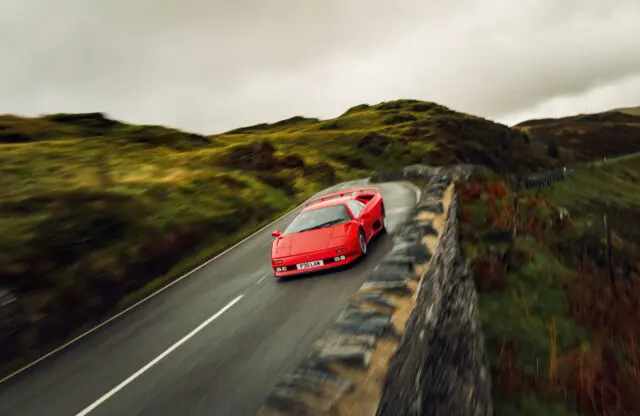
-
History of Lamborghini
Possibly the most iconic and flamboyant supercar marque in the world was founded in 1963 by industrialist Ferruccio Lamborghini. Created as a direct challenge to Ferrari after a personal disagreement between Ferruccio and Enzo Ferrari, Lamborghini sought to build refined, luxurious and powerful grand tourers offering superior engineering and comfort.
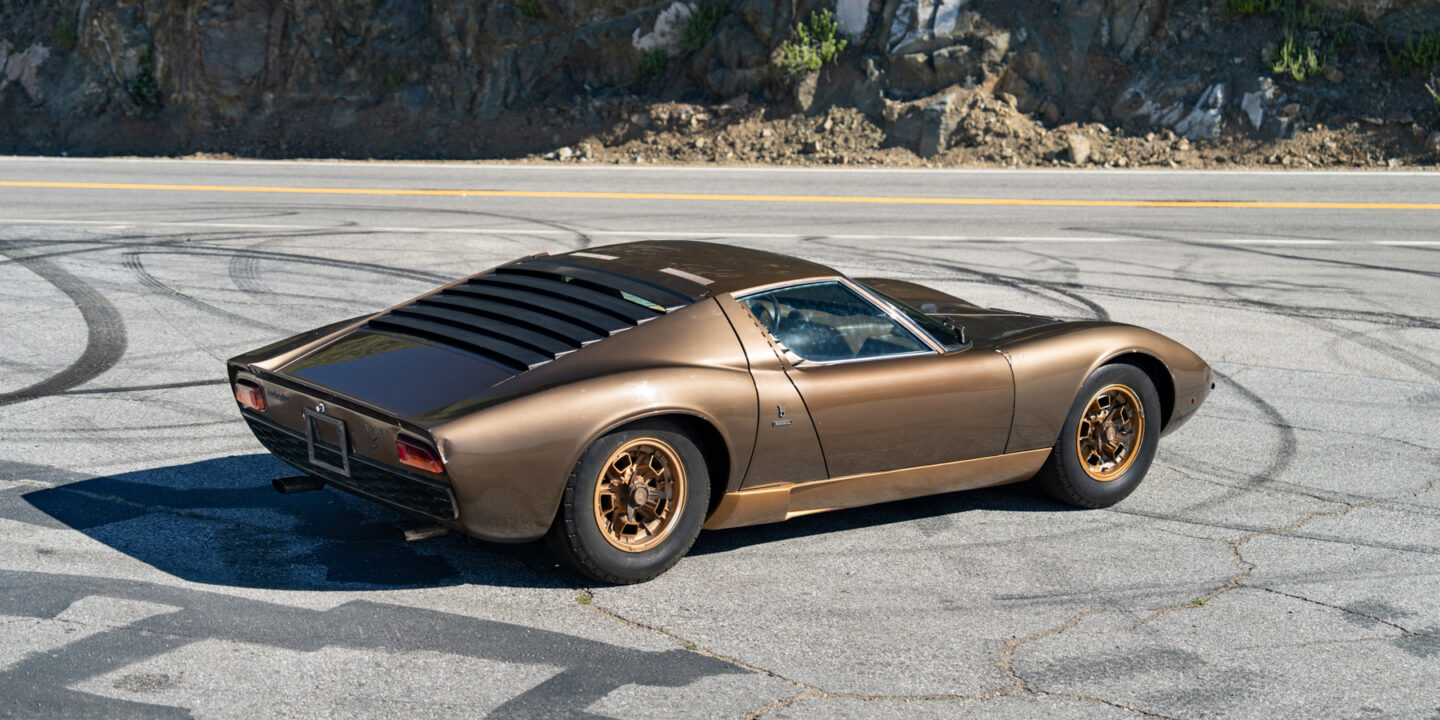
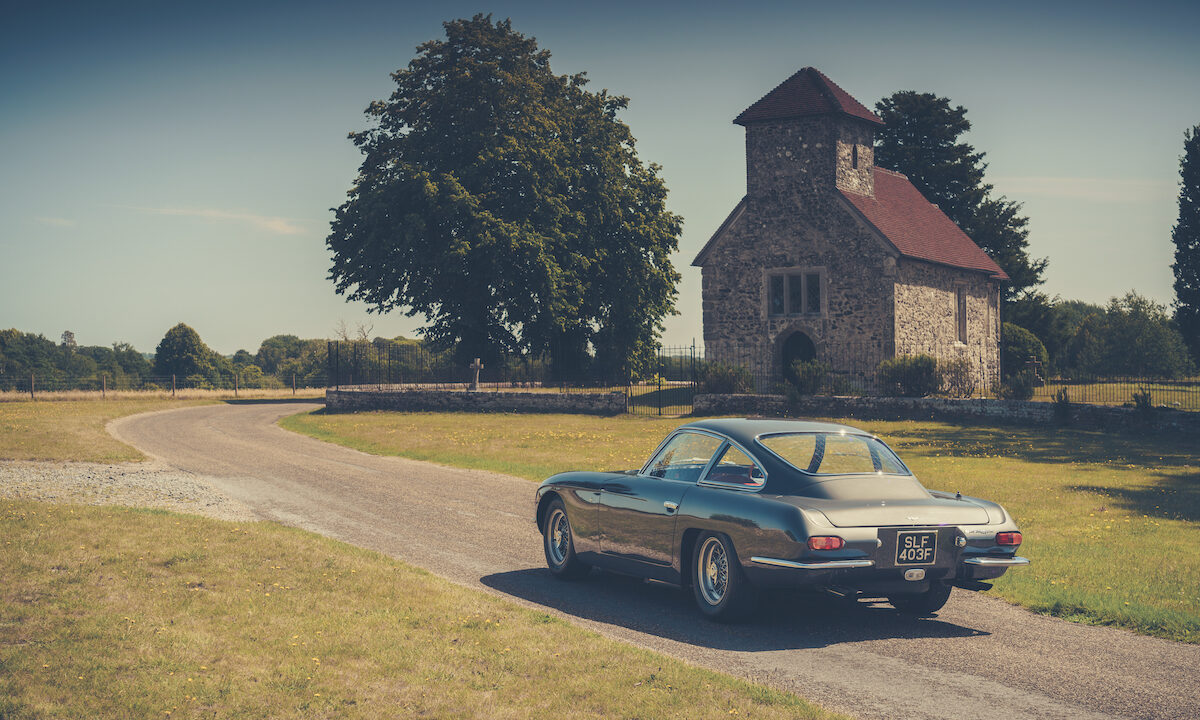
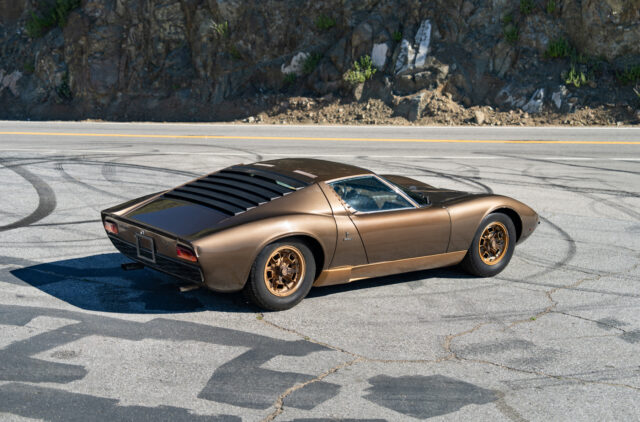
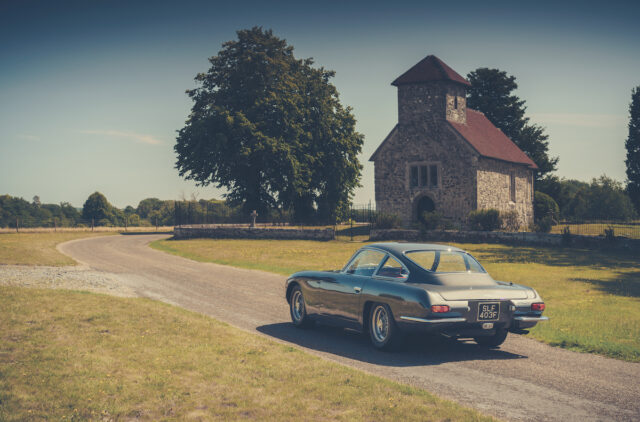
The marque’s debut model, the 350 GT and subsequent 400GT, showcased remarkable sophistication: a V12 designed by Giotto Bizzarrini, an advanced chassis by Giampaolo Dallara and elegant aluminium bodywork. But Lamborghini transformed the entire automotive landscape with the Miura in 1966. With its transverse mid-mounted V12, low-slung profile and stunning Bertone styling, the Miura is widely regarded as the world’s first true supercar.
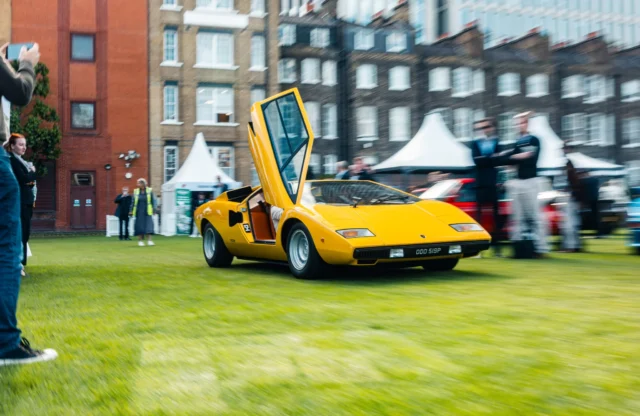
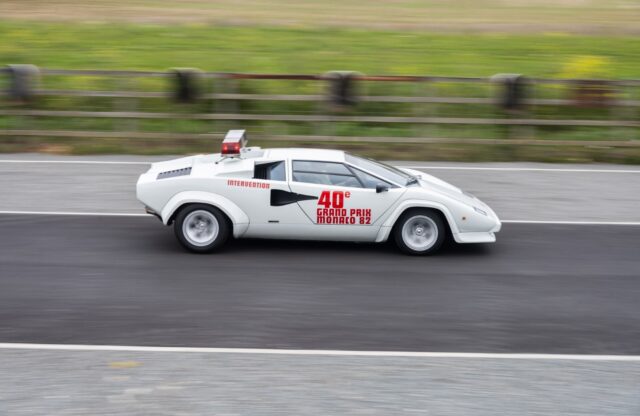
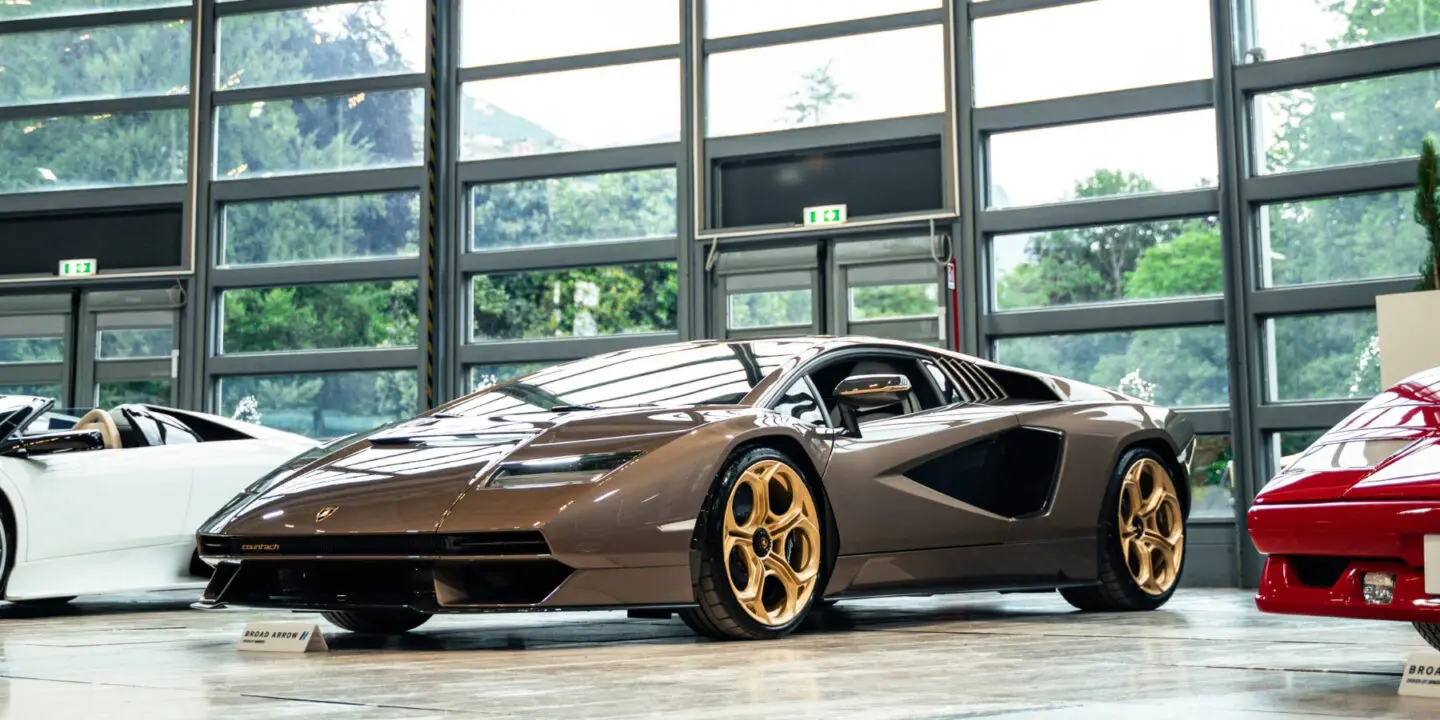
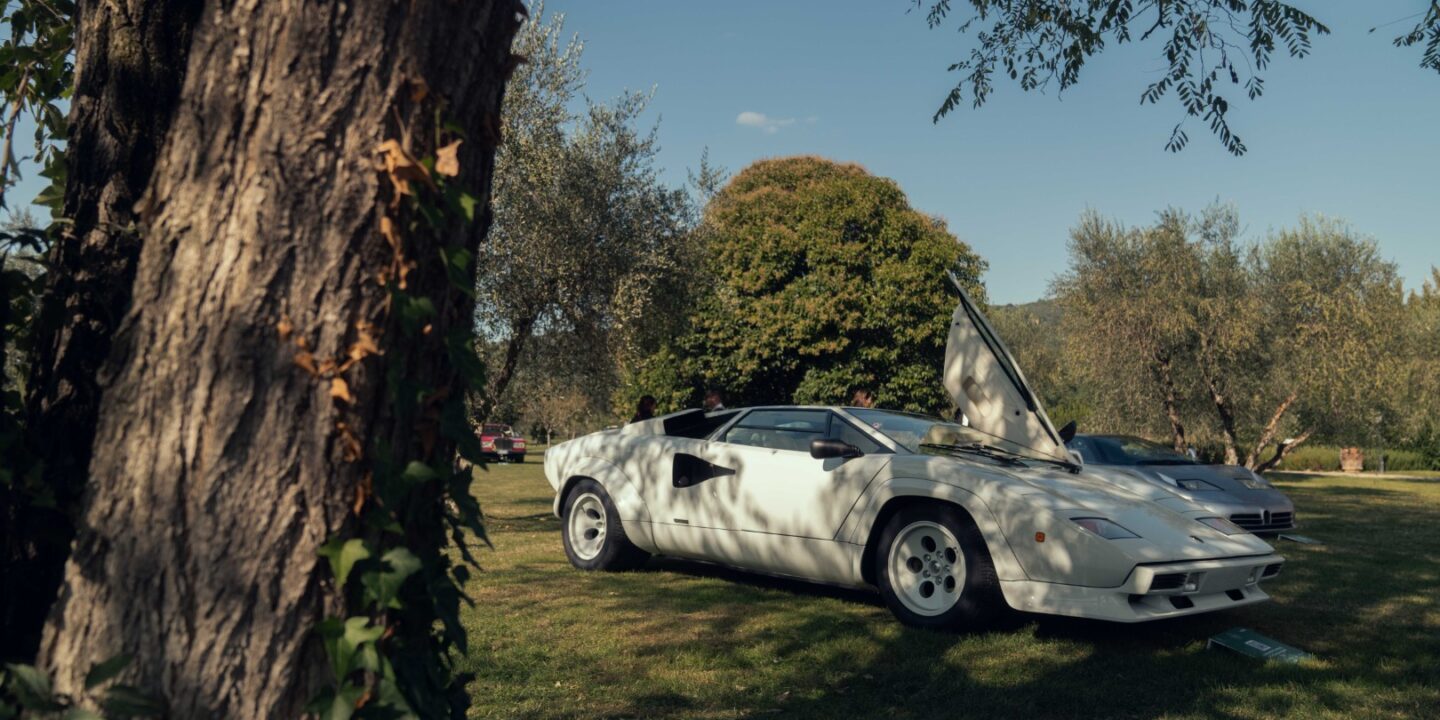
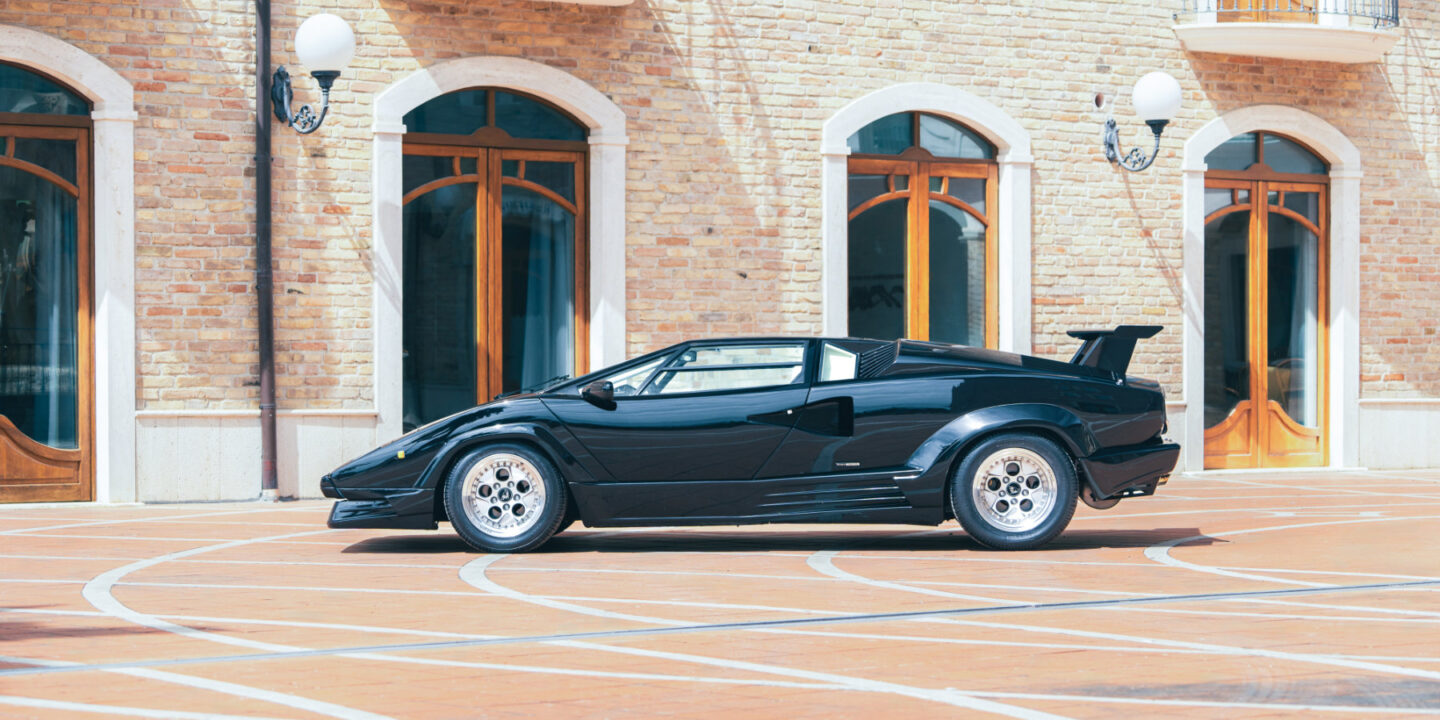
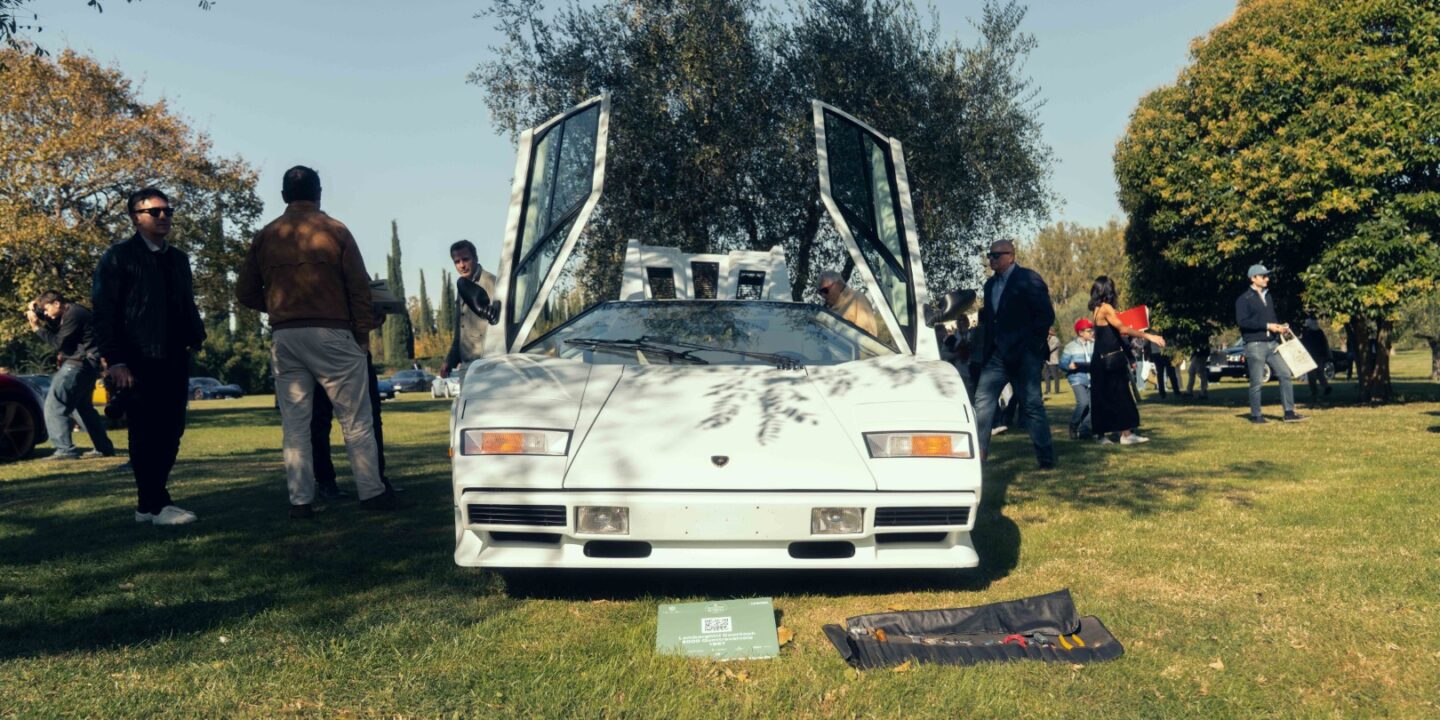
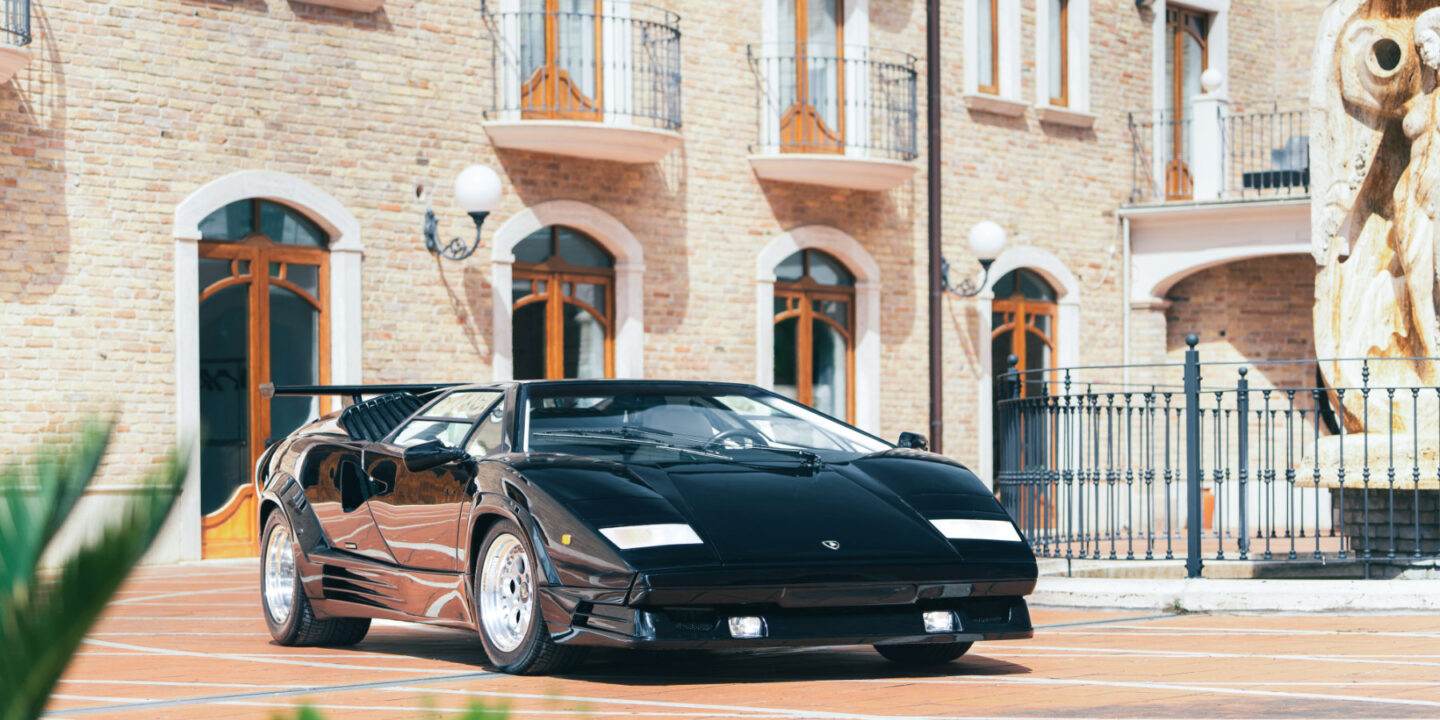
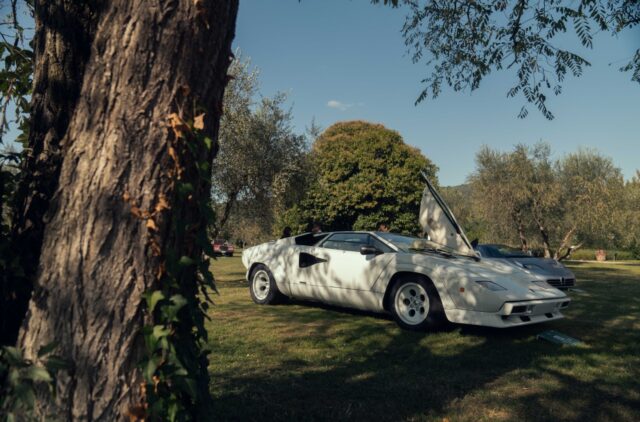
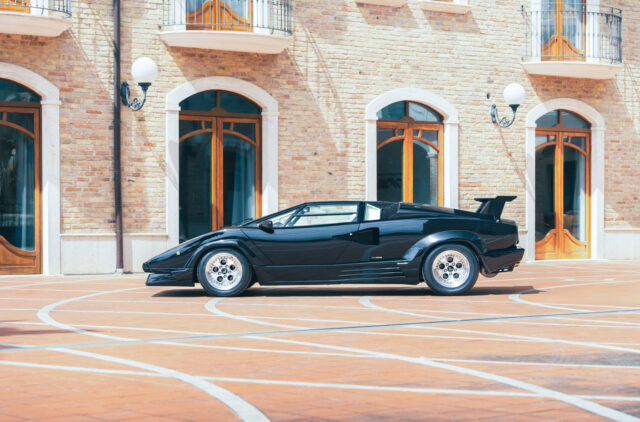
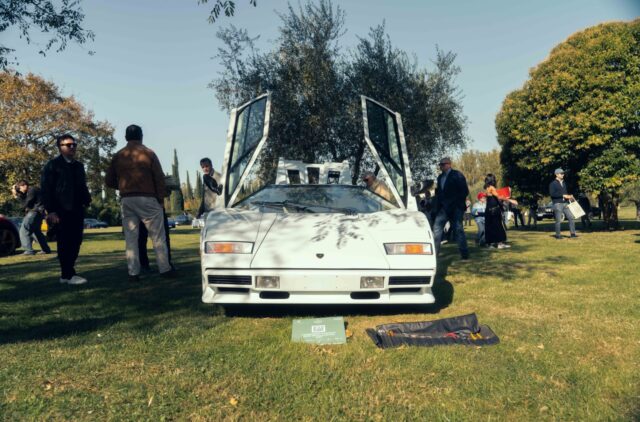
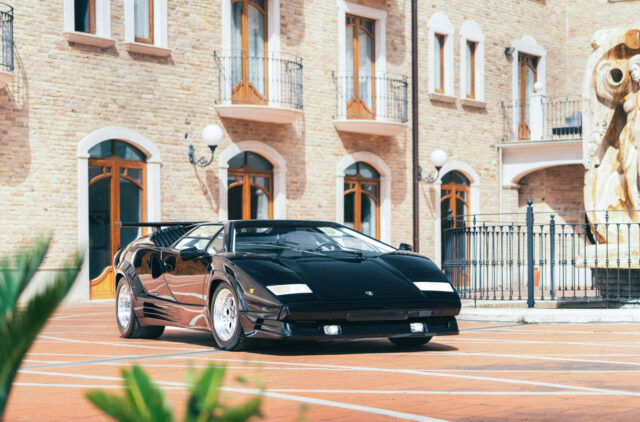
Lamborghini continued pushing boundaries with the Espada, Islero and Jarama, each reflecting Ferruccio’s commitment to high-speed luxury touring. But the marque once again redefined the exotic with the Countach, introduced in 1974. Again designed by Marcello Gandini for Bertone, the Countach’s scissor doors, wedge profile and futuristic appearance established the visual language of the modern supercar.
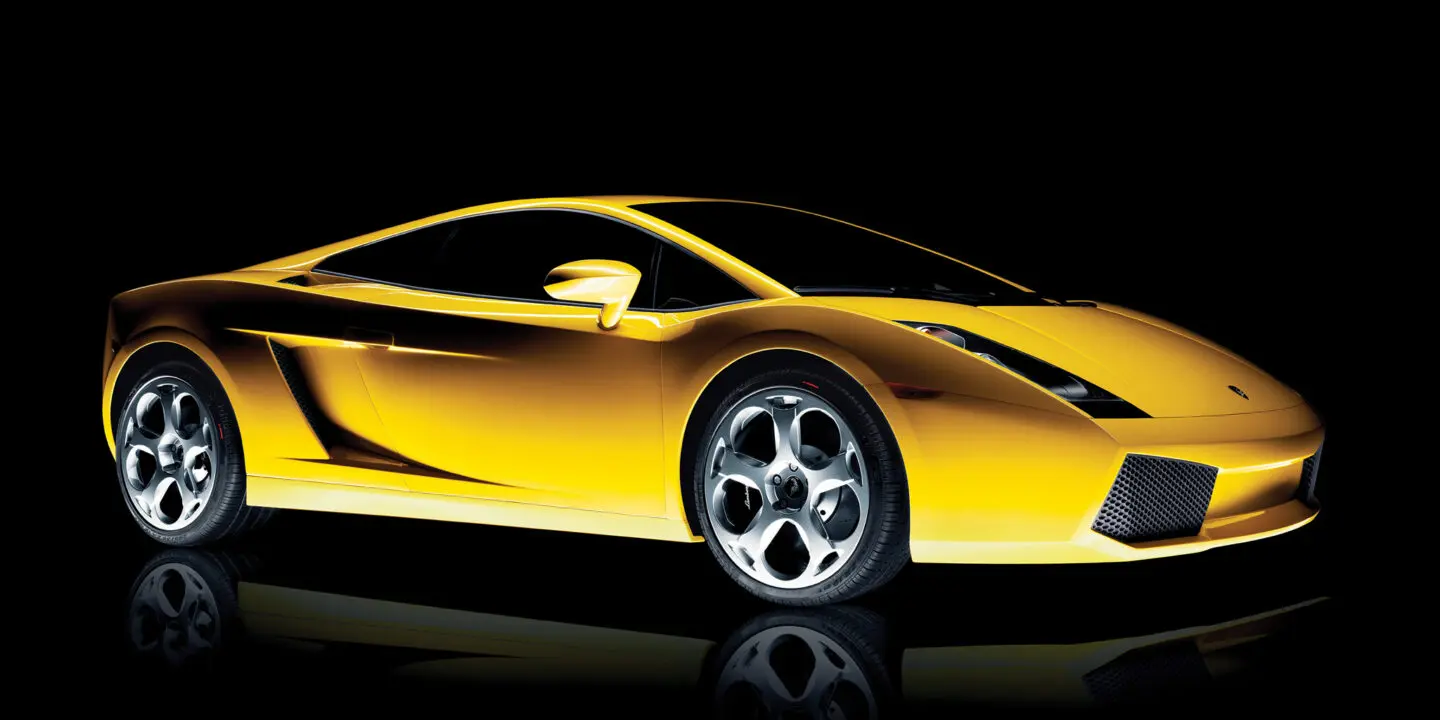
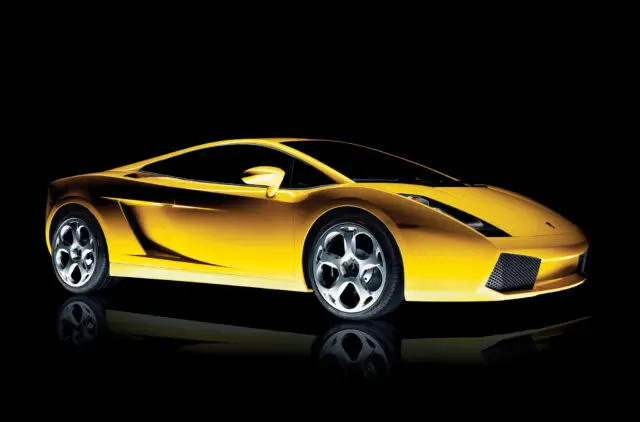
Following financial turbulence in the 1980s, Lamborghini launched the Diablo in 1990 – a brutally fast V12 flagship that carried the marque into the modern age. When Audi acquired Lamborghini in 1998, the brand gained stability and new engineering resources. This period produced masterpieces such as the Murciélago, Gallardo, Aventador and Huracán, blending dramatic design and benchmark performance with reliability.
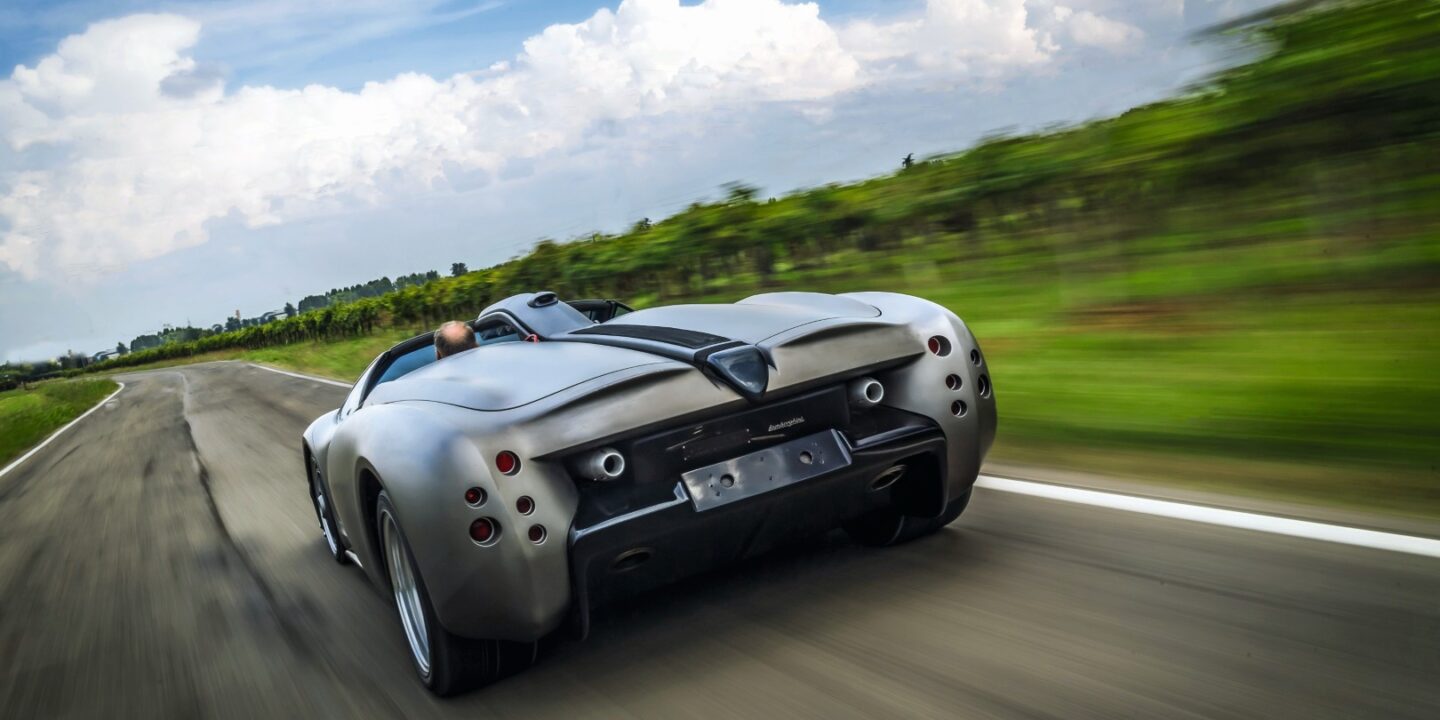
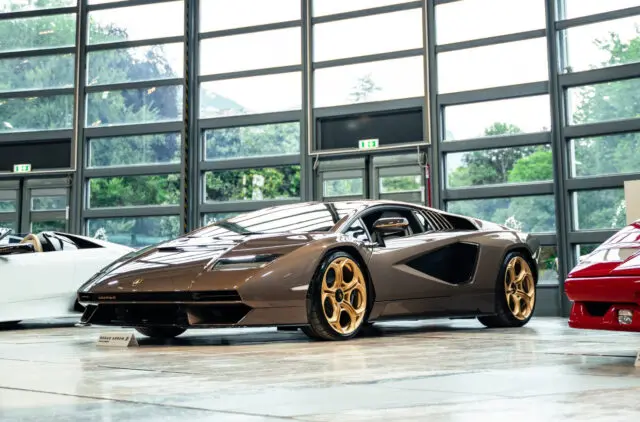
Special models such as the Reventón, Centenario, Sesto Elemento, Veneno and Sián have pushed materials science and aerodynamics to extremes.
Lamborghini remains synonymous with theatrical design, extreme performance and emotional appeal, and the Miura and Countach are among the most collectable cars in the world.
-
About Lamborghini
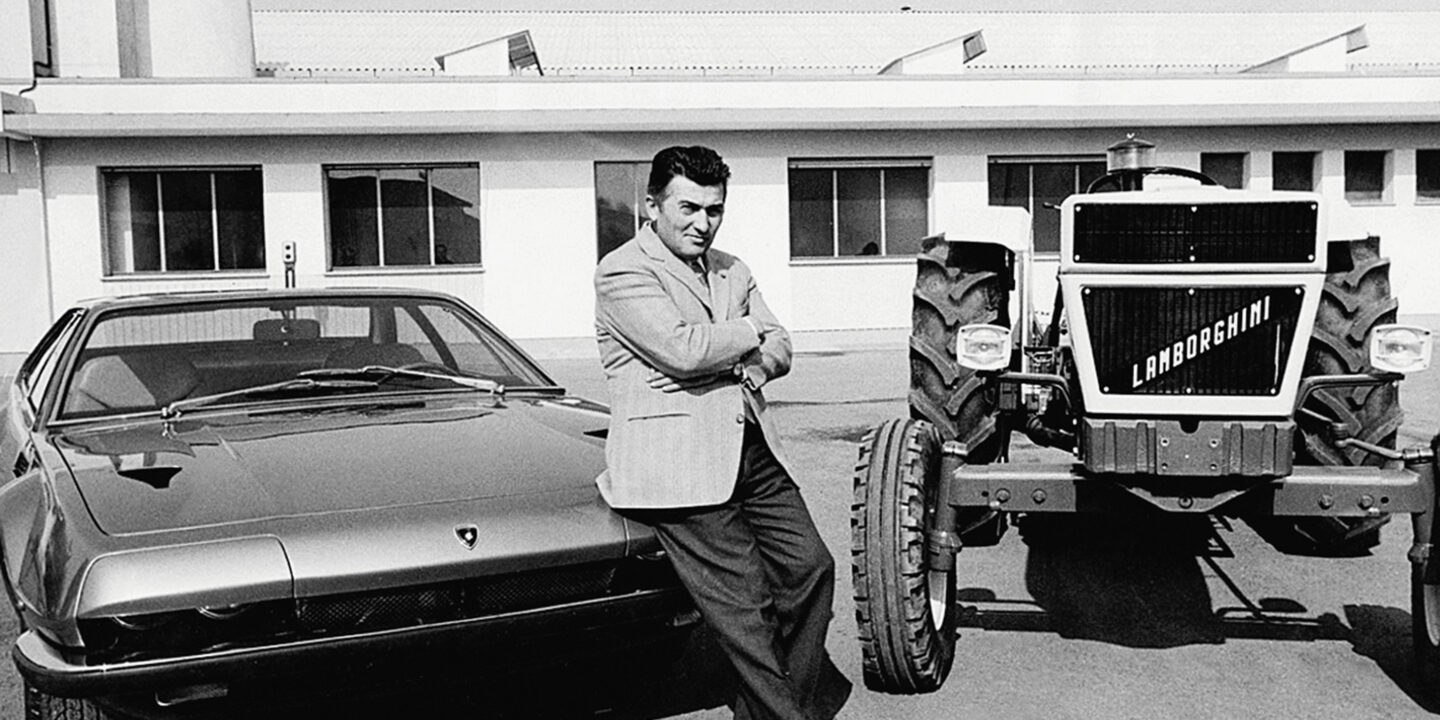
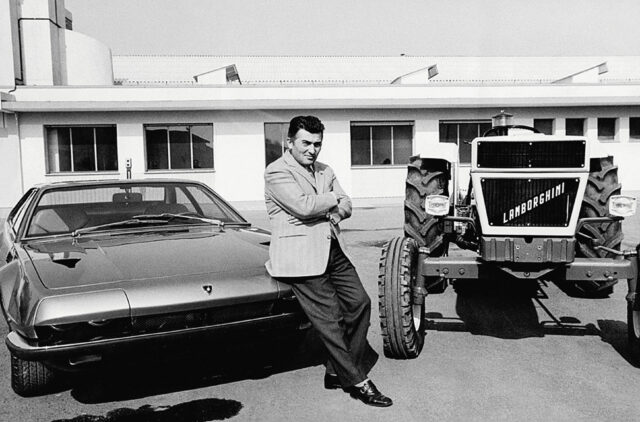
Automobili Lamborghini was founded in 1963 by Ferruccio Lamborghini in Sant’Agata Bolognese, a small town in the Emilia-Romagna region of northern Italy, a short distance from Ferrari’s Maranello base. Ferruccio, who had made his fortune manufacturing agricultural tractors and air-conditioning equipment, financed the company’s early development from his existing industrial interests, allowing Lamborghini to invest heavily in advanced engineering from the outset.
Sant’Agata Bolognese remains Lamborghini’s headquarters and principal production facility to this day, housing both manufacturing and the company’s design and engineering operations. The factory has been expanded substantially over the decades, and now includes the Lamborghini Museo, a dedicated research centre for carbon-fibre and composite materials, and an in-house design studio known as Centro Stile Lamborghini.
Ferruccio Lamborghini sold his stake in the company during the 1970s amid financial difficulties, and ownership passed through several hands over the following two decades, including periods of control by the Mimran family and Chrysler Corporation. This period of instability culminated in a brief period of bankruptcy administration in the early 1990s. Stability arrived in 1998, when Volkswagen Group acquired Lamborghini through its Audi subsidiary. Lamborghini has operated as part of the Volkswagen Group ever since, benefiting from shared platforms, technology and resources while retaining its own distinct engineering identity and design language.
Production at Sant’Agata has grown considerably under Volkswagen Group ownership, with the factory now producing several model lines in parallel, including V8, V12 and more recently, hybridised powertrains. Lamborghini also maintains a strong presence in motorsport and continues to develop limited-edition and one-off models through its Squadra Corse and Centro Stile divisions, preserving the spirit of dramatic engineering statements that has defined the marque since Ferruccio’s era.
-
Lamborghini trivia
Ferruccio Lamborghini’s feud with Enzo Ferrari began over a clutch – As the story goes, Ferruccio, already a wealthy industrialist and Ferrari owner, complained to Enzo Ferrari about persistent clutch problems on his car. Enzo reportedly dismissed the criticism, telling Ferruccio he knew nothing about building good cars. Stung by the rebuff, Ferruccio resolved to build a better grand tourer himself, founding Lamborghini within the year.
The Miura’s name came from fighting bulls, not the badge – Although Lamborghini had already adopted the raging bull emblem in 1963, the Miura specifically took its name from Don Eduardo Miura, a renowned breeder of Spanish fighting bulls. The naming convention stuck, and bull breeds have provided model names across the range ever since, including the Islero, Jarama and Aventador.
The Countach’s name is a Piedmontese exclamation – According to popular account, when Lamborghini test driver Bob Wallace and designer Nuccio Bertone first saw the finished prototype in 1971, a Piedmontese onlooker reportedly exclaimed ‘Countach!’, an informal expression of astonishment. Lamborghini adopted it as the production name in 1974.
Lamborghini briefly built off-road vehicles designed for the military – In the late 1970s, Lamborghini developed the LM002, a military-spec off-roader originally conceived under the project name Cheetah for the US Army. The contract fell through, but Lamborghini refined the concept into a road-going luxury 4×4, powered by the same V12 found in the Countach, and sold it to civilian buyers from 1986.
Ferruccio Lamborghini never owned a Lamborghini supercar himself – Despite founding the company, Ferruccio reportedly preferred more understated cars for his personal use, including Mercedes-Benz saloons, after selling his stake in the company in 1972. He maintained an interest in wine production and agriculture in his later years, distancing himself from the brand that bore his name.
The Diablo’s name continued the bullfighting theme, with a twist – Diablo, Spanish for ‘devil’, referenced a 19th-century fighting bull renowned for its ferocity rather than a bullfighting term itself. Launched in 1990, the Diablo was also the first production Lamborghini capable of exceeding 200mph, a milestone that aligned neatly with its name.
Lamborghini’s V12 architecture survived for almost five decades – The original 60-degree V12, designed in 1963 by Giotto Bizzarrini for the 350 GT, formed the basis – heavily revised and enlarged – for every V12 Lamborghini built through to the Murciélago, which ended production in 2010. Few engine architectures in automotive history have remained in continuous production for so long.
The Reventón was named after a fighting bull that killed its matador – Continuing Lamborghini’s bullfighting naming tradition, the limited-edition Reventón of 2007 took its name from a bull that famously killed Mexican matador Félix Guzmán in the ring in 1943 – a fitting reference for a car designed with stealth-fighter-inspired styling and a 211mph top speed.
Lamborghini built only one example of the Veneno roadster initially commissioned for sale – When the Veneno coupé debuted in 2013 to mark Lamborghini’s 50th anniversary, just three road-going examples were built. A roadster version followed in 2014, limited to nine cars, with each commanding prices well in excess of £3 million – among the most expensive new Lamborghinis ever offered.