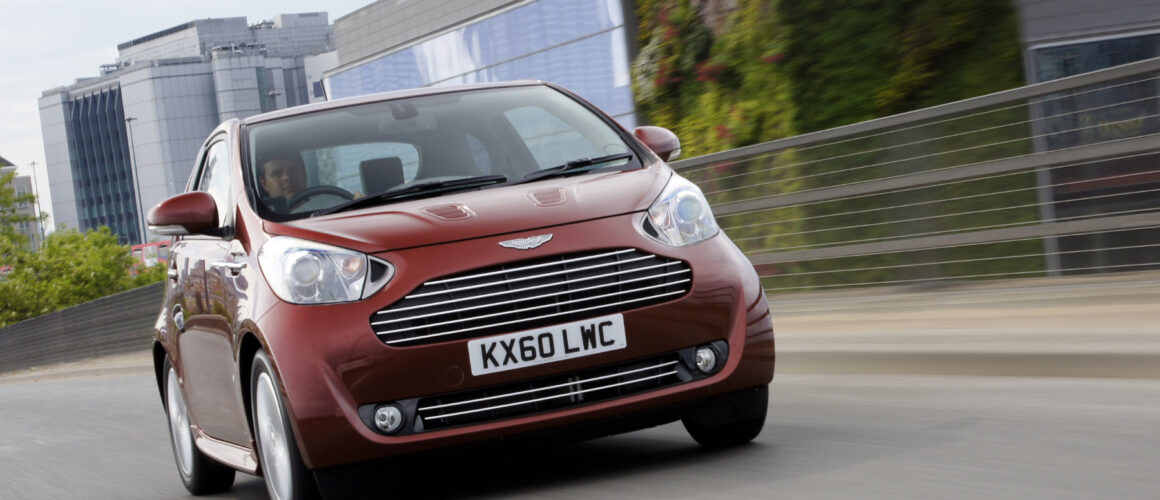
It’s difficult not to be slightly cynical about the Aston Martin Cygnet. Here is a car that was widely reported to have been developed solely to lower the average fleet CO₂ emissions for the Aston Martin range. At launch, the Cygnet certainly got a bit of a thrashing from the press – and the public. Yet the world feels like a very different place almost 15 years later and, while a lot of Aston purists turned their noses up at the idea of a Toyota-based luxury city car, the small number that actually bought and drove them – Stirling Moss included – absolutely adored them. The Cygnet also turned out to be one of the least depreciating modern Aston Martins of all time.
At its core, the Toyota iQ on which it was based was actually a very clever little car. It was not dissimilar in size and shape to a Smart, but was slightly wider and a foot longer, making it considerably more spacious inside. It even offered a pair of rear seats in the back, which realistically made it capable of ‘comfortably’ carrying three adults. Criticised for being too expensive at over £12,000 for the top-spec version, it was typically well-engineered, and a (relatively) decent thing to drive.
Aston Martin took that as a base and began production of its version in 2010, initially offering it only to existing brand customers. It soon went on general sale for a hefty £30,995 – around three times the price of the regular iQ!
Mechanically, the Cygnet was pure Toyota, powered by a 1.3-litre three-cylinder petrol engine, generating 97bhp and 91lb ft of torque. The manual gearbox was standard, with a CVT gearbox available for an extra £1120. The latter is generally considered to be the better of the two options.

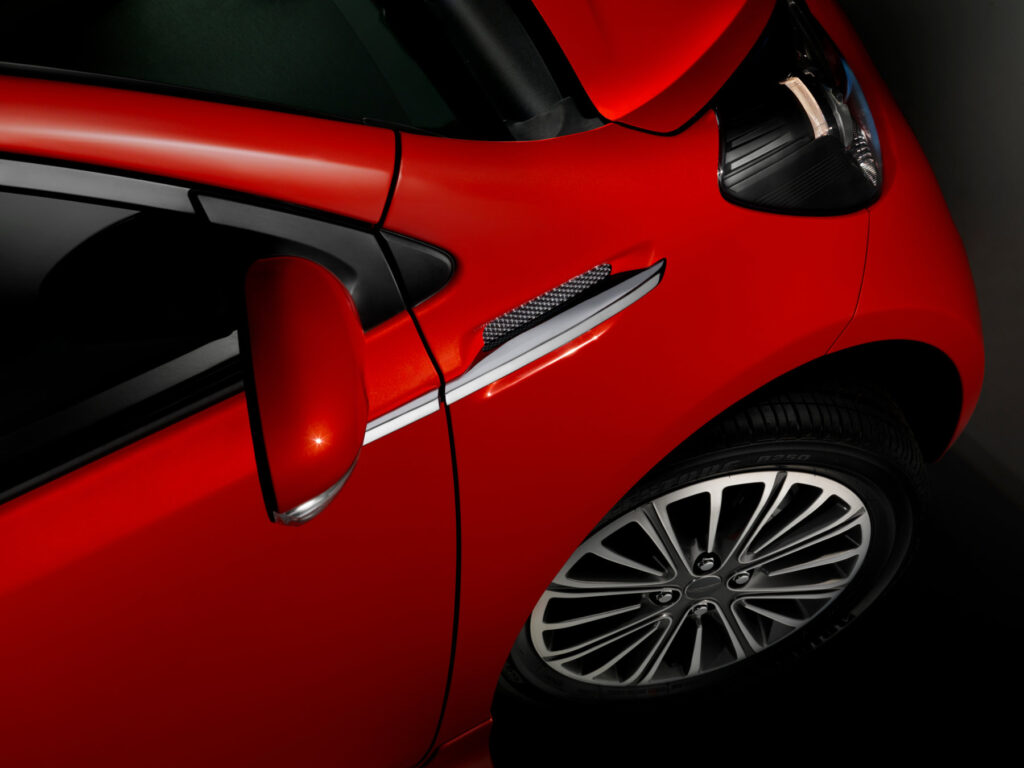
So how did Aston justify its price? Cosmetic changes to the iQ were significant, and all carried out on a dedicated production line at Gaydon. The front bumper is bespoke, and there’s an aluminium grille made to the same quality as the ‘proper’ Astons. The front wings and bonnet have added Vantage-style vents and strakes, and there’s a (purely cosmetic) rear diffuser. Although the headlights are unchanged from the iQ, they’re disguised with trims and the rear lights are bespoke. It was also painted to a much higher standard, in a range of the usual gorgeous Aston colours. Externally, the transformation was finished off by eight- and 16-spoke diamond-cut wheel designs.
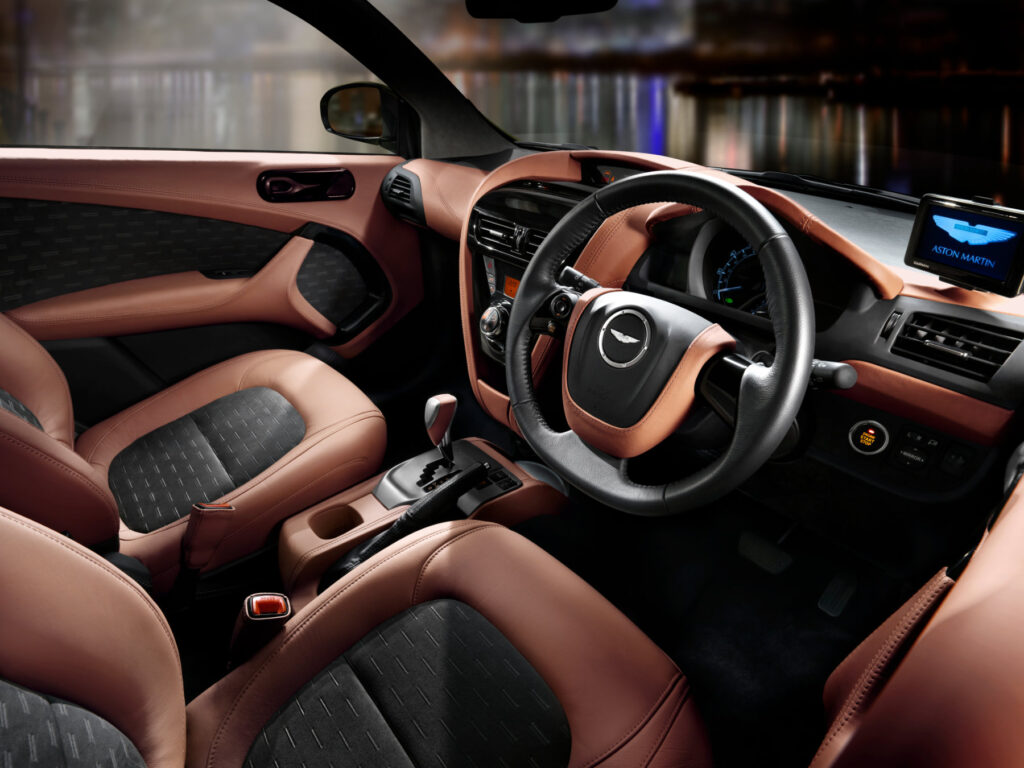
The interior is particularly special, with most trim wrapped in high-quality leather and a new ‘waterfall’ centre console design in a style similar to that of other models in the range. Some of the original owners had a lot of fun with the colour options, so you can expect a few lairy examples out there.
Although it was widely reported at the time, Aston’s then-CEO Ulrich Bez dismissed the widely held belief that the Cygnet was a ploy to lower CO₂ averages, stating that an Aston Martin city car was something he’d always wanted to do. Aston had hoped to build 4000 Cygnets per year, but slow sales meant that it completed only 789 before pulling the plug in 2013. Just 150 were sold in the UK.
It’s fair to say that, while feelings around the Cygnet have softened a lot, it’s still a relatively divisive car. Best to enjoy it for what it is – a beautifully trimmed and built, extremely rare and low-maintenance city car – rather than what it’s not.
Common problems
• Toyota’s legendary reliability means that the Cygnet’s mechanicals seldom cause any issues, especially as they’re generally very low-mileage cars. Although not strictly necessary, a full Aston dealer service history is a nice thing to have and will probably make it easier to sell in the future.
• Mechanical parts can be ordered through Toyota, at a significant cost saving.
• Bearing this in mind, the main consideration when buying a Cygnet is to make sure that every bespoke Aston Martin part is in perfect condition: bumper, bonnet, grilles, badges, all the leather interior trim and the diamond-cut alloy wheels.
• You might not expect any Cygnet to have been modified, but Aston did offer an official suspension-lowering option, which is said to improve the handling somewhat. Other than that, plenty of aftermarket modifications exist for the iQ, such as a supercharger kit, and Aston Works has even built a unique V8-engined version for one customer – so there’s definitely scope for fun if you’re so inclined.
• Most Cygnets have covered a low mileage, but they’re getting to a point when in-depth maintenance may be wise. Check the age of tyres, for example; they rarely wear out, but may have perished or hardened.
What to pay?
Although it was widely criticised when new for its £30k-plus list price, well over twice what even a top-spec iQ cost, the low numbers making it onto the secondhand market have ensured that prices have held up well. For a good example, expect to pay around £30,000, with exceptional cars closer to £40,000. A standard iQ can be picked up for between £2500 and £6000 today.