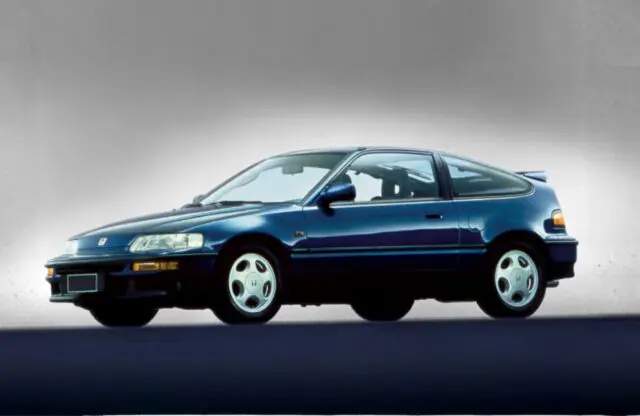
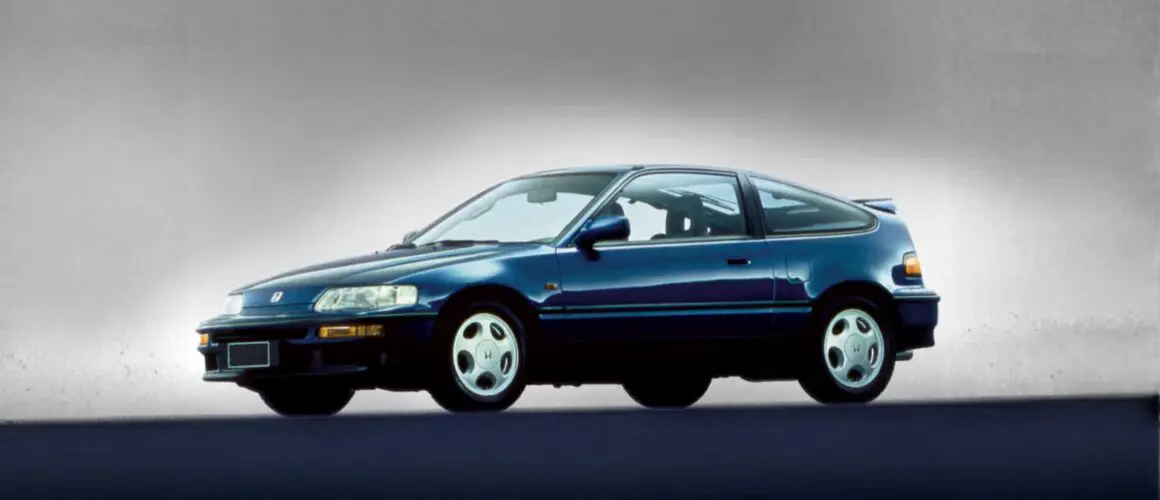
To many, Japanese manufacturers built their reputations on dependable but largely unremarkable everyday cars. Yet every so often, something emerges that reveals a more spirited side to that engineering philosophy. The second-generation Honda CR-X is one such example – a compact, lightweight coupé that distilled the essence of driver engagement into an accessible and affordable package.
Launched in 1988 as the successor to the original CR-X, this second-generation model was based on the contemporary Civic platform but featured significant revisions to suit its sporting intent. A lighter, more rigid bodyshell, sharper suspension setup and distinctive wedge-shaped styling combined to create a car that felt far more purposeful than its humble origins might suggest. Its compact dimensions and low kerb weight – just over a tonne – ensured that keen performance and agility were central to the driving experience.
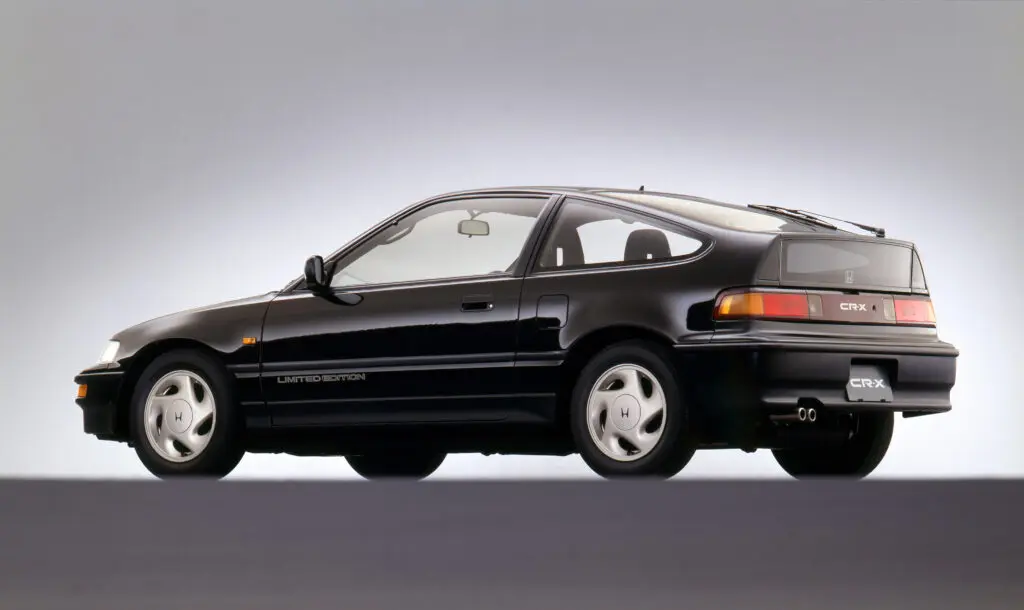
Engine options ranged from modest single-overhead-cam units to more spirited twin-cam variants, but it was the range-topping 1.6-litre VTEC model that truly defined the car. Producing 148bhp in UK specification – and slightly more in Japanese domestic market form – the engine was notable for its high-revving nature and innovative variable valve timing system. This allowed it to deliver both tractability at low speeds and an energetic surge of power at higher revs, giving the CR-X a character that belied its modest capacity.
Power was sent to the front wheels via a five-speed manual gearbox, and thanks to the car’s low weight and well-judged chassis balance, it proved immensely rewarding on twisting roads. The steering was responsive, the handling precise, and the overall experience one of lightness and immediacy that has become increasingly rare in modern performance cars. The distinctive glass hatch and clean, angular lines have also aged well, lending the car a timeless appeal.
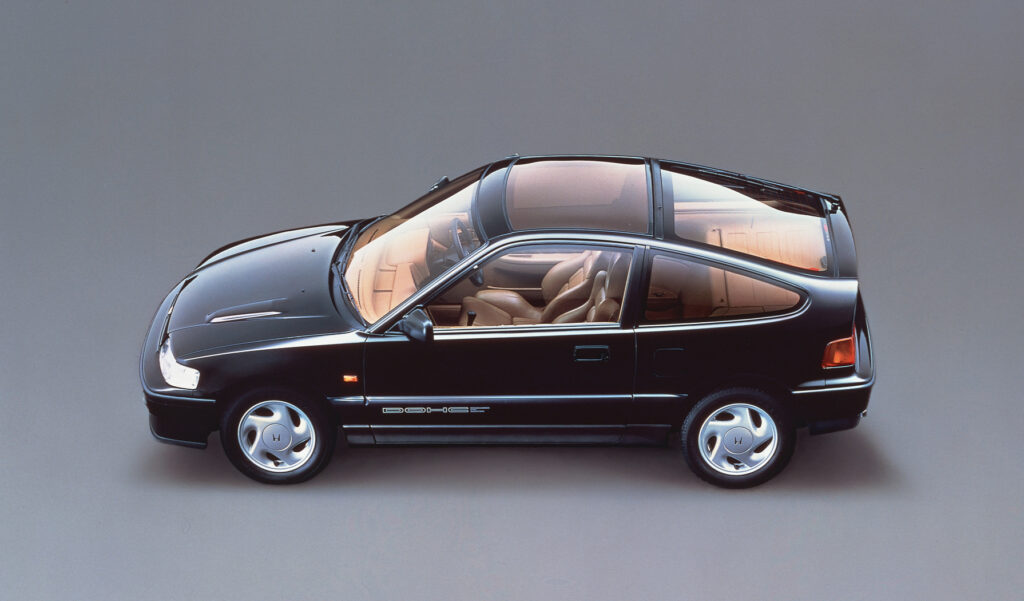
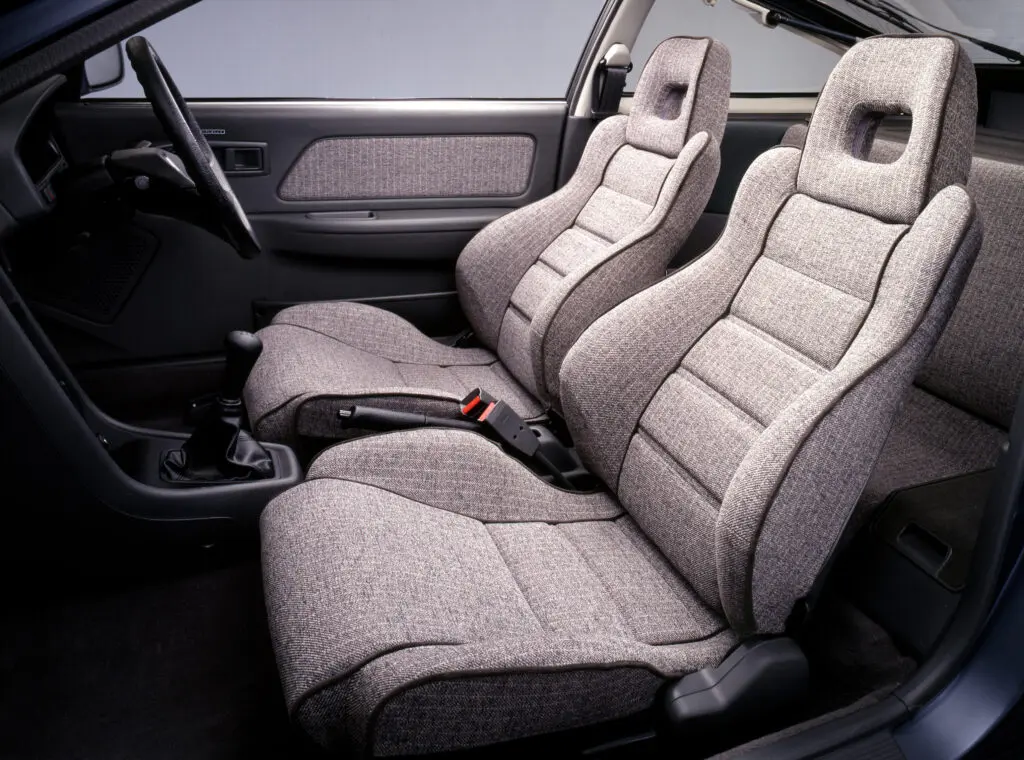
UK-market cars were generally well specified, often featuring electric windows, alloy wheels and supportive bucket seats as standard. Japanese-market examples occasionally offered additional features such as glass sunroofs and limited-slip differentials, and a small number were imported to the UK in later years. As such, verifying the provenance and specification of imported cars is important when buying.
Production lasted just over three years, ending in 1991 when the CR-X Del Sol replaced it with a very different concept. As a result, surviving examples of the Mk2 CR-X are relatively scarce. Many have been modified over the years, reflecting their popularity among enthusiasts, and original, unmolested cars are becoming increasingly difficult to find. Today, the second-generation CR-X is widely regarded as the purest expression of the model’s ethos – a lightweight, engaging driver’s car that rewards precision and enthusiasm.
Common problems
Bodywork and corrosion
• Although corrosion protection was improved over the first-generation model, rust is still a huge issue. Pay close attention to rear wheelarches, sills, footwells and the lower edges of the doors.
• Blocked drainage channels are common. Check for trapped leaves and debris, particularly around the scuttle and rear sections of the body.
• Replacement body panels and trim components are difficult to source, making bodywork repairs more difficult and expensive.
Engine and mechanicals
• The engines are extremely robust and capable of covering high mileages if properly maintained, but regular servicing and frequent oil changes are essential.
• VTEC-equipped engines require particular attention to oil quality and level, and as they burn some oil by design regular fluid checks are vital. Blue smoke from the exhaust would indicate that it burning excessive amounts and that the engine may need a refresh.
• High mileages are common and not necessarily a concern, provided there is a comprehensive service history.
Transmission and modifications
• The five-speed manual gearbox is typically reliable, with few inherent weaknesses when maintained correctly. Check for clean gear engagement, with worn synchros the most common issue.
• Many cars have been modified, ranging from mild upgrades to extensive engine and suspension changes. Light, well-executed modifications are generally acceptable, and potentially reversed, but heavily altered cars should be approached with caution.
• Engine swaps and significant drivetrain modifications can introduce reliability issues and may indicate hard use, but with lots of Honda specialists available and many parts available, most issues can be remedied.
Chassis, suspension and brakes
• Suspension components are generally durable, but worn bushes are common.
• An overly firm or unsettled ride may indicate poorly executed suspension modifications or worn components.
Interior and electrics
• The interior is relatively basic. While durable, it can show signs of age and wear, and good condition trim is now very expensive.
• Cloth seats tend to wear better than leather-trimmed alternatives, which can crack or deteriorate over time.
• Ensure all electrical components, including switches and window mechanisms, are functioning correctly.
What to pay?
The Honda CR-X Mk2 remains something of an under-the-radar performance classic, though values have begun to rise as enthusiasts recognise its purity and driving appeal. Entry-level cars can still be found from around £4000, but these are often higher mileage examples or cars with modifications that may not appeal to all buyers.
Well-maintained, largely original examples are increasingly sought after and typically command between £7000 and £10,000. The very best low-mileage, unmodified VTEC-powered cars often exceed this range, reflecting their growing rarity and desirability among collectors.
As with many Japanese performance cars of this era, originality plays a significant role in value. While sympathetically modified cars can still offer an engaging driving experience, those seeking long-term appreciation would be wise to prioritise standard examples with strong service histories and minimal alterations. The only caveat to this would be that some official Mugen parts can add significantly to the value of any car.
Specifications
| Engine capacity | 1595cc |
| Power | 148bhp @ 7600rpm |
| Torque | 106lb ft @ 7100rpm |
| Kerb weight | 1025kg |
| 0-60mph | 8.0 seconds |
| Top speed | 130mph |
| Length | 3774mm |
| Width | 1674mm |
| Height | 1270mm |
| Wheelbase | 2300mm |