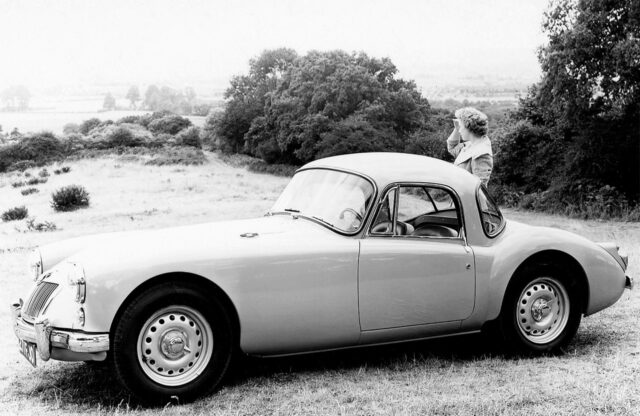
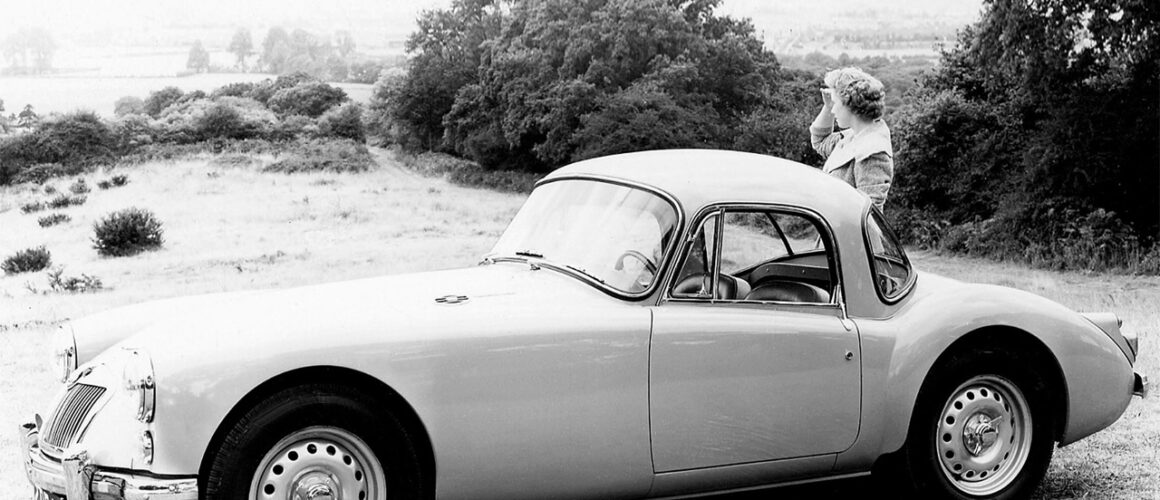
It’s often said that racing improves the breed, and in the case of the MGA that was literally true. In the early 1950s, MG’s ageing T-series roadsters were falling behind, both on the export market and on the racetrack. When enthusiast racer George Philips took his MG TD to Le Mans in 1951, he asked the company’s chief engineer, Syd Enever, to design a more aerodynamic body for it. Although the car retired before the finish, the sleek new shape’s performance made an impression – and would soon inspire a new sports car.
By 1955, with MG now under the BMC umbrella, the idea became reality. The MGA 1500 was launched in roadster and coupé form, powered by Austin’s 1.5-litre B-series engine in place of the long-serving XPAG unit. With 68–72bhp, it was no fireball, but its smooth lines, fine handling and comfort made it a hit abroad. In its first year alone it outsold the Triumph TR2 and TR3 and made the Porsche 356 look costly by comparison. The MGA was a crucial export success and re-established MG as a serious sports-car maker.
Performance-minded buyers had to wait until 1958 for something wilder. The high-compression Twin Cam featured an all-new double-overhead-cam head on the 1588cc B-series block, boosting output to 108bhp. With four-wheel Dunlop disc brakes and knock-off wheels, it was the fastest MGA yet. Unfortunately, the design proved fragile in service, with low-octane fuel and poor understanding among dealers leading to detonation and piston failure. Just 2111 were built before MG abandoned the model in 1960.
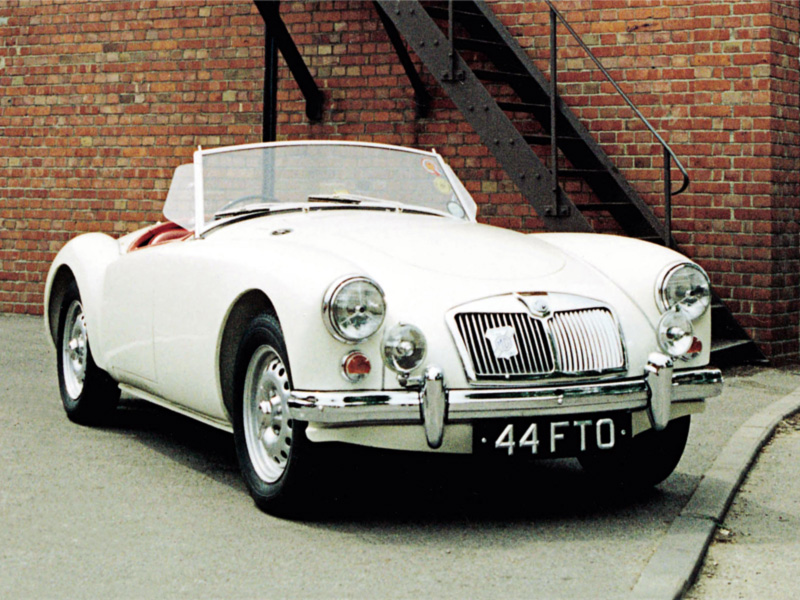
By then, the standard range had been upgraded to the 1600 Mk1, combining the Twin Cam’s disc brakes with an OHV version of its 1588cc engine. Some late examples, badged De Luxe, used the Twin Cam’s chassis and four-wheel-disc setup. In 1961 came the 1600 Mk2, with an enlarged 1622cc engine and a subtle facelift featuring inset grille and Mini tail-lights. The last of these rolled off the line in 1962 as production switched to the monocoque MGB.
Today the MGA stands as MG’s last true separate-chassis sports car, prized for its elegant shape, simple engineering and delightful balance. Whether as a 1500 tourer, a disc-braked 1600, or a rare Twin Cam, it’s one of the most usable 1950s classics – and one that continues to win hearts at home and abroad.
Common problems
• All B-series engines leak oil, especially the three-bearing 1500 and 1600 units. The rear main scroll is a weak point and can never be completely leak-free. Check for oil at the gearbox joint and under the car after standing.
• Overheating can occur in modern traffic. Many cars have upgraded radiators or electric fans fitted. Ensure the cooling system is in good condition and the fan operates correctly.
• Vibration above 3500rpm in three-bearing engines is normal due to crank flex, but excessive harshness may suggest imbalance or worn mounts.
• Twin Cam engines are much improved with modern rebuilds, better ignition systems and 98-octane fuel. Poor starting or rough running can indicate low compression or ignition issues.
• Gearboxes are tough but can jump out of gear when worn. Oil leaks from the rear seal are common, as are noisy layshaft bearings.
• Lever-arm dampers work well when maintained. Replacing them with telescopic units can make the ride harsh and unsettled. Check for leaks and perished bushes, especially on the rear leaf-spring saddles.
• Steering play usually results from worn kingpins or trunnions. Polyurethane bushes and upgraded components are available to sharpen feel.
• Brake fade is the main issue on all-drum cars. Ensure the system has been properly adjusted and consider a disc-brake conversion if you intend to use the car regularly.
• The Twin Cam and De Luxe models used Dunlop-Girling four-wheel discs. Parts remain available but are costly. Verify that the correct hardware is fitted, as conversions are sometimes incomplete.
• Body and chassis condition are everything. Look for corrosion around the sills, lower wings, floorpans and chassis rails. Any sign of poor alignment or rippling at the grille or radiator support hints at accident damage.
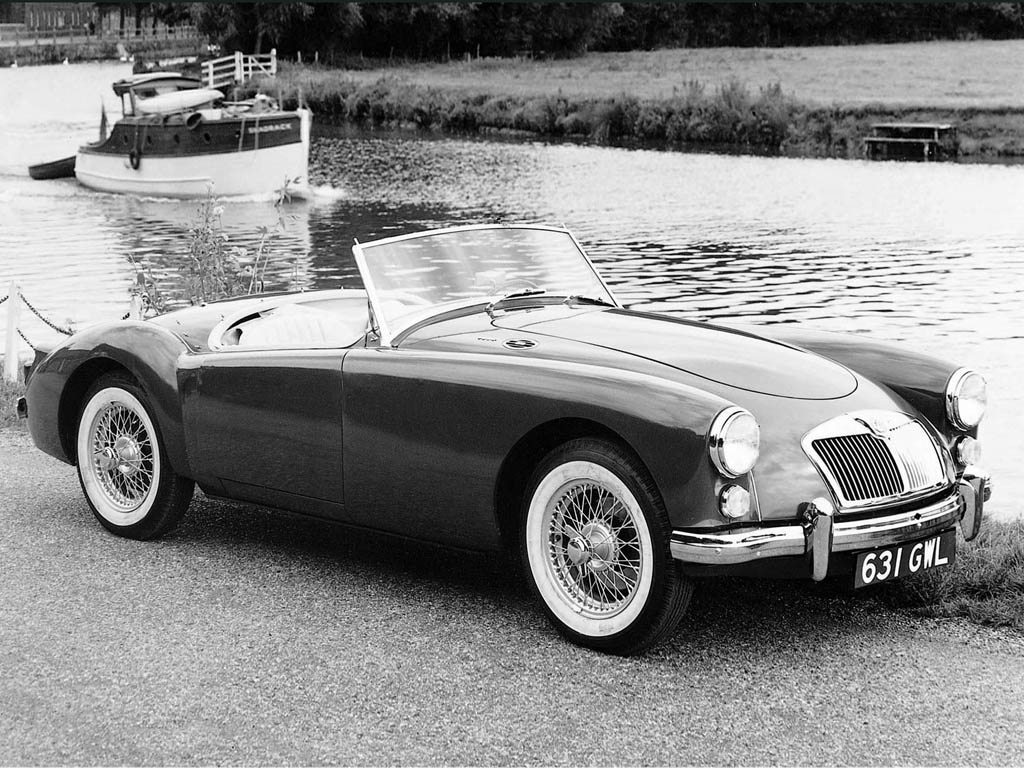
• Wings should be bolted, not welded on. Reproduction panels exist but rarely fit perfectly. Inspect around headlamps and wheelarches for filler and patches.
• Boot floors and inner wheelarches are vulnerable to rot, especially if the car has seen wet use. A full restoration often requires lifting the body off the chassis to repair box sections properly.
• Interiors are straightforward to refurbish, with trim kits readily available. Taller drivers may prefer the later, higher-mounted seat frames from the 1600 and Twin Cam models.
• Electrical systems are simple but benefit from upgraded earths and a modern regulator. Dim lights and erratic gauges often stem from corroded connections rather than serious faults.
• Many owners upgrade with five-speed gearboxes, disc brakes or MGB engines. Such modifications can make the car far more usable but may slightly affect originality and value.
What to Pay
Expect to pay around £20,000 for a sound but imperfect 1500 or 1600 roadster, rising to £30,000 for a good example and £35,000 or more for an exceptional Twin Cam or De Luxe. Coupés are generally a little cheaper, but condition is the overriding factor.
The most desirable variants are the Twin Cam and rare 1600 De Luxe, though a well-prepared 1600 Mk2 offers nearly the same looks and performance with fewer headaches. For regular road use, a car upgraded with a five-speed gearbox and improved cooling system can be the best choice. Whichever model you choose, buy the best you can afford – restoring a tired MGA is rarely economical compared with finding a well-sorted one.