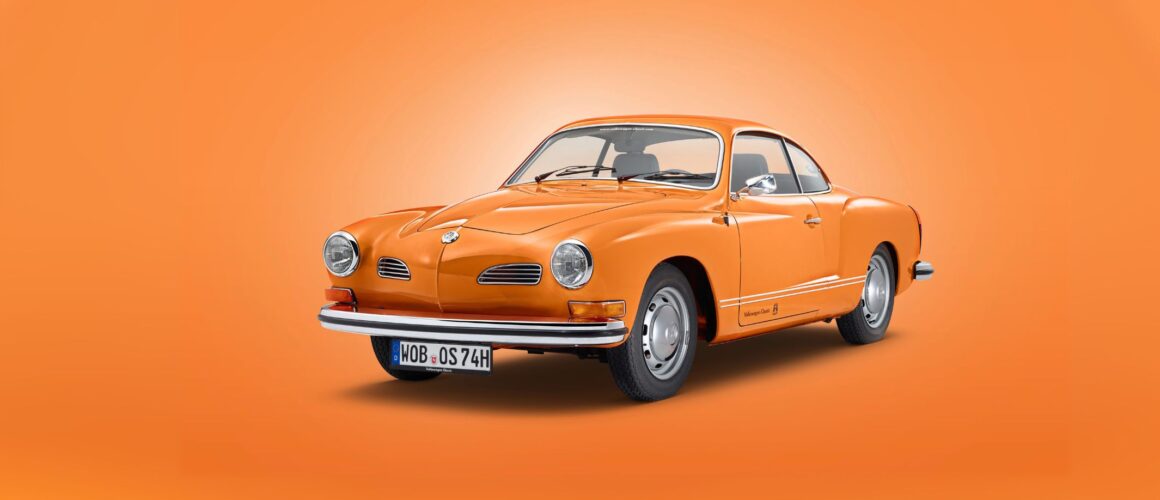
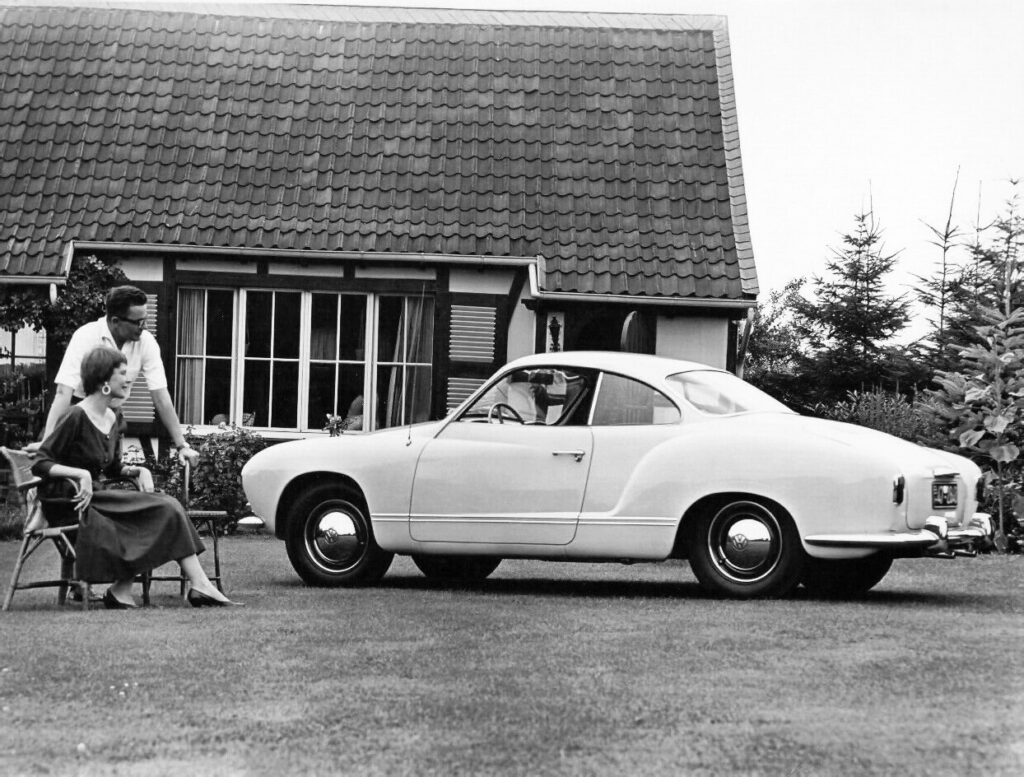
The Volkswagen Karmann Ghia remains one of the most desirable ways to enjoy classic VW motoring. With Italian design finesse and dependable German underpinnings, it has become a symbol of understated elegance and timeless style. The story begins in the early 1950s, when coachbuilder Karmann, already producing Volkswagen’s Beetle Cabriolet, saw the potential to create a sleeker, sportier machine based on the same dependable platform. The company partnered with the Ghia design studio in Turin, where Luigi Segre penned the bodywork, and in 1955 the Type 14 Karmann Ghia was unveiled.
The result was an immediate success. With its graceful curves and low-slung stance, it was widely praised for its beauty, even if its performance never quite matched the promise of its appearance. Underneath, it remained pure Beetle, powered by a rear-mounted flat-four engine ranging from 1.2 to 1.6 litres. This brought the virtues of simplicity, ease of maintenance and reliability, but meant the Karmann Ghia was more cruiser than sports car.
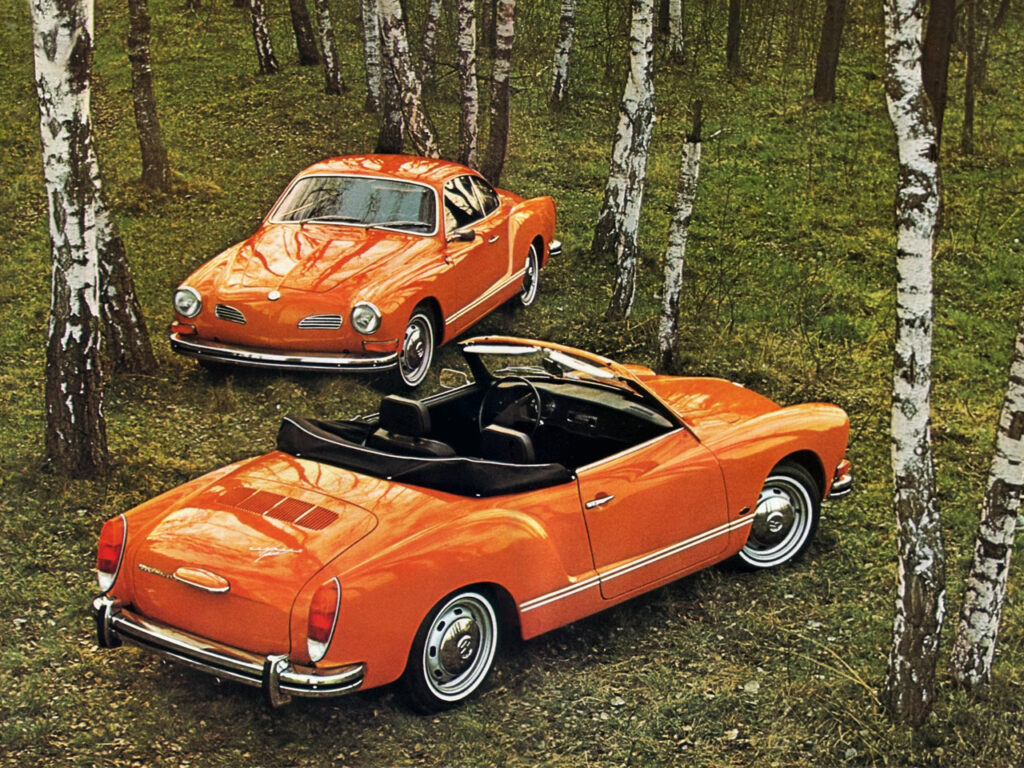
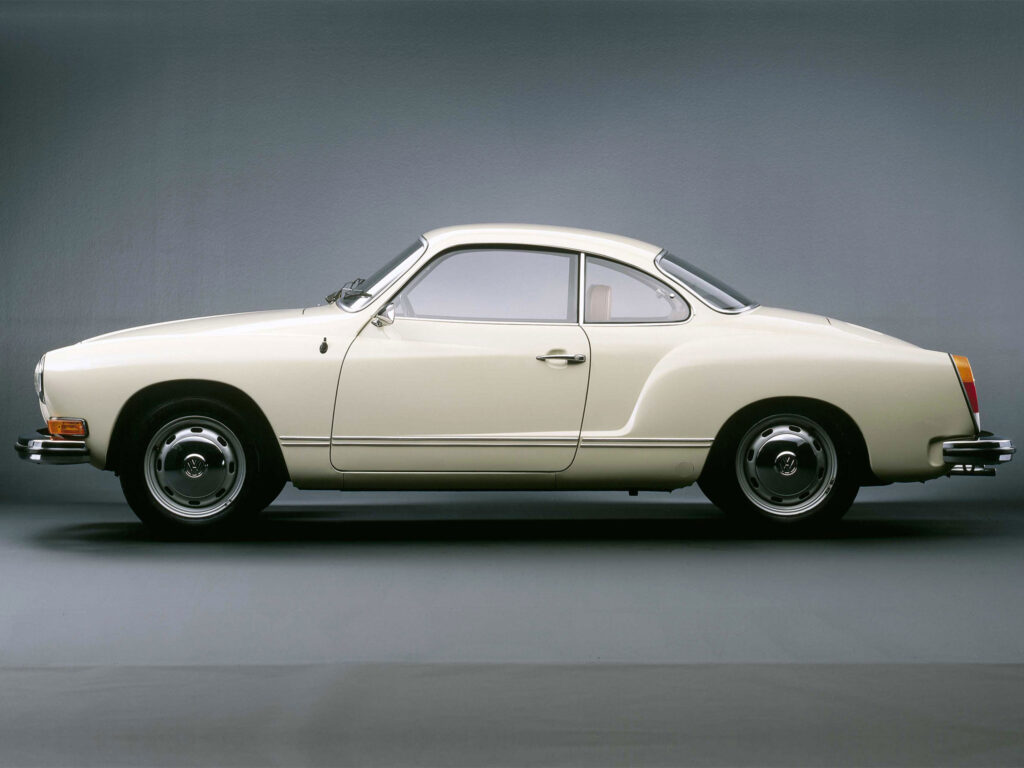
Throughout its near-20-year production run, continual refinements ensured that the Karmann Ghia never fell from favour. In 1967 it adopted 12-volt electrics, while 1969 models gained independent rear suspension, both of which improved usability. Along the way, styling tweaks – such as raised headlights and larger taillights in 1960 – divided enthusiasts but helped the model comply with changing regulations.
A more luxurious option arrived in 1961 with the launch of the Type 34, penned by Sergio Sartorelli and based on Volkswagen’s newer Type 3 chassis. Bigger, better equipped and offering features such as an electric sunroof, the Type 34 promised modernity but proved less successful. Higher pricing and the absence of sales in the United States meant it remained a rarer sight, with only 42,498 built before production ended in 1969.
The original Type 14 remained in production until 1974, by which time 444,300 examples had been constructed. Its combination of Italian styling and German mechanicals won many admirers, and the model has enjoyed a strong survival rate thanks to plentiful parts availability and an enthusiastic community. Today, the Karmann Ghia is celebrated not for raw speed, but for its relaxed style and ability to turn heads wherever it goes. Convertible models, particularly the early ‘lowlight’ versions built before 1959, are especially collectible, while later cars benefit from improved usability features.
From its earliest days, the Karmann Ghia offered a unique proposition: glamour and sophistication on a humble foundation. That appeal has only grown stronger with time, making it one of the most charming and accessible classics you can buy.
Common problems
• Engines are robust Beetle units, but check for crankshaft end float by moving the bottom pulley; excessive play suggests a rebuild is imminent. Smoking at start-up points to worn piston rings.
• Overheating caused by failing fanbelts or clogged oil coolers is the main cause of premature failure. Engines typically last 100,000 miles between rebuilds if maintained properly, so regular oil changes are essential.
• Many cars have upgraded carburettors, manifolds or overbored engines. Modifications are generally accepted within the Karmann Ghia community, but check the quality of work.
• Gearboxes are tough and relatively easy to source parts for. From 1961, all forward gears gained synchromesh. Rattling in neutral may indicate worn bearings, while clutches generally last well and are easy to change.
• A semi-automatic transmission was offered from 1968. These are durable but can be costly to repair, so ensure smooth operation if fitted.
• Pre-1967 cars have drum brakes all round; later examples gained front discs. Rear suspension switched to semi-trailing arms in 1969, improving handling. Check tyres for uneven wear indicating worn suspension components.
• Bodywork is the main area of concern. Inspect sills and heater channels for rust, as these are structural, particularly on convertibles. Accident damage and poorly fitting panels may also signal costly repairs.
• The front nose cone is a one-piece pressing and very expensive to repair or replace. Carefully examine for signs of filler or damage.
• Other known corrosion spots include the rear bootlid, spare wheel well and battery tray. Acid leaks are common culprits around the battery area.
• Interiors are relatively straightforward to restore, with retrim kits readily available. A scruffy cabin should not deter purchase compared with structural issues.
• Type 34 models share mechanicals with Type 3 VWs, but unique body and trim items are harder to source, making restoration more challenging.
What to Pay?
Values for Karmann Ghias have risen steadily over the past decade, reflecting their enduring desirability. Early ‘lowlight’ models built before 1959 are rare and attract a premium, especially in convertible form. These are considered the most collectible but can be less practical for regular driving. Later cars, particularly those built after 1967 with disc brakes and 12-volt electrics, offer a better balance of style and usability.
As a guide, you can expect to pay around £9800 for a fair but usable example, £16,500 for a good car, and over £26,000 for an excellent one. The very best early convertibles can command significantly more, particularly if they retain original features. With more than 400,000 built and a strong survival rate, there are still plenty to choose from, so buyers can afford to be selective.