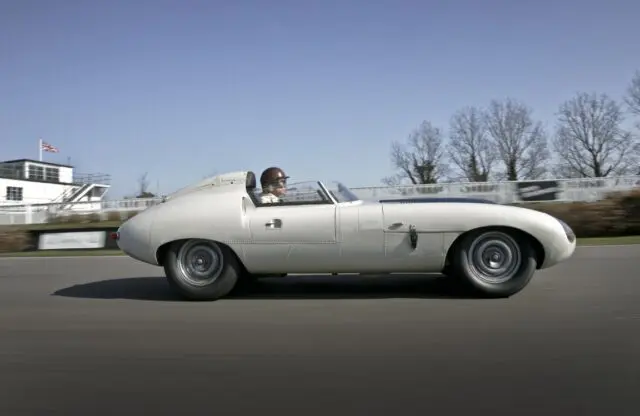

Not only is the classic car industry worth more than £7 billion to the British economy every year, but on an individual level buying and driving a classic is one of the most rewarding motoring experiences you can have; style, history, transport, engineering, and entertainment all rolled into a single vehicle.
If you’re considering buying a classic car for the first time, we’ve put together a short guide covering the most significant steps, from researching and sourcing a car to where to buy, and how to pay for it.
Researching your ideal car
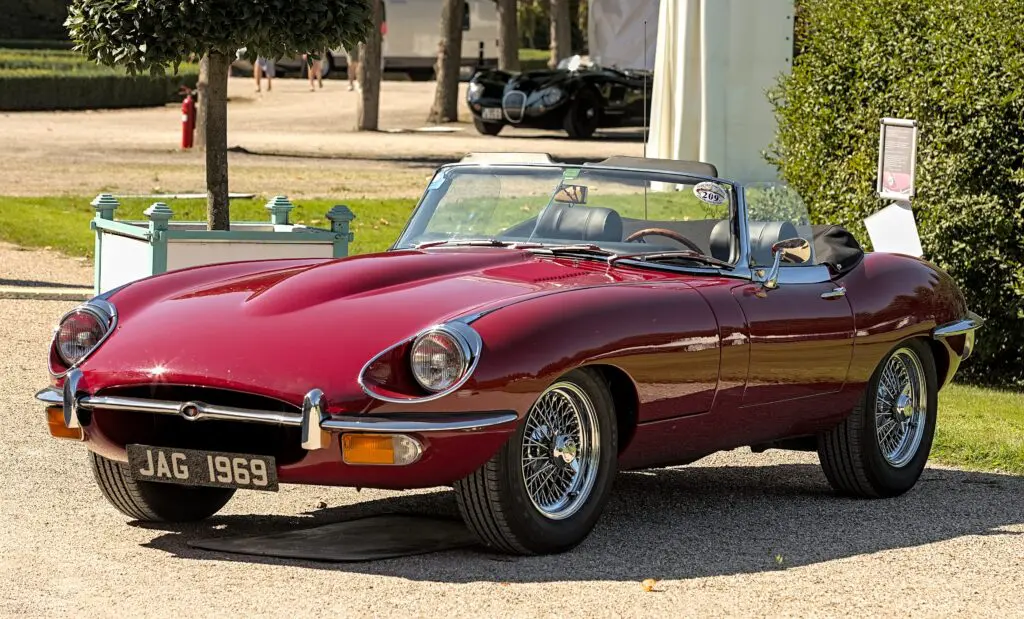
Since you’re reading this you’re already in the right place to start your classic car research – not just Octane specifically, but the internet in general. If you’re not already fully clued up on your vehicle of choice then looking up articles, videos, and owner’s clubs is a good way to start the process, while most significant classics will more than likely have appeared in numerous magazines and books over the years. The likes of Amazon and eBay are great resources for picking up suitable literature and for nailing down facts and figures that may be more consistent than those repeated on the internet.
It’s easy to fall down the rabbit hole, though there’s a healthy balance too; owner’s forums in particular are a double-edged sword, full of first-hand experience but also enough tales of woe to put you off a model. While such warnings shouldn’t be ignored, ensure you do enough research to give yourself a realistic idea of what a car’s like, as the truth will probably lie somewhere in between glory and doom.
The hobby is always slowly evolving though. Where once traditional owner forums dominated discourse away from events, today you’re more likely to find classic car communities on social media (Facebook especially has led to a decline in forums), though car shows are more popular than ever before – nothing beats getting along to an event before you take the plunge, and speaking to the people who live and breathe those models. It’ll either draw you in or put you off, but either way, it’ll contribute to the decision-making process.
Sourcing a classic car

You’re spoiled for choice when it comes to sourcing a classic car. From big sales websites to auctions and traditional dealerships you’re only ever a few clicks away from a particular model, and as translation tools improve, overseas sellers are better suited to dealing with foreign buyers, and as import services become more common, you aren’t necessarily even limited to vehicles within your own country.
If you’re seeking something relatively common then sourcing a car is only ever a few clicks of the mouse away. For a more obscure classic, it could be worth speaking to dealers and importers and having them keep an eye open, so you get an early lead when a car appears. There are also entire businesses dedicated to sourcing cars, which can use contacts across the world to locate a specific make and model and even ones with desirable features or options.
Buying privately
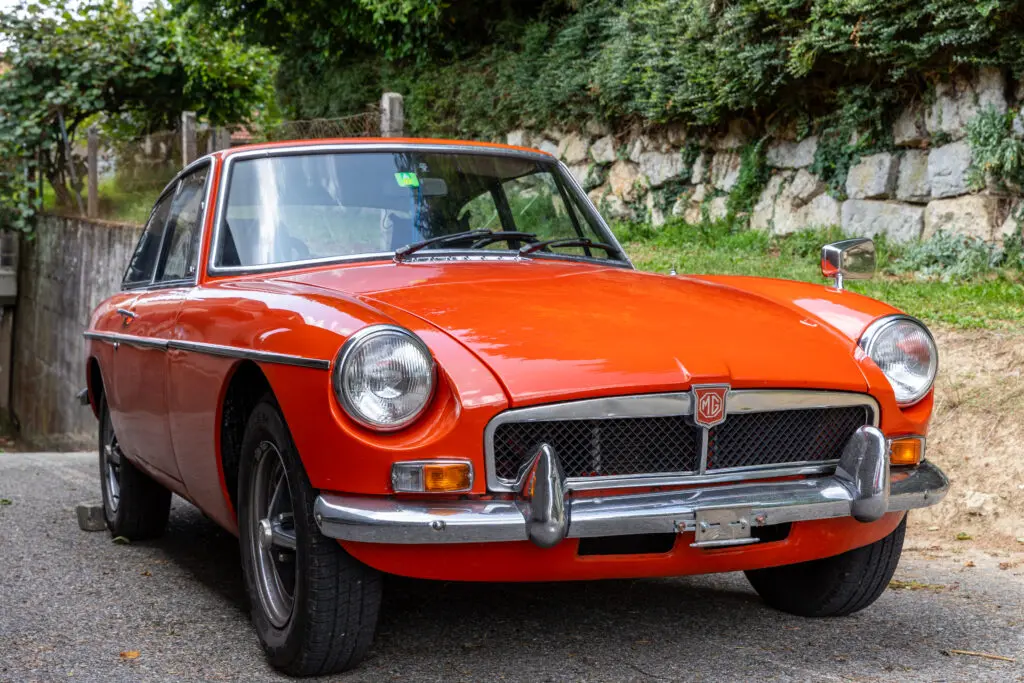
This is likely the process you’ll use if you’ve found a car through a friend, on an owner’s forum, or in a classified ad. You know the drill with private sales by now: get in touch, arrange to meet, poke around a bit, drive the car, and strike a deal. In value terms it’s probably still the best short of a traditional back-street bricks ‘n’ mortar auction and there’s something reassuring about getting to hear about the history of the car from the individual who’s been running it for however long and knows all its quirks.
Naturally, you have to exercise caution with private sales, as there can be risks, and if the car expires half a mile down the road then that’s generally your problem to deal with, without the recourse you’d have with a dealer or auction (depending on the small print).
Buying from a dealer

The dealer experience will typically cost you more money than a private sale or auction but depending on the type of classic it may be the preferred route, not just for the quality of cars likely to be on sale at a respected classic dealer, but also the extra legal protections you get when buying a car from a registered business.
Essentially if things go wrong within a window after buying the car, the dealer may be obligated to take the car back or repair it. Many will offer you a warranty too for similar peace of mind, and depending on whether the dealer is a generalist or a specialist, they may also prove to be the ideal place to take the car back to for maintenance or troubleshooting further down the line.
Buying at auction

Auctions have long been a popular place to buy classic cars, especially high-end ones, and have been the scene of many value records over the years. But not everything at auction sells over the odds and it’s equally possible to pick up a bargain. There’s a bit of a gamble from both sides, essentially – whether you’re a buyer or a seller there’s always a bit of luck involved.
The popularity of auctions has gone stratospheric over the last decade or so, particularly the online kind, which became the go-to car-buying route during 2020’s lockdowns. Already popular platforms like Bring a Trailer found their listings becoming the centre of attention, and numerous imitators popped up to meet demand too. This rush also caused a rapid increase in the value of a lot of classics – auctions certainly weren’t a place to find bargains between about 2020 and 2023 – but that has since softened, and the platforms that remain are still wildly popular with sellers and buyers alike, and tend to make the buying process easy and straightforward.
As online auctions tend to be run over the course of a week or two there’s also not the time pressure you get when attending an in-person auction, so they’re good for avoiding that rush of blood to the head which might cause unwise bidding. Obviously, the benefit of an in-person auction is the chance to take a look around a car beforehand, though the prevalence of videos in online listings, and the longer lead time to potentially visit a car in person, means some previous downsides of online buying aren’t as great as they were.
Financing a classic car
You probably have some idea already of how you’ll be paying for the car, depending on its value, but it’s worth noting that several companies currently offer finance options dedicated to classic and specialist cars. Much like any other car loan it gives buyers greater headroom than a cash purchase, but with the benefit of dealing with a company that better understands the market than the average lender and may be able to tailor a finance package that best suits the car in question.
There are benefits and downsides to going down this route. The obvious benefit is that you can get behind the wheel of something you might otherwise be unable to afford, be that a more exotic machine or a car in better condition than you’d otherwise find. On the other hand, interest rates tend to be a little higher than a standard loan, and a classic car finance provider may insist upon certain insurance or storage criteria since until you’ve paid off the car, you’ll essentially be protecting their investment, not yours.
Worth mentioning too that while a few years back there was a very real chance that the appreciation of a desirable classic would more than cover the cost of financing something more expensive, the less bullish market conditions at the time of writing (in 2026) means it’s just as likely that a car will be worth less than the finance agreement, resulting in negative equity. It shouldn’t be a deal-breaker as long as you’re prepared for it (cars are, generally, depreciating assets, so it’s not unexpected) but don’t bank on the car’s value outpacing what you’re repaying.
Other things to consider

We touched on storage and insurance above but both should factor into any classic car purchase. Storage might be as simple as having space in your garage, but if that space is already occupied, or nonexistent, then you’ll need to look into storage elsewhere.
Several companies offer classic and specialist car storage and while cost varies, so does location. It’s one thing budgeting to pay for it, but factor in how easy it is to get to, and how easily you can extract the car when you want to drive it. A place that’s 30 minutes away might not sound too bad but throw in traffic and a little tinkering and admin time and you could be looking at a 90-minute round-trip just to take the car out for a day, and then the same again when you return.
Storage leads on to insurance, as most classic car insurers will insist that a car is garaged or stored securely, and may have other stipulations too, from mileage to limits on activities such as commuting. Classic car insurance can be quite affordable and often offers agreed value (meaning you aren’t left out of pocket if something happens to the car), but does need considering beforehand to ensure any of the stipulations won’t cause you problems.