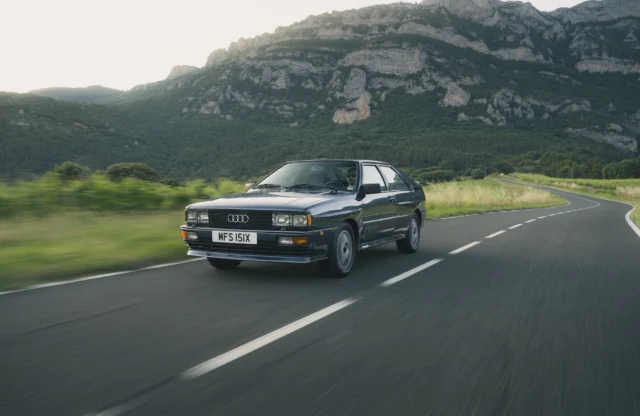
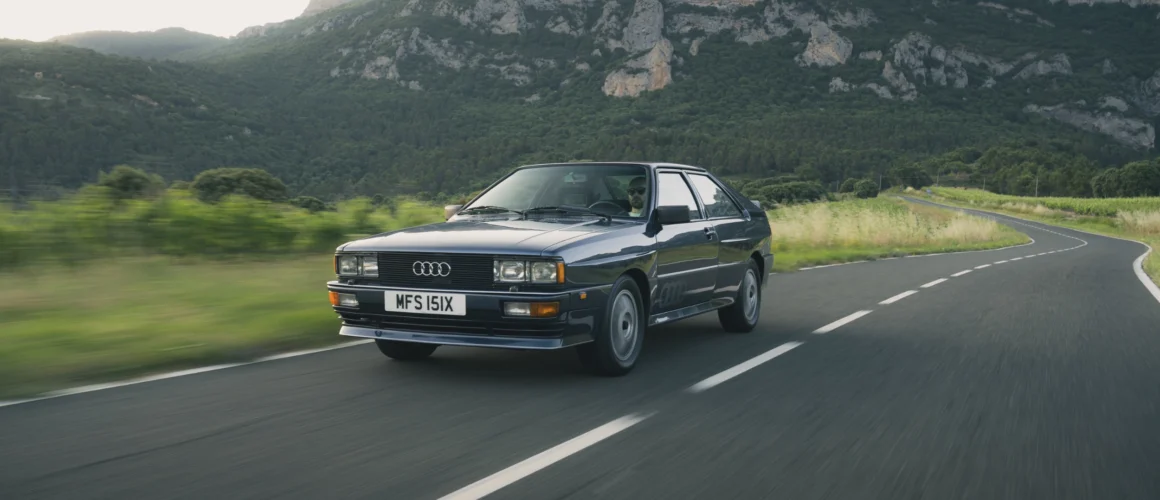
The automotive world rarely produces something genuinely revolutionary, but when the Audi quattro arrived in 1980 it fundamentally changed both road cars and rallying. Today the idea of a high-performance four-wheel-drive coupé feels almost commonplace, yet before the quattro it was largely unthinkable outside of off-road vehicles. Audi’s innovation proved that an all-wheel-drive system could deliver not only traction and security in poor conditions, but also genuine performance advantages.
The origins of the quattro lay in Audi’s experimentation with four-wheel drive during the late 1970s. Engineers had been testing the drivetrain from the Volkswagen Iltis military off-roader, fitting it to a development version of the Audi 80 saloon to evaluate its effectiveness during harsh winter testing in Bavaria and Austria. What began as a practical solution to slippery test routes soon revealed far greater potential. The prototype demonstrated that four-wheel drive could dramatically improve traction on loose or slippery surfaces, allowing the engine’s power to be deployed far more effectively than a conventional rear- or front-wheel-drive layout.
Audi decided to turn the idea into a production car, and the result debuted at the Geneva motor show in March 1980. Known internally as the ‘Ur-quattro’, the car combined the compact coupé body of the Audi Coupé with a sophisticated permanent four-wheel-drive transmission and a turbocharged five-cylinder engine. At launch, the 2.1-litre single-overhead-cam engine produced around 197bhp, which, combined with the immense traction offered by the drivetrain, gave the car formidable real-world performance.
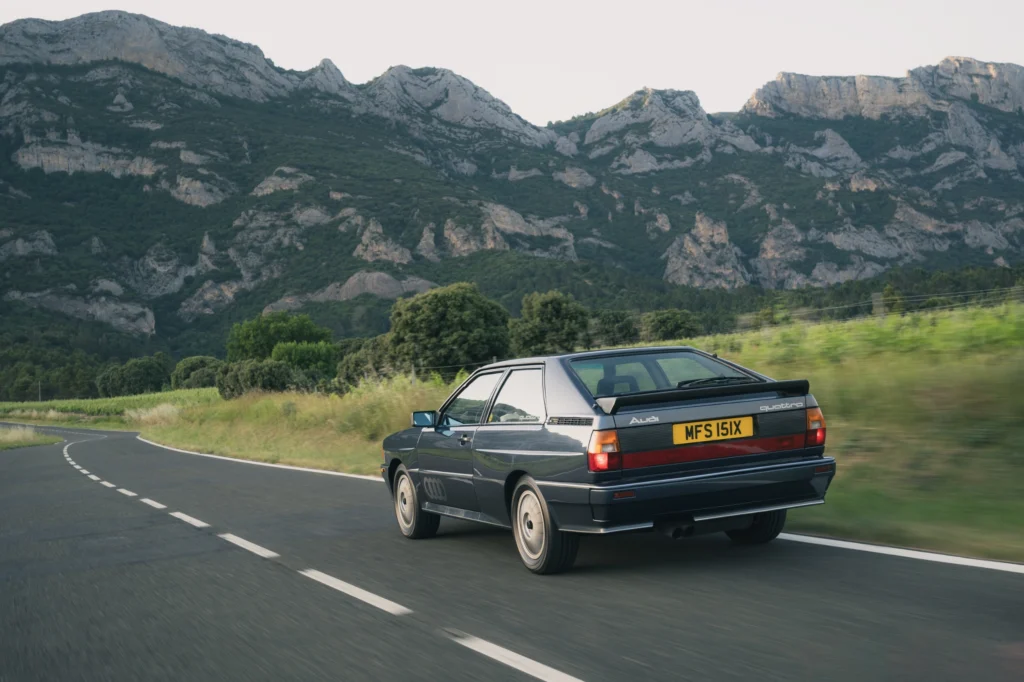
The quattro also brought several other advanced technologies together in one package. Fuel injection and turbocharging delivered strong performance and flexibility, while ABS braking – still relatively rare at the time – added a further layer of safety and control. Although the handling characteristics were somewhat front-biased, the car’s all-weather capability meant drivers could exploit performance with a level of confidence rarely experienced in performance cars of the era.
While the road car attracted immediate attention, it was the quattro’s impact on motorsport that truly cemented its legendary status. Rallying had allowed four-wheel-drive cars since a rule change in 1979, but most manufacturers believed the extra weight and complexity would be a disadvantage compared with lighter rear-wheel-drive machinery such as the Ford Escort, Vauxhall Chevette and Opel Ascona. Audi’s engineers proved otherwise. With power being transmitted through all four wheels, the quattro could deploy its performance far more effectively on loose surfaces such as gravel, snow and mud. Competitors quickly realised that four-wheel drive represented the future of rallying, and within a few seasons the technology had become the new standard.
• Audi Sport quattro – Driving the Group B legend
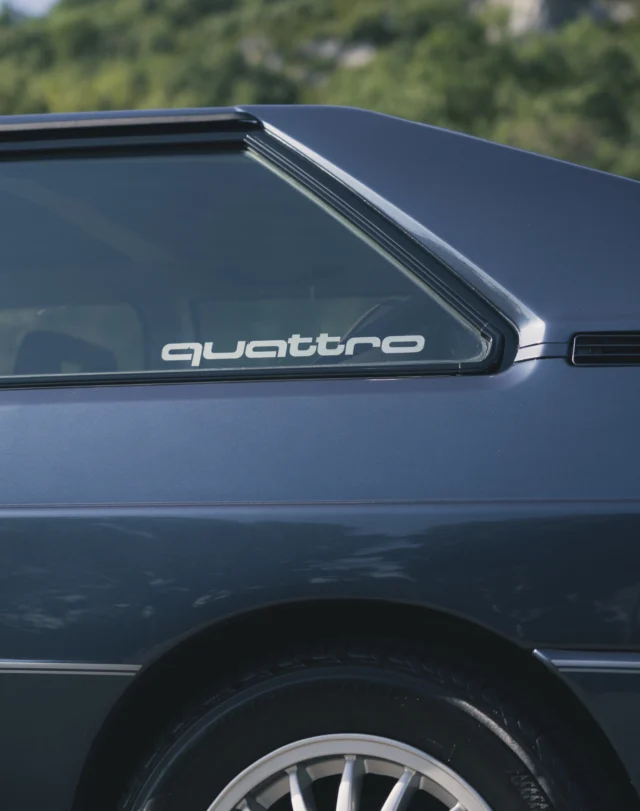
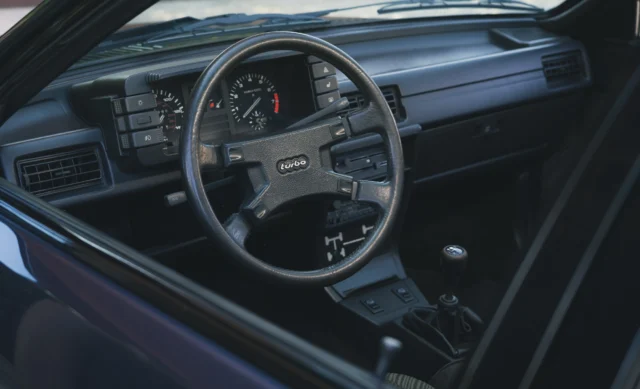
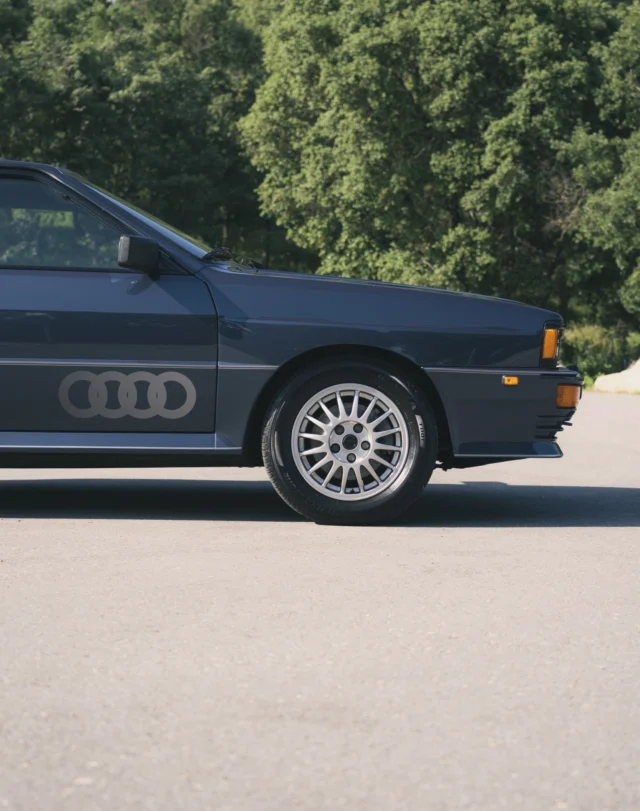
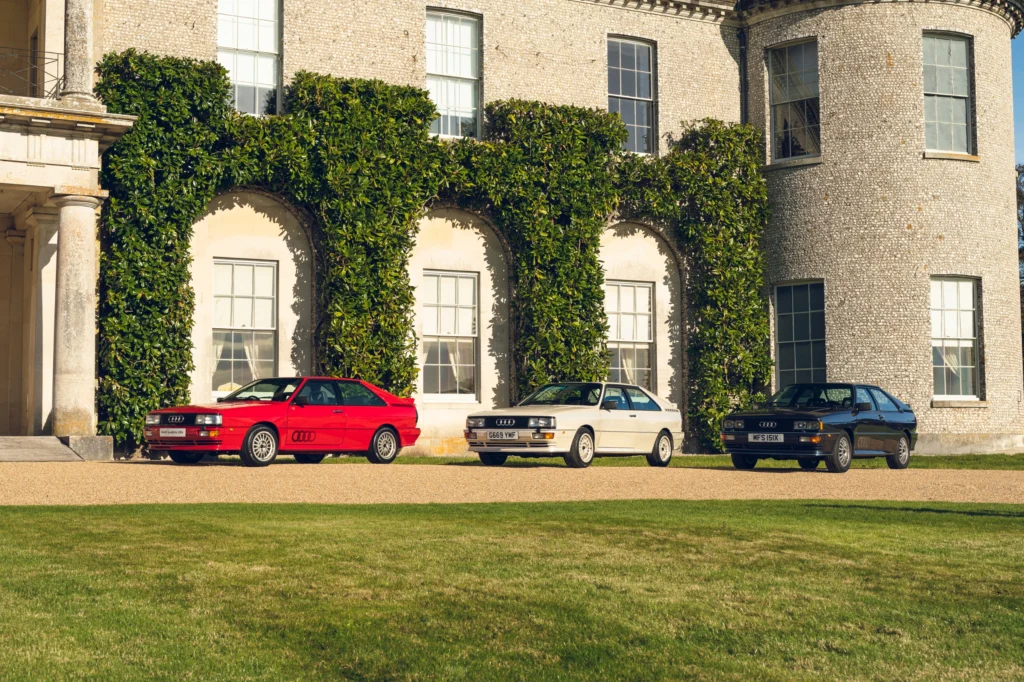
The production quattro evolved steadily throughout the 1980s. Early examples were equipped with the original 2.1-litre ten-valve engine and distinctive quad square headlights, as well as six-inch Ronal alloy wheels. These early cars are now relatively rare. Later updates brought improvements in performance, refinement and durability. A significant facelift arrived in 1984, introducing subtle styling changes and wider eight-inch Ronal wheels, while suspension revisions lowered the ride height to improve handling.
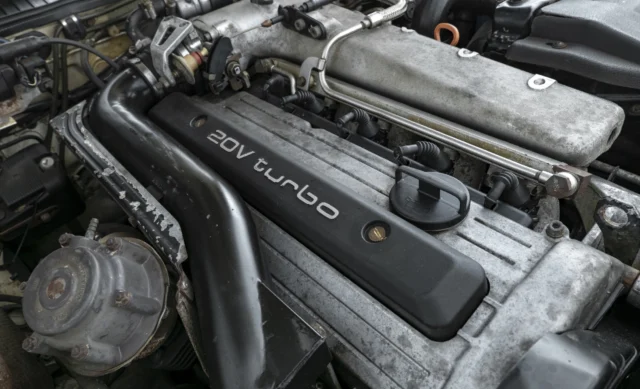
Further developments followed in the late 1980s. In 1987 the engine capacity increased to 2.2 litres and the drivetrain was upgraded with a Torsen centre differential, improving torque distribution and overall drivability. The final and most powerful evolution arrived in 1989 with the introduction of a new 20-valve cylinder head, boosting output to 220bhp. Although the addition of a catalytic converter limited ultimate gains, the 20-valve cars remain the quickest and most sought-after versions today.
• Browse Audi quattros for sale
Production of the original quattro continued until 1991, by which time a total of 11,452 examples had been built. Over the decades since, the car has become one of the most recognisable performance machines of the 1980s, representing a pivotal moment in automotive engineering. It demonstrated that advanced drivetrain technology could transform both performance and usability, setting the template for countless high-performance four-wheel-drive cars that followed.
Common problems
• Rust is the biggest concern when inspecting any quattro. Early pre-1985 cars are particularly vulnerable, though even later galvanised examples can suffer corrosion. Cars built after 1988 generally offer the best factory rust protection.
• Carefully inspect the sills, door bottoms and wheelarches. Damage caused by incorrect jacking often leads to corrosion in the sill structure. Replacement panels can be difficult to source, so extensive rust repairs may prove costly.
• Evidence of accident damage is not uncommon. Look for mismatched paintwork, inconsistent panel gaps or bent chassis legs, particularly on cars that may have been driven hard or used in competition.
• Several versions of the turbocharged five-cylinder engine were produced. Early 2.1-litre ten-valve WR engines are the most fragile and may require rebuilding after about 150,000 miles.
• Later MB engines from 1987 onwards, along with the final 20-valve RR unit, are generally more durable. With proper servicing they can cover well over 200,000 miles without major mechanical work.
• A failing turbocharger is a common issue across all variants. Blue smoke from the exhaust under acceleration is usually the first indication that the turbo seals are beginning to fail.
• Listen carefully when starting the engine from cold. A ticking noise from the exhaust manifold can suggest cracking, and replacements are difficult to source, making repairs both time-consuming and expensive.
• Perished intercooler hoses and vacuum leaks can cause rough running or hesitation under acceleration. Inspect the main hose between the fuel metering head and the turbocharger for signs of deterioration.
• The external oil cooler located behind the front bumper should be checked carefully. Corroded pipes can fail suddenly, potentially draining the engine of oil within seconds and causing catastrophic damage.
• Difficulty starting or extremely poor running may indicate failure of the inlet manifold pressure sensor. A tell-tale sign is a turbo boost gauge that consistently reads high.
• The timing belt must be replaced every five years or 45,000 miles. This is a specialist job and documentation confirming the work is highly desirable when buying.
• Gearboxes are extremely expensive to rebuild or replace. Fortunately they are robust if treated properly, but worn synchromesh can develop if the car has been driven aggressively.
• Check for crunching when selecting gears from cold, which can indicate worn synchros. A healthy gearbox should shift smoothly once warmed through.
• The clutch is typically long-lasting and may survive up to 150,000 miles. If replaced, the preferred upgrade is usually a Sachs unit.
• Ensure the differential lock engages and disengages correctly. Slow operation may simply require lubrication but could also indicate more serious drivetrain issues.
• Suspension bushes, particularly the front and rear subframe bushes, can wear if the car has been driven enthusiastically. Wishbone bushes also perish with age but are relatively straightforward to replace.
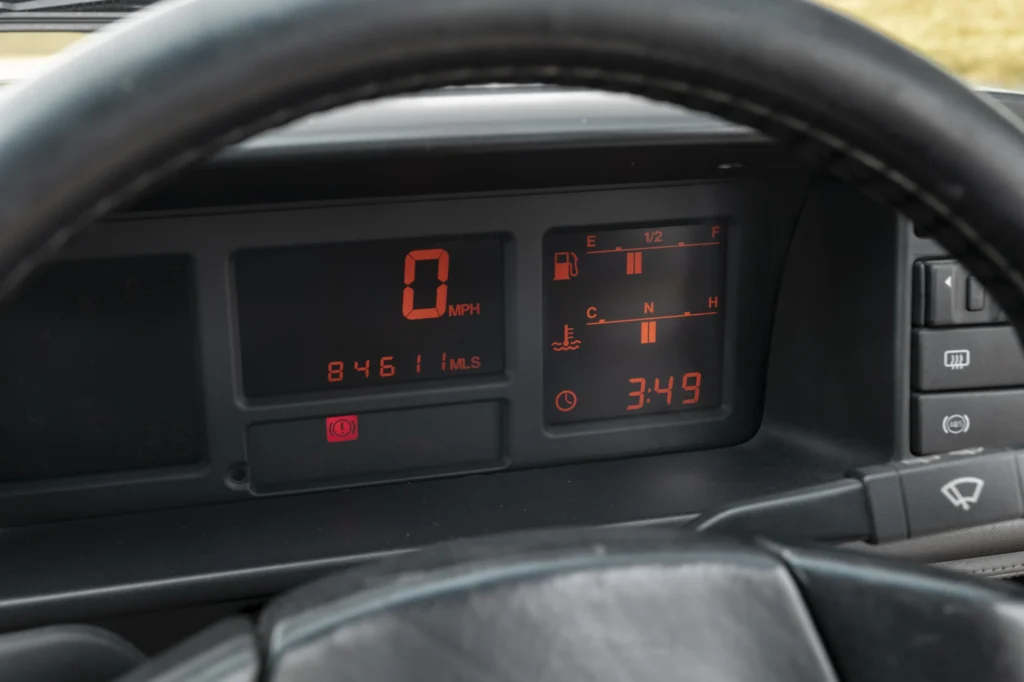
• Hard driving on rough roads can lead to cracks in the rear subframe. Replacement parts are available but the problem should still be investigated carefully.
• Correct wheel alignment is crucial for the quattro’s handling. Poor geometry will make the steering feel vague and lifeless.
• The wide Ronal alloy wheels can buckle, so vibrations at speed often indicate a distorted wheel that requires repair or replacement.
• Rear brake calipers may seize if the car has been used infrequently, leading to handbrake problems. Replacement calipers can be expensive and sometimes difficult to obtain.
• Early cars can suffer from electrical issues. Later models are generally more reliable but it is still wise to ensure all instruments and electrical components function correctly.
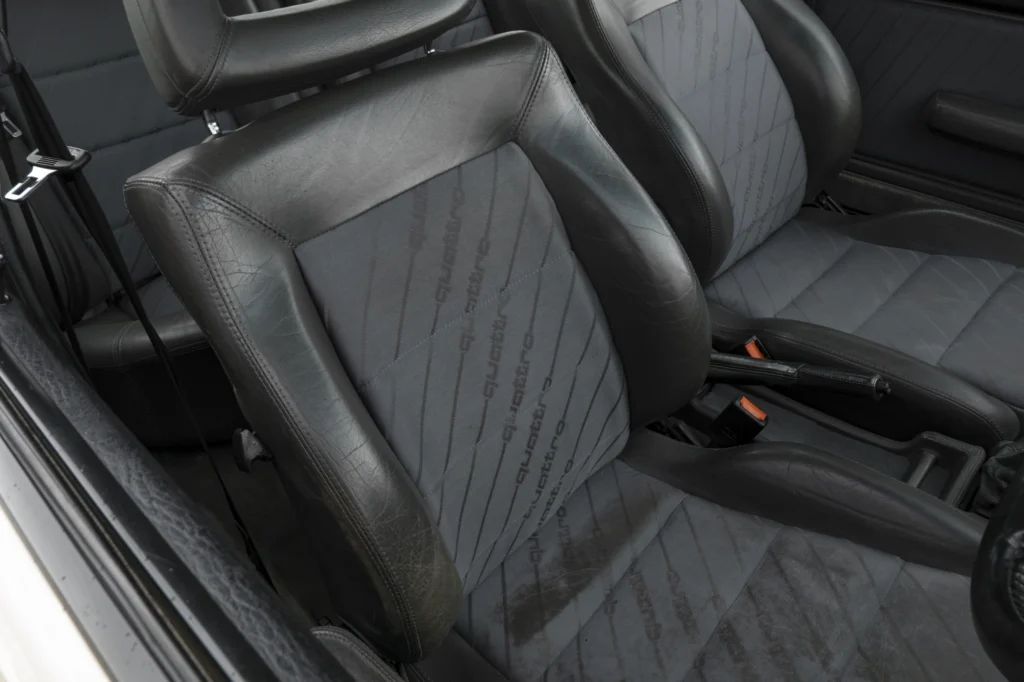
• Interior trim components are extremely difficult to source today. The best strategy is to buy the most complete and well-preserved example you can find.
• Door handles are known to fail if treated roughly. Replacements are available but careful use will help prevent breakage.
What to pay?
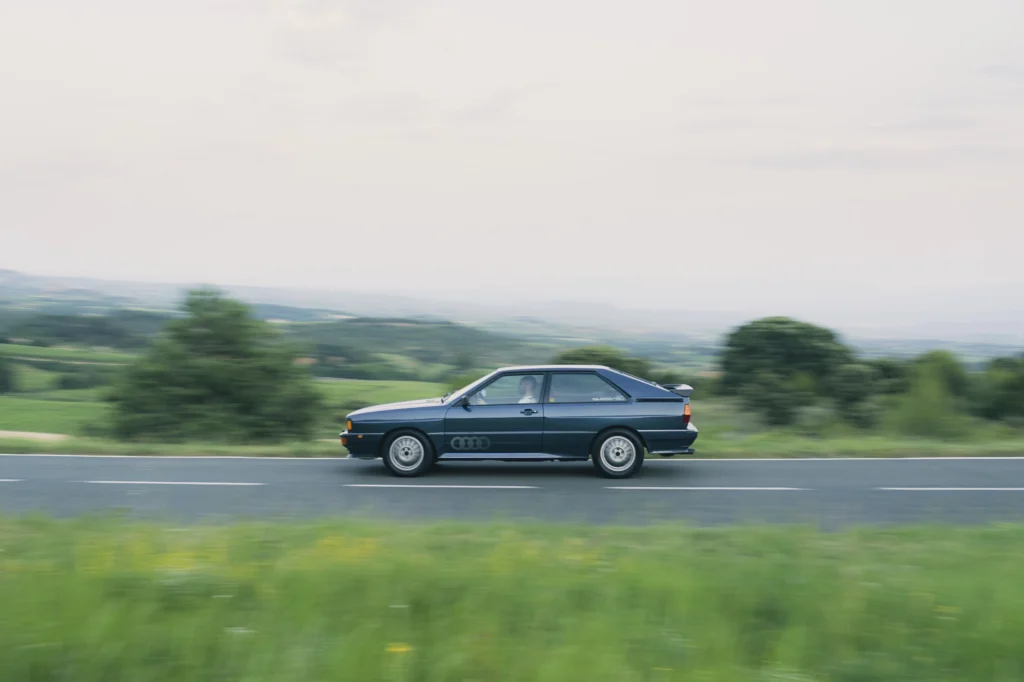
The market for the Audi quattro has strengthened steadily, with rising demand and significantly higher values than were seen even a decade ago. Although a reasonable number of cars remain available, condition varies widely and many examples now require substantial recommissioning or restoration. Careful inspection – and evidence of recent expenditure – is therefore essential before committing to a purchase.
Early ten-valve cars remain the most accessible entry point. The best examples can now reach £55,000-90,000, while usable cars typically sit in the £30,000-45,000 bracket depending on condition and history. Project cars are no longer the £8000 bargains they once were; most now start around £15,000-25,000, sometimes higher for complete and running cars. As ever, restoration costs can quickly exceed the purchase price.
Later 20-valve models command a clear premium thanks to their higher performance and improved mechanical specification. Top examples generally sit within the £75,000-100,000 range, while presentable cars typically fall between £45,000 and £65,000. Less tidy examples occasionally appear from around £30,000-40,000. Exceptional low-mileage or particularly well-documented cars can exceed these figures.