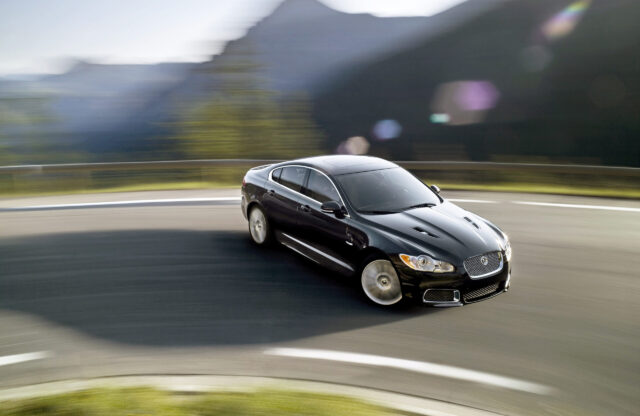
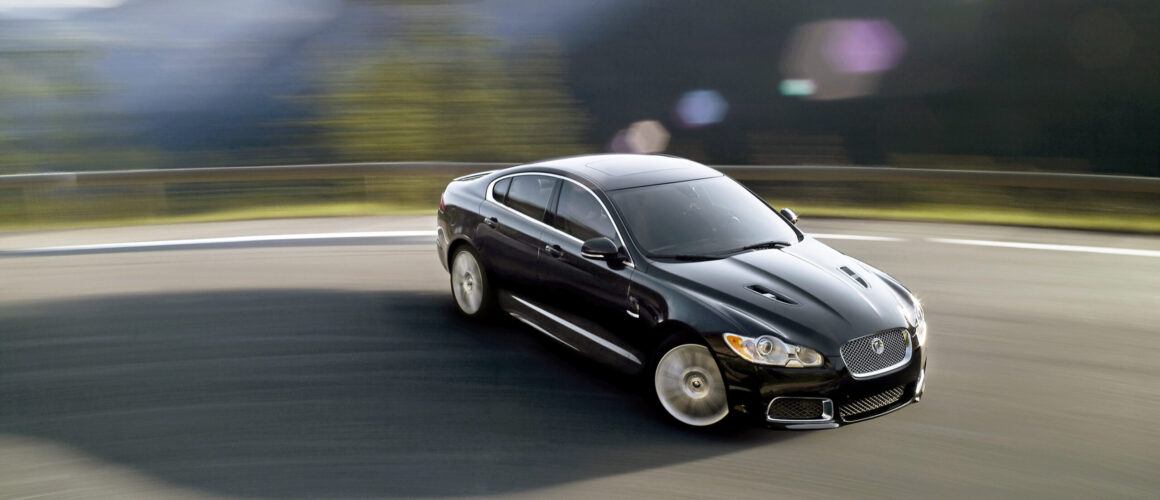
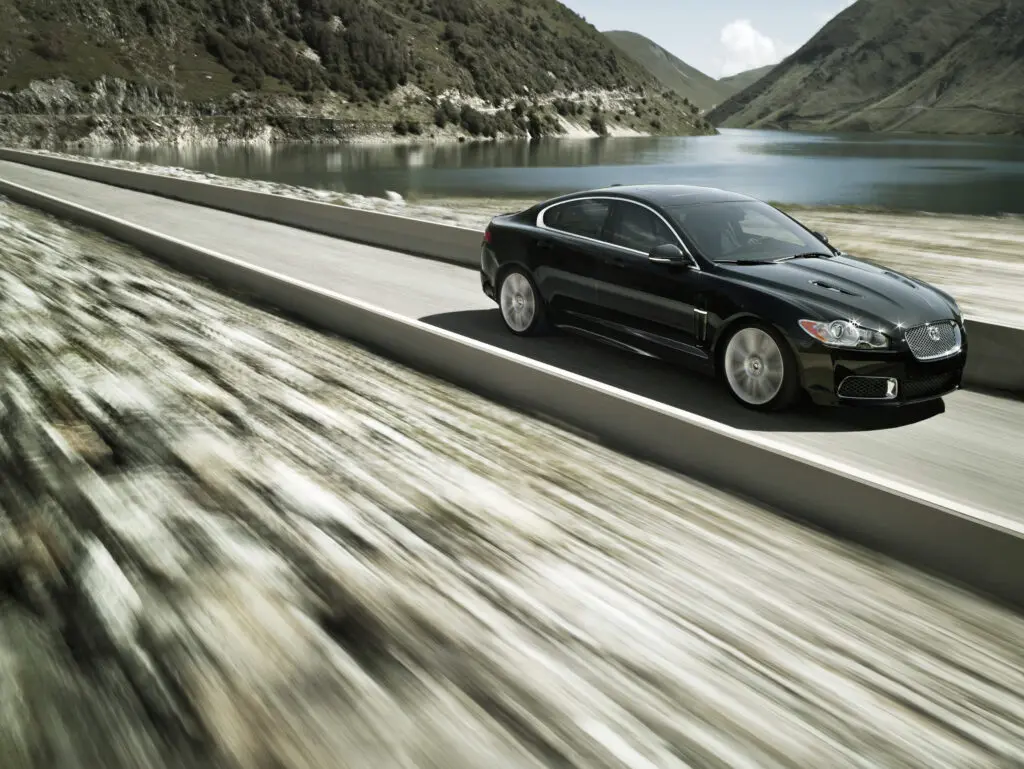
When the Jaguar XFR arrived in 2009, it did so with a serious degree of understatement. Aside from subtle cues such as larger alloy wheels and discreet ‘supercharged’ badging on the bonnet vents, it could easily be mistaken for a lesser diesel model. Yet beneath that restrained exterior lay one of the most formidable performance cars Jaguar has ever produced – a genuine rival to the established German super-saloons.
At its heart was Jaguar’s 5.0-litre supercharged V8, producing 503bhp and delivering immense mid-range performance. Straight-line pace was on par with its contemporaries from BMW and Mercedes-Benz, but it was in real-world overtaking and cross-country ability that the XFR truly excelled. Crucially, it achieved this without sacrificing the refinement and ride comfort expected of a Jaguar, marking a significant step forward in the brand’s ability to blend performance with luxury.

Revised suspension settings, approximately 30% firmer than standard XF models, combined with adaptive damping and an electronically controlled differential to provide impressive body control and entertaining handling while retaining a supple ride. Selecting the dynamic mode sharpened the throttle and gearbox mapping, while also opening up the exhaust for a slightly more thunderous tone.
Today, the XFR represents compelling value in the performance car market. With depreciation having taken its toll, it offers supercar-rivalling pace in a discreet and practical package.
Model history
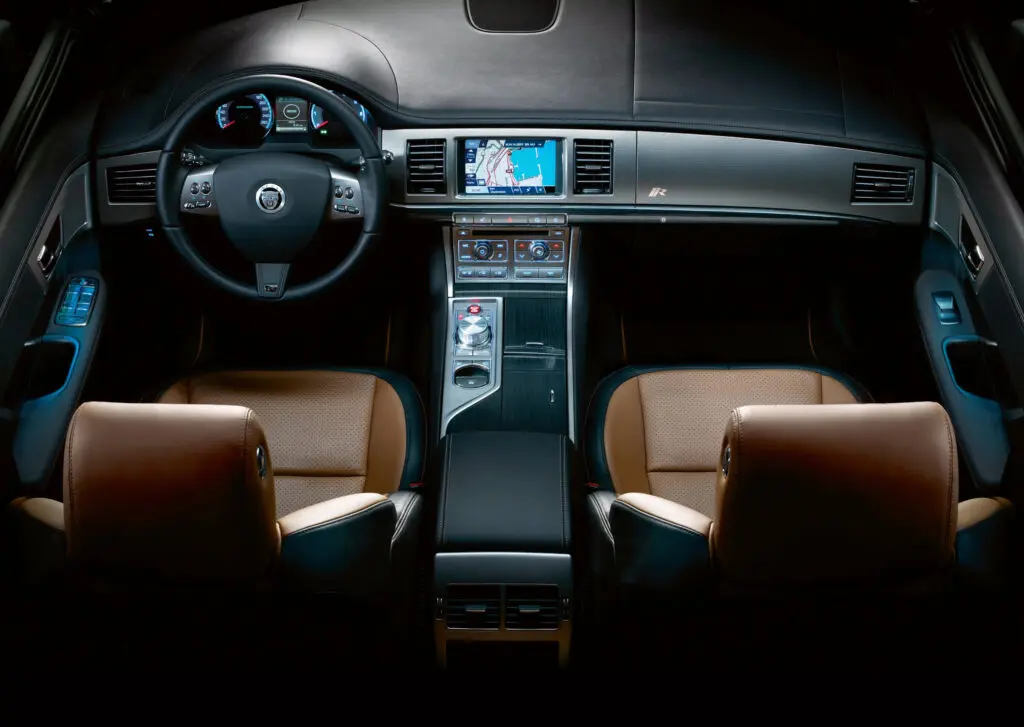
The XFR didn’t change a huge amount throughout its production run. A mid-cycle update in 2011 brought cosmetic revisions, including updated front and rear bumpers, as well as a noticeably improved interior with higher-quality materials and a more polished infotainment system. Mechanically, however, the formula remained unchanged.
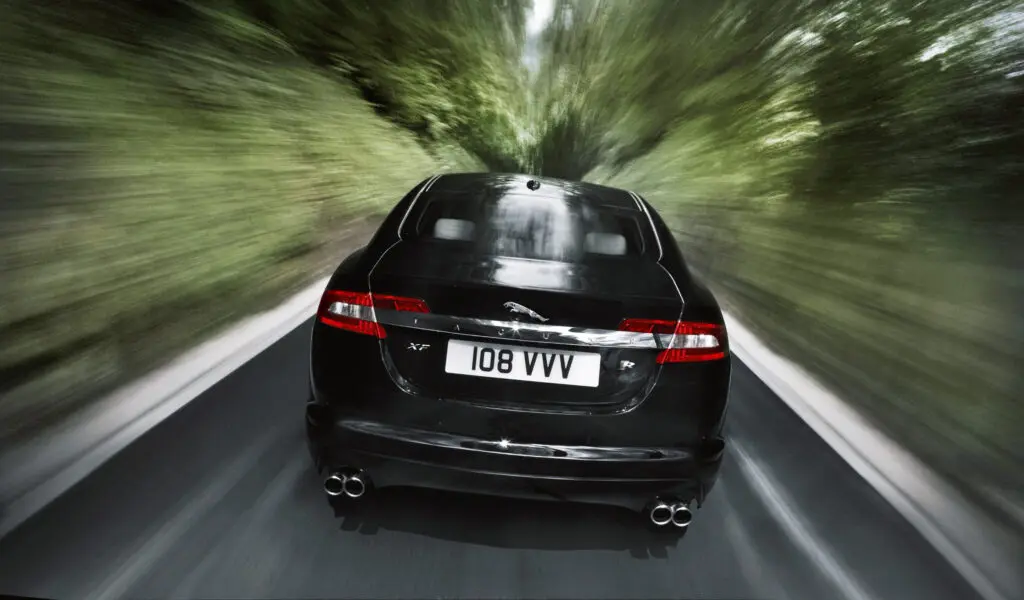
For those seeking more performance, Jaguar introduced the XFR-S in 2013. Power was increased to 542bhp, reducing the 0-60mph time to around 4.4 seconds. Alongside this came more aggressive styling, including a large rear wing. The same year also saw the introduction of a new eight-speed automatic transmission, replacing the earlier six-speed unit, improving shift quality and MPG.
Common problems
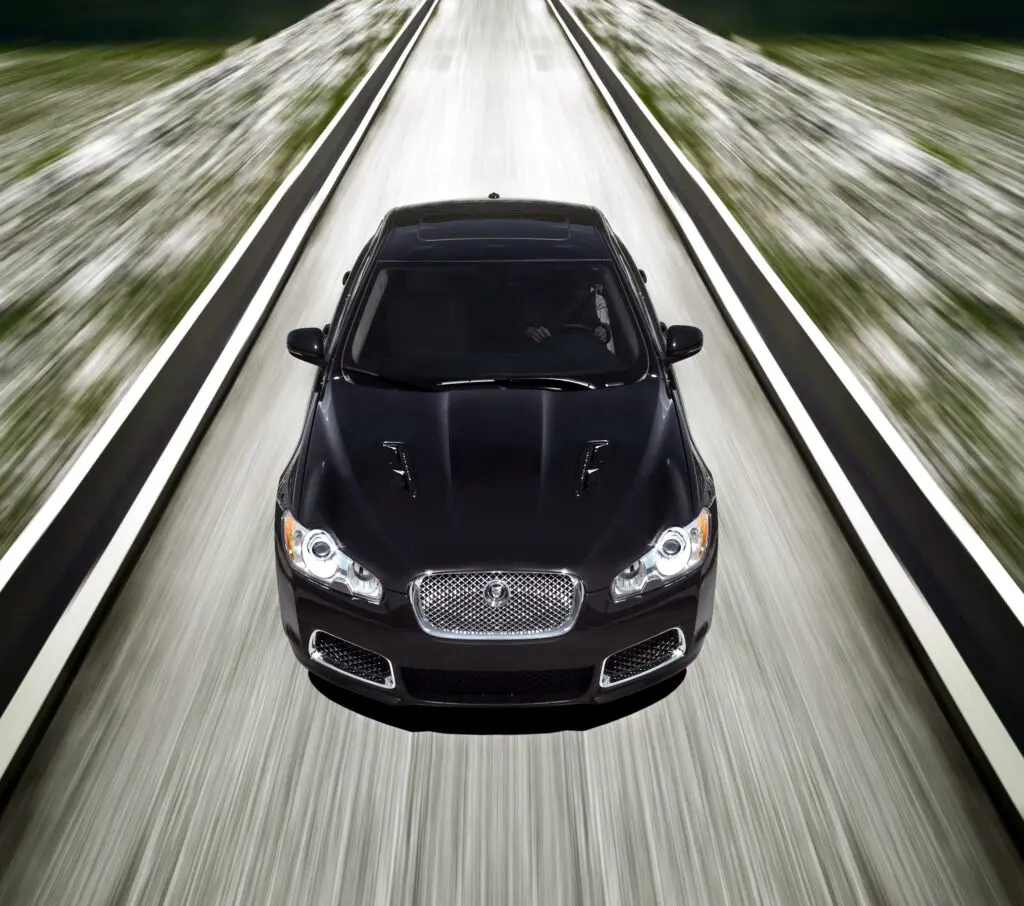
Engine and maintenance
• The 5.0-litre supercharged V8 is generally robust, but early engines (roughly pre-2012) are known for timing chain and tensioner wear. A brief rattle on cold start is a common warning sign.
• Water pumps and plastic cooling system components can fail with age. Check for leaks around the expansion tank, hoses and pump, particularly on higher-mileage cars.
• The Eaton supercharger can develop nose-cone or coupler wear, often heard as a rattle at idle. Specialist refurbishment is available and preferable to full replacement.
• Regular servicing is essential, ideally annually or every 10,000-12,000 miles.
• Coil packs and spark plugs are routine service items. Misfires under load are usually linked to overdue ignition maintenance rather than deeper faults.
• ECU remapping and aftermarket exhaust systems are common. Well-executed upgrades are generally safe, but poorly modified cars or those showing signs of repeated hard use should be treated with caution.
Transmission and drivetrain
• Both the six-speed automatic (early cars) and later eight-speed ZF unit are fundamentally strong, but neither should be treated as ‘sealed for life’. Fluid and filter changes at around 50,000-60,000 miles are advisable.
• Jerky or hesitant shifts are often resolved with servicing or software updates, but caution is advised.
• The electronic differential (e-diff) is generally reliable, but faults can occur and repairs are costly. Ensure smooth operation and check for warning lights or stored fault codes.
Chassis, suspension and brakes
• Suspension wear is common, particularly lower control arms, bushes and drop links. This can lead to vague handling and uneven tyre wear.
• Adaptive dampers can degrade over time. Replacement is expensive, so check for inconsistent ride quality or warning messages.
• Steering rack wear can develop at higher mileages, so any play, knocking or lack of precision should be investigated.
• Rear subframe and suspension components can suffer from corrosion. Inspect carefully underneath, as deterioration can become costly if left untreated.
• The XFR’s weight and performance place heavy demands on tyres and brakes. Rear tyres can wear quickly, and uneven wear may indicate poor alignment.
• Front brake discs can suffer from heat stress. Judder under braking may suggest warped discs or a car that has seen particularly hard use.
• Brake pipes, particularly around the front, can corrode with age and should be checked alongside general underside condition.
Running costs and general wear
• Parts availability is strong, with a well-established network of independent Jaguar specialists helping to manage servicing costs.
• Electrical issues can arise with age. The rotary gear selector mechanism can fail, and boot-lid wiring looms may cause faults with cameras or rear electrics.
• Wear to driver’s seat bolsters, trim and switchgear is common on higher-mileage cars.
• Overall condition and service history should take precedence over age or specification. Deferred maintenance is the biggest risk with these cars as values have declined.
What to pay?
The Jaguar XFR remains one of the more appealing performance bargains on the market. Early 2009 cars now start from around £6000-8000, though these are usually higher-mileage examples, while most sound, usable cars sit in the £10,000-15,000 bracket. At the other end of the scale, late facelift cars – particularly low-mileage, well-kept examples – tend to top out at around £18,000-23,000, although a handful of specialist dealers still advertise exceptional cars above that level.
The more powerful XFR-S sits above the standard car in both desirability and price, with most examples now falling in the £25,000-30,000 range, and the very best or rarest cars – particularly Sportbrakes – pushing into the low-to-mid £30,000s.