Jaguar
Grace, pace and British sporting luxury since 1922
Explore more Jaguar:
Jaguar has long occupied a unique position in the automotive world, combining sporting performance, elegant design and luxury refinement at attainable prices. From lithe sports cars and Le Mans-winning racers to sophisticated saloons and grand tourers, the marque became synonymous with British automotive excellence. Its most celebrated models remain highly sought after by collectors, while the Jaguar name continues to evoke style, innovation and engineering ambition.
Latest Jaguar news
Explore more
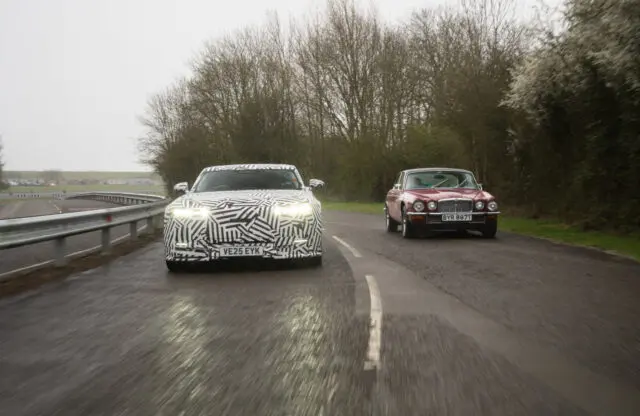
Featured Jaguars for sale
See all Jaguars for saleLatest Jaguar Articles
Explore more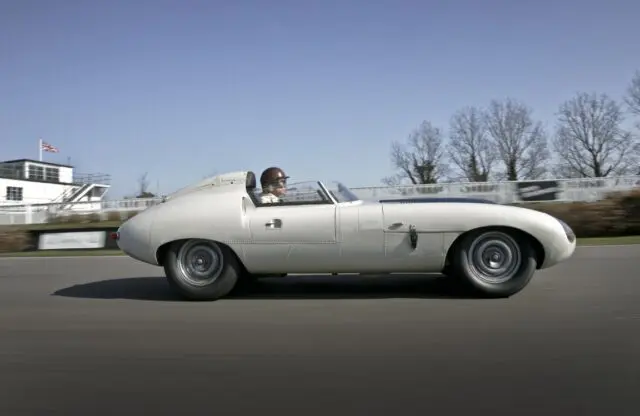
-
History of Jaguar
One of Britain’s most storied marques, Jaguar built its reputation on a unique fusion of elegance, performance and innovation. Founded by Sir William Lyons as the Swallow Sidecar Company in 1922, the company evolved through styling talent, engineering ambition and racing success to become a global symbol of British automotive excellence. The marque’s philosophy of ‘grace, space, pace’ remains one of the most succinct and enduring mantras in motoring history.
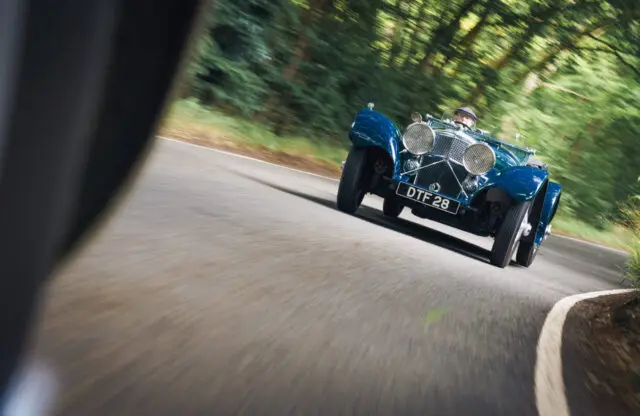
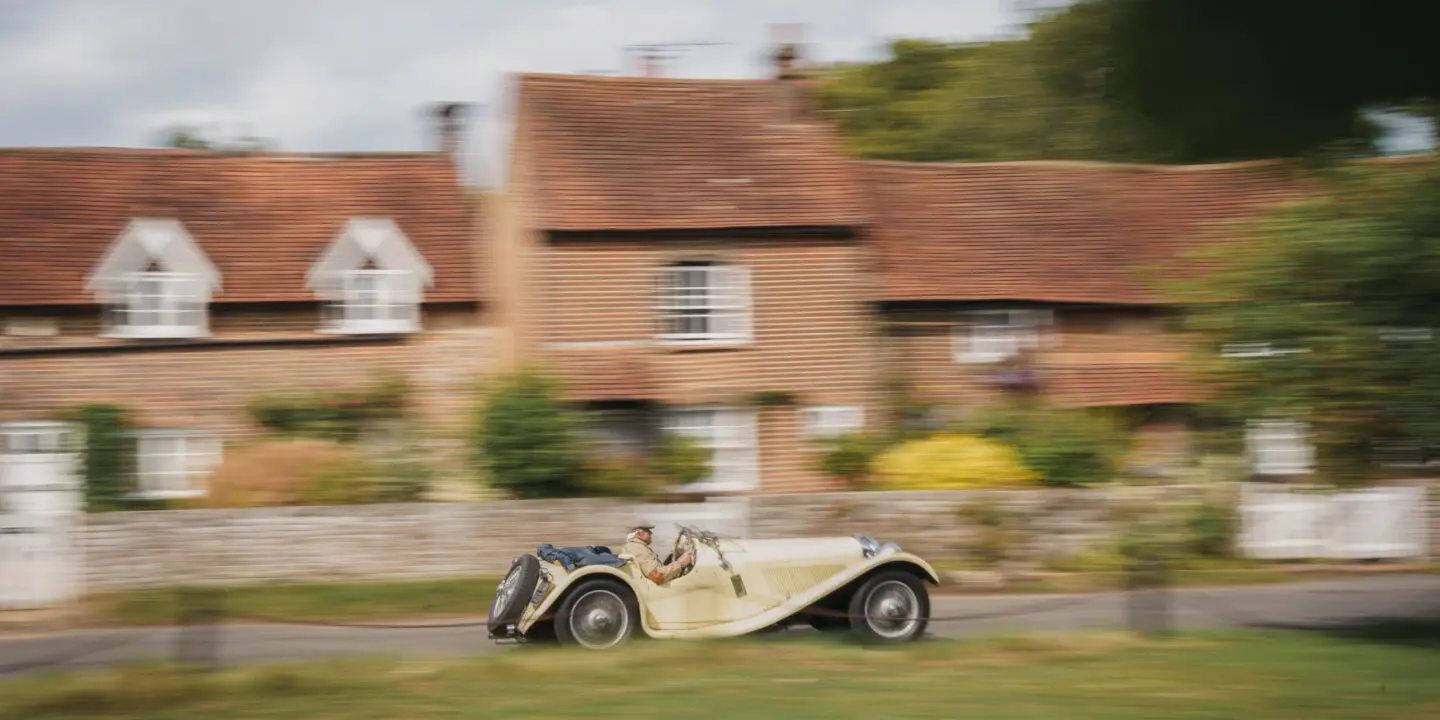
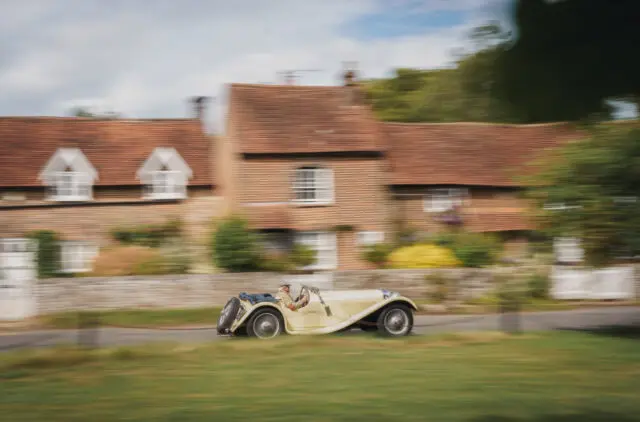
Jaguar’s early cars, including the SS1 and SS90, established Lyons’ keen eye for proportion and style. But it was the launch of the SS Jaguar 100 in 1936 that set the stage for greatness. Light, powerful and beautiful, it became one of the defining British sports cars of the pre-war era. After World War Two the company renamed itself Jaguar and the golden age began.
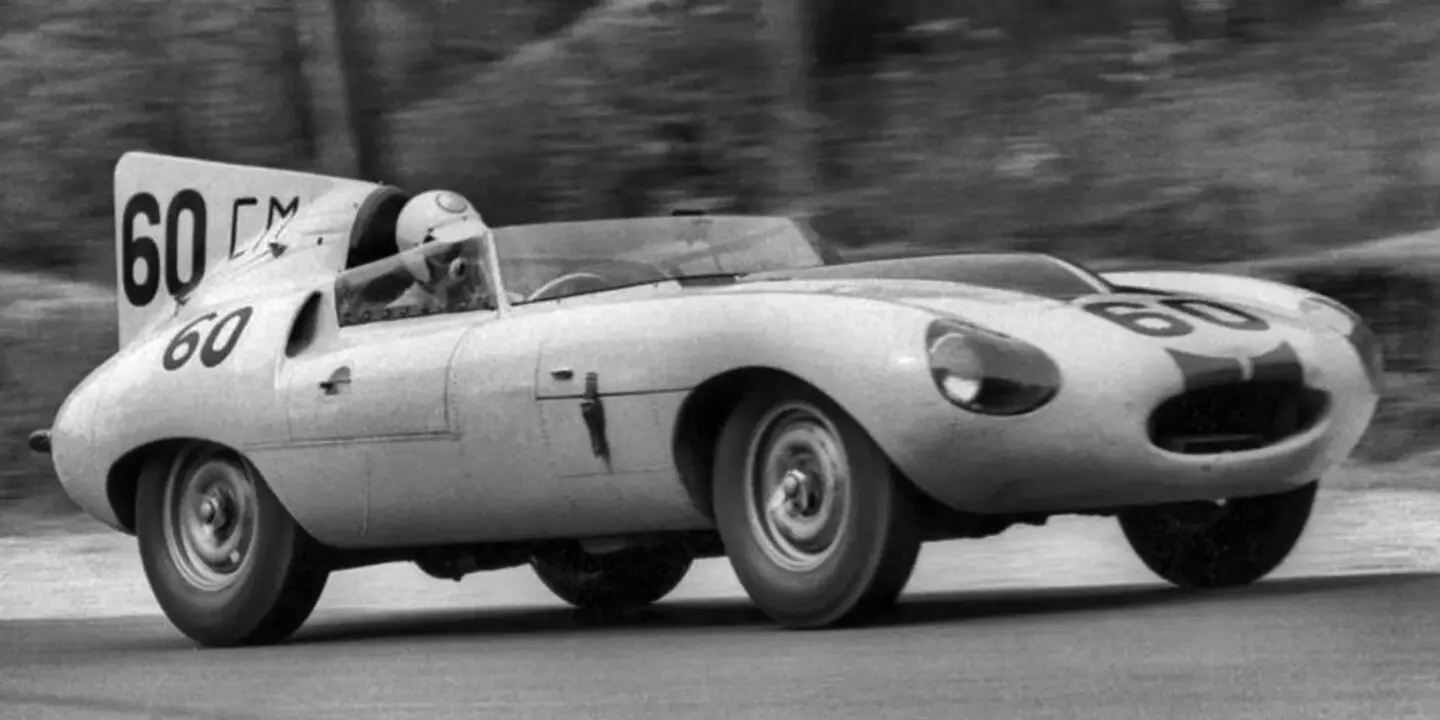
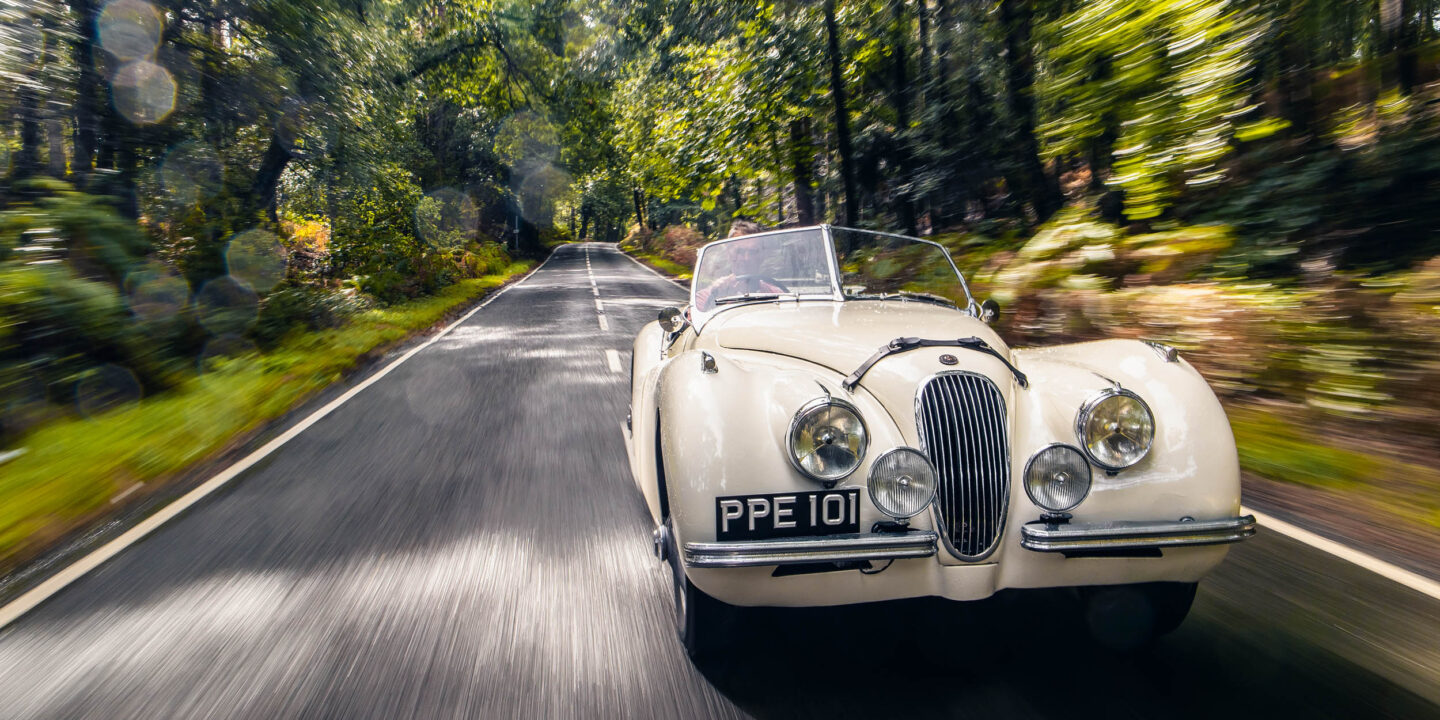
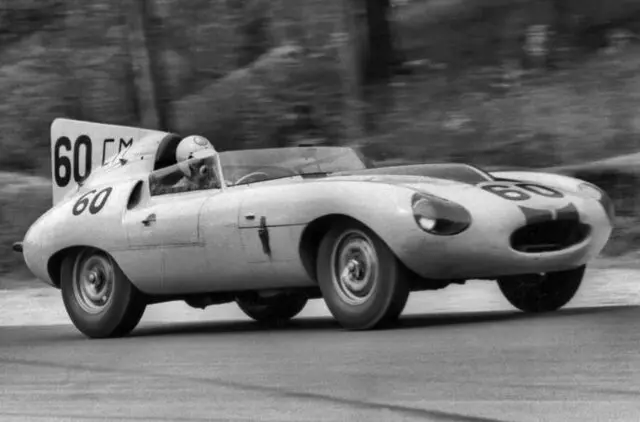
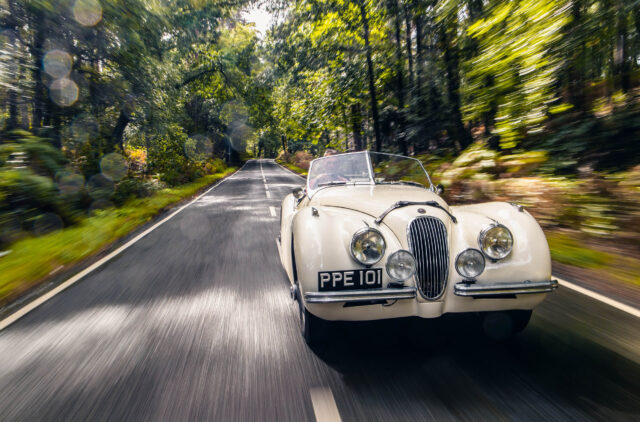
The XK120, introduced in 1948, stunned the world with its 120mph top speed, advanced twin-cam six-cylinder engine and exquisite lines. Its successors, the XK140 and XK150, further refined the formula. Jaguar’s motorsport triumphs followed swiftly, with victories at Le Mans (1951, 1953, 1955, 1956, 1957) thanks to the aerodynamic C-type and technological tour de force D-type, introducing disc brakes to endurance racing and cementing Jaguar as a world leader in dynamic engineering.
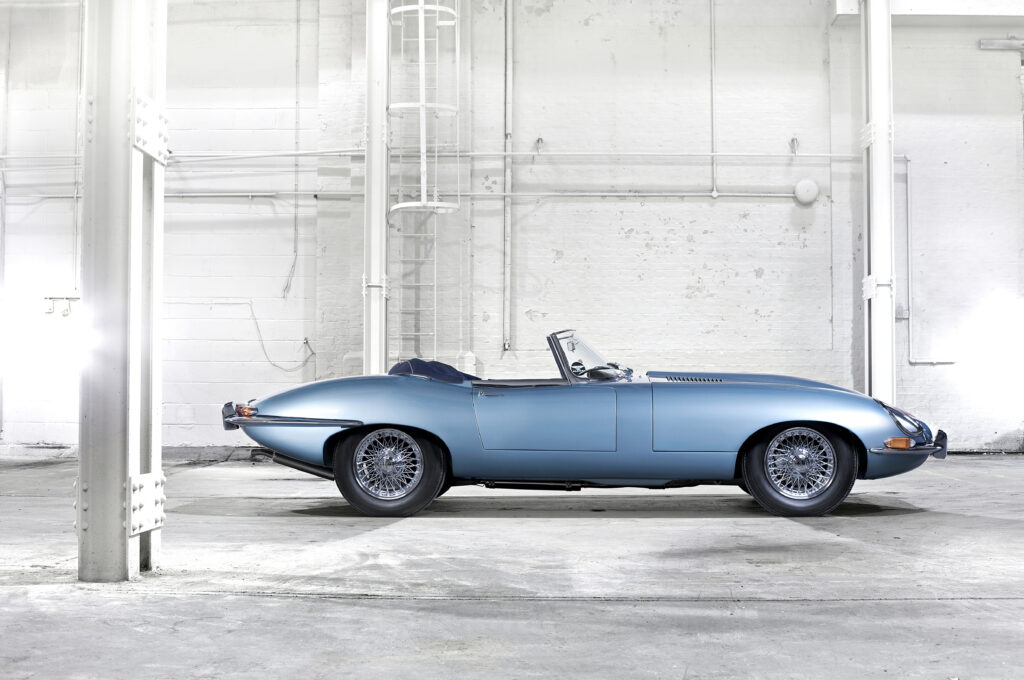
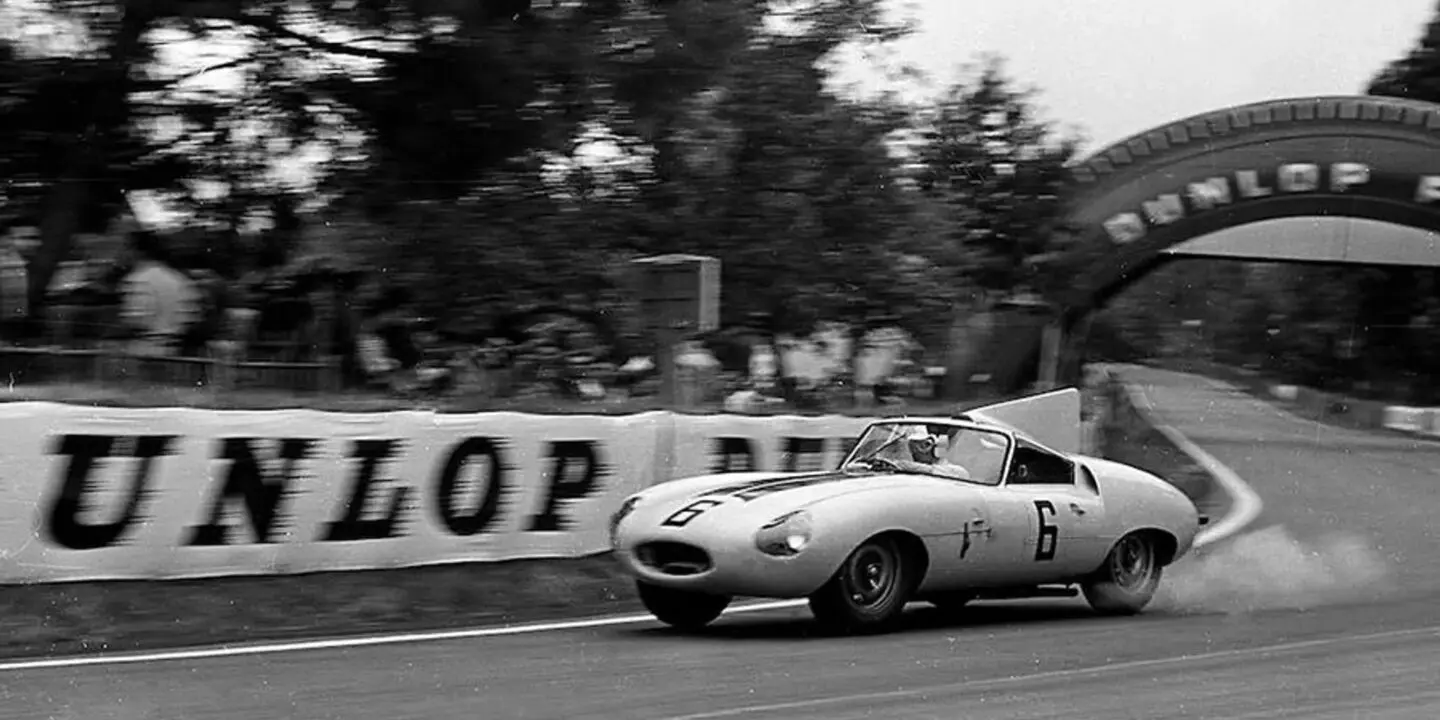
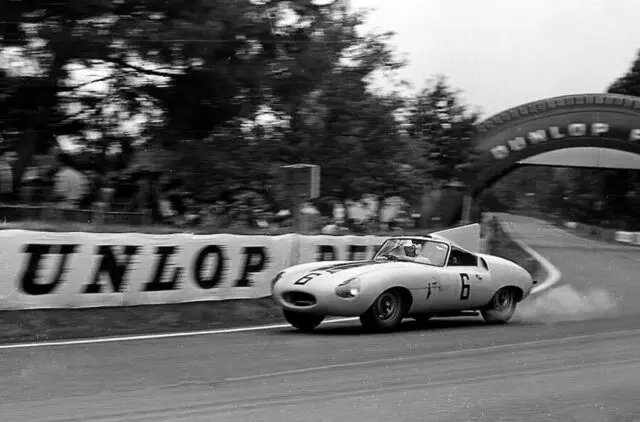
In 1961 Jaguar produced one of the most iconic cars ever built: the E-type. With its long bonnet, semi-monocoque construction, independent rear suspension and 150mph performance, the E-type became an instant legend, praised by Enzo Ferrari himself as ‘the most beautiful car in the world’. It remains a key element of any global classic-car discussion.
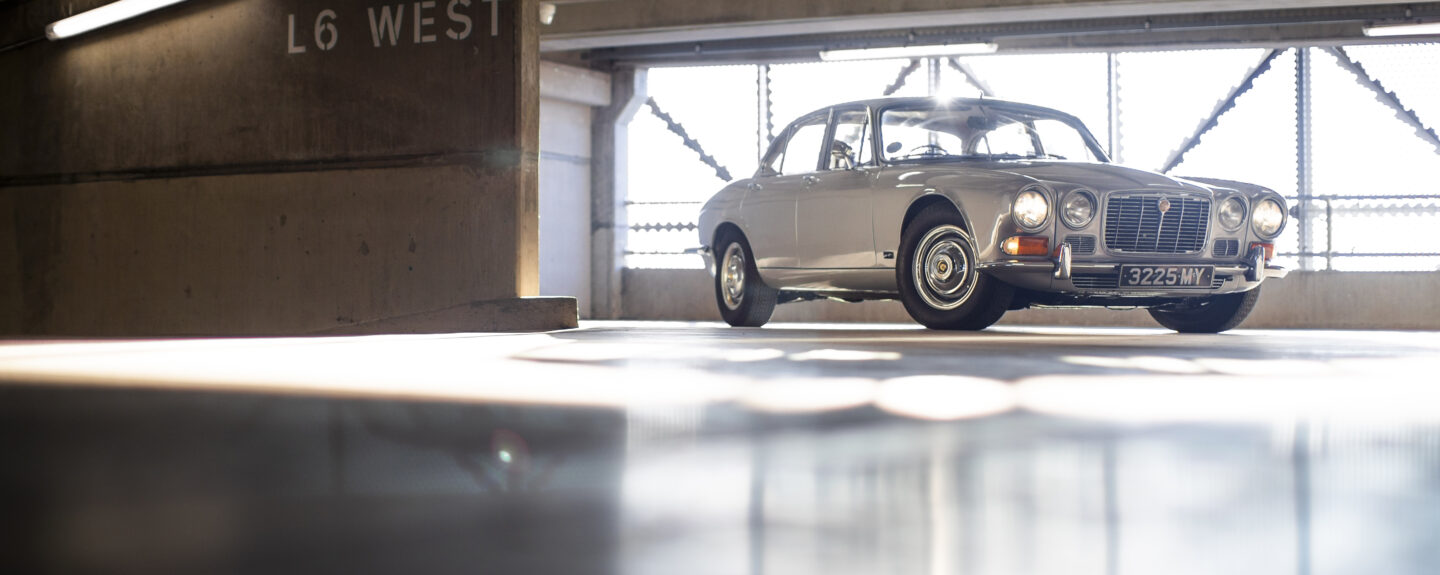
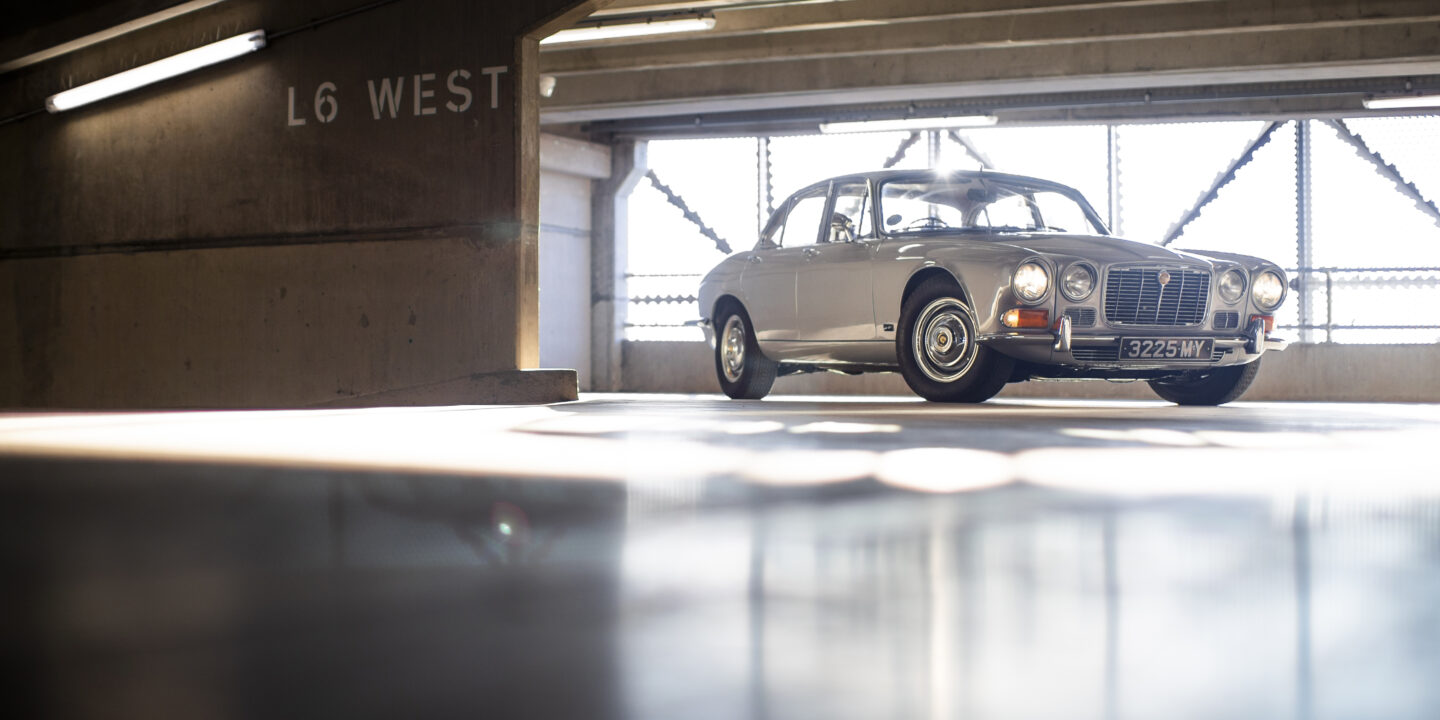
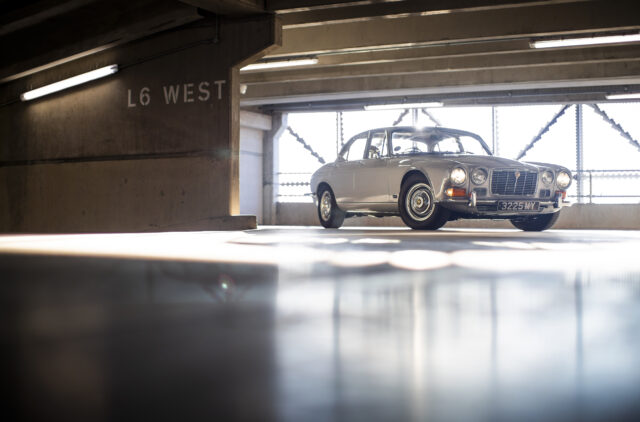
Jaguar’s luxury saloon lineage is equally significant. The original XJ6 became a benchmark of refinement and handling, following the Mk2’s role in defining the term ‘sports saloon’.
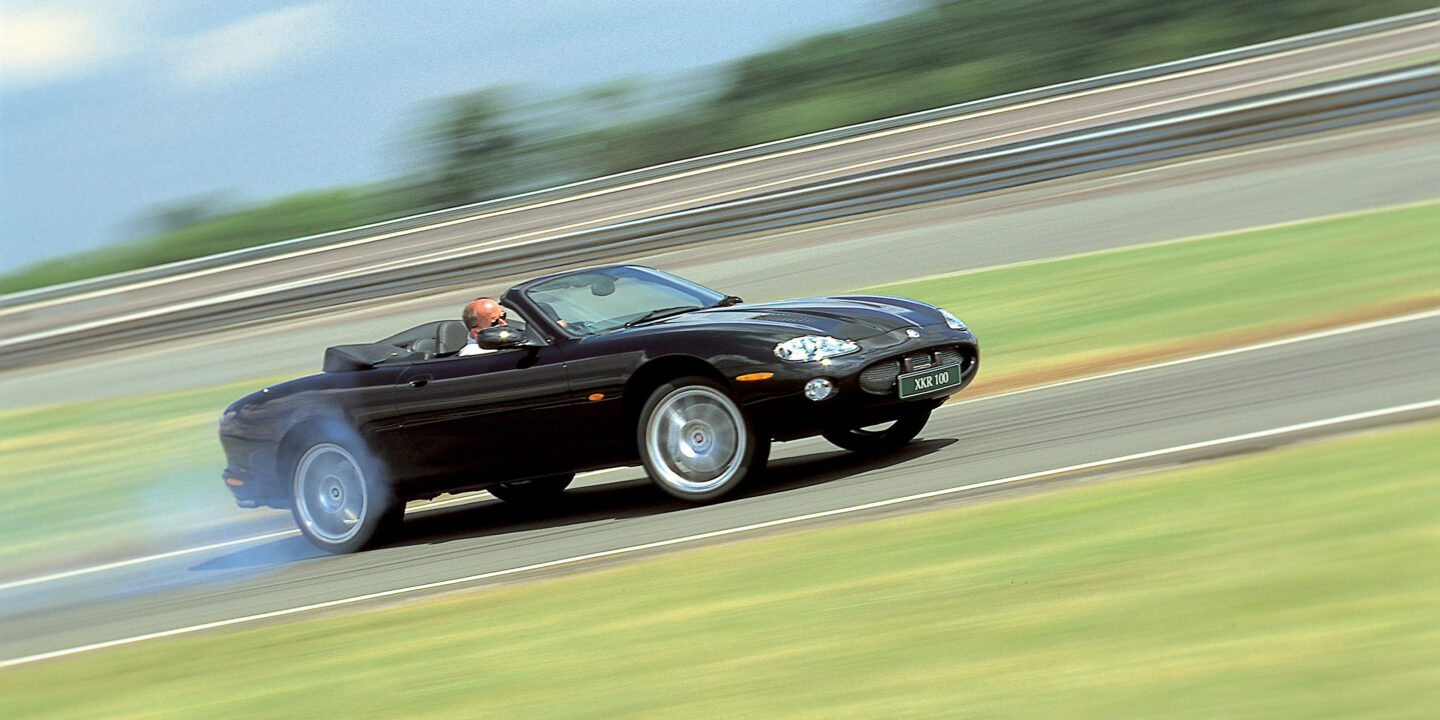
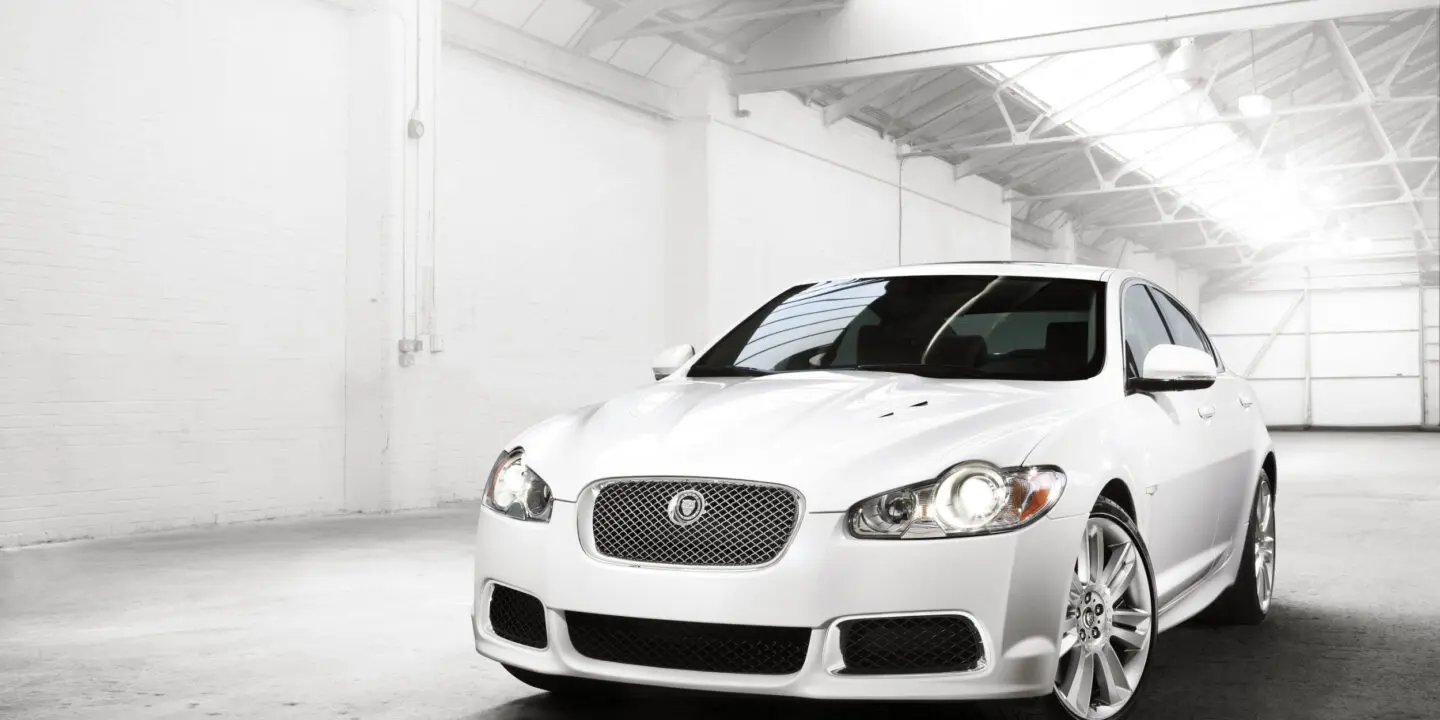
Today, the XK, E-type, C- and D-types, Mk2 and Series 1 XJ are among the world’s most cherished collector cars. The brand’s design lang4uage, racing heritage and emotional appeal ensure its place at the heart of motoring culture.
-
About Jaguar
Jaguar’s corporate history is as fascinating as the cars it produced. Although founded in Blackpool, the company became firmly associated with Coventry, where much of its development, engineering and manufacturing activity was centred for decades. Browns Lane, acquired in 1951, became Jaguar’s spiritual home and remained the company’s principal factory and headquarters until the early 2000s.
During the post-war years Jaguar operated as an independent manufacturer under the leadership of Sir William Lyons. However, changing economic conditions and consolidation within the British motor industry led to its merger with the British Motor Corporation in 1966, forming British Motor Holdings. This was followed by the creation of British Leyland in 1968, placing Jaguar within a vast and often troubled automotive conglomerate.
Despite the challenges of the British Leyland era, Jaguar retained much of its engineering identity and continued production in Coventry. In 1984 the company returned to independence through privatisation before being acquired by Ford Motor Company in 1990. Under Ford ownership, Jaguar gained access to greater investment and expanded its manufacturing footprint, including the Castle Bromwich plant near Birmingham, which became the production home for several key models.
A new chapter began in 2008 when Jaguar and Land Rover were acquired by India’s Tata Motors. The two brands were integrated into Jaguar Land Rover, and significant investment followed, including new engineering facilities at Gaydon in Warwickshire, which became the centre of vehicle development and design.
Today, while Jaguar’s future direction continues to evolve, its historic manufacturing sites, engineering achievements and global ownership journey remain integral to the story of one of Britain’s most recognised automotive marques.
-
Jaguar trivia
Jaguar started life building motorcycle sidecars – Before producing cars, the company was known as the Swallow Sidecar Company, founded by William Lyons and William Walmsley in Blackpool in 1922. The business initially specialised in stylish motorcycle sidecars before expanding into coachbuilt bodies for Austin and Standard chassis. This early focus on design and aesthetics would become a defining characteristic of Jaguar vehicles for decades to come.
The Jaguar name predates the Jaguar company – Although the business officially became Jaguar Cars after World War Two, the name first appeared on the SS Jaguar range during the 1930s. Following the war, the initials ‘SS’ had become closely associated with Nazi Germany, prompting the company to adopt Jaguar as its sole corporate identity.
Jaguar’s XK engine remained in production for more than 40 years – Introduced in the XK120 in 1948, Jaguar’s twin-cam XK straight-six was one of the most advanced production engines of its era. Remarkably, it remained in continuous production until 1992, powering everything from sports cars and luxury saloons to Le Mans-winning racing machines.
Jaguar helped prove the value of disc brakes in motorsport – Disc brakes existed before Jaguar adopted them, but the marque played a crucial role in demonstrating their effectiveness. Working with Dunlop, Jaguar used disc brakes on the C-type and D-type at Le Mans during the 1950s. Their superior resistance to brake fade contributed significantly to the cars’ success and accelerated industry-wide adoption of the technology.
The XK120 was once the fastest production car in the world – When Jaguar launched the XK120 in 1948, the ‘120’ referred to its claimed top speed of 120mph. Independent testing later recorded even higher figures, making it the fastest production car available at the time.
Browns Lane was never originally intended to build Jaguars – Jaguar’s famous Browns Lane factory in Coventry began life as a wartime ‘shadow factory’ built for aircraft engine production. Jaguar purchased the site in 1951 and transformed it into its headquarters, engineering centre and primary manufacturing facility.
The XJ remained Jaguar’s flagship for more than five decades – First introduced in 1968, the XJ became one of the longest-running model lines in automotive history. Although redesigned several times, every generation maintained the same core philosophy of combining luxury, performance and driver engagement. Production finally ended in 2019, marking the conclusion of a model lineage spanning more than 50 years.
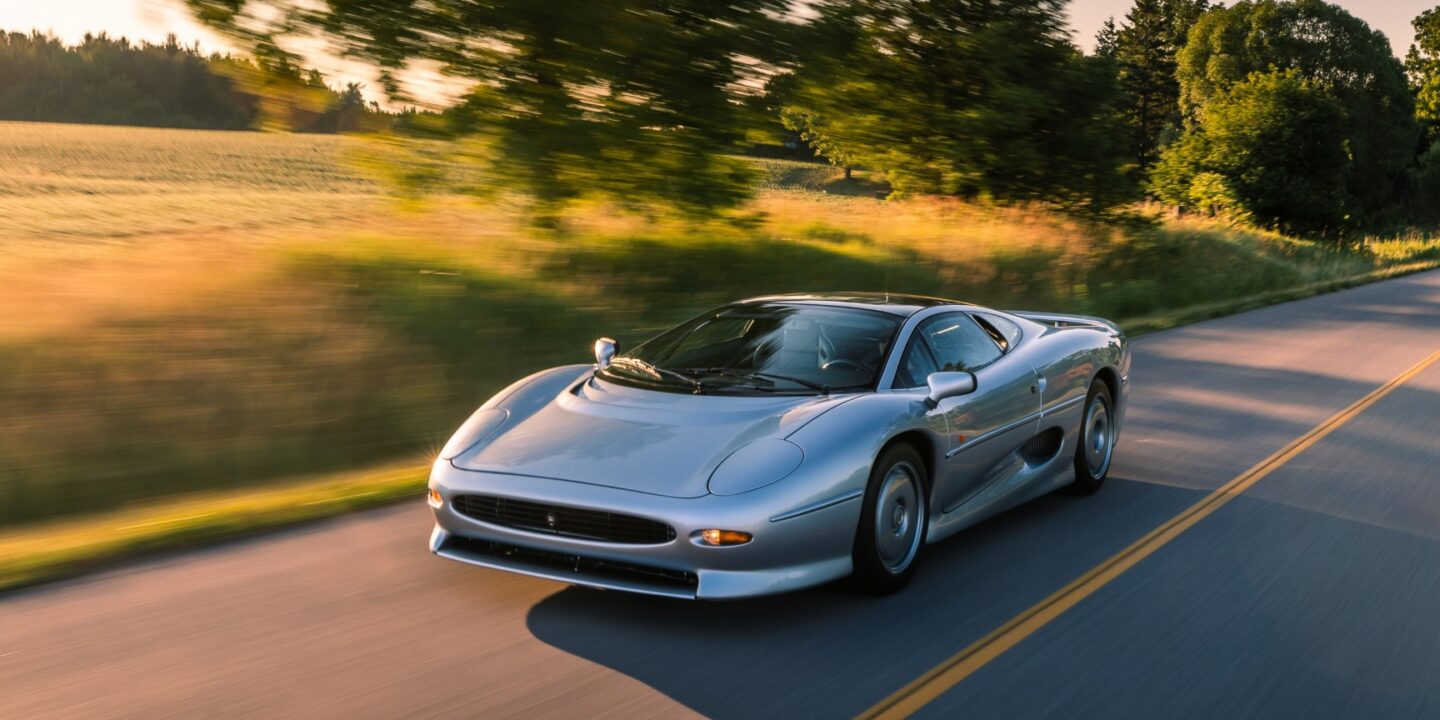
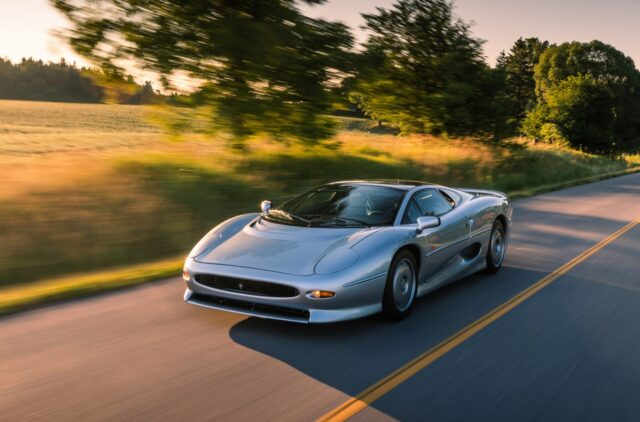
The XJ220 did not end up with the engine originally intended for it – When unveiled as a concept in 1988, the XJ220 was designed around a naturally aspirated V12 engine and four-wheel drive. However, production realities led Jaguar to adopt a twin-turbocharged V6 and rear-wheel drive instead. Despite the changes, the finished car achieved over 217mph and briefly became the world’s fastest production car.
Jaguar’s return to Le Mans delivered another outright victory – After withdrawing from top-level endurance racing in the 1950s, Jaguar returned to international sports car competition during the 1980s with the Tom Walkinshaw Racing-developed XJR programme. The effort culminated in victory at the 1988 24 Hours of Le Mans with the XJR-9, ending Porsche’s run of dominance and securing Jaguar’s seventh overall win in the French classic.