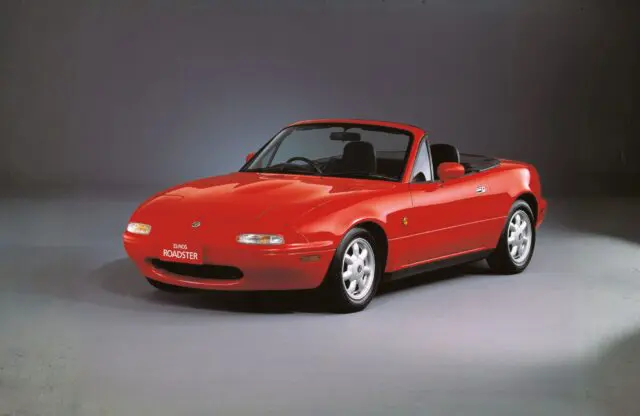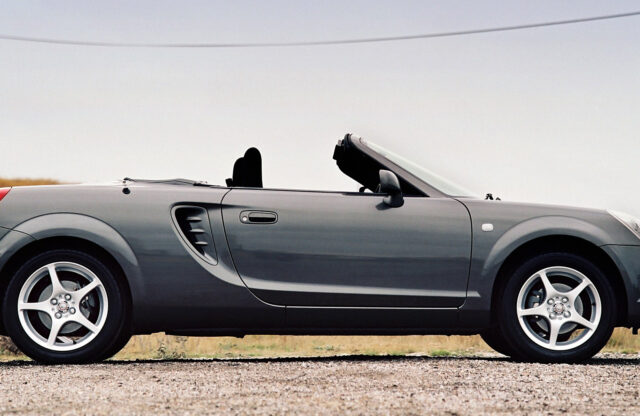
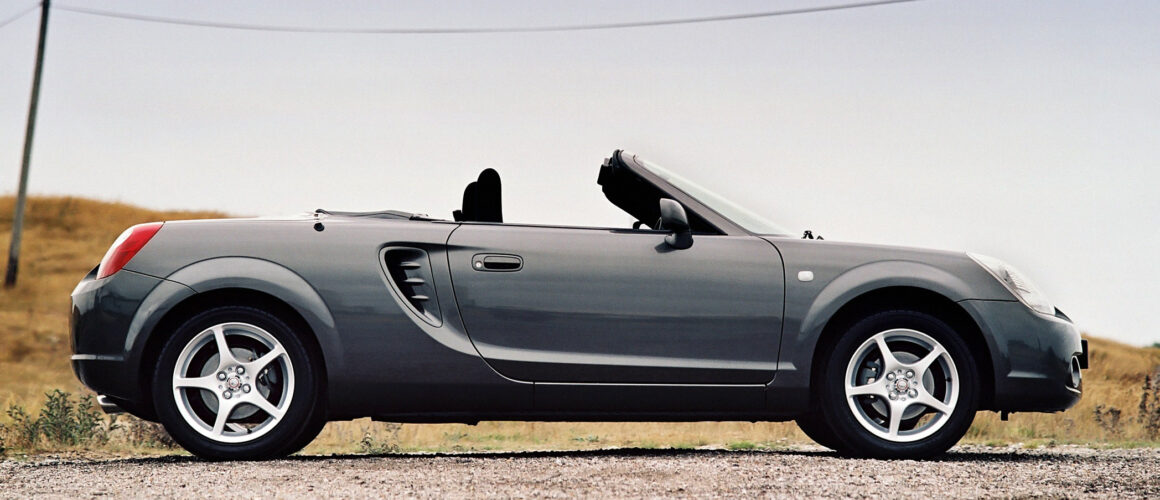
The third-generation Toyota MR2 arrived at the turn of the millennium as a refreshing return to first principles. Launched in 1999 as the MR-S in Japan and badged MR2 in Europe, the W30-generation car stripped away the weight and complexity that had crept into its predecessor and instead delivered a compact, mid-engined roadster with sharp responses and modest running costs. In an era increasingly dominated by front-engined rivals such as the Mazda MX-5 and MG MGF/TF, Toyota’s smallest sports car stood apart – lighter, edgier and more unconventional.
Unveiled at the 1999 Tokyo Motor Show, the production MR-S took its name from a 1998 concept and was part of Toyota’s broader strategy to rationalise global production. One engine was offered worldwide: the all-alloy 1.8-litre 16-valve 1ZZ-FE with VVT-i variable valve timing, an engine shared with the seventh-generation Celica as well as the Avensis and RAV4. In the MR2 it produced 138bhp, enough to give the lightweight roadster one of the best power-to-weight ratios in its class. Performance was brisk rather than explosive – 0-60mph in 7.7 seconds and a top speed of 139mph – but the car’s appeal lay less in outright pace and more in its response.
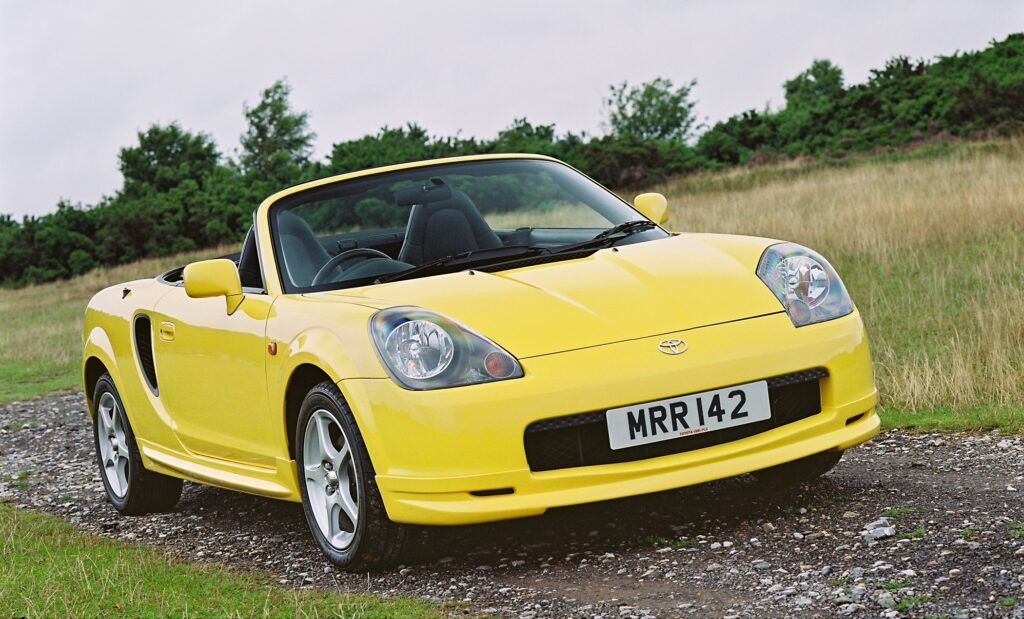
With the engine mounted transversely behind the seats and driving the rear wheels, the MR2 delivered a sense of balance that few rivals could match at the price. Steering was quick and alert, the five-speed manual gearbox offered a pleasingly mechanical shift, and the chassis felt agile and responsive. Period road tests praised its ‘dart-like’ turn-in and willingness to change direction. For many, it captured something of the original 1980s MR2’s back-to-basics charm.
In 2001 Toyota introduced an optional Sequential Manual Transmission (SMT), initially with five speeds and later six. This clutchless manual system, one of the first of its kind in a Japanese production car, allowed upshifts and downshifts without a conventional clutch pedal. While innovative, it never quite matched the tactile satisfaction of the standard manual, and long-term durability can depend heavily on correct maintenance and calibration.
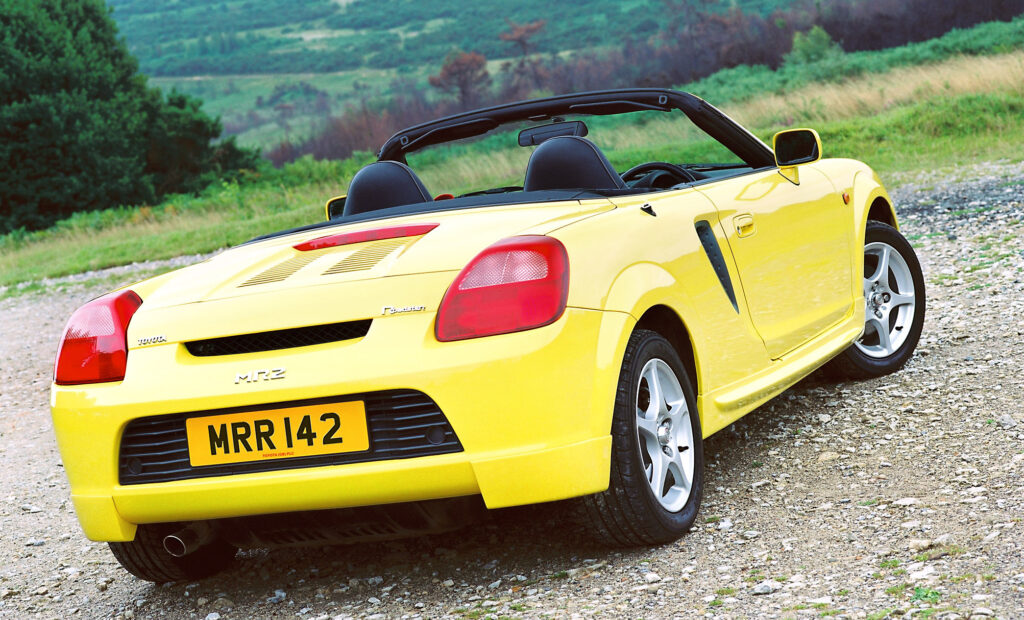
Early sales were encouraging, but by the early 2000s the appetite for affordable sports cars had begun to wane. The market shifted towards hot hatches and compact performance saloons, and by 2004 the MR2 had been withdrawn from the US, remaining on sale only in Japan and Europe. Production finally ceased in 2006, bringing to an end nearly two decades of MR2 lineage. Today the Mk3 occupies an interesting niche: modern enough to be usable and relatively inexpensive to maintain, yet old-school in layout and philosophy.
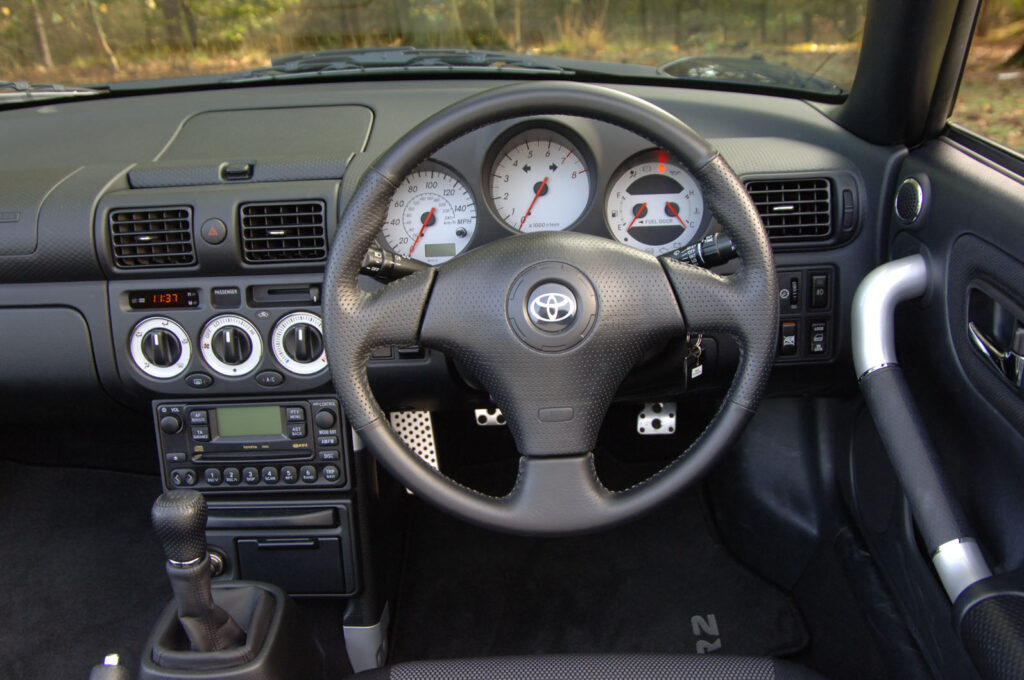
That usability, however, is tempered by packaging compromises. The front luggage compartment is barely large enough for the spare wheel and tools, and additional storage behind the seats is accessed by tilting the backrests forward.The cabin itself is durable and logically laid out, with straightforward instrumentation and a simple folding fabric hood, but space is tight and refinement modest.
Common problems
• Early 1ZZ-FE engines can suffer from pre-catalyst (‘pre-cat’) breakdown. The ceramic matrix can disintegrate, with debris drawn back into the engine, leading to bore wear, damaged piston rings, high oil consumption and, in severe cases, loss of compression. Symptoms of pre-cat failure include excessive blue smoke on the overrun, noticeable oil use between services and uneven running. A compression test is essential before purchase, particularly on pre-2003 cars. Later 2003-on cars benefited from revisions to the pre-cat system and are generally considered less prone to failure. Evidence of engine rebuilds or documented remedial work is a significant plus on earlier examples.
• Regular servicing with high-quality fully synthetic oil of the correct grade is vital. Poor maintenance exacerbates oil consumption and accelerates internal wear. The timing chain eliminates the need for periodic belt changes, but listen for rattles on start-up that could indicate tensioner or chain wear on high-mileage cars.
• SMT-equipped cars should be checked for smooth engagement and correct operation. Jerky shifts or warning lights may point to actuator or control issues that can be costly to rectify.
• Suspension components suffer the usual wear associated with age and mileage. Inspect bushes, track rods, ball joints and steering components carefully, and budget for strut replacement around the 100,000-mile mark.
• Many cars have been modified, particularly imports. Uprated suspension, bracing kits and aftermarket parts can complicate maintenance and parts sourcing, but generally it’s not too much of an issue.
• Rust is increasingly a concern. Pay close attention to the floors, front inner wings, lower bulkhead, suspension mounting points and inner arches. Japanese-market imports are often less well rustproofed and may deteriorate more quickly in the UK climate.
• Because many exterior panels are bolt-on, poor panel alignment can betray accident damage or substandard repairs. The MR2’s mid-engined layout can make it unforgiving if lifted off mid-corner, and some have been damaged as a result.
• The interior is generally robust, and tracing electrical gremlins often leads to discovering previous modifications or poorly installed aftermarket audio and alarm systems.
What to Pay
The Mk3 MR2 remains one of the most affordable ways into mid-engined sports car ownership. Values have firmed slightly as numbers dwindle, but it is still possible to find usable examples from around £1500. A sound, well-maintained car with solid bodywork and no engine issues will typically command £3500-4000, while the very best low-mileage, late-model or carefully preserved examples can reach £5500 or a little more. Post-2003 UK cars with documented servicing and evidence of pre-cat updates are generally worth the premium, and originality is increasingly prized as modified cars become more common. As ever, condition and history matter far more than age alone.