Mercedes-Benz
The marque that invented the motor car, and has been shaping it ever since
Explore more Mercedes-Benz:
Mercedes-Benz traces its origins to Karl Benz’s 1886 Patent-Motorwagen and was formed through the merger of Daimler and Benz in 1926. From the Silver Arrows of the 1930s to the 300 SL, the S-Class and the AMG performance division, the marque has combined engineering innovation with luxury saloons, grand tourers and outright competition cars across more than a century of production. Mercedes-Benz is headquartered in Stuttgart and remains one of the world’s largest premium car manufacturers.
Latest Mercedes-Benz news
Explore more
Featured Mercedes-Benzes for sale
See all Mercedes-Benzes for saleLatest Mercedes-Benz Features
Explore more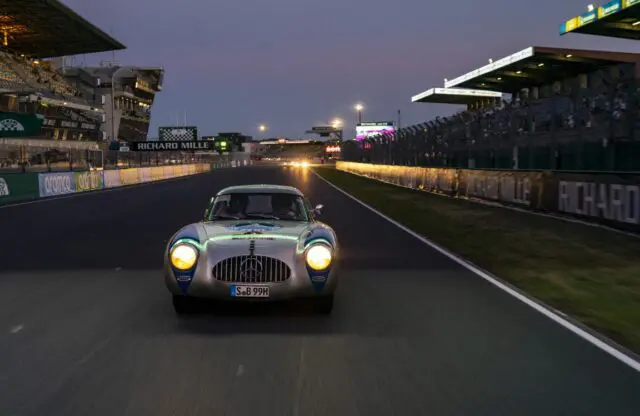

-
History of Mercedes-Benz
With origins dating back to Karl Benz’s 1886 Patent-Motorwagen and the engineering work of Gottlieb Daimler and Wilhelm Maybach, Mercedes-Benz is arguably the most historically significant automotive marque in the world. Formed through the 1926 merger of Daimler and Benz, Mercedes-Benz has shaped automotive engineering more than almost any other manufacturer, pioneering safety systems and performance technologies throughout the 20th Century. It was long known for impeccable build quality.
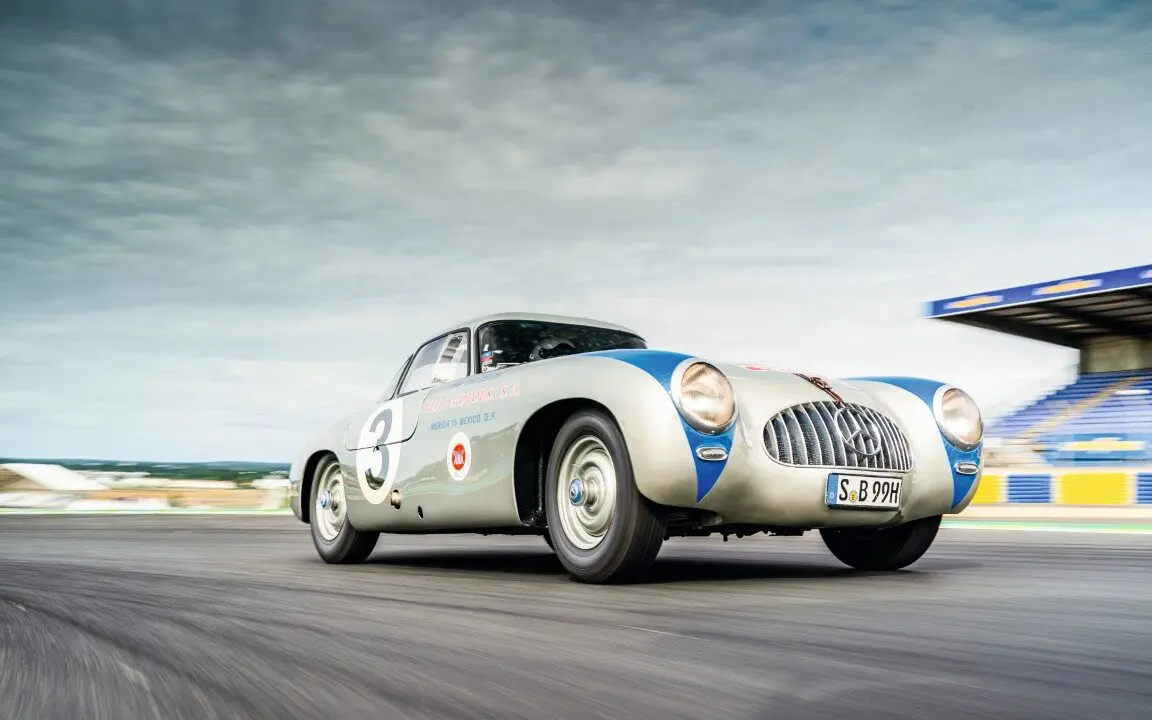
Early models were designed under Ferdinand Porsche’s direction, establishing the marque’s reputation for formidable engineering and motorsport success. These supercharged leviathans dominated hillclimbs and international races, showcasing Mercedes’ blend of power, durability and advanced mechanical design.
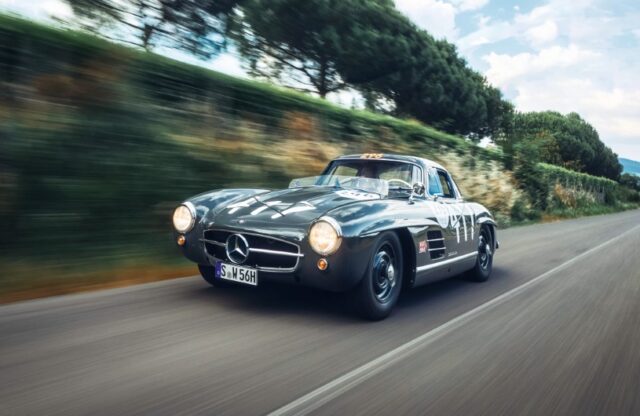
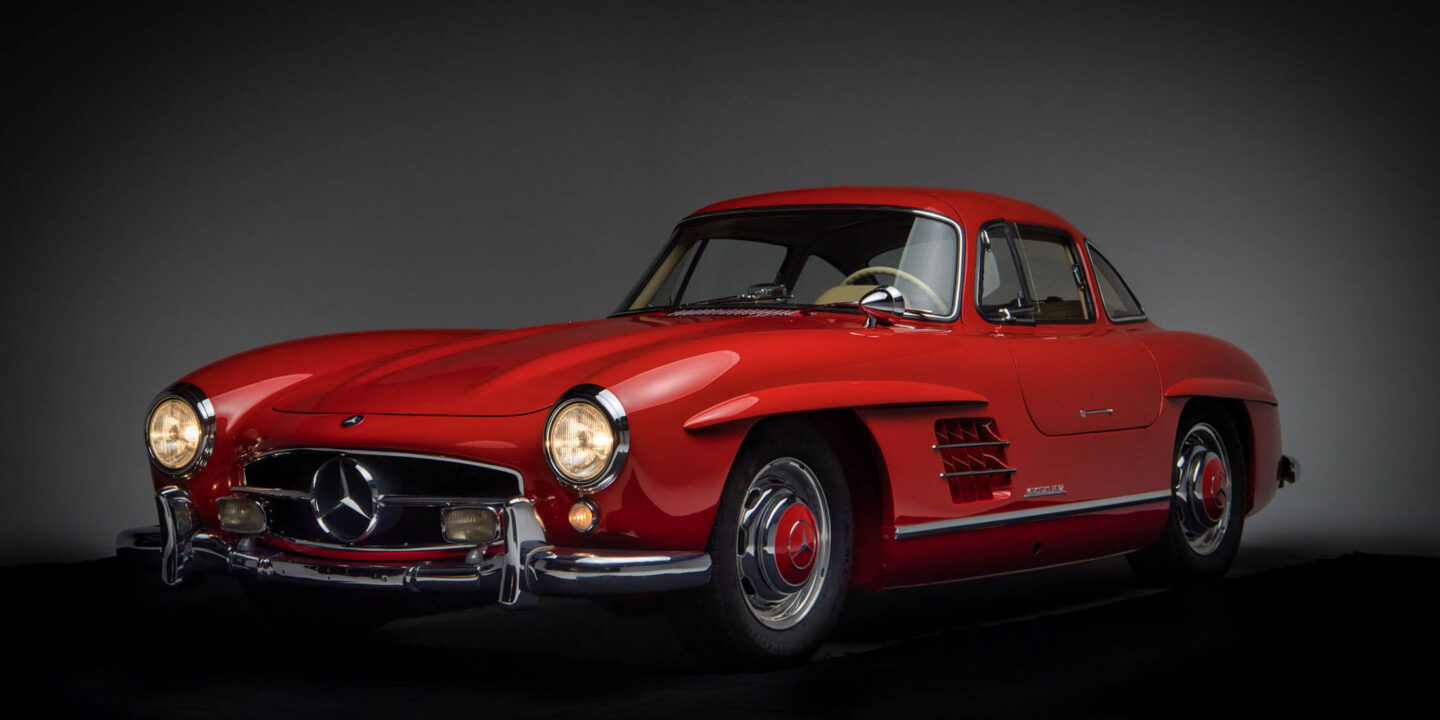
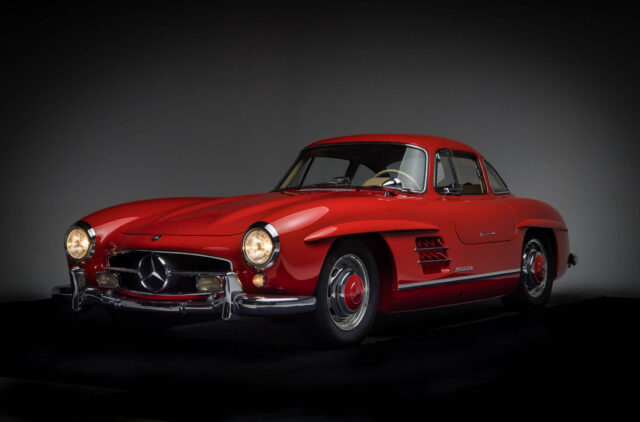
The post-war period solidified the marque’s identity. The 300 SL ‘Gullwing’ of 1954 remains one of the most iconic sports cars ever built, with its tubular spaceframe, fuel injection and dramatic roof-hinged doors. Its roadster successor and the luxurious 300 Adenauer sedans positioned Mercedes as the world leader in refinement and engineering excellence.
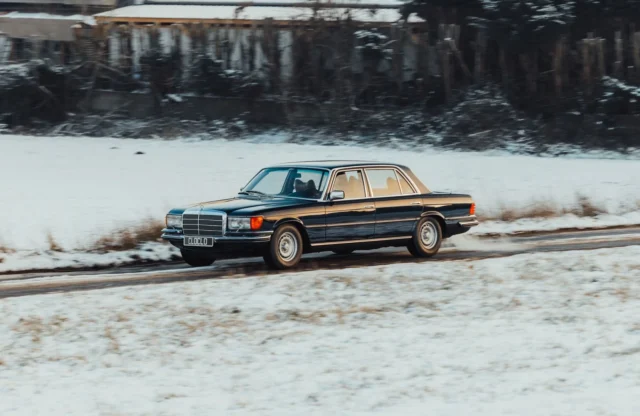
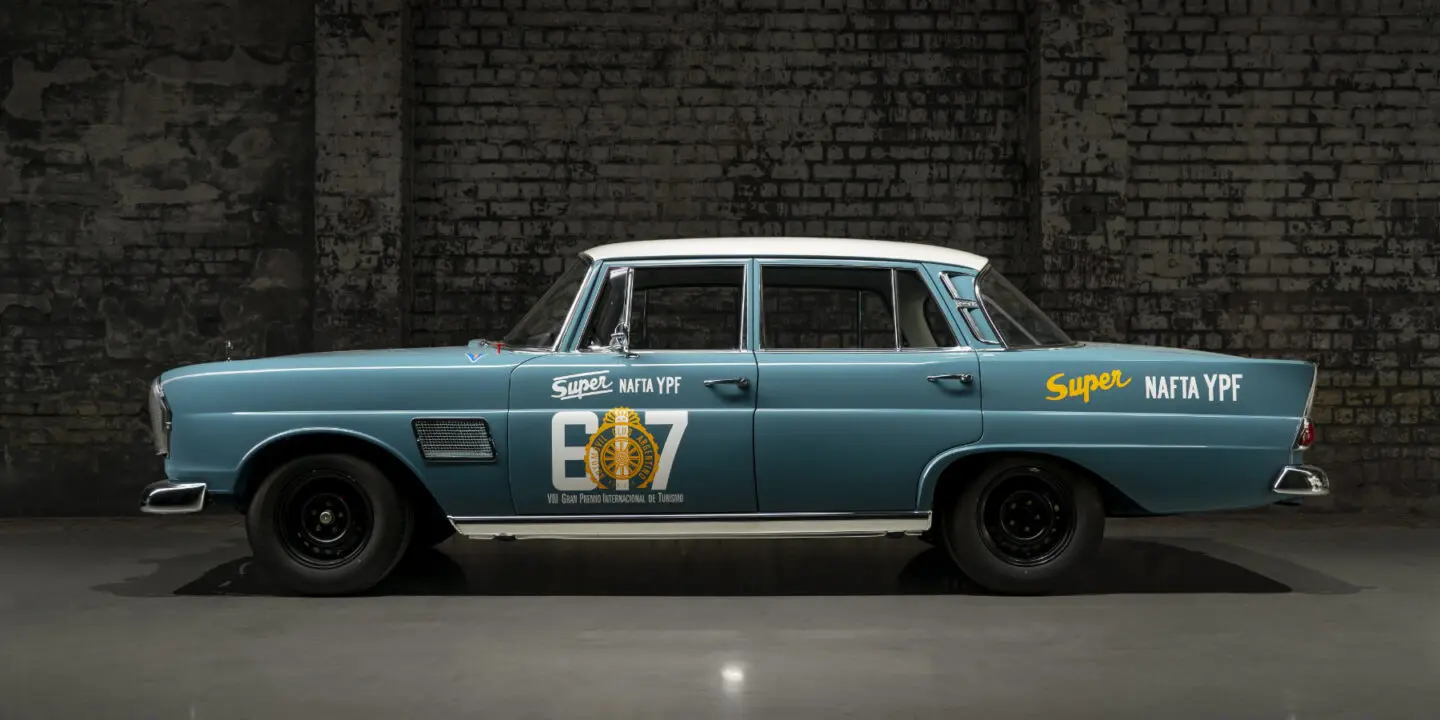
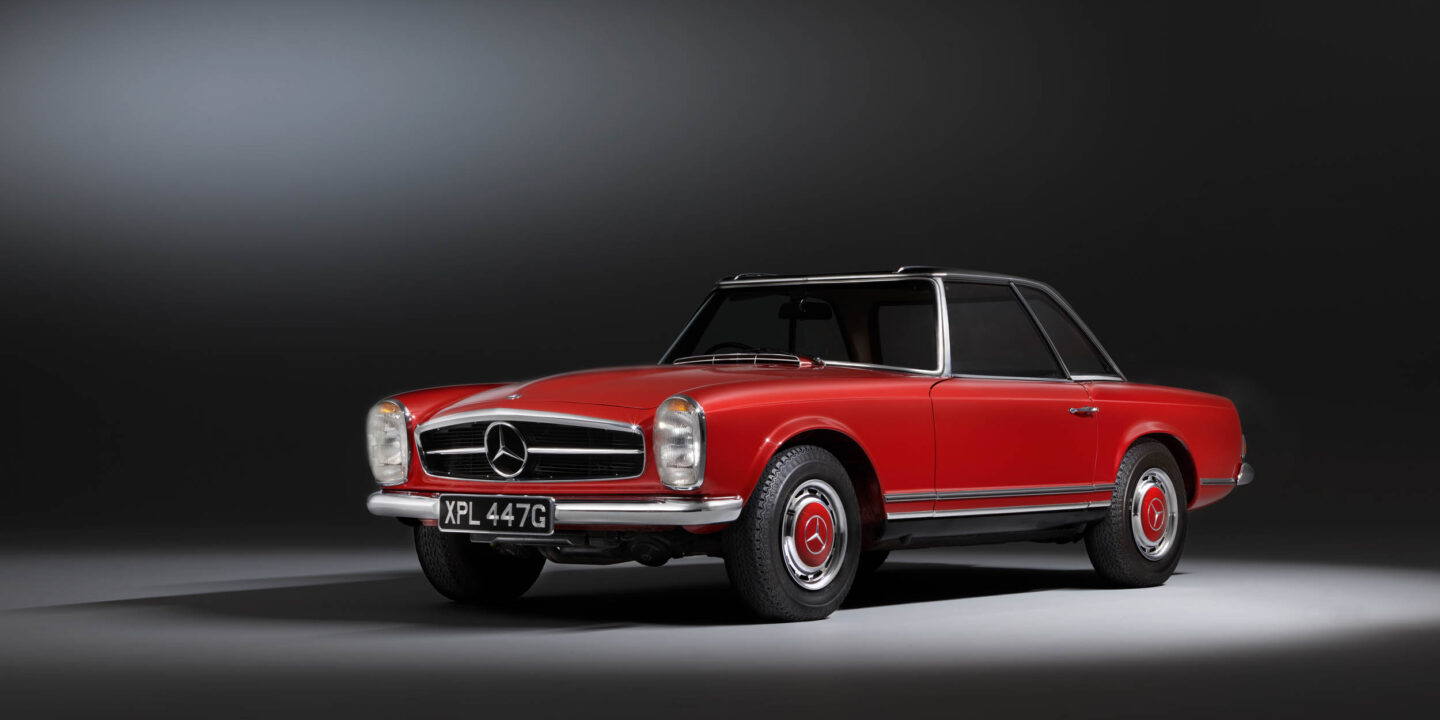
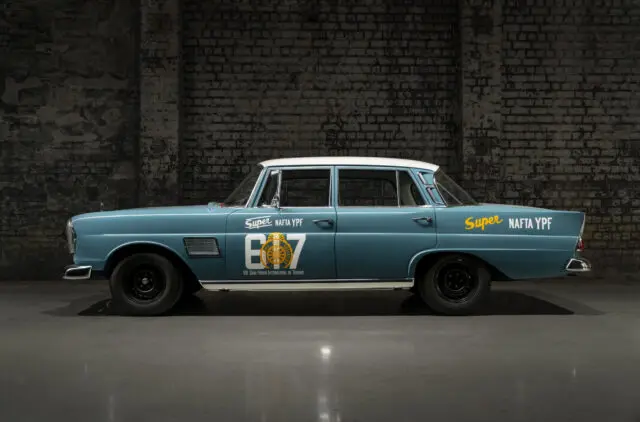
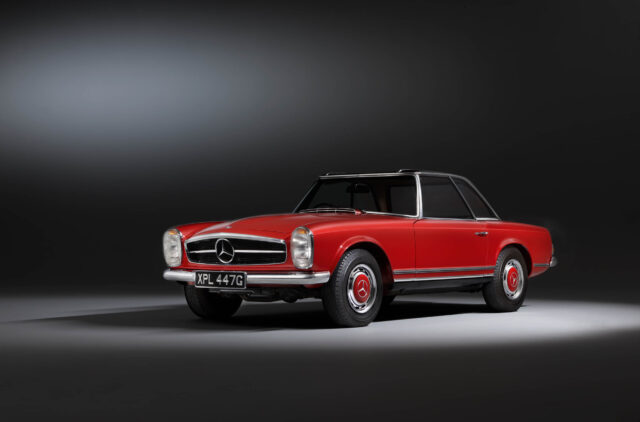
Throughout the 1960s and ’70s Mercedes-Benz redefined the executive saloon and grand touring landscape with cars such as the W111, W108, W113 Pagoda, and the legendary W116 S Class –the first car explicitly designed with occupant safety as its primary mission. As the global benchmark for luxury technology, it introduced innovations including ABS braking (developed with Bosch), airbags, ESP and advanced crumple-zone design.
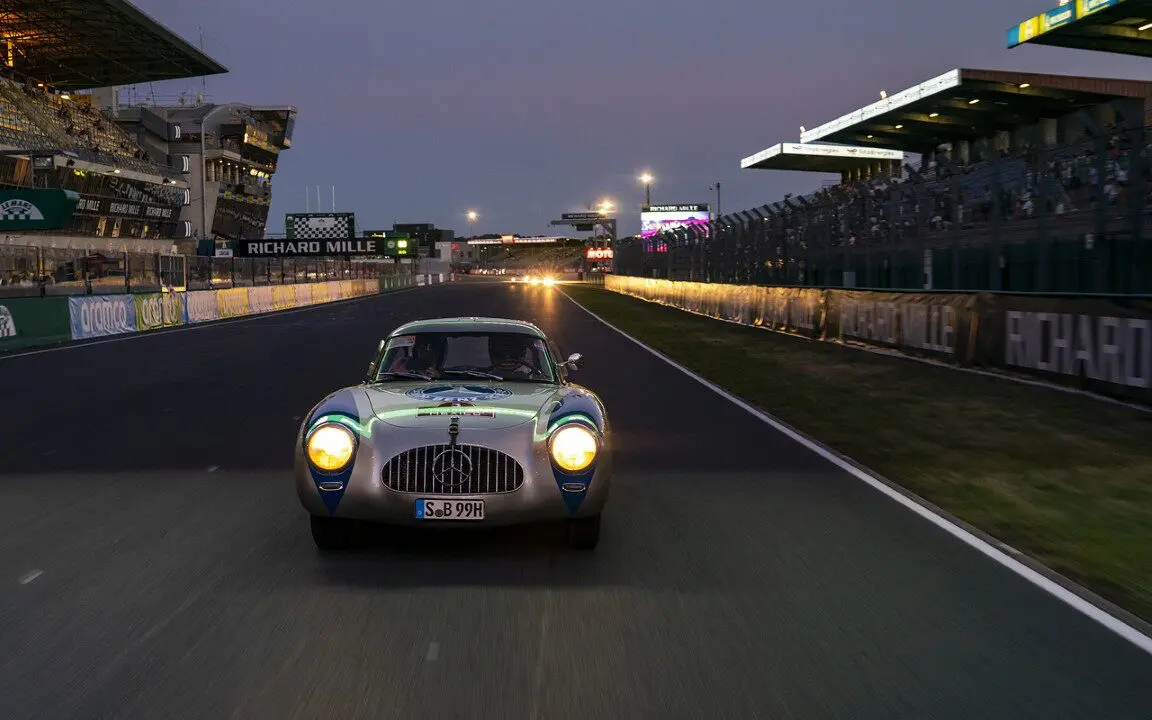
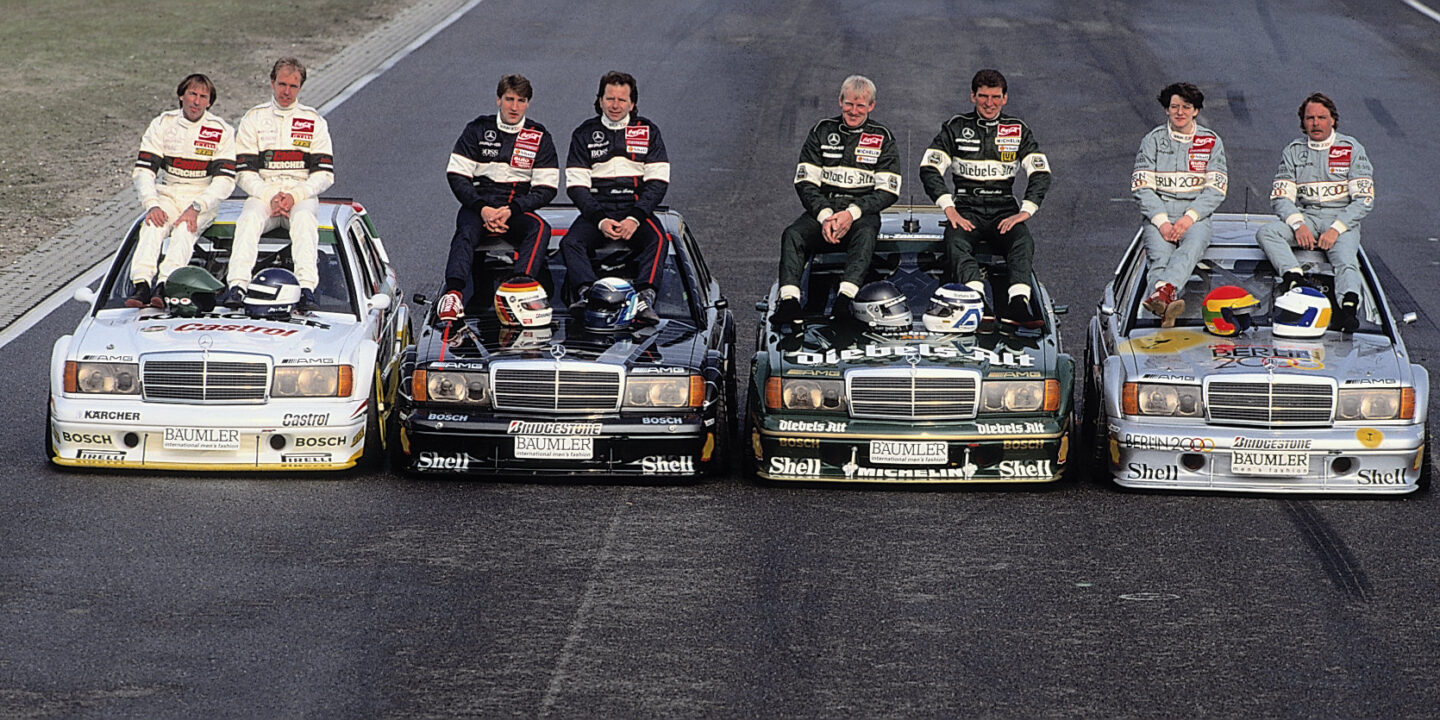
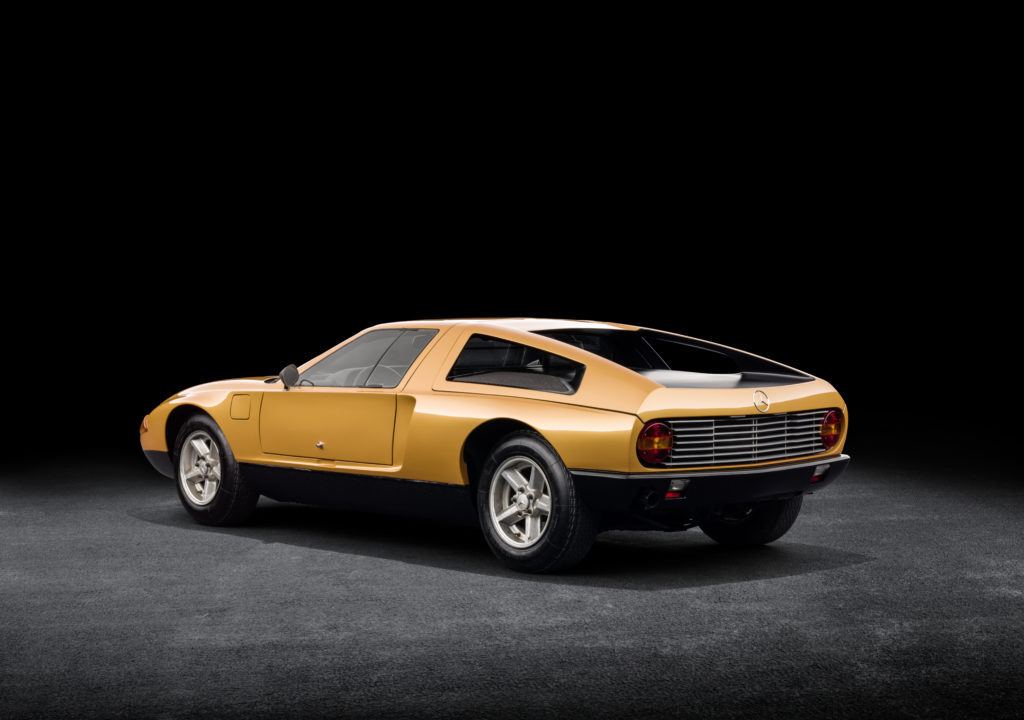
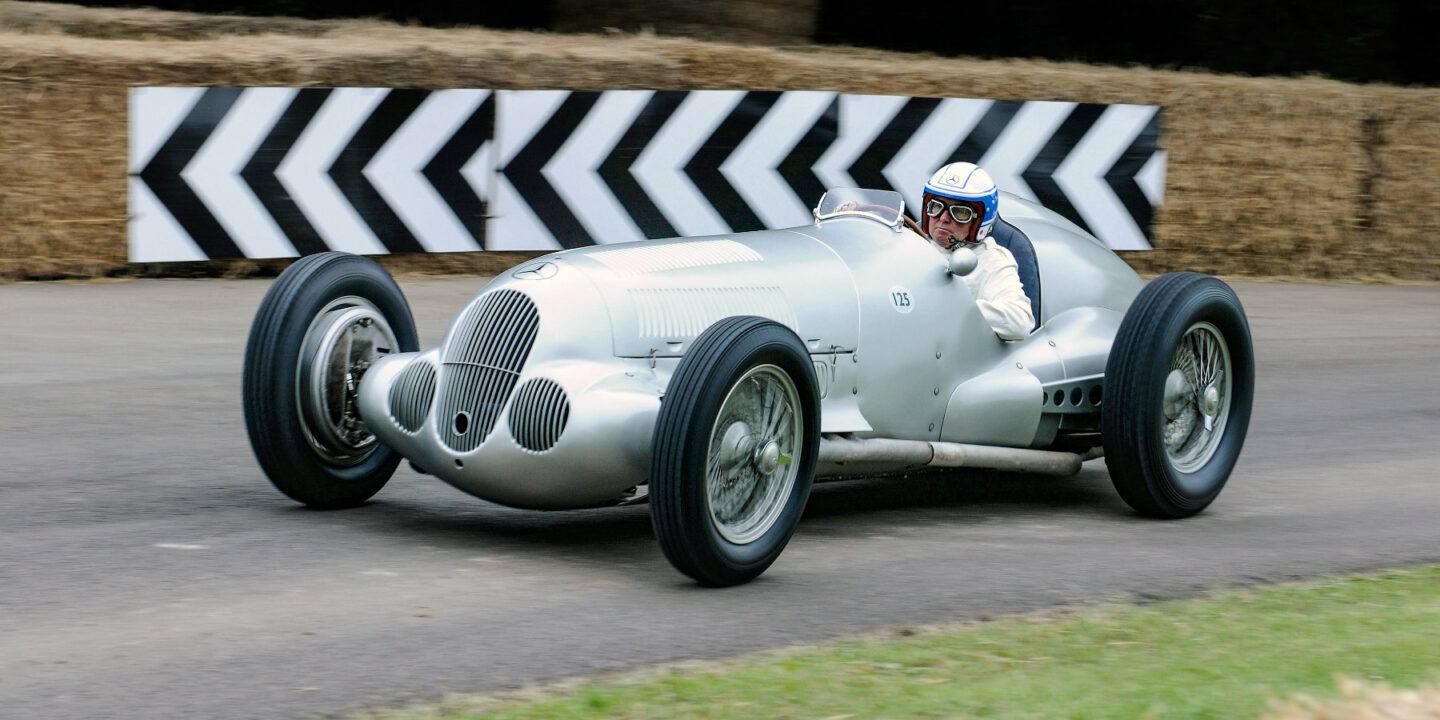
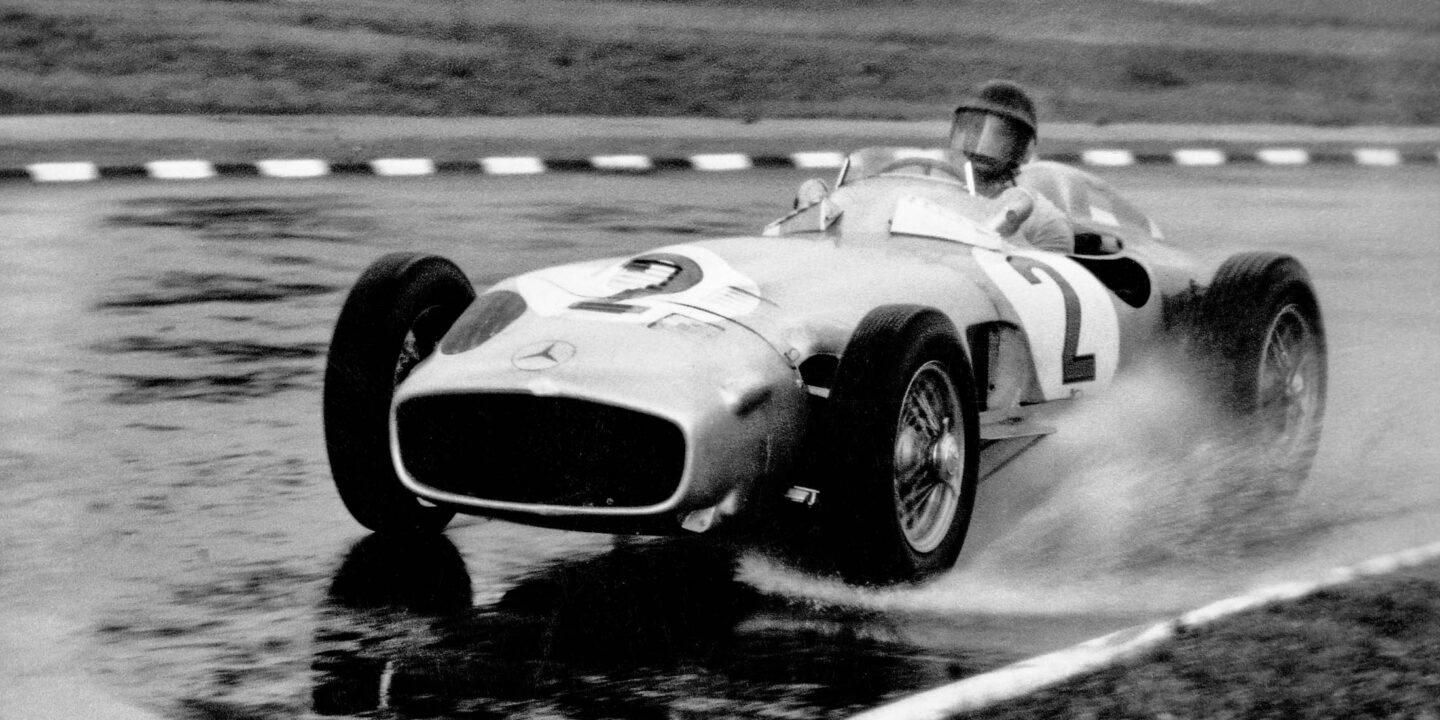
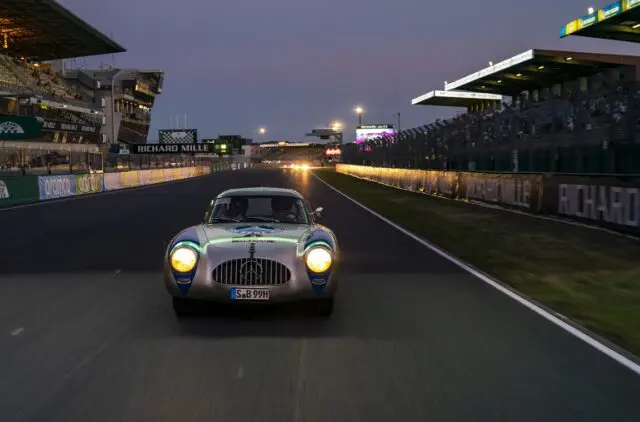
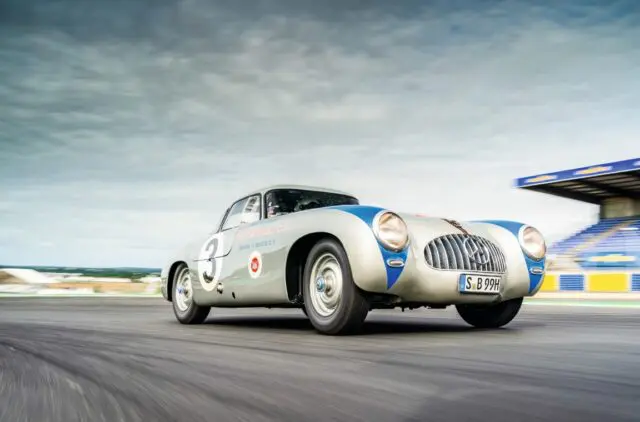
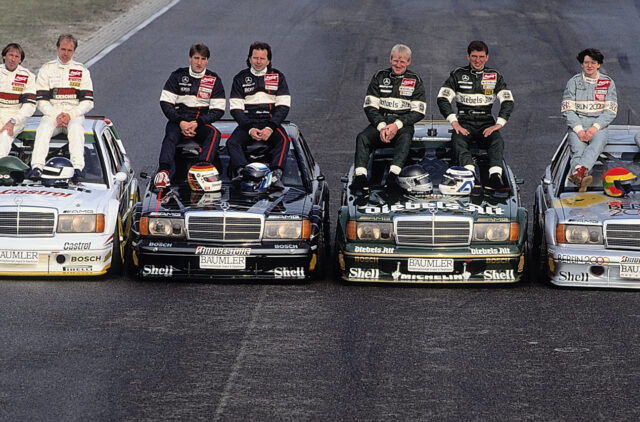
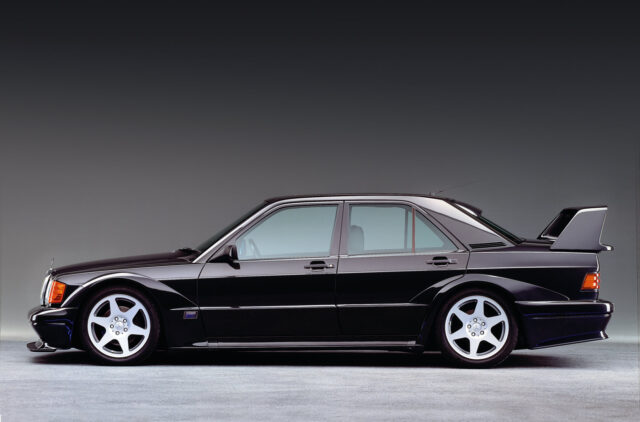
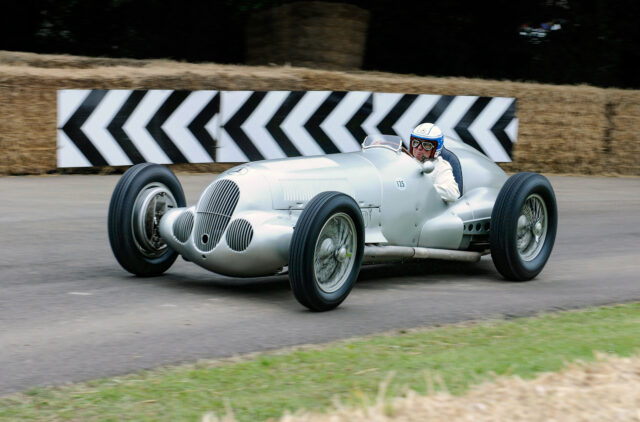
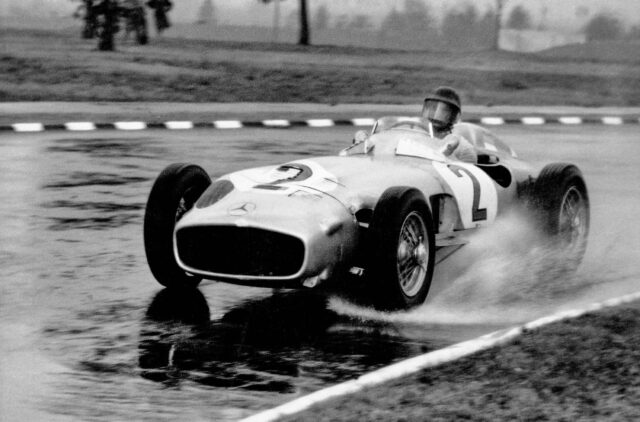
Motorsport successes include the pre- and post-war era of the Silver Arrows, the domination of Group C racing with the Sauber-Mercedes C9, and modern Formula 1 excellence. The partnership between AMG and Mercedes-Benz produced some of the most charismatic German performance cars, and supercars such as the SLR McLaren, SLS AMG, and AMG GT expanded the marque’s performance universe.
Mercedes-Benz remains synonymous with engineering integrity, luxury, safety and performance. Its classics are some of the most desirable and historically important cars ever built.
-
About Mercedes-Benz
Mercedes-Benz is headquartered in Stuttgart, Baden-Württemberg, with principal manufacturing facilities at Sindelfingen and Untertürkheim, both of which have been central to the marque’s production since the early 20th century. The Sindelfingen plant, opened in 1915, is one of the largest and longest-established car factories in the world, producing S-Class, E-Class and other core models. Additional manufacturing facilities operate across Germany and in numerous international locations, reflecting the scale of Mercedes-Benz’s global production network.
The company was formed in 1926 through the merger of Benz and Cie, founded by Karl Benz in Mannheim in 1883, and Daimler-Motoren-Gesellschaft, established by Gottlieb Daimler and Wilhelm Maybach in Stuttgart in 1890. The Mercedes name itself predates the merger, having been introduced in 1901 by Emil Jellinek, a businessman and motorsport patron who named the Daimler racing car after his daughter. The combined entity, Daimler-Benz AG, traded under the Mercedes-Benz name for its vehicles from 1926 onwards.
Daimler-Benz became Daimler-Chrysler following a high-profile merger with the American manufacturer Chrysler in 1998, an arrangement that proved commercially difficult and was dissolved in 2007. The company reverted to the name Daimler AG, before restructuring again in 2021 to separate its car and truck divisions. The passenger car and van business now operates as Mercedes-Benz Group AG, listed on the Frankfurt Stock Exchange, with the Stellantis-affiliated Kuwait Investment Authority and the Chinese manufacturer BAIC among its significant shareholders.
Mercedes-Benz’s performance division, AMG, was founded independently in 1967 by former Daimler engineers Hans Werner Aufrecht and Erhard Melcher in Burgstall an der Murr. Mercedes-Benz acquired a majority stake in AMG in 1999 and full ownership in 2005. AMG vehicles are assembled using a one-man, one-engine philosophy at the Affalterbach facility, where each engine is hand-built and signed by the engineer responsible for its construction.
-
Mercedes-Benz trivia
The Mercedes name was chosen by a businessman, not an engineer – Emil Jellinek, an Austro-Hungarian businessman and racing enthusiast who acted as Daimler’s primary sales agent in France and the Austro-Hungarian Empire, commissioned a new racing car in 1900 on the condition that it be named after his daughter, Mercedes. The 1901 Mercedes 35hp was so successful that Daimler adopted the name across its entire range, replacing the Daimler marque name for road cars sold in most markets.
The 300 SL’s gullwing doors were a structural necessity, not a styling choice – The dramatic roof-hinged doors of the 1954 300 SL were a direct consequence of the car’s tubular spaceframe chassis, which featured high sills that made conventional doors impractical. Engineers initially considered a sliding canopy before settling on the upward-opening solution. The doors became the car’s defining visual feature and one of the most imitated design details in automotive history.
Mercedes-Benz introduced fuel injection to production cars – The 300 SL of 1954 was the first production car in the world to use direct petrol fuel injection, developed by Bosch. The system allowed the straight-six engine to produce 215bhp, exceptional for a road car of the period, and gave the 300 SL a top speed of around 160mph depending on final drive ratio. The technology was adapted from aircraft engine systems developed during the Second World War.
The Silver Arrows got their colour by accident – Mercedes-Benz’s pre-war Grand Prix cars were officially entered in white, the German national racing colour of the era. According to the most widely repeated account, the cars exceeded the maximum weight limit at the 1934 Eifel Grand Prix, prompting the team to strip the white paint overnight to save weight. The bare aluminium bodywork that resulted became the origin of the Silver Arrows name and identity.
Mercedes-Benz crumple zones were invented by one of its own engineers – Béla Barényi, a Hungarian-born engineer who worked at Mercedes-Benz from 1939 onwards, developed and patented the concept of the crumple zone in 1952, describing a rigid passenger cell surrounded by front and rear sections designed to deform progressively in a collision. The principle, introduced on the W111 in 1959, is now a fundamental requirement of every production car in the world.
The W116 S-Class was the first car designed with passive safety as a primary objective – Launched in 1972, the W116 was the first car in Mercedes-Benz’s history to be engineered from the outset with occupant safety as a leading design priority, rather than a consideration applied after the basic architecture had been established. It introduced a range of structural and passive safety features that set new industry standards and influenced global vehicle safety legislation.
AMG built its reputation on a single engine – AMG’s first major international success came with a modified Mercedes-Benz 300 SEL 6.3, which the two-man company entered at the 1971 Spa 24 Hours largely without factory support. The car finished second overall and first in class against purpose-built competition machines, demonstrating AMG’s engineering capability and establishing its reputation in a single race. The car became known in the paddock as the Red Pig, a reference to its colour and considerable weight.
The SLR McLaren was built in two countries simultaneously – The Mercedes-Benz SLR McLaren, produced between 2003 and 2010, was the result of a formal collaboration between Mercedes-Benz and McLaren Automotive. The supercharged V8 engine was produced in Stuttgart, while the carbon-fibre body and chassis were manufactured at McLaren’s facility in Woking, Surrey. Final assembly took place at Woking, making it one of the few Mercedes-Benz models never assembled in Germany.
Mercedes-Benz has held the land speed record three times – Mercedes-Benz vehicles set the outright land speed record on three separate occasions during the 1930s, with Rudolf Caracciola achieving 432.7km/h on a closed public road near Frankfurt in 1938 in a specially prepared streamliner. The record stood as the fastest speed ever achieved on a public road for decades, though it was not recognised as an official land speed record by all governing bodies.
The Sauber-Mercedes C9 won Le Mans by lapping the entire field – At the 1989 24 Hours of Le Mans, the Sauber-Mercedes C9 driven by Jochen Mass, Manuel Reuter and Stanley Dickens won outright with such dominance that the winning car finished 18 laps ahead of the second-placed entry. The C9’s 5.0-litre twin-turbocharged V8 produced in excess of 700bhp, and the result marked a decisive return to top-level endurance racing for Mercedes-Benz after an absence of more than three decades.