Ferrari
Maranello’s finest: road cars built to feed a racing obsession
Explore more Ferrari:
Ferrari’s unique fusion of racing pedigree, charismatic engines and captivating design has made it the ultimate benchmark in performance cars for more than seven decades.
Latest Ferrari news
Explore more
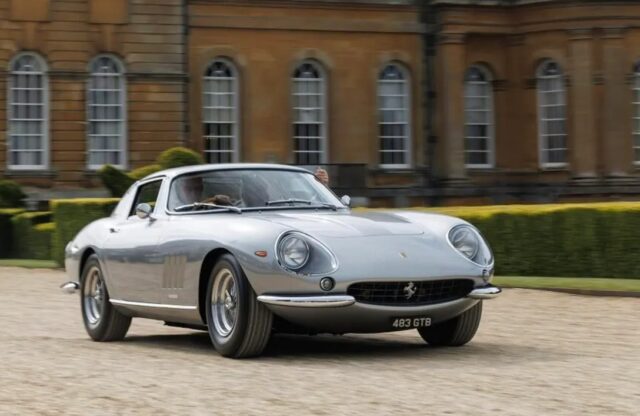
Featured Ferraris for sale
See all Ferraris for saleLatest Ferrari Features
Explore more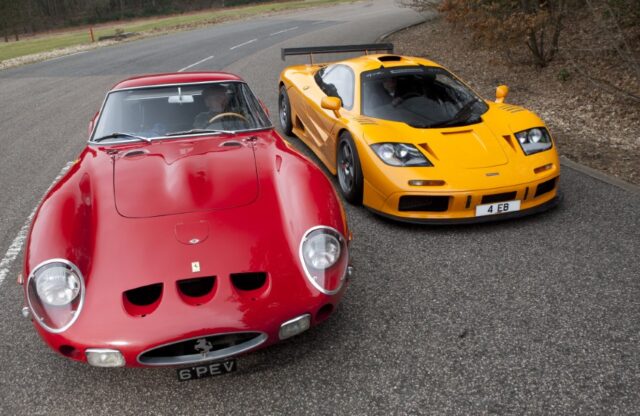
-
History of Ferrari
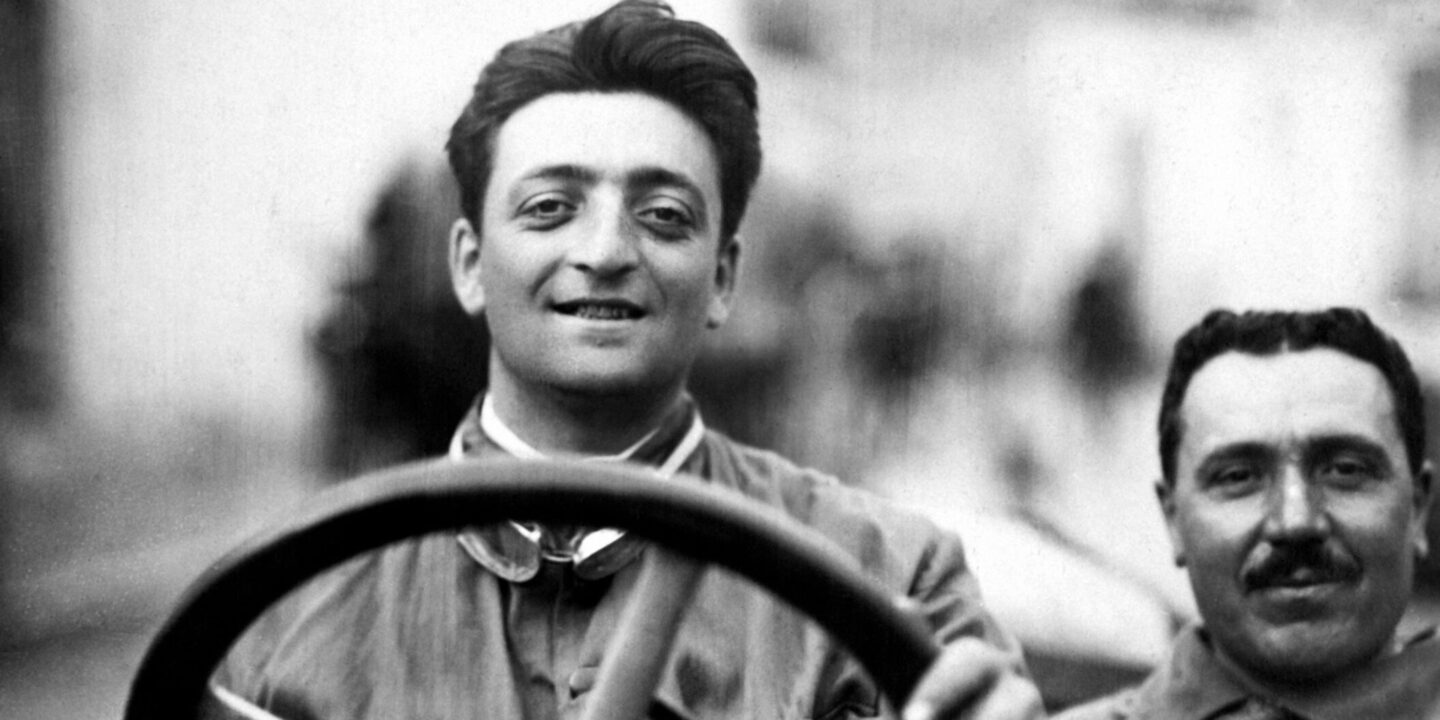
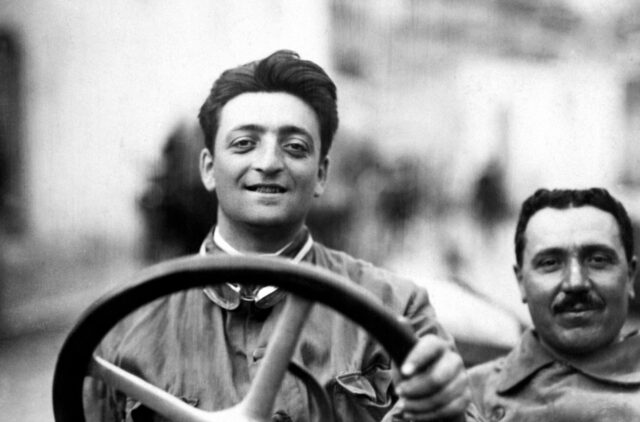
Few names in motoring carry such weight. Founded in 1947 by Enzo Ferrari in Maranello, the marque grew out of Scuderia Ferrari, the racing team he had created in the 1930s to run Alfa Romeo competition cars. From the beginning, Ferrari existed primarily to go racing, with road cars built to fund its competition ambitions.
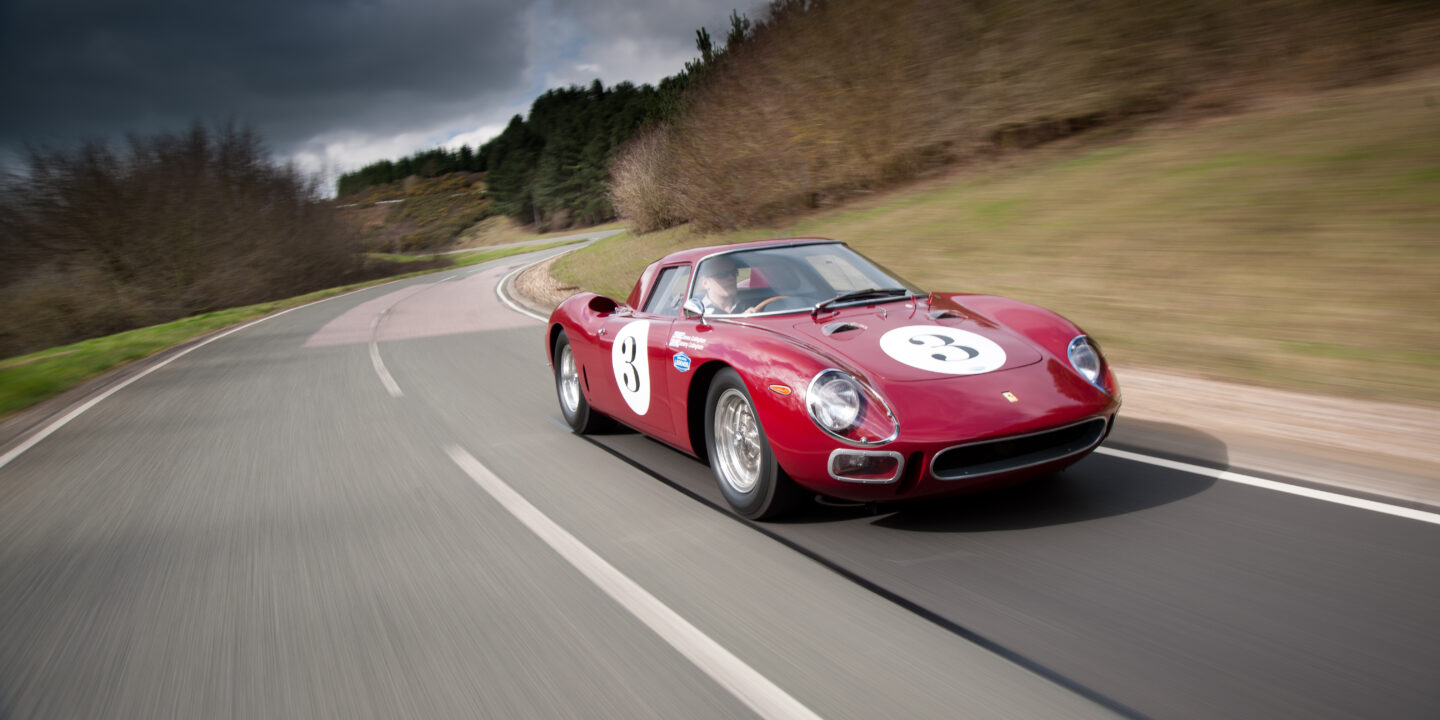
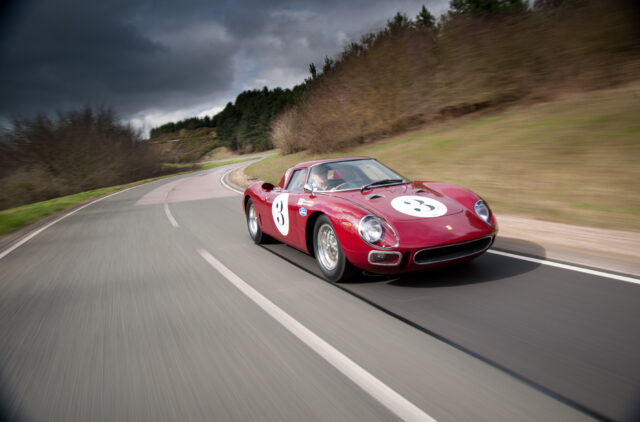
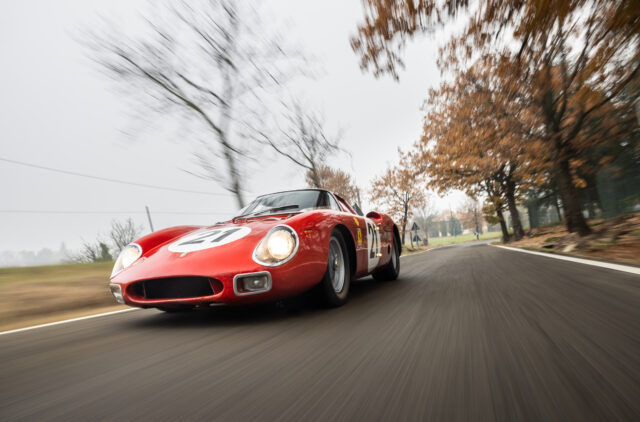
The first car to wear the Prancing Horse badge, the 125 S, appeared in 1947 with a jewel-like V12 and a clear focus on performance. It was quickly followed by a succession of sports racers and grand tourers that established Ferrari as the benchmark for speed and desirability in the 1950s and ’60s. Models such as the 166 MM, 250 MM, 250 Testa Rossa and 250 GT secured major victories at Le Mans, the Mille Miglia and countless other endurance events. They also happened to be some of the most beautiful cars ever built.
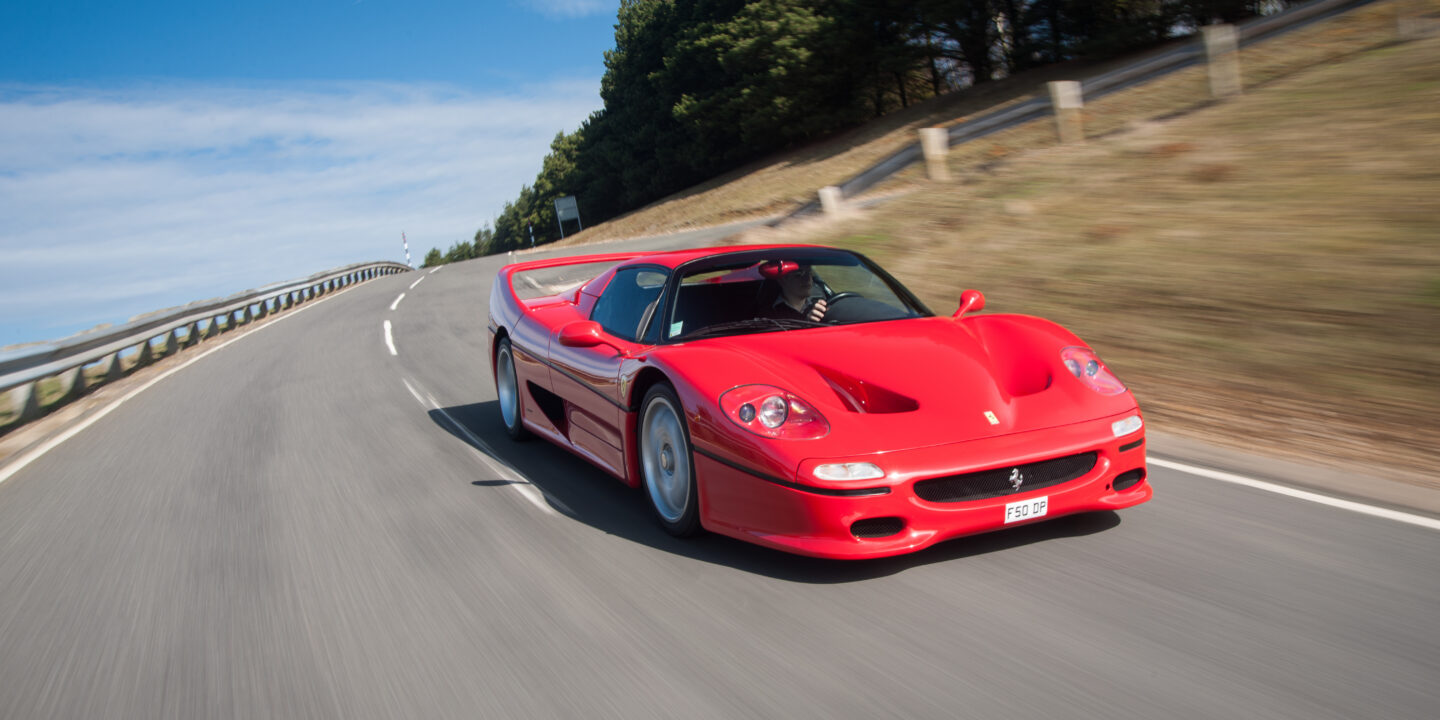
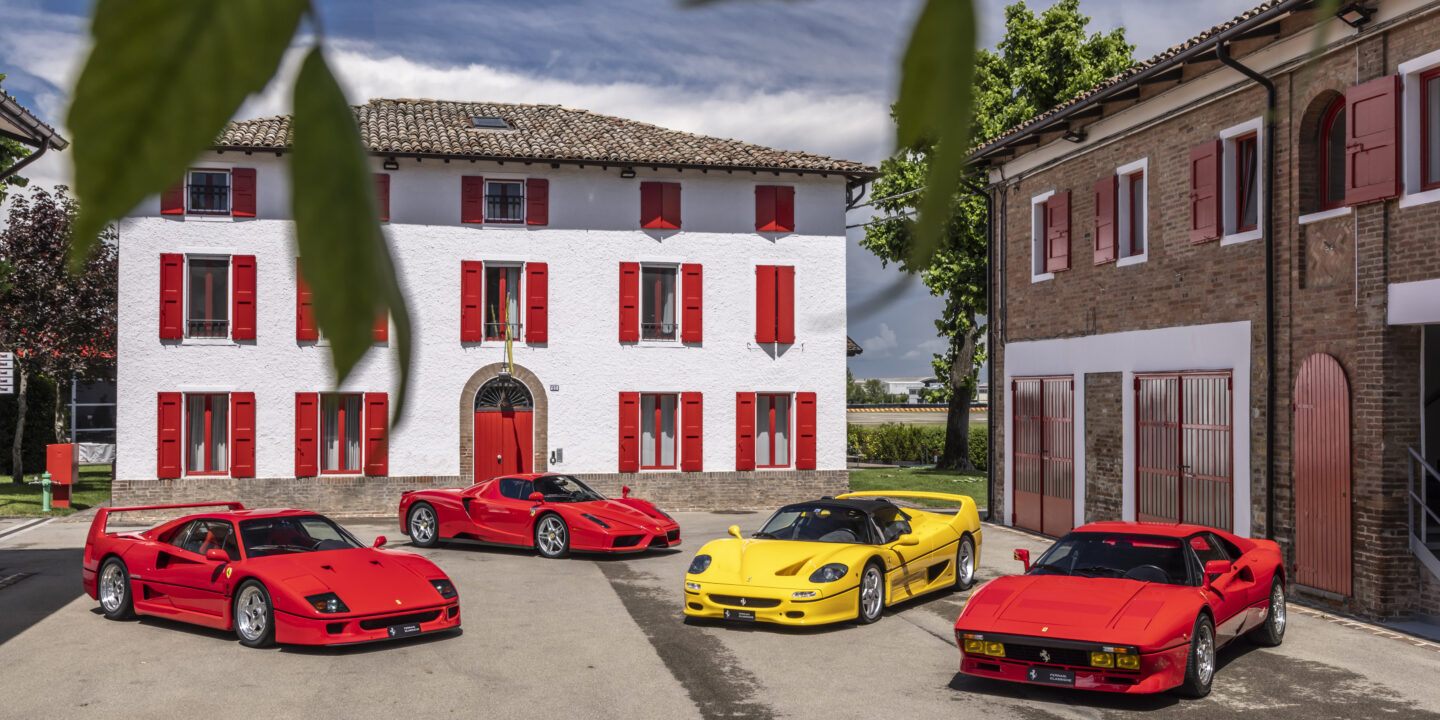
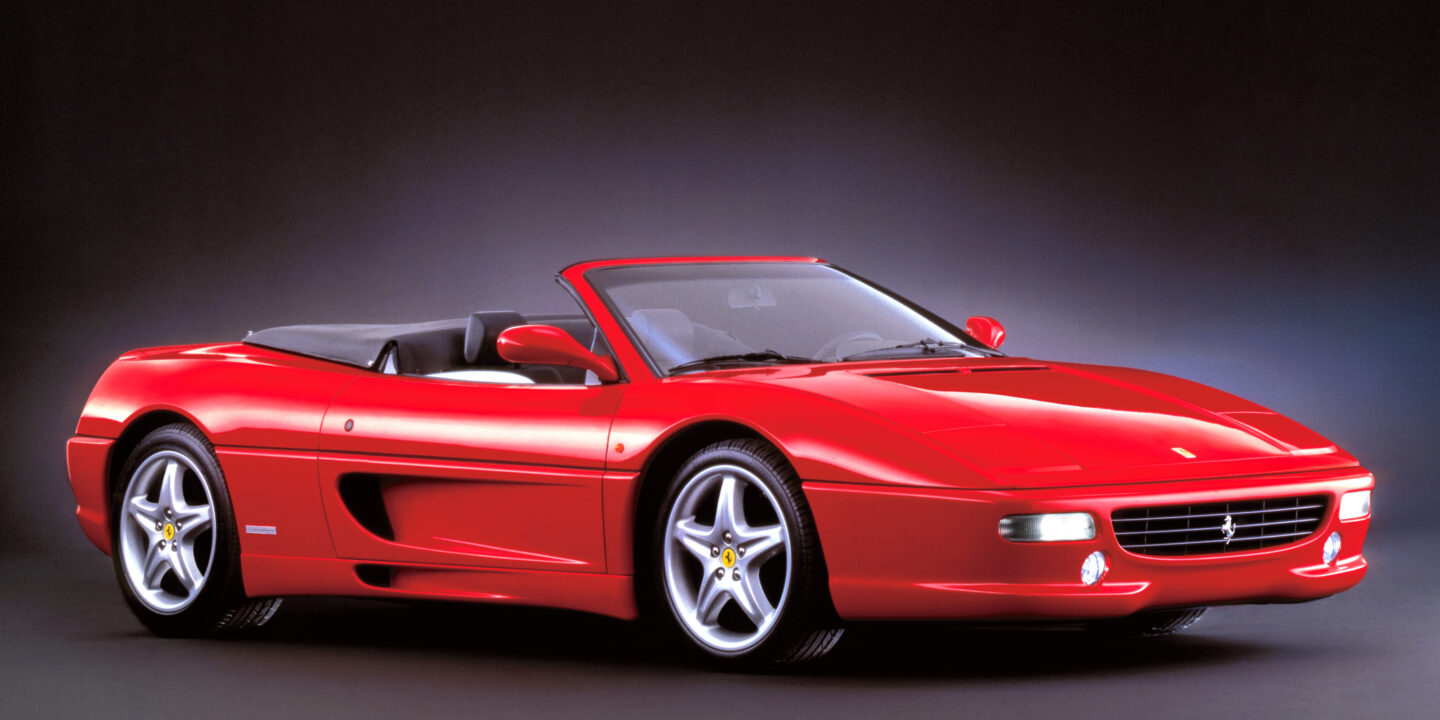
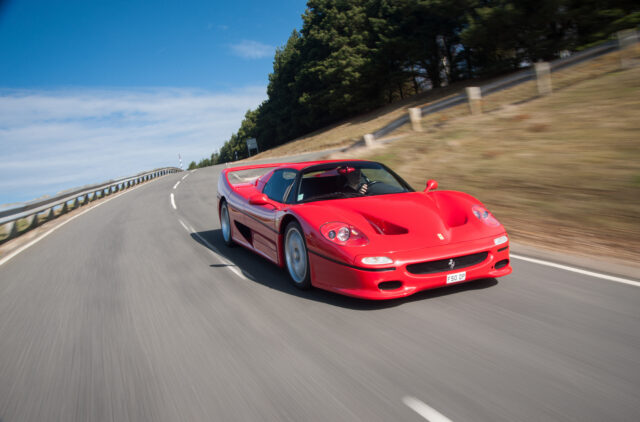
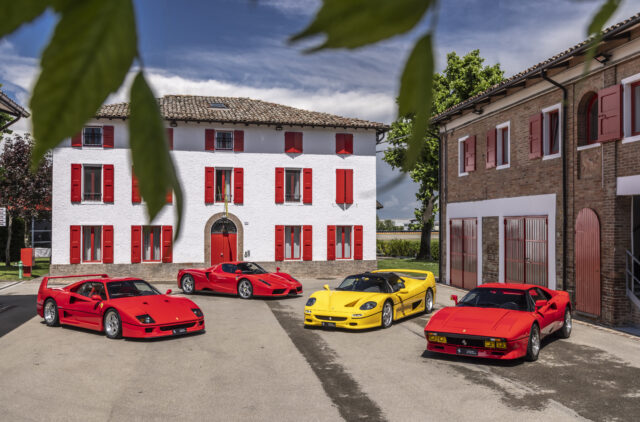
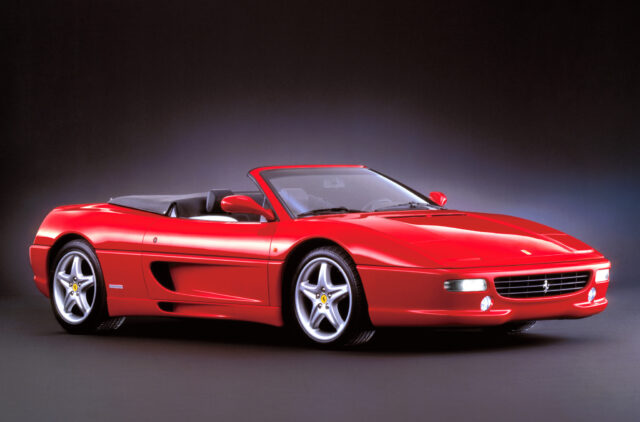
Among them, the Ferrari 250 GTO has become almost mythical – perfectly blending competition pedigree, V12 power and sculptural design. Alongside it sit such icons as the 275 GTB, Daytona, 288 GTO, F40, F50 and Enzo, each representing a different stage in Ferrari’s evolution from analogue sports racer to modern supercar manufacturer. The mid-engined V8 line, from the 308 GTB through F355, F430, 458 Italia and beyond, defined the everyday Ferrari for generations of enthusiasts – and it owes its origins to the legendary and beautiful V6-powered Dino, initially launched as a separate line in homage to Enzo’s son.
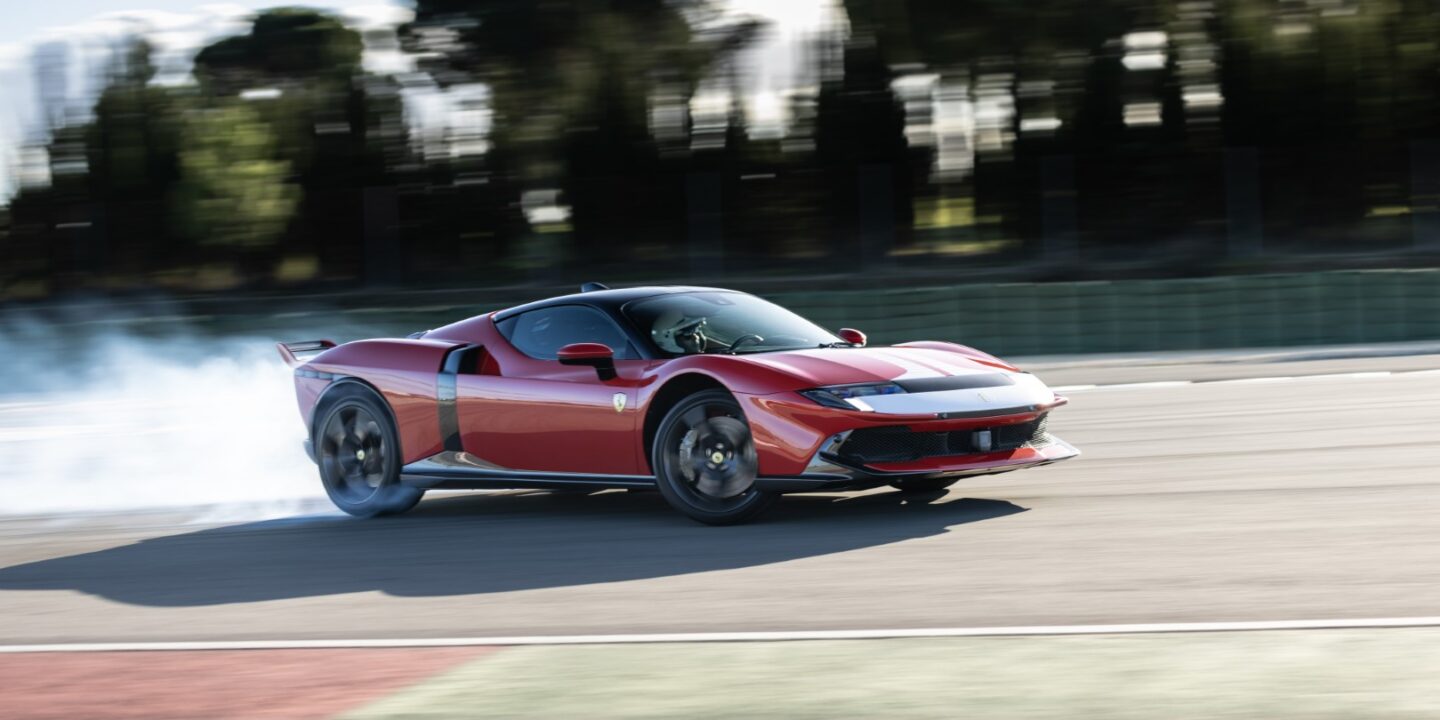
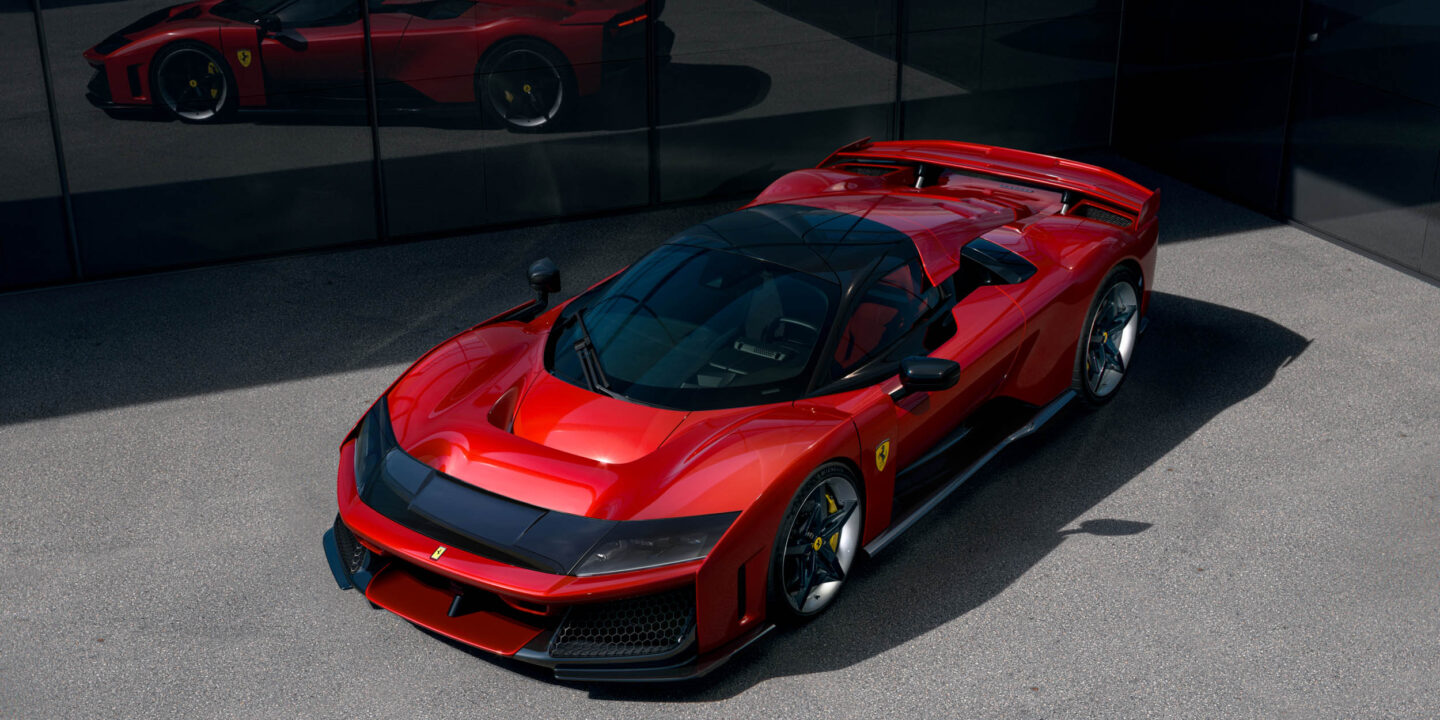
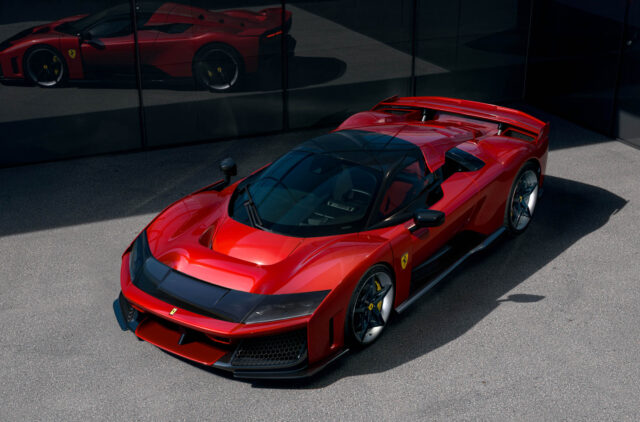
Ferrari’s success in Formula 1 is unparalleled, with more Constructors’ and Drivers’ World Championships than any other team. That competition heritage has always flows directly into Ferrari’s road cars, whether in naturally aspirated V12s, turbocharged V8s or today’s advanced hybrid powertrains in models such as the SF90 Stradale and 296 GTB.
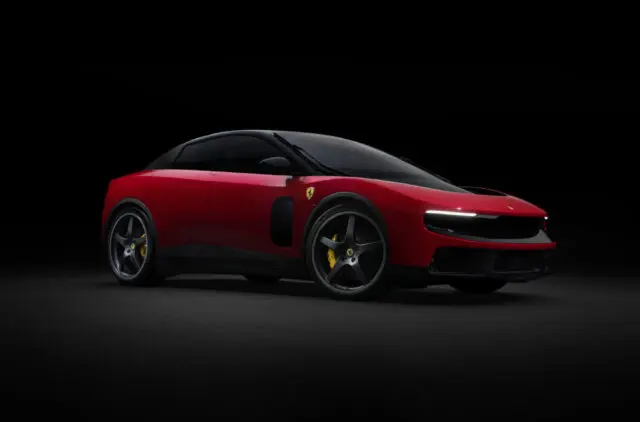
For collectors and drivers alike, Ferrari remains the ultimate expression of Italian performance: racing DNA, charismatic engines, focused engineering and captivating styling. From classic front-engined GTs to modern hypercars, the Prancing Horse continues to set the standard by which other sports and supercars are judged.
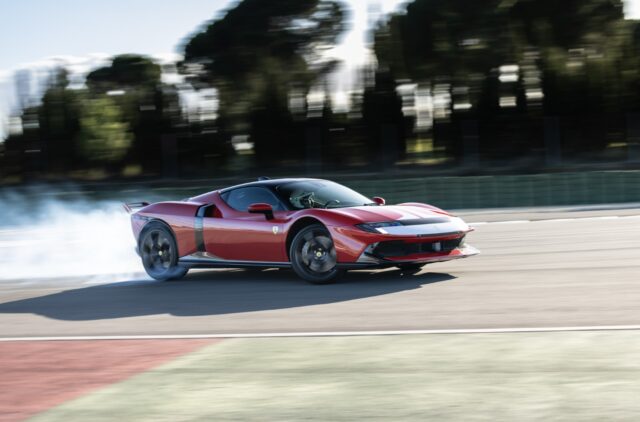
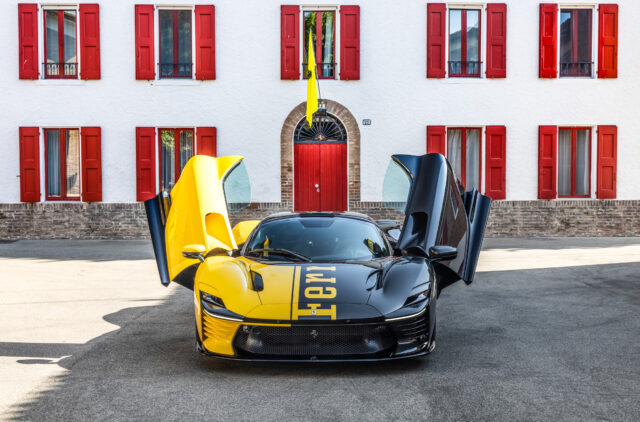
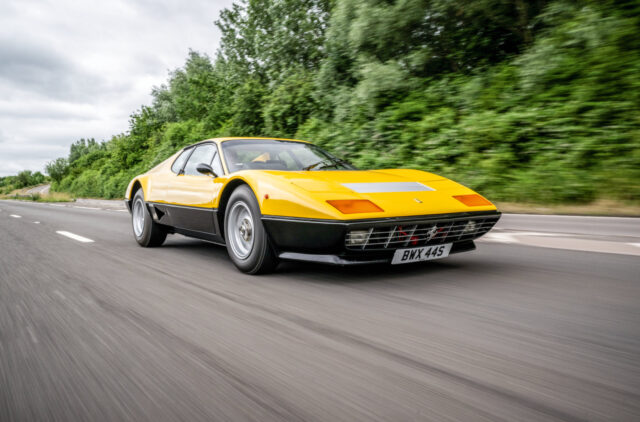
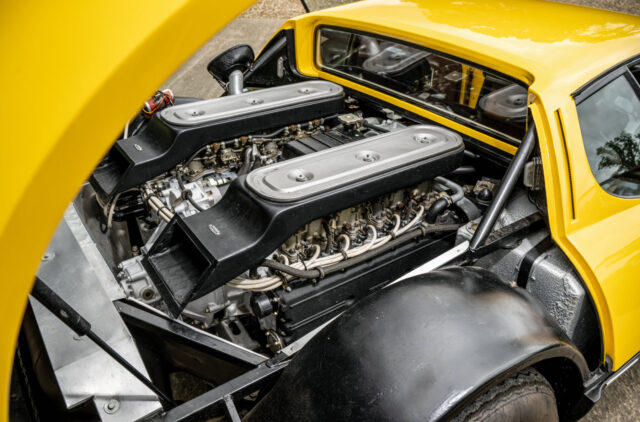
-
About Ferrari
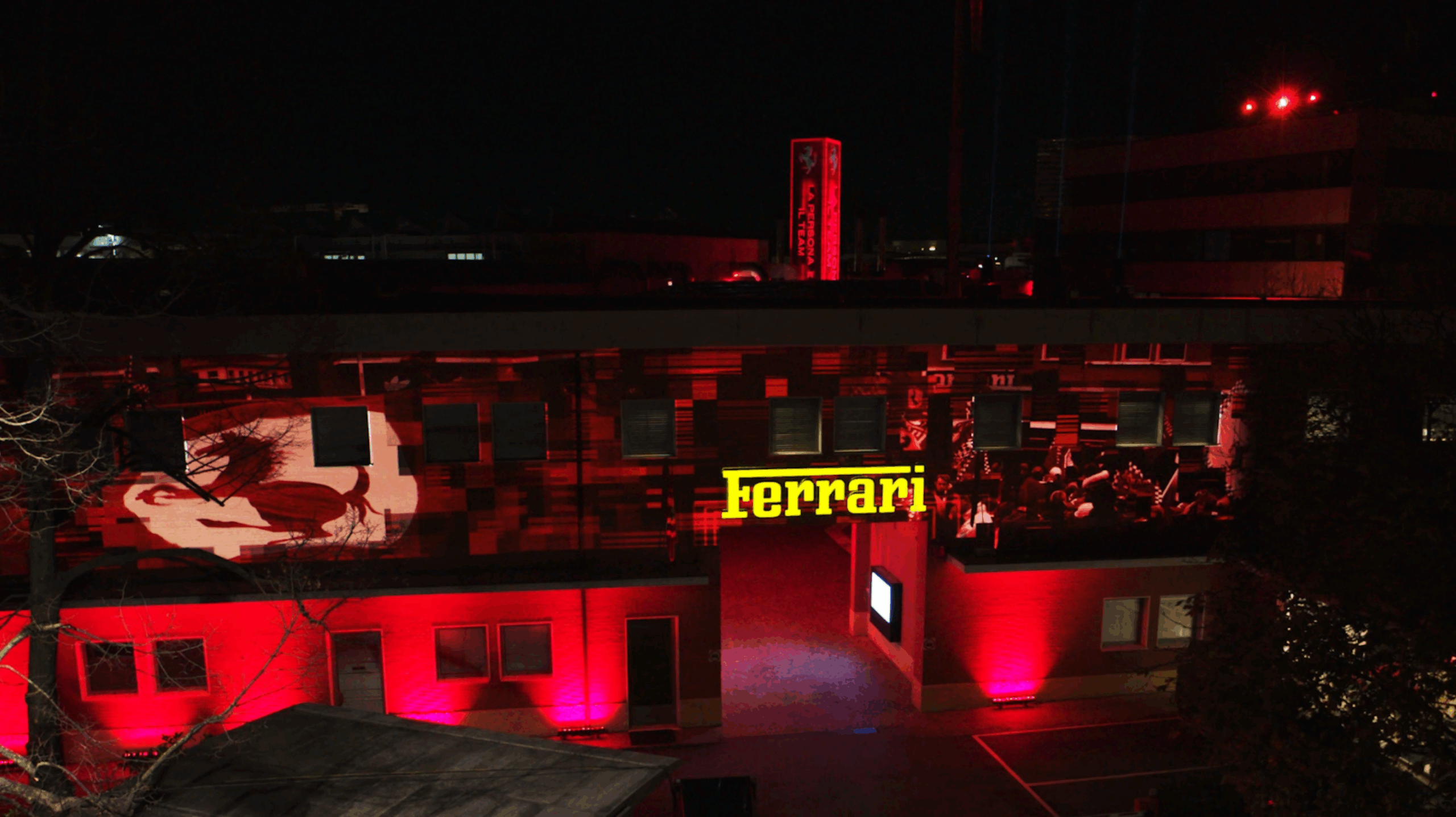
Enzo Ferrari established his company in Maranello, a small town in the Emilia-Romagna region of northern Italy, where Ferrari’s headquarters and principal manufacturing facilities remain to this day. The Maranello site encompasses road car production, engine manufacturing and the Fiorano test circuit, which sits directly adjacent to the factory and has been used for development work since 1972. Ferrari’s racing and advanced engineering operations are also based in Maranello, making it one of the most concentrated centres of automotive expertise in the world.
For much of its history, Ferrari operated as a largely independent company under the direct control of Enzo Ferrari, who retained a tight grip on both its road car and competition programmes until his death in 1988. Fiat had acquired a 50% stake in Ferrari in 1969, with Enzo retaining operational control; following his death, Fiat gradually increased its holding. Ferrari subsequently became part of Fiat Chrysler Automobiles, and in 2015 was partially floated on the New York Stock Exchange, with a full separation from FCA completing in 2016. Today, Ferrari N.V. is listed on both the New York and Milan stock exchanges. The Agnelli family, through Exor N.V., remains the largest single shareholder, with a significant stake also held by Piero Ferrari, son of the founder.
Production volumes at Ferrari are deliberately constrained. The company has historically limited annual output to preserve exclusivity, with production carefully managed to maintain demand. The Maranello factory produces both V8 and V12 models, with final assembly carried out by hand to a degree unusual among volume manufacturers. A separate facility at Modena was historically associated with Ferrari’s coachbuilt and special projects division.
Ferrari’s commercial structure includes a significant personalisation programme, through which customers can specify bespoke details across the range. The Tailor Made and Special Projects divisions sit at the top of this offering, producing one-off and limited-run commissions for favoured clients. This combination of constrained volume, extensive personalisation and consistent motorsport investment has underpinned Ferrari’s position as one of the most valuable luxury brands in the world.
-
Ferrari trivia
The 250 GTO was never officially homologated – Ferrari submitted paperwork claiming the 250 GTO was a development of the existing 250 GT, allowing it to race in GT rather than prototype classes. The FIA accepted the argument, though only 36 cars were built – far fewer than the 100 required. It remains one of motorsport’s most celebrated regulatory curiosities.
Enzo Ferrari reportedly called his road cars an unfortunate necessity – According to those who knew him, Enzo had little personal interest in the cars he sold to private buyers. Road car revenue existed to fund racing, and he is said to have found the presence of paying customers at the factory a distraction. Whether entirely true or embellished over time, the sentiment captures his singular obsession with competition.
The Prancing Horse predates Ferrari – The famous cavallino rampante was not Enzo’s invention. It originated as the personal emblem of Francesco Baracca, Italy’s leading First World War fighter ace. Baracca’s mother suggested Enzo use the symbol for good luck after he had met her at a race in 1923 – it first appeared on a Ferrari-run car in the 1930s, before adorning the Maranello marque’s own machinery.
The Testarossa took its name from the 1950s – Ferrari revived the Testa Rossa name in 1984 for its wide-hipped flat-12 flagship, though the spelling was condensed to a single word. The original Testa Rossa — Italian for ‘red head’, a reference to the engine’s red-painted cam covers — had been one of Ferrari’s most successful sports racers of the late 1950s.
Ferrari’s first Le Mans win – Having finished second overall on its Le Mans debut in 1949, Ferrari returned in 1950 and again fell short. Victory finally came in 1954 with the 375 Plus, driven by Froilán González and Maurice Trintignant, beginning a run of dominance that would yield nine overall wins before the end of the 1960s.
The 308 GTB was originally built in fibreglass – When the 308 GTB was launched in 1975, its bodywork was constructed from glassfibre rather than steel. Ferrari reverted to steel construction the following year after concerns about repair costs and quality consistency, making the early fibreglass cars a relatively rare and now sought-after variant.
Enzo Ferrari never watched his cars race in person after 1961 – Following the catastrophic accident at the 1961 Italian Grand Prix at Monza, in which Wolfgang von Trips and 14 spectators were killed, Enzo Ferrari withdrew entirely from trackside attendance. He continued to run the team with absolute authority from Maranello, but never returned to a circuit.
The 250 GTO’s body was designed in a weekend – With homologation deadlines pressing, engineer Giotto Bizzarrini and his colleagues worked through a single weekend at Maranello to produce the GTO’s aerodynamic bodywork. Wind tunnel testing was minimal; much of the form was developed through instinct and rapid physical testing at Monza.
The F40 was the last car Enzo Ferrari approved – Launched in 1987 to mark the company’s 40th anniversary, the F40 was signed off by Enzo himself before his death the following year. Built without driver aids, carpets or door handles, and with a twin-turbocharged V8 producing 478bhp, it became an instant icon and the last Ferrari to bear his direct personal approval.